

Smart home devices wholesale: What lead times should you expect when customizing firmware for regional power standards
As global demand for Smart home devices wholesale surges, manufacturers face critical firmware customization challenges—especially adapting to regional power standards. From Foldable screen technology and Next-gen wireless charging to Wearable technology and AI in precision engineering, smart manufacturing trends 2026 are reshaping OEM consumer electronics supply chains. For procurement teams, project managers, and distributors, lead time predictability is now a competitive advantage. TradeVantage delivers real-time intelligence on Industrial & Manufacturing bottlenecks, helping decision-makers and quality assurance professionals align firmware development cycles with market entry timelines—ensuring compliance, safety, and scalability without delay.
Why Firmware Customization for Power Standards Adds 3–8 Weeks to Smart Home Device Lead Times
Firmware adaptation for regional power standards isn’t a simple configuration toggle—it’s a cross-disciplinary engineering effort requiring validation across electrical safety, thermal management, and regulatory compliance layers. Unlike UI localization or language packs, power-related firmware changes impact hardware interaction logic, fault detection thresholds, and real-time monitoring routines.
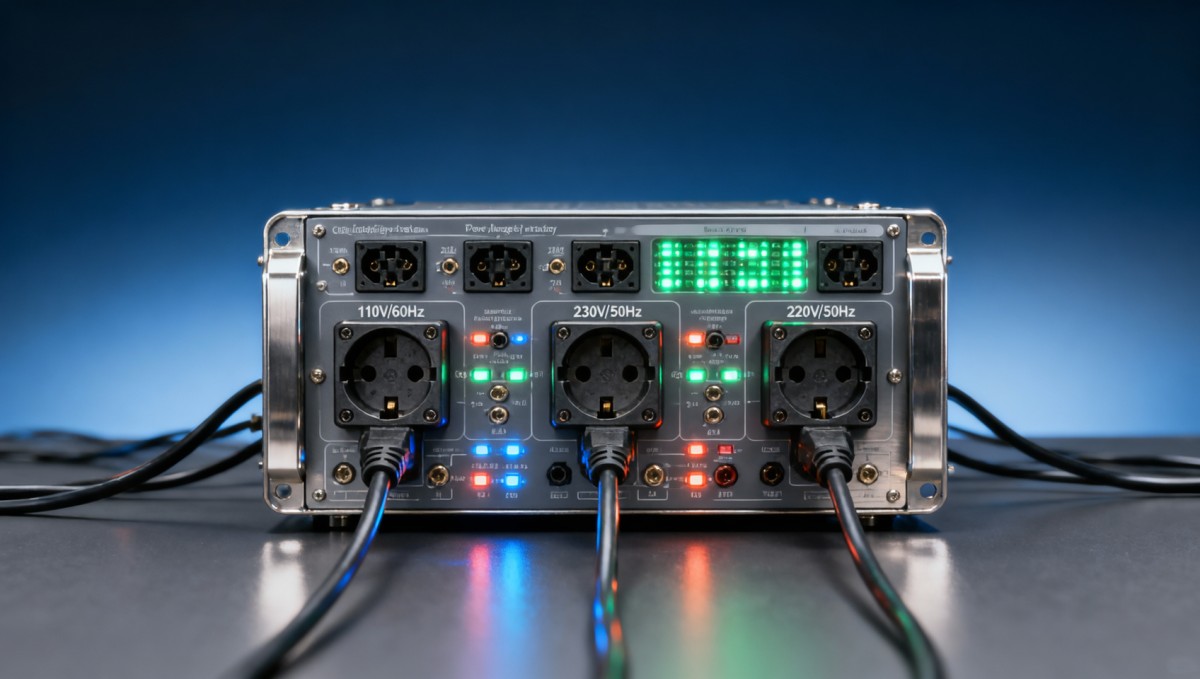
For smart home devices operating across 110V/60Hz (North America), 230V/50Hz (EU/UK), and 220V/50Hz (China/India) grids, firmware must dynamically adjust voltage tolerance windows, overcurrent trip curves, and surge response timing. Each regional adaptation requires at least three iterative stages: simulation-based logic validation (5–7 days), bench-level hardware-in-the-loop testing (7–10 days), and certified lab verification (10–14 days).
TradeVantage’s 2024 Global Manufacturing Pulse Report shows that 68% of smart device OEMs underestimate this cycle by 2–4 weeks—leading to delayed market launches, missed seasonal sales windows, and unplanned certification re-submissions. The bottleneck isn’t coding speed; it’s the interdependency between firmware logic, power supply unit (PSU) behavior, and regional test lab capacity.
Three Critical Validation Gates That Drive Timeline Variability
- Electrical Safety Logic Review: UL 62368-1 (US), EN 62368-1 (EU), and GB 4943.1 (China) require firmware to enforce safe shutdown under abnormal input conditions—verified via 12+ scripted fault injection scenarios.
- Thermal Derating Calibration: Ambient temperature shifts (e.g., 5°C–40°C) affect PSU efficiency and firmware-triggered throttling behavior—requiring 72-hour continuous stress runs per region.
- EMC Immunity Confirmation: IEC 61000-4-4 (EFT) and IEC 61000-4-5 (Surge) tests validate firmware resilience to grid transients—often causing 1–2 revision cycles due to false-positive fault triggers.
How Regional Certification Requirements Shape Firmware Development Cycles
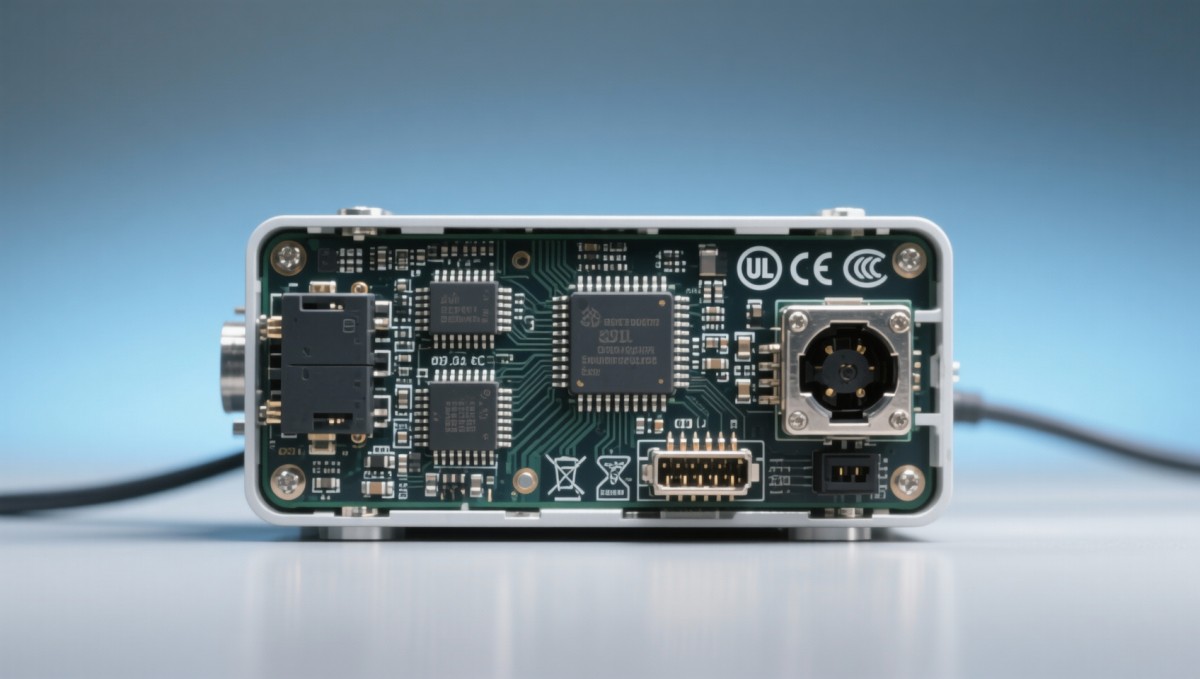
Certification isn’t a post-firmware checkpoint—it’s a co-engineering constraint. Firmware must embed region-specific compliance artifacts: UL’s “Controlled Circuit” classification logic for North America, CE’s “Low Voltage Directive” self-declaration hooks for EU, and China’s CCC-required bootloader signature enforcement.
The table below outlines typical firmware-related certification dependencies across major markets—and their average timeline impact when integrated into standard smart device production flows.
Note: These durations assume pre-qualified hardware platforms and access to accredited labs. First-time submissions or non-standard PSU architectures may extend timelines by 5–9 additional days. TradeVantage tracks 32 active certification labs globally—including 7 with fast-track firmware review lanes (≤5 working days)—and provides real-time slot availability alerts to procurement and project management teams.
Procurement Teams: 4 Firmware Readiness Checks Before Finalizing Your Smart Home Device PO
Lead time uncertainty often originates upstream—in procurement language and supplier handoff protocols. To avoid firmware-driven delays, verify these four firmware readiness checkpoints before signing purchase orders or releasing production funds.
- Hardware Revision Lock Confirmation: Ensure firmware scope covers only the exact PCB revision (e.g., “Rev B2.3”) shipped in your pilot batch—not generic “B2” or “latest.” 41% of firmware rework stems from undocumented board-level changes.
- Lab Access Pre-Booking Evidence: Request written confirmation from your supplier that test slots at UL Shanghai, TÜV Rheinland Frankfurt, or Intertek Dallas are reserved—not just “tentatively scheduled.”
- Firmware Version Traceability Protocol: Confirm the supplier uses ISO/IEC 17025-compliant version control (e.g., Git tags + SHA-256 checksum logs) tied to each certification report.
- Regional Failure Mode Documentation: Require a documented list of region-specific failure modes tested (e.g., “EU: 48.5Hz sustained undervoltage for 120 minutes”)—not just pass/fail lab summaries.
TradeVantage’s Procurement Intelligence Dashboard surfaces firmware-readiness risk scores for 1,200+ smart device suppliers—calculated from real-time lab booking data, historical certification success rates, and firmware revision transparency metrics. Subscribers receive automated alerts when a supplier’s score drops below 78/100—a statistically validated threshold for elevated delay risk.
Why Choose TradeVantage for Smart Home Device Firmware & Compliance Intelligence?
You don’t need another generic supplier directory—you need actionable firmware lead time intelligence, grounded in real manufacturing constraints and updated daily. TradeVantage delivers precisely that, through three core capabilities built for procurement, QA, and engineering leadership.
First, our Global Certification Lab Tracker monitors slot availability, average turnaround times, and firmware-specific review backlog across 47 accredited facilities—including dynamic alerts for sudden capacity shifts (e.g., “TÜV Munich firmware queue increased 32% last 72h”).
Second, our Firmware Readiness Scorecard benchmarks 1,200+ suppliers against 14 firmware-specific KPIs—from bootloader signature enforcement maturity to regional fault log retention depth—giving you objective criteria to compare vendors beyond price or MOQ.
Third, our Smart Home Device Lead Time Forecast Engine synthesizes 200+ variables—including your target region, PSU topology, and current lab utilization—to generate probabilistic delivery windows (e.g., “85% confidence: 22–29 days”)—not vague estimates like “4–6 weeks.”
Ready to reduce firmware-related delays in your next smart home device rollout? Contact TradeVantage today for a free firmware readiness assessment—covering your specific model, target markets, and current supplier engagement status. We’ll deliver a customized lead time forecast, lab slot availability map, and 3 actionable mitigation steps—all within 48 business hours.
- Smart manufacturing trends 2026
- AI in precision engineering
- OEM consumer electronics
- Smart home devices wholesale
- Wearable technology
- Next-gen wireless charging
- Foldable screen technology
- precision engineering
- smart home devices
- EMS
- ESS
- PPE
- procurement
- manufacturing trends
- supply chain
- supplier directory
- Cement
 When an export market analysis platform can validate demand in a new marketExport market analysis platform insights help validate new-market demand through buyer fit, regulations, logistics, competition, and profitable entry conditions.
 What is driving the beauty and personal care market in the USA?Beauty and personal care in USA is driven by targeted solutions, selective premiumization, digital discovery, clean-label trust, diverse needs, and compliance. Explore key growth opportunities.
 How trade flow monitoring reports reveal changing regional demandTrade flow monitoring reports reveal changing regional demand through import volumes, sourcing shifts, product mix, logistics signals, and regulatory trends. Explore actionable market insights.
 How international market intelligence for investors reduces market-entry riskInternational market intelligence for investors reduces market-entry risk by validating demand, regulations, logistics, and competition before capital is committed.
 How international sourcing intelligence helps identify supplier risk earlyInternational sourcing intelligence helps businesses spot supplier risks early, protect supply continuity, and make smarter global procurement decisions.
 How trade data aggregation analytics reveals emerging supplier marketsTrade data aggregation analytics reveals emerging supplier markets through export trends, input flows, logistics, and regulatory signals. Discover smarter sourcing insights.
 What industrial cluster monitoring in Vietnam reveals about site riskIndustrial cluster monitoring Vietnam reveals hidden site risks across labor, utilities, logistics, compliance, and supplier dependencies. Make smarter sourcing and expansion decisions.
 Food Technology Trends Reshaping Shelf Life, Safety, and Product InnovationFood technology is reshaping shelf life, safety, and innovation. Discover the trends helping food businesses cut risk, improve compliance, and unlock stronger global market growth.
 How electronics manufacturing services are changing with low-volume demandElectronics manufacturing services are evolving fast with low-volume demand. Learn how agile EMS partners improve flexibility, compliance, sourcing resilience, and speed to market.
 How Can Buyers Reduce Procurement Risks for Electronic Components?How to reduce procurement risks for electronic components: learn how buyers assess traceability, lead times, compliance, and supplier types to avoid costly sourcing mistakes.
 What Sourcing Intelligence India Reveals About Supplier Risk and Cost ShiftsSourcing intelligence India reveals hidden supplier risk, compliance gaps, logistics pressure, and real cost shifts—helping buyers compare vendors smarter and source with more confidence.
 Fashion Trends 2026: Which Materials, Colors, and Silhouettes Are Gaining Ground?Fashion trends 2026 spotlight tactile fabrics, mineral colors, and controlled volume. Explore the materials, shades, and silhouettes shaping smarter, more wearable style.
 Smart Device Market Outlook: Key Growth Drivers, Segments, and Business OpportunitiesSmart device market trends are shifting toward system value, industrial demand, and resilient supply chains. Explore key growth drivers, high-potential segments, and business opportunities.
 How Global Trade Intelligence Services Help B2B Firms Evaluate Markets and SuppliersGlobal trade intelligence services help B2B firms compare suppliers, assess market potential, and uncover compliance, logistics, and pricing risks before costly decisions are made.
 Manufacturing Sector Updates for Investors: What Signals Matter Most in 2025?Manufacturing sector updates for investors in 2025: track orders, margins, supply chains, regulation, and exports to spot resilient manufacturers and smarter investment signals.
 How Energy Market Intelligence Helps Businesses Track Price Risks and Demand ShiftsEnergy market intelligence helps businesses spot price risks, demand shifts, and supply pressure early—improving procurement, resilience, and faster strategic decisions.
 Precision Hardware Tools Market: Key Demand Drivers, Segments, and Growth OutlookPrecision hardware tools market trends are reshaping sourcing, compliance, and automation. Explore key demand drivers, segment shifts, regional supply patterns, and growth opportunities.
 How to Use Customs Import Data to Find Buyers, Track Competitors, and Spot Demand?Customs import data helps you find real buyers, track competitors, and spot demand shifts early. Learn practical ways to turn trade records into smarter global business decisions.
 Manufacturing Cost Analysis: 8 Cost Drivers That Change Your Unit PriceManufacturing cost analysis explained through 8 key cost drivers that impact unit price, supplier stability, and margins—learn how to compare quotes smarter and reduce sourcing risk.
 Industrial Market Realities: What Buyers Should Check Before Comparing Supplier QuotesIndustrial market realities shape every supplier quote beyond unit price. Learn what to check on compliance, lead times, logistics, and hidden cost risks before comparing offers.
 Beverage Production Line Planning: Key Equipment, Capacity, and Hygiene RequirementsBeverage production line planning made practical: discover key equipment, real capacity sizing, and hygiene requirements to improve efficiency, safety, and long-term plant performance.





















Global Trade Insights & Industry
Our mission is to empower global exporters and importers with data-driven insights that foster strategic growth.
Search News
Popular Tags
Industry Overview
The global commercial kitchen equipment market is projected to reach $112 billion by 2027. Driven by urbanization, the rise of e-commerce food delivery, and strict hygiene regulations.