

Car Batteries Price: AGM or Lead-Acid Better Value?
For buyers comparing car batteries price, the real question is long-term value: does AGM justify its premium over traditional lead-acid? On a global online trade platform, this decision affects replacement cycles, maintenance costs, and supply planning. This article explores pricing, performance, and sourcing factors to help procurement teams, distributors, and market researchers make smarter battery purchasing decisions.
Why car batteries price cannot be judged by unit cost alone
In B2B sourcing, car batteries price is rarely a simple low-price versus high-price decision. Procurement teams usually compare at least 3 core dimensions: upfront purchase cost, expected service life, and operational risk. A cheaper flooded lead-acid battery may look attractive on a quotation sheet, but if replacement intervals are shorter or maintenance demands are higher, the total cost profile changes quickly.
AGM, or Absorbent Glass Mat, is a sealed lead-acid battery design built for better vibration resistance, stronger cycle tolerance, and lower maintenance. Traditional flooded lead-acid remains widely used because it is familiar, broadly available, and often more affordable at the initial buying stage. The real comparison is not chemistry alone, but how each battery fits vehicle type, route intensity, climate exposure, and after-sales support.
For distributors and trade researchers, the question also extends to inventory strategy. In some markets, standard flooded batteries move faster in the entry-level segment, while AGM demand is rising in vehicles with start-stop systems, higher electrical loads, or premium aftermarket positioning. That means price analysis should be linked to turnover rate, return risk, and customer education cost over 6–12 month sales cycles.
Global supply chain buyers increasingly use structured market intelligence before locking battery programs. That is where GTIIN and TradeVantage add value: not by promoting a one-size-fits-all answer, but by helping exporters, importers, and channel partners compare sourcing trends, demand shifts, and regional market signals across multiple sectors and trade routes.
- Upfront price matters, but it should be tested against 2–4 year ownership expectations.
- Battery choice affects replacement planning, warranty exposure, and stock mix.
- Vehicle technology level often determines whether AGM is necessary or optional.
AGM vs lead-acid: what buyers should compare before requesting quotes
When evaluating AGM against conventional lead-acid, buyers should avoid broad assumptions. Both are lead-based battery types, but they differ in design, charging behavior, maintenance profile, and tolerance under demanding conditions. A procurement team that only compares nominal voltage and cold cranking amps may miss the factors that actually influence replacement frequency and customer satisfaction.
AGM batteries are often preferred for start-stop vehicles, higher accessory loads, and applications with frequent stop-and-go use. Flooded lead-acid batteries are still practical in many standard passenger cars, light-duty fleets, and value-driven aftermarket programs. The better value depends on whether the vehicle sees short urban cycles, long highway operation, seasonal storage, or rough-road vibration.
The table below gives a practical comparison framework for buyers assessing car batteries price in relation to performance and commercial suitability. These are general market patterns rather than fixed product specifications, and buyers should always confirm exact battery ratings with the supplier.
This comparison shows why better value is context-based. If your buyers serve standard replacement markets and prioritize fast-moving stock, lead-acid may deliver better commercial efficiency. If your customers operate vehicles with frequent restart cycles or need longer service stability, AGM may justify a higher purchase price through lower service disruption.
Where procurement mistakes usually happen
One common mistake is downgrading a vehicle designed for AGM to a cheaper flooded battery without checking the electrical system. Another is over-specifying AGM for basic replacement demand where customers are highly price sensitive and annual driving patterns are moderate. In both cases, buyers risk either product failure or slow inventory turnover.
A second mistake is ignoring charging compatibility and storage conditions. Batteries sitting in warehouses for 60–90 days without proper rotation, state-of-charge monitoring, or climate control can create avoidable loss. Good sourcing decisions therefore combine price comparison with logistics discipline and supplier communication.
How total cost changes over the battery life cycle
For serious buyers, total landed and lifecycle cost is more useful than headline car batteries price. The commercial calculation typically includes purchase cost, shipping, import duties where applicable, storage handling, warranty claim rate, labor associated with replacement, and customer downtime. In fleet, distribution, and wholesale contexts, even a small drop in return rates can influence margin performance.
AGM often costs more upfront, but buyers may recover part of that premium through fewer service incidents in demanding applications. Flooded lead-acid often delivers a lower entry cost and broader price acceptance in the aftermarket. The better value depends on usage intensity, climate variability, and whether the battery is supporting standard ignition only or a wider electrical load profile.
The cost model below is designed for procurement evaluation. It does not use fixed market prices because battery costs vary by region, capacity, order volume, and freight terms, but it shows which cost items usually influence the buying decision over a 12–36 month horizon.
The table makes one point clear: value is application-dependent. If the battery is used in standard passenger vehicles with moderate daily cycles, a lower-cost lead-acid option may be commercially efficient. If the operating environment involves repeated stop-start use, vibration, or accessory-heavy loads, AGM may reduce downstream costs despite a higher quote.
A practical 4-step cost review for buyers
- Define the use case: private car replacement, fleet service, distributor channel, or OE-style specification.
- Estimate operating stress: daily starts, average trip length, storage intervals, and climate range.
- Add non-product costs: freight, warehousing, return handling, and installation labor.
- Compare expected performance over 12, 24, and 36 months rather than quote day only.
This method helps business evaluation teams move beyond list price. It is especially useful when building annual sourcing plans or deciding whether to create separate economy, standard, and premium battery lines for different export markets.
Which battery type fits different commercial and usage scenarios?
Not every buyer serves the same market. Importers may need stable volume and broad compatibility. Distributors may focus on stock rotation and price ladders. Agents and channel partners may need a premium segment with higher margin. That is why car batteries price analysis should always be mapped to application scenarios, not just product categories.
AGM is typically a stronger fit where vehicle electronics are more demanding and where failure carries a higher service cost. Flooded lead-acid remains competitive in cost-driven segments with conventional vehicle architecture. In many markets, a mixed portfolio covering 2–3 pricing tiers performs better than forcing one battery type across the full catalog.
The following table can help distributors, buyers, and market analysts match battery type to real sales and service conditions.
In practice, many channel businesses succeed by segmenting rather than choosing only one. They keep flooded lead-acid for fast-moving mainstream demand and reserve AGM for vehicles where the technical requirement or customer expectation supports a higher price point and margin profile.
Scenario signals that often justify AGM
If a vehicle makes many short trips per day, uses start-stop technology, operates in uneven road conditions, or supports more electronics than a basic ignition system, AGM becomes more defensible. Buyers should also watch for fleets where a single battery failure can disrupt route schedules or service commitments within a 24–48 hour window.
Scenario signals that support standard lead-acid
If the target market is conventional vehicles, replacement decisions are heavily price-led, and service environments are controlled, lead-acid often remains the best value. This is especially true where distributors need broader SKU availability and simpler cross-reference management across high-volume replacement lines.
What procurement teams should check before placing orders
A good battery buying decision starts before the RFQ. Procurement teams should validate at least 5 checkpoints: vehicle fitment, capacity range, starting requirement, charging system compatibility, and storage conditions through the supply chain. If these points are not aligned, a lower car batteries price can easily turn into warranty cost, delayed replenishment, or channel complaints.
Typical procurement cycles also require buyers to check lead time and order structure. In cross-border trade, standard production and dispatch windows may fall within 2–6 weeks depending on volume, battery type, packaging, and shipping method. For seasonal demand, especially before winter peaks, buyers often need forward planning 30–60 days earlier than usual.
For importers and distributors, documentation matters as much as performance. Battery shipments may involve transport classification, labeling rules, customs paperwork, and destination-specific commercial documentation. While exact compliance needs vary by market, professional sourcing requires early confirmation rather than post-order correction.
- Confirm whether the target vehicles require AGM by design or only accept it as an upgrade option.
- Review common capacity and cranking demand ranges for your market segment before mixing SKUs.
- Ask suppliers about storage guidance, stock rotation windows, and shipment preparation status.
- Check warranty terms, claim handling process, and response timing for export orders.
- Align packaging, palletization, and labeling with distributor and customs needs.
Why market intelligence improves sourcing quality
Battery procurement does not happen in isolation. Lead input costs, freight pressure, regional vehicle parc changes, and aftermarket demand shifts can all affect the timing of purchases. TradeVantage helps buyers and market researchers see these patterns earlier by combining sector updates, supply chain signals, and industry trend tracking across more than 50 sectors.
For foreign trade enterprises and distributors, this is useful in two ways. First, it supports better sourcing judgment by connecting product decisions with market movement. Second, it strengthens digital visibility and brand exposure in a competitive trade environment, helping companies build stronger trust signals while engaging potential buyers and partners.
FAQ: common questions about AGM, lead-acid, and better value
Is AGM always worth the higher car batteries price?
No. AGM is often worth the premium when the vehicle has start-stop functionality, frequent short-trip use, high electrical demand, or high downtime cost. For standard vehicles in price-sensitive markets, flooded lead-acid may still offer better value. The right answer depends on operating stress and commercial objectives, not on price label alone.
How should distributors decide what share of AGM to stock?
A practical approach is to review local vehicle mix, average replacement ticket size, and turnover speed over the last 6–12 months. If start-stop vehicles and premium aftermarket demand are growing, adding AGM coverage can improve margin and service quality. If your sales rely mainly on conventional vehicles, lead-acid may remain the larger share of stock.
What is the biggest procurement risk when comparing battery quotations?
The biggest risk is comparing unlike products. Buyers sometimes compare prices without aligning battery type, fitment, capacity class, starting performance, storage condition, and warranty terms. A valid quotation review should compare technical fit, trade terms, and after-sales handling together.
How long is the usual supply planning window for battery orders?
For many B2B orders, planning should begin 2–6 weeks before the expected shipment date, with longer preparation during seasonal peaks or when multiple SKUs are involved. If import clearance, local labeling, or special packaging is required, buyers should build in additional time for document review and logistics coordination.
Why work with us when evaluating battery sourcing and market direction
Choosing between AGM and traditional lead-acid is not only a product question. It is a trade, margin, and market positioning decision. GTIIN and TradeVantage support buyers, distributors, agents, and business evaluation teams with structured industry intelligence, cross-market visibility, and content reach designed for global trade professionals.
Our strength lies in connecting product-level decisions with broader supply chain signals. Through real-time updates, sector analysis, and multi-region editorial coverage, we help businesses understand where demand is shifting, which product categories are gaining traction, and how sourcing decisions may affect commercial performance over the next quarter or season.
If you are reviewing car batteries price and want a sharper basis for decision-making, you can consult us on practical topics such as battery type selection, market-fit analysis, expected delivery windows, documentation concerns, premium versus budget portfolio design, and supplier communication points for cross-border procurement.
You can also reach out for support on quotation comparison, application matching, demand trend tracking, brand exposure opportunities, and content-driven trade visibility. For importers and exporters that need more than a simple price list, we provide a stronger information foundation for better sourcing and better market positioning.
Recommended News
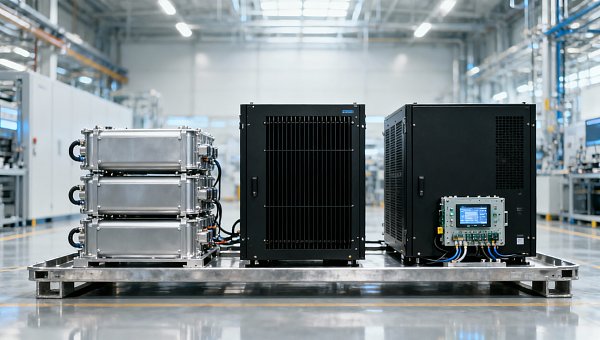
 Key Energy Storage Equipment Prices Drop ~80% in ChinaKey energy storage equipment prices in China dropped ~80% — PCS, BMS & liquid cooling units. Discover implications for compliance, margins & standards enforcement.
") China Releases Green Design Guidelines for Industrial Products (2026)China's 2026 Green Design Guidelines for industrial products—covering PV modules, lithium batteries & smart appliances—link eco-design to green factory certification and export tax rebates starting 2027.
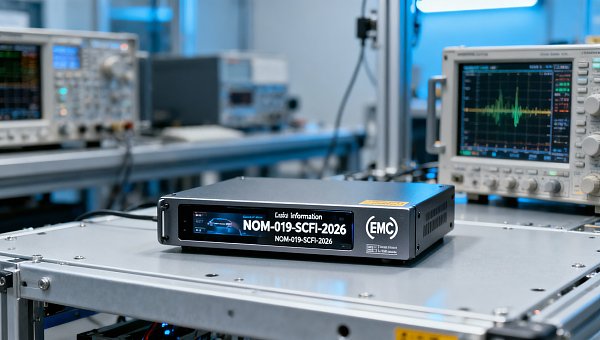
China Releases Green Design Guidelines for Industrial Products (2026)China's 2026 Green Design Guidelines for industrial products—covering PV modules, lithium batteries & smart appliances—link eco-design to green factory certification and export tax rebates starting 2027. Mexico NOM-019-SCFI-2026 Effective: Automotive Electronics Require New EMC CertificationMexico NOM-019-SCFI-2026 is live: Automotive electronics (infotainment, ADAS, domain controllers) now require mandatory EMC certification by July 31, 2026 — act now to avoid customs delays.
 Red Sea Detour Premium Rises to $1,850/TEU Amid Port Congestion ReliefRed Sea Detour Premium hits $1,850/TEU — now 43% of FE–NE freight rates. Discover why this structural surcharge demands urgent supply chain action.
 TÜV Rheinland Updates PLd Certification: EMC Immunity Now Mandatory for Servo DrivesTÜV Rheinland now mandates EN IEC 61000-6-2:2024 EMC immunity testing for PLd certification of servo drives—act before May 26, 2026 to avoid EU market delays.
 RCEP Green Packaging Mutual Recognition Effective Apr 26, 2026RCEP Green Packaging Mutual Recognition takes effect Apr 26, 2026—unlock faster customs clearance & cost savings for eco-friendly packaging exporters to AU, NZ, JP, KR.
 FDA Final Rule: AI Diagnostic Devices Must Submit Bias Impact ReportsFDA mandates AI diagnostic devices submit third-party-verified bias impact reports—key for 510(k)/De Novo submissions. Act now to ensure compliance & market access.
 Vietnam Suspends SASO Mutual Recognition for Chinese Irrigation EquipmentVietnam suspends SASO mutual recognition for Chinese irrigation equipment—urgent QCVN certification now required for drip tapes, sprinklers, valves & smart controllers.
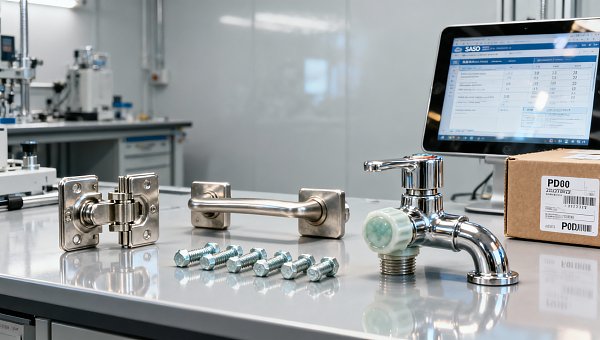
 SABER Phase II Launch: Building Hardware Must Submit Digital Type Test Reports & PIDSABER Phase II now requires digital type test reports & PID for building hardware — fasteners, door/window, bathroom fixtures. Avoid port rejection: ensure PID-bound compliance before shipment.
 IMDG Code 41-24 Enforced: UN3480 Lithium Batteries Require Class 9 LabelsUN3480 lithium batteries now require ISO 7225-compliant Class 9 labels under IMDG Code 41-24 — enforceable globally from 26 April 2026. Act now to avoid shipment delays!
 What Makes Sustainable Fashion Brands Worth Buying?Sustainable fashion brands deliver transparency, quality, and lower risk. See how a business intelligence platform helps buyers verify value, avoid greenwashing, and source smarter.
 How to Choose a Business Intelligence Platform in 2026?Business intelligence platform selection in 2026: compare data coverage, pricing insights, online trade platform signals, Cement price trends, and MRI scanners cost to choose smarter, faster.
 IMDG Code 41-24 Enforces UN3480 Class 9 Labeling for Lithium Battery Sea FreightIMDG Code 41-24 mandates UN3480 Class 9 labeling for lithium battery sea freight—avoid auto-rejection by DHL, Kuehne+Nagel & Sinotrans. Act now.
 ESS Key Equipment Prices Drop ~80%: Quality & Compliance RiseESS key equipment prices dropped ~80%—but quality & compliance are now critical. Discover how UL 9540A and IEC 62933-5-2 standards reshape global market access.
") China Releases Green Design Guide for Industrial Products (2026)China's new Green Design Guide (2026) offers 126 actionable solutions for solar, batteries & robotics—key for EU ESG compliance and export readiness.
China Releases Green Design Guide for Industrial Products (2026)China's new Green Design Guide (2026) offers 126 actionable solutions for solar, batteries & robotics—key for EU ESG compliance and export readiness. Vietnam Suspends SASO Mutual Recognition for Chinese Irrigation EquipmentVietnam suspends SASO mutual recognition for Chinese irrigation equipment—impacting spray controllers, fertigation systems & PE pipes. Act now to meet new local testing mandates.
 Mexico NOM-019-SCFI-2026 Effective: Automotive EMC Certification RequiredMexico NOM-019-SCFI-2026 is live: Automotive EMC certification now mandatory for all car electronics entering Mexico—avoid customs rejection. Act now!
 Red Sea Rerouting Now Normalized: Asia-Europe Freight Premium at $1,850/TEURed Sea rerouting is now normalized—Asia-Europe freight premium holds at $1,850/TEU. Critical for CNC, solar PV & EV accessory exporters. Read the strategic implications.
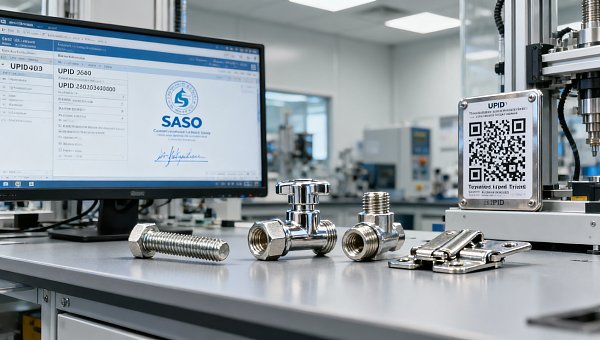
 SABER Phase II Launch: Building Hardware Must Submit Digital Type Test Reports & UPIDSABER Phase II is live: Building hardware exporters must now submit digital type test reports & UPID—avoid Jeddah port delays. Act now!
 FDA Final Rule: AI Diagnostic Devices Require Bias Assessment for US MarketFDA mandates bias assessment for AI diagnostic devices—key for portable ultrasound, dermatoscopes & fundus analyzers entering the US market. Act now to comply.
 RCEP Green Packaging Mutual Recognition Takes EffectRCEP Green Packaging Mutual Recognition is live: Chinese GB/T 37650–2023-certified packaging now bypasses retesting in Australia, NZ, Japan & SK — save time and costs.

















Popular Tags
Global Trade Insights & Industry
Our mission is to empower global exporters and importers with data-driven insights that foster strategic growth.
Search News
Popular Tags
Industry Overview
The global commercial kitchen equipment market is projected to reach $112 billion by 2027. Driven by urbanization, the rise of e-commerce food delivery, and strict hygiene regulations.