

What Affects Car Batteries Price the Most?
For buyers, distributors, and market researchers, car batteries price is shaped by far more than brand alone. On an online trade platform, factors such as raw material costs, battery type, capacity, warranty, logistics, and regional demand can all shift pricing significantly. Understanding these variables helps procurement teams compare offers more accurately, reduce sourcing risks, and make smarter purchasing decisions in a fast-changing global market.
If you are comparing battery offers across suppliers, the biggest price drivers are usually battery chemistry, material costs, performance specifications, brand positioning, and supply chain conditions. In practical sourcing terms, this means the cheapest quote is not always the lowest-cost option over time. A battery with a higher upfront price may offer better cycle life, lower return rates, stronger warranty support, and more stable availability—factors that matter directly to importers, distributors, and commercial buyers.
What matters most when evaluating car batteries price?
For most B2B buyers, the core question is not simply “Why is one battery more expensive than another?” but rather “Which price differences are justified, and which are not?”
In real purchasing scenarios, the most important variables are:
- Battery type: conventional lead-acid, AGM, EFB, gel, or lithium-based automotive batteries all sit in different price bands.
- Raw material cost: especially lead, lithium, nickel, plastics, and separator materials.
- Capacity and starting performance: amp-hour rating, CCA, reserve capacity, and voltage consistency affect both cost and market positioning.
- Brand and manufacturing quality: established brands often command a premium due to quality control, lower failure rates, and after-sales support.
- Warranty terms: longer or more comprehensive warranties usually increase the listed price.
- Order quantity and logistics: MOQ, shipping route, hazardous goods handling, and import duties can materially change landed cost.
- Regional market demand: pricing can rise in peak replacement seasons or in markets with supply shortages.
For procurement teams, this means price analysis should be based on total value and sourcing risk, not only on unit cost.
How battery type changes pricing the most
One of the strongest influences on car batteries price is battery type. Different technologies are built for different vehicle requirements, usage patterns, and performance standards.
Flooded lead-acid batteries are usually the most affordable option. They are widely used, easy to source, and suitable for conventional vehicles. However, they may offer shorter service life and lower resilience in demanding start-stop applications.
AGM batteries are typically more expensive because they provide better vibration resistance, deeper cycling capability, and stronger performance for modern vehicles with advanced electrical loads. Buyers serving premium automotive segments often see AGM as a necessary specification rather than an upgrade.
EFB batteries sit between standard flooded and AGM batteries in both performance and price. They are common in entry-level start-stop vehicles and often represent a balance between cost and operational durability.
Lithium-based batteries, where relevant in specialty or performance segments, carry much higher prices due to material costs, energy density advantages, and more advanced battery management requirements.
For distributors and sourcing teams, the key takeaway is simple: technology mismatch leads to bad purchasing decisions. Buying a lower-cost battery that fails to meet the vehicle application can create warranty claims, channel dissatisfaction, and replacement losses that outweigh initial savings.
Why raw material prices have such a direct impact
Raw materials are a major reason why battery prices fluctuate over time. In traditional automotive batteries, lead is often the dominant cost component. When global lead prices rise, battery manufacturers usually face immediate margin pressure, which is then reflected in quotations.
Other material-related cost factors include:
- Polypropylene for battery casing
- Electrolyte components
- Separators and internal grid materials
- Energy and smelting costs
- Environmental compliance and recycling expenses
In higher-end or alternative battery segments, lithium and other metals can also make pricing more volatile. For international buyers, this is particularly important because battery quotes may change not only due to supplier strategy, but because upstream commodity markets have shifted.
When reviewing supplier offers, buyers should ask whether pricing is based on:
- Current spot material cost
- Monthly or quarterly price adjustment mechanisms
- Fixed contract terms
- Region-specific production cost structures
This helps determine whether a quote is temporarily attractive or structurally competitive.
Do higher capacity and performance ratings always mean a better deal?
Not necessarily. Higher specifications usually raise the car batteries price, but they only create value if the application truly requires them.
Common performance metrics that affect price include:
- Amp-hour (Ah): higher capacity generally means more materials and a higher cost.
- Cold cranking amps (CCA): batteries designed for stronger starting performance, especially in cold climates, tend to cost more.
- Reserve capacity: longer backup support can increase price.
- Cycle life: longer-lasting products often justify a premium in commercial and fleet settings.
For B2B buyers, overspecification can be just as costly as underspecification. A distributor supplying standard passenger vehicles may not gain enough margin from purchasing premium-spec batteries if end-user demand is price-sensitive. On the other hand, fleet buyers or wholesalers in harsh climates may benefit from paying more upfront for stronger reliability and lower field failure rates.
The best evaluation method is to match the specification to the actual vehicle segment, climate conditions, and service expectations of the target market.
How brand, factory quality, and certification affect price
Brand premium is real, but it is not only about name recognition. In many cases, a higher-priced battery reflects stronger manufacturing consistency, better plate design, improved process control, and more dependable after-sales support.
Buyers often pay more for suppliers that offer:
- Stable quality across batches
- Recognized testing standards and certifications
- Lower defect and return rates
- Private label customization capability
- Better packaging and export readiness
- Clear warranty handling procedures
For importers and agents, these factors can have a direct effect on channel reputation. A battery sourced at a low price but delivered with unstable quality may create hidden costs through claims, delayed resale, customer complaints, and brand damage.
That is why experienced buyers often compare suppliers using a broader framework: quoted price, failure risk, documentation quality, compliance readiness, and service reliability.
How warranty, returns, and after-sales support change real cost
Warranty is one of the most misunderstood price drivers. A battery with a longer warranty often costs more, but that higher price may be justified if it reduces commercial risk.
From a sourcing perspective, buyers should review:
- Warranty duration
- Claim process complexity
- Failure rate history
- Replacement or credit terms
- Local technical support availability
If a lower-cost supplier offers weak warranty support, the buyer may end up carrying the burden of customer complaints and replacement costs. This is especially important for distributors and resellers whose margins can be quickly eroded by return issues.
In other words, the listed price is only one part of the cost picture. The more relevant metric is often landed and supported cost over the battery’s market life.
Why logistics, trade conditions, and region matter so much
Automotive batteries are heavy, regulated, and expensive to transport compared with many other product categories. This makes logistics a major factor in final pricing.
Key cost variables include:
- Freight mode and route
- Hazardous goods handling requirements
- Port charges and inland transport
- Import tariffs and local taxes
- Packaging standards for export shipments
- Incoterms such as EXW, FOB, CIF, or DDP
A supplier may appear competitive on ex-factory pricing but become less attractive once freight, customs, compliance, and storage risks are added. Regional demand also matters. In some markets, extreme weather, replacement cycles, or supply shortages push prices up seasonally.
For cross-border buyers, it is essential to compare landed cost by destination market, not just product price at origin.
How buyers can judge whether a quoted battery price is reasonable
A practical way to evaluate battery pricing is to move through a short decision framework:
- Confirm the battery category: compare only batteries of similar technology and application.
- Check the true specification match: verify Ah, CCA, dimensions, terminal type, and vehicle suitability.
- Review warranty and claim policy: a low price without support may not be competitive.
- Calculate landed cost: include freight, duties, packaging, and compliance expenses.
- Assess supplier reliability: look at production capacity, export experience, and quality consistency.
- Compare life-cycle value: estimate cost per service period, not just purchase price.
This approach helps sourcing professionals avoid the common mistake of selecting quotes that look attractive on paper but perform poorly in distribution or end use.
What affects car batteries price the most in today’s market?
In the current market, the strongest influences are usually a combination of battery technology, raw material movement, quality level, and logistics cost. For standard replacement batteries, lead prices and freight can have an outsized effect. For premium or advanced vehicle applications, specification level and manufacturing quality often matter more.
For trade professionals, the best purchasing strategy is to treat pricing as a signal—not just a number. A price tells you something about inputs, quality, market conditions, and supplier positioning. The real task is to identify which part of that price creates usable value for your market.
Ultimately, the lowest quote is only attractive if it also meets performance needs, quality expectations, warranty standards, and delivery requirements. That is what separates a cheap battery from a commercially smart buy.
In summary, car batteries price is affected most by battery type, raw material cost, performance specification, brand and quality control, warranty support, and logistics. Buyers, distributors, and market researchers should evaluate quotations through a total-cost and risk lens rather than relying on unit price alone. In a competitive global sourcing environment, better price judgment leads directly to better margin protection, fewer returns, and stronger long-term supplier decisions.
Recommended News
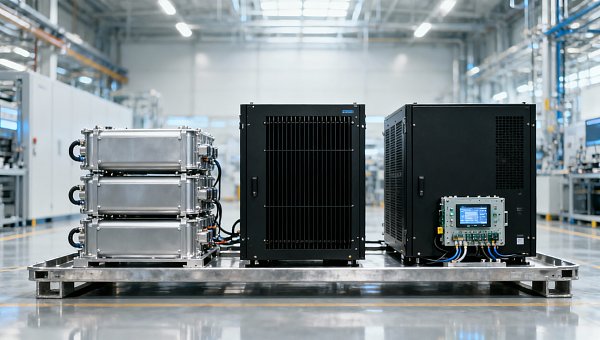
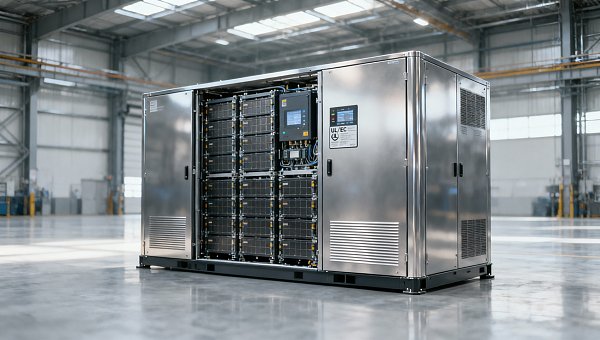
 Key Energy Storage Equipment Prices Drop ~80% in ChinaKey energy storage equipment prices in China dropped ~80% — PCS, BMS & liquid cooling units. Discover implications for compliance, margins & standards enforcement.
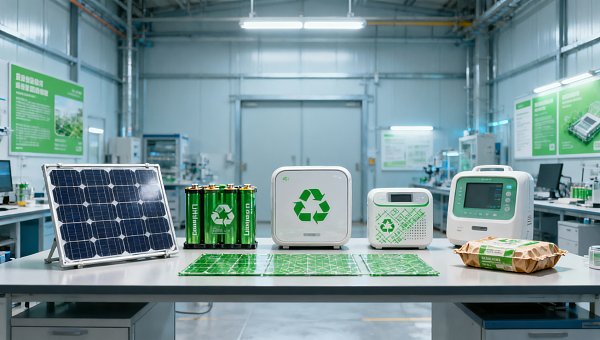
") China Releases Green Design Guidelines for Industrial Products (2026)China's 2026 Green Design Guidelines for industrial products—covering PV modules, lithium batteries & smart appliances—link eco-design to green factory certification and export tax rebates starting 2027.
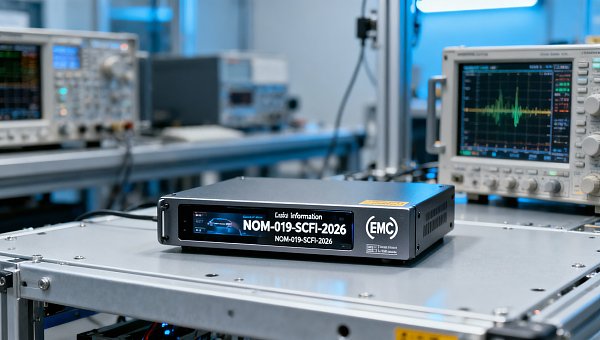
China Releases Green Design Guidelines for Industrial Products (2026)China's 2026 Green Design Guidelines for industrial products—covering PV modules, lithium batteries & smart appliances—link eco-design to green factory certification and export tax rebates starting 2027. Mexico NOM-019-SCFI-2026 Effective: Automotive Electronics Require New EMC CertificationMexico NOM-019-SCFI-2026 is live: Automotive electronics (infotainment, ADAS, domain controllers) now require mandatory EMC certification by July 31, 2026 — act now to avoid customs delays.
 Red Sea Detour Premium Rises to $1,850/TEU Amid Port Congestion ReliefRed Sea Detour Premium hits $1,850/TEU — now 43% of FE–NE freight rates. Discover why this structural surcharge demands urgent supply chain action.
 TÜV Rheinland Updates PLd Certification: EMC Immunity Now Mandatory for Servo DrivesTÜV Rheinland now mandates EN IEC 61000-6-2:2024 EMC immunity testing for PLd certification of servo drives—act before May 26, 2026 to avoid EU market delays.
 RCEP Green Packaging Mutual Recognition Effective Apr 26, 2026RCEP Green Packaging Mutual Recognition takes effect Apr 26, 2026—unlock faster customs clearance & cost savings for eco-friendly packaging exporters to AU, NZ, JP, KR.
 FDA Final Rule: AI Diagnostic Devices Must Submit Bias Impact ReportsFDA mandates AI diagnostic devices submit third-party-verified bias impact reports—key for 510(k)/De Novo submissions. Act now to ensure compliance & market access.
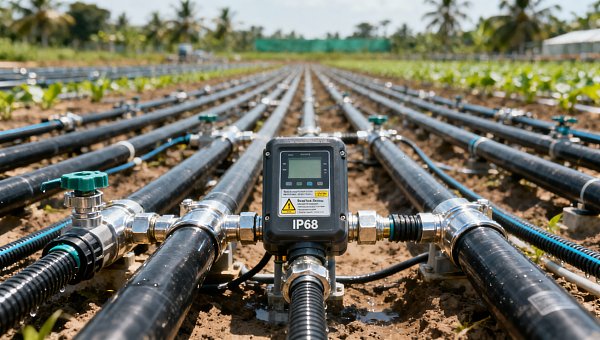
 Vietnam Suspends SASO Mutual Recognition for Chinese Irrigation EquipmentVietnam suspends SASO mutual recognition for Chinese irrigation equipment—urgent QCVN certification now required for drip tapes, sprinklers, valves & smart controllers.
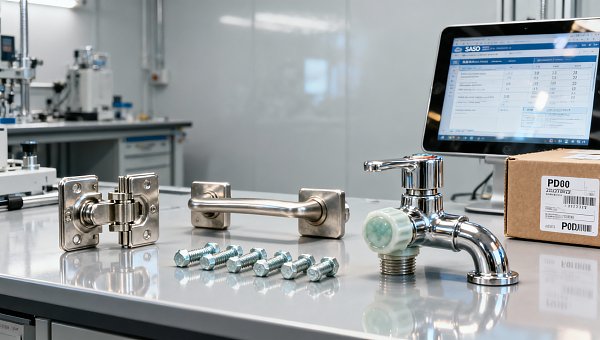
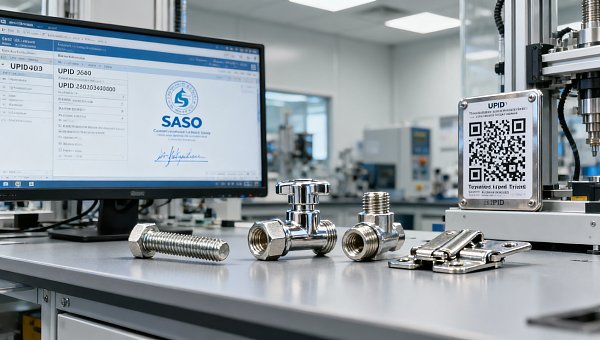
 SABER Phase II Launch: Building Hardware Must Submit Digital Type Test Reports & PIDSABER Phase II now requires digital type test reports & PID for building hardware — fasteners, door/window, bathroom fixtures. Avoid port rejection: ensure PID-bound compliance before shipment.
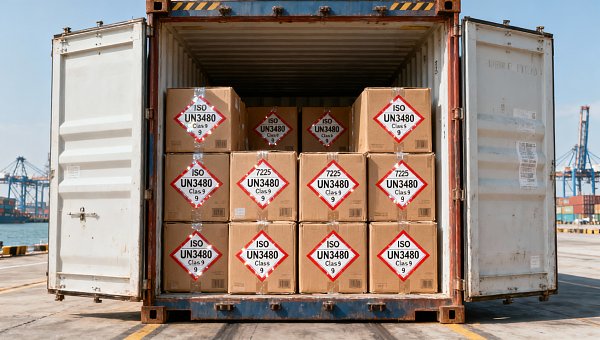
 IMDG Code 41-24 Enforced: UN3480 Lithium Batteries Require Class 9 LabelsUN3480 lithium batteries now require ISO 7225-compliant Class 9 labels under IMDG Code 41-24 — enforceable globally from 26 April 2026. Act now to avoid shipment delays!
 What Makes Sustainable Fashion Brands Worth Buying?Sustainable fashion brands deliver transparency, quality, and lower risk. See how a business intelligence platform helps buyers verify value, avoid greenwashing, and source smarter.
 How to Choose a Business Intelligence Platform in 2026?Business intelligence platform selection in 2026: compare data coverage, pricing insights, online trade platform signals, Cement price trends, and MRI scanners cost to choose smarter, faster.
 IMDG Code 41-24 Enforces UN3480 Class 9 Labeling for Lithium Battery Sea FreightIMDG Code 41-24 mandates UN3480 Class 9 labeling for lithium battery sea freight—avoid auto-rejection by DHL, Kuehne+Nagel & Sinotrans. Act now.
 ESS Key Equipment Prices Drop ~80%: Quality & Compliance RiseESS key equipment prices dropped ~80%—but quality & compliance are now critical. Discover how UL 9540A and IEC 62933-5-2 standards reshape global market access.
") China Releases Green Design Guide for Industrial Products (2026)China's new Green Design Guide (2026) offers 126 actionable solutions for solar, batteries & robotics—key for EU ESG compliance and export readiness.
China Releases Green Design Guide for Industrial Products (2026)China's new Green Design Guide (2026) offers 126 actionable solutions for solar, batteries & robotics—key for EU ESG compliance and export readiness. Vietnam Suspends SASO Mutual Recognition for Chinese Irrigation EquipmentVietnam suspends SASO mutual recognition for Chinese irrigation equipment—impacting spray controllers, fertigation systems & PE pipes. Act now to meet new local testing mandates.
 Mexico NOM-019-SCFI-2026 Effective: Automotive EMC Certification RequiredMexico NOM-019-SCFI-2026 is live: Automotive EMC certification now mandatory for all car electronics entering Mexico—avoid customs rejection. Act now!
 Red Sea Rerouting Now Normalized: Asia-Europe Freight Premium at $1,850/TEURed Sea rerouting is now normalized—Asia-Europe freight premium holds at $1,850/TEU. Critical for CNC, solar PV & EV accessory exporters. Read the strategic implications.
 SABER Phase II Launch: Building Hardware Must Submit Digital Type Test Reports & UPIDSABER Phase II is live: Building hardware exporters must now submit digital type test reports & UPID—avoid Jeddah port delays. Act now!
 FDA Final Rule: AI Diagnostic Devices Require Bias Assessment for US MarketFDA mandates bias assessment for AI diagnostic devices—key for portable ultrasound, dermatoscopes & fundus analyzers entering the US market. Act now to comply.
 RCEP Green Packaging Mutual Recognition Takes EffectRCEP Green Packaging Mutual Recognition is live: Chinese GB/T 37650–2023-certified packaging now bypasses retesting in Australia, NZ, Japan & SK — save time and costs.












Popular Tags
Global Trade Insights & Industry
Our mission is to empower global exporters and importers with data-driven insights that foster strategic growth.
Search News
Popular Tags
Industry Overview
The global commercial kitchen equipment market is projected to reach $112 billion by 2027. Driven by urbanization, the rise of e-commerce food delivery, and strict hygiene regulations.