

Radiators Cost More Than Expected for These Common Reasons
Radiators cost more than many buyers and vehicle owners expect, and the reasons often go beyond parts alone to include car maintenance cost, labor, materials, and supply chain shifts. For procurement teams, distributors, and market researchers tracking export import data for India, understanding how radiators cost is shaped by sheet metal forming, sheet metal welding, and CNC machining cost offers clearer insight into sourcing, pricing, and supplier evaluation.
Why radiator prices rise faster than buyers expect
A radiator is not a simple commodity item. Even when two units look similar, their final price can differ because of core thickness, tank material, tube density, welding method, machining tolerance, and packaging demands for domestic or export shipment. In automotive, industrial cooling, and aftermarket trade, these variables often shift total cost far beyond the visible part price.
For procurement personnel, the first challenge is separating direct material cost from total acquisition cost. Aluminum prices may move within short 2–4 week cycles, while freight, customs handling, and inspection expenses can change in parallel. A low ex-works quote may still result in a higher landed cost if the radiator requires rework, extra testing, or stronger export packaging.
Another common reason radiators cost more is production complexity. Sheet metal forming for brackets and side panels, sheet metal welding for joints, and CNC machining for mounting or threaded interfaces each add labor hours and quality control steps. When tolerances tighten to fit specific engine bays or equipment housings, scrap rates and setup time also increase.
For distributors and business evaluators, price movement is also a market signal. If multiple suppliers raise quotations within 30–90 days, the cause may point to input materials, energy cost, lower production efficiency, or upstream supply disruption rather than simple margin expansion. That is why radiator cost analysis should always include both factory process and trade flow context.
The most common cost drivers in practical sourcing
- Material selection: aluminum, copper-brass, and mixed assemblies carry different input costs, corrosion behavior, and recycling value.
- Fabrication route: stamping, brazing, welding, and CNC finishing affect cycle time, consistency, and labor intensity.
- Order volume: prototype, small batch, and mass production often have very different per-unit tooling allocation.
- Supply chain risk: freight volatility, export documentation, and port delays can turn a competitive quote into an expensive procurement outcome.
Which manufacturing steps have the biggest impact on radiator cost?
Many buyers focus on the radiator core and overlook the process stack behind it. In reality, manufacturing cost is often built in layers. A supplier may begin with coil or sheet preparation, continue to stamping or sheet metal forming, move into fin and tube assembly, then use controlled welding or brazing before performing leak testing, machining, surface finishing, and packing. Each stage creates a cost point.
Sheet metal forming affects cost whenever custom brackets, shrouds, side plates, or mounting supports are required. If a project needs multiple bends, tighter dimensional control, or dedicated tooling, the setup burden becomes significant, especially for low-volume orders under 200 units. Tool wear, operator skill, and inspection frequency all influence consistency and reject rate.
Sheet metal welding has a similar effect. Welding is not just a joining task; it is a quality risk point. Heat distortion, pinhole leakage, and inconsistent seam finish can lead to additional test cycles or rework. In sectors where durability matters, suppliers may add pressure tests, visual inspection, and batch traceability. These are necessary controls, but they raise the unit cost.
CNC machining cost becomes visible when the radiator includes precision ports, threads, sensor seats, or special flange geometry. Machining time can vary from a few minutes to over 20 minutes per piece depending on material hardness, feature count, and fixture design. For custom export orders, this step is often underestimated in early budgeting.
Process comparison for procurement review
The table below helps sourcing teams compare how different manufacturing activities influence radiator prices, lead times, and supplier evaluation. It is useful when reviewing quotations from multiple factories or when checking whether a higher price is justified by process depth.
From a purchasing standpoint, the right question is not whether a radiator quote is high or low in isolation. The better question is whether the process route, risk controls, and expected failure cost match the application. In many cases, a quote that is 8%–15% higher can still produce a lower total ownership cost if it reduces leakage claims, fitment issues, or delayed shipments.
Three checkpoints before accepting a quotation
- Ask whether tooling, fixtures, and prototype validation are included or billed separately over 1–3 production lots.
- Confirm if leak testing is done on every unit, every batch, or only on samples, because this changes risk exposure.
- Check if machining dimensions are standard or customized, especially for ports, mounts, and sensor interfaces.
How should buyers compare radiator materials, build types, and cost alternatives?
Material choice is one of the clearest reasons radiators cost more than expected. Aluminum radiators are common because they balance weight, manufacturability, and heat transfer for many automotive and industrial uses. Copper-brass options may carry a higher material burden but can remain relevant in repairable systems or applications where traditional service networks are established.
Build type also changes cost. Plastic tank and aluminum core assemblies can be cost-efficient in high-volume production, but all-metal welded radiators often perform better in harsher duty cycles or commercial environments. That said, stronger construction usually adds welding hours, pressure verification, and material thickness. Buyers should not compare these types on unit price alone.
There is also a difference between replacement-market buying and project-based sourcing. In the aftermarket, the goal is often availability within 3–7 days and acceptable compatibility. In OEM or industrial procurement, fit, thermal performance, and documentation may matter more than immediate price. This is where many distributors misread quotations and underestimate cost drivers.
For business evaluators and market researchers studying export import data for India, shifts in radiator material mix can reveal broader pricing pressure. If imports lean toward assembled aluminum units while local fabrication focuses on repairs or bracket fabrication, the cost structure will differ across channels. Understanding those patterns helps distinguish temporary price spikes from structural sourcing changes.
Material and configuration comparison
The following comparison is useful for distributors, importers, and sourcing managers who need to judge not just price, but suitability, repair implications, and cost exposure over the product life cycle.
This comparison shows why “cheapest radiator” is often the wrong search query for B2B buyers. A better approach is to define duty cycle, compatibility window, expected service life, and replacement frequency over 12–36 months. Once those parameters are clear, a more expensive build may become the lower-risk commercial choice.
When lower upfront price becomes a higher downstream cost
- Frequent fitment issues can create workshop delays, return handling, and additional labor for installers or dealers.
- Inconsistent weld quality may not fail at receiving inspection but can result in leakage after thermal cycling.
- Weak export packaging can increase dent risk during multi-leg shipment, especially over 15–30 day sea transit.
- Undocumented design changes between batches may disrupt repeat ordering and inventory planning.
What should procurement teams check before placing a radiator order?
A disciplined buying process reduces surprise cost. Before approving a supplier, procurement teams should confirm 5 key areas: technical fit, process capability, lead time realism, inspection method, and trade documentation. This is especially important for buyers managing several SKUs across distributors, repair channels, or cross-border sourcing programs.
Technical fit should cover core size, inlet and outlet location, mounting geometry, thread specification, and clearance constraints. If even one interface differs, the buyer may face returns or installation failure. Where drawings are available, tolerance checks should be clarified early. For custom work, a pilot sample cycle of 7–15 days is common before batch release.
Lead time should be broken into phases rather than accepted as a single promise. For example, 3–5 days for material preparation, 7–12 days for fabrication and testing, and another 3–10 days for packaging and dispatch can be more realistic than a flat quote. This structure helps business evaluators judge whether a supplier is overpromising.
Documentation matters too. For international trade, buyers may need packing lists, origin data, part marking consistency, or agreed inspection records. Even in the absence of product-specific certification requirements, documentation discipline improves traceability. That is one reason information platforms like GTIIN and TradeVantage add value: they help procurement teams connect quote review with broader market and supplier intelligence.
Radiator supplier evaluation checklist
Use the checklist below when comparing suppliers or validating whether a higher radiator cost is supported by measurable procurement value rather than vague claims.
A structured checklist turns price comparison into risk comparison. This is crucial for distributors and agents managing multiple supply options, because a lower quote is only attractive when it does not create warranty, delivery, or reputation problems later in the channel.
Four practical buying recommendations
- Request both unit price and total landed cost, including packaging upgrades, machining surcharges, and inspection fees.
- For new suppliers, start with a small validation batch before committing to quarterly volume.
- Track quotation validity windows carefully because metal and freight inputs may change within 14–30 days.
- Align technical review with commercial review so that hidden customization does not appear only after PO release.
Common misconceptions, market signals, and sourcing FAQs
One frequent misconception is that radiator cost is driven mainly by raw material. Material matters, but labor mix, production yield, test burden, and logistics can be just as important. Another misconception is that all aftermarket radiators are comparable if the outer dimensions match. In practice, tube count, fin density, weld integrity, and tank quality often separate reliable supply from costly returns.
Buyers also misread market signals. A sudden quotation increase does not always indicate supplier opportunism. It may reflect unstable metal input, slower transit, or smaller efficient batch sizes. For market researchers following export import data for India and other trade corridors, these changes should be read alongside sourcing patterns, replacement demand, and manufacturing migration trends.
In a broader B2B context, radiator pricing is a useful indicator of industrial health. When quotation pressure appears together with longer lead times and stricter order minimums, it often suggests upstream capacity strain. Platforms that aggregate sector intelligence across 50+ industries help users place radiator cost in that wider trade picture instead of treating it as an isolated product issue.
That is particularly relevant for distributors, sourcing teams, and business assessment professionals who need more than a one-time quote. They need context: supplier reliability, regional movement, production method, and search visibility around industrial brands. GTIIN and TradeVantage support that need by connecting product-level inquiry with ongoing market intelligence and trade-oriented content exposure.
FAQ: the questions buyers ask most often
How do I know if a radiator quote is unusually high?
Compare at least 3 dimensions, not just one number: material type, fabrication method, and test scope. Then review lead time and packaging. If one supplier offers welded aluminum construction, custom machined ports, and full leak testing, the quote may reasonably exceed a standard replacement unit by 10%–25% depending on volume and complexity.
What order size usually gives better radiator pricing?
Pricing usually improves when tooling, setup, and test effort are spread across more units. Prototype and very small batches often carry the highest per-unit cost. Medium runs can offer better balance, while large recurring orders may secure more stable pricing if specifications remain unchanged over several production cycles.
Which cost item is most often overlooked in radiator sourcing?
Custom processing is often underestimated. Buyers notice material price first, but special brackets, welding complexity, and CNC machining cost can materially change the quotation. Export packaging and claim risk are also overlooked. A cheaper unit can become expensive if damage, fitment failure, or leakage creates return and service costs across the channel.
How long does radiator procurement usually take?
For standard items in active inventory, fulfillment may happen within 3–7 days. For customized or validated orders, a more realistic range is 2–4 weeks including drawing confirmation, production, testing, and export packing. Complex designs with new tooling or sample approval can extend beyond that range.
Why work with us for radiator market insight and sourcing evaluation
For buyers, distributors, and commercial evaluators, the real difficulty is not finding a radiator supplier. It is understanding why radiators cost what they do, how those costs change by process and region, and which quotations support long-term channel performance. GTIIN addresses that gap through real-time industrial information, trade-oriented analysis, and cross-sector visibility built for international B2B decision-making.
TradeVantage adds another layer of value by turning industry information into a practical business resource. Whether you are assessing export import data for India, comparing supplier exposure across markets, or evaluating how sheet metal forming, sheet metal welding, and CNC machining cost affect radiator pricing, our platform helps connect product questions with wider sourcing intelligence.
You can contact us for focused support on quotation benchmarking, product selection logic, delivery cycle assessment, custom specification review, packaging and documentation considerations, and supplier visibility analysis. This is especially useful when you need to compare multiple radiator offers within a short procurement window of 7–15 days or prepare a business case for internal approval.
If your team needs clearer guidance on radiator cost structure, sourcing alternatives, sample planning, or market positioning, reach out with your target application, expected order volume, technical drawings, and delivery timeline. We can help you narrow supplier options, identify hidden cost drivers, and build a more informed purchasing path based on data rather than guesswork.
Recommended News
 IMDG Code 41-24 Enforces UN3480 Class 9 Labeling for Lithium Battery Sea FreightIMDG Code 41-24 mandates UN3480 lithium battery sea freight to display durable Class 9 labels from April 27, 2026—avoid delays & port rejections.
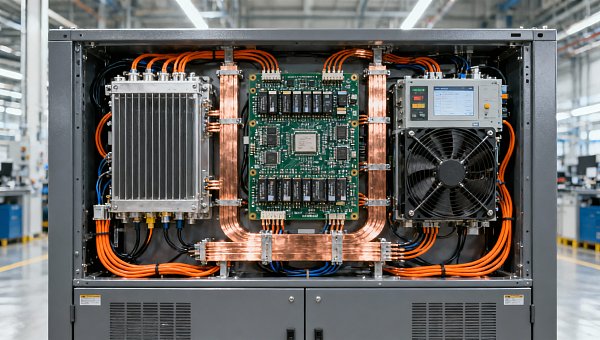
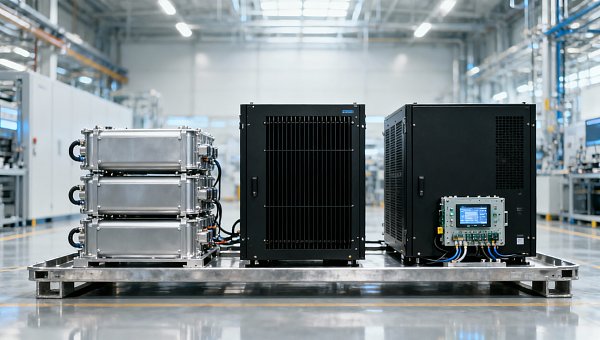
 ESS Key Component Prices Drop ~80%: Quality & Compliance RiseESS key component prices dropped ~80%—but quality & compliance demands surged. Discover how UL 9540A, AS/NZS 5139, and certified BMS/inverters now define market access.
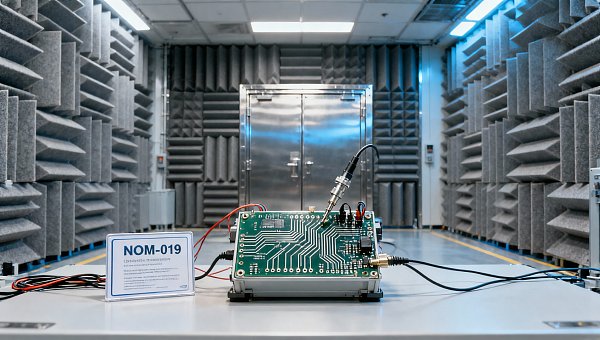
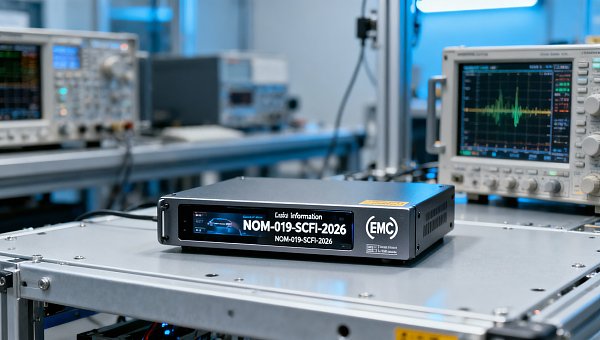
 Mexico NOM-019-SCFI-2026 Effective July 2026: EMC Certification Mandatory for Auto ElectronicsMexico NOM-019-SCFI-2026 mandates EMC certification for auto electronics from July 2026 — ensure compliance now to avoid supply chain disruption & customs delays.
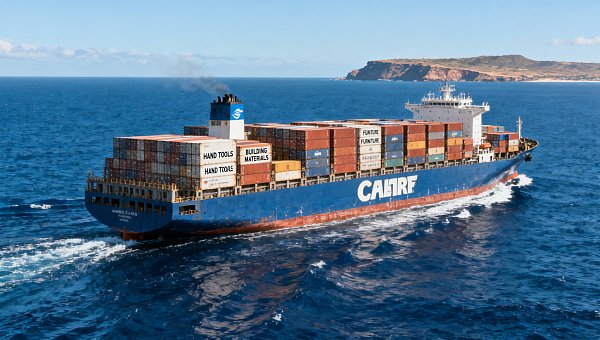
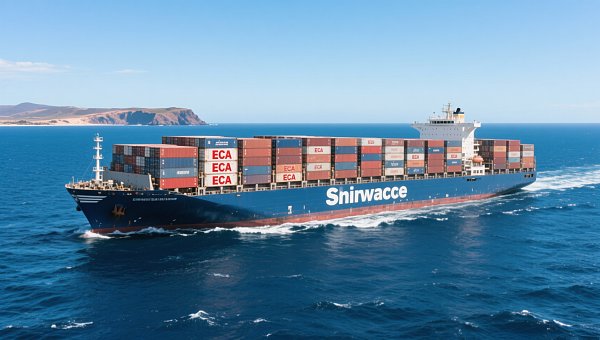
 Red Sea Rerouting Normalized, ECA Surcharge Hits $1,850/TEURed Sea rerouting normalized: ECA surcharge hits $1,850/TEU — 47% of total freight cost. Impacting hand tools, building materials & furniture exporters to Europe. Act now.
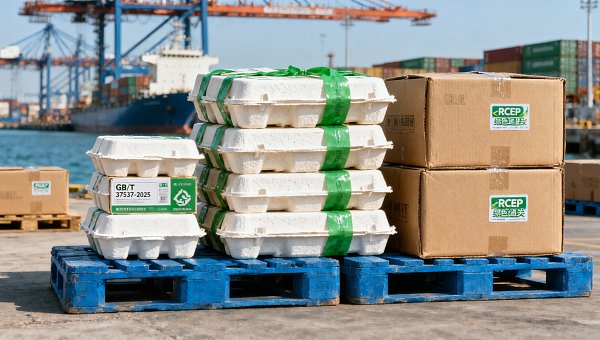
 RCEP Green Packaging Mutual Recognition Takes EffectRCEP Green Packaging Mutual Recognition is live—GB/T 37537-2025–certified packaging now enjoys fast-track clearance in Australia, NZ, Japan & Korea. Save time, cut costs, and boost export efficiency.
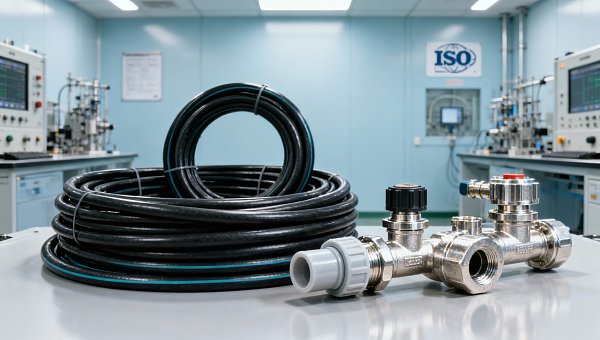
 Vietnam Suspends SASO Mutual Recognition for Chinese Irrigation EquipmentVietnam suspends SASO mutual recognition for Chinese irrigation equipment—drip tapes, PE fittings, auto valves now require VINAQ-IR certification. Act now to avoid delays & customs hold.
 Key Energy Storage Equipment Prices Drop ~80% in ChinaKey energy storage equipment prices in China dropped ~80% — PCS, BMS & liquid cooling units. Discover implications for compliance, margins & standards enforcement.
") China Releases Green Design Guidelines for Industrial Products (2026)China's 2026 Green Design Guidelines for industrial products—covering PV modules, lithium batteries & smart appliances—link eco-design to green factory certification and export tax rebates starting 2027.
China Releases Green Design Guidelines for Industrial Products (2026)China's 2026 Green Design Guidelines for industrial products—covering PV modules, lithium batteries & smart appliances—link eco-design to green factory certification and export tax rebates starting 2027. Mexico NOM-019-SCFI-2026 Effective: Automotive Electronics Require New EMC CertificationMexico NOM-019-SCFI-2026 is live: Automotive electronics (infotainment, ADAS, domain controllers) now require mandatory EMC certification by July 31, 2026 — act now to avoid customs delays.
 Red Sea Detour Premium Rises to $1,850/TEU Amid Port Congestion ReliefRed Sea Detour Premium hits $1,850/TEU — now 43% of FE–NE freight rates. Discover why this structural surcharge demands urgent supply chain action.
 TÜV Rheinland Updates PLd Certification: EMC Immunity Now Mandatory for Servo DrivesTÜV Rheinland now mandates EN IEC 61000-6-2:2024 EMC immunity testing for PLd certification of servo drives—act before May 26, 2026 to avoid EU market delays.
 RCEP Green Packaging Mutual Recognition Effective Apr 26, 2026RCEP Green Packaging Mutual Recognition takes effect Apr 26, 2026—unlock faster customs clearance & cost savings for eco-friendly packaging exporters to AU, NZ, JP, KR.
 FDA Final Rule: AI Diagnostic Devices Must Submit Bias Impact ReportsFDA mandates AI diagnostic devices submit third-party-verified bias impact reports—key for 510(k)/De Novo submissions. Act now to ensure compliance & market access.
 Vietnam Suspends SASO Mutual Recognition for Chinese Irrigation EquipmentVietnam suspends SASO mutual recognition for Chinese irrigation equipment—urgent QCVN certification now required for drip tapes, sprinklers, valves & smart controllers.
 SABER Phase II Launch: Building Hardware Must Submit Digital Type Test Reports & PIDSABER Phase II now requires digital type test reports & PID for building hardware — fasteners, door/window, bathroom fixtures. Avoid port rejection: ensure PID-bound compliance before shipment.
 IMDG Code 41-24 Enforced: UN3480 Lithium Batteries Require Class 9 LabelsUN3480 lithium batteries now require ISO 7225-compliant Class 9 labels under IMDG Code 41-24 — enforceable globally from 26 April 2026. Act now to avoid shipment delays!
 How to Compare an Online Trade Platform Before Signing Up?Compare an online trade platform with confidence—evaluate data quality, supplier trust, market insights, and search tools for smarter sourcing across cement price, MRI scanners cost, and more.
 Which Smart Home Automation Devices Are Easiest to Use?Smart home automation devices made simple: compare easy-to-use smart home automation devices, home improvement tools integration, and buyer tips from a business intelligence platform.
 Are Auto Detailing Services Worth the Cost?Auto detailing services: discover if the cost is justified, how pricing varies, and how a business intelligence platform helps buyers compare value, quality, and long-term ROI.
 What Makes Sustainable Fashion Brands Worth Buying?Sustainable fashion brands deliver transparency, quality, and lower risk. See how a business intelligence platform helps buyers verify value, avoid greenwashing, and source smarter.
 How to Choose a Business Intelligence Platform in 2026?Business intelligence platform selection in 2026: compare data coverage, pricing insights, online trade platform signals, Cement price trends, and MRI scanners cost to choose smarter, faster.










Popular Tags
Global Trade Insights & Industry
Our mission is to empower global exporters and importers with data-driven insights that foster strategic growth.
Search News
Popular Tags
Industry Overview
The global commercial kitchen equipment market is projected to reach $112 billion by 2027. Driven by urbanization, the rise of e-commerce food delivery, and strict hygiene regulations.