

What Should You Ask Before Booking Auto Detailing Services?
Before booking auto detailing services, ask about five things first: exactly what is included, how pricing is calculated, which products and tools will be used, who will perform the work, and what results are realistically possible for your vehicle. That short list helps both individual vehicle owners and business buyers avoid overpaying for vague packages or being disappointed by outcomes that were never promised. For readers researching through a business intelligence platform or online trade platform, the real goal is not just to find a provider—it is to compare quality, risk, and value with confidence.
Auto detailing can range from a basic wash-and-vacuum to paint correction, ceramic coating, odor removal, engine bay cleaning, fleet maintenance, and interior protection. Because service definitions vary widely between providers, the best buying decision comes from asking precise questions before you book. The points below will help you evaluate suppliers, compare quotes, and understand whether a detailing service fits your vehicle condition, usage, and budget.
What exactly is included in the auto detailing service?
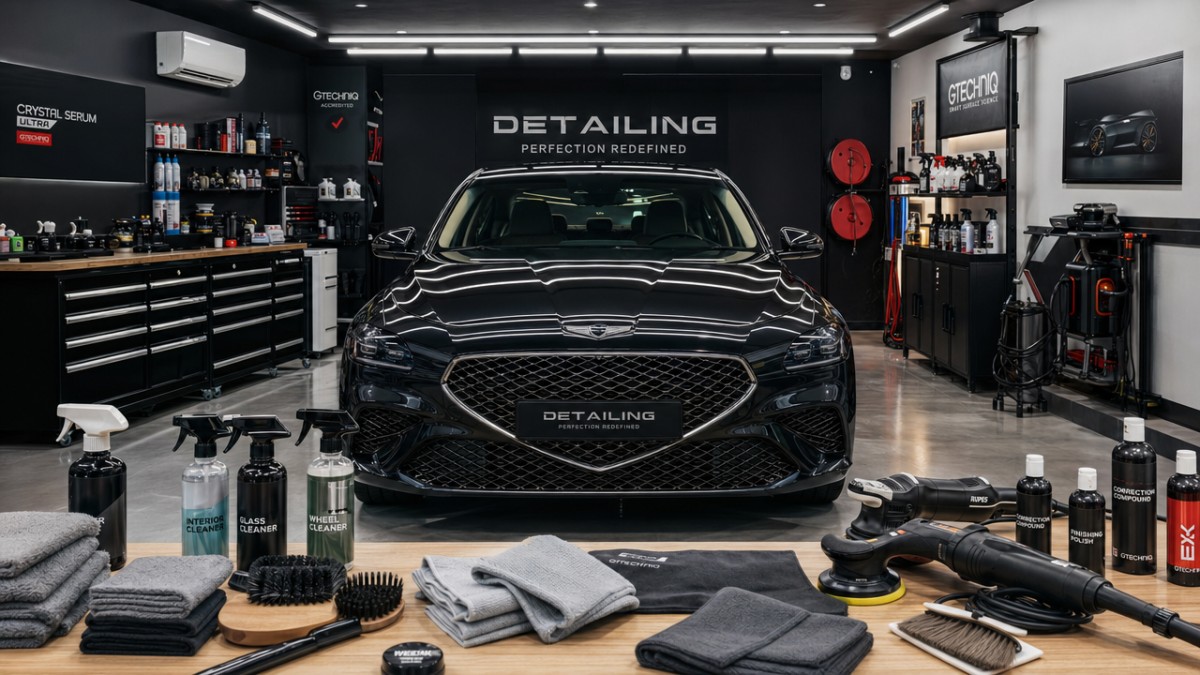
This is the first and most important question because “auto detailing services” is a broad term. One provider’s “full detail” may be another provider’s “premium wash.” Before agreeing to a booking, ask for a written breakdown of tasks.
Key items to clarify include:
- Exterior wash method and drying process
- Clay bar treatment or surface decontamination
- Wax, sealant, or ceramic coating application
- Paint polishing or paint correction level
- Wheel, tire, and wheel-well cleaning
- Interior vacuuming, shampooing, steam cleaning, or leather treatment
- Glass cleaning and water-spot removal
- Engine bay cleaning
- Odor treatment or sanitization
If you are a procurement professional, fleet manager, distributor, or project decision-maker, this matters even more because service scope affects quote comparability. A low price may simply mean fewer tasks, cheaper chemicals, or no corrective work. Ask the provider to explain what is not included as clearly as what is included.
A useful question is: “Can you give me an itemized service checklist for this package?” That single request often reveals whether a provider is transparent and process-driven.
How is the price calculated, and what could increase the final cost?
Pricing transparency is one of the biggest factors in customer satisfaction. Detailing prices can vary based on vehicle size, condition, contamination level, interior material, service time, and the grade of products used. For business buyers managing multiple vehicles, hidden add-ons can quickly turn a reasonable quote into an expensive contract.
Ask these questions before booking:
- Is pricing based on vehicle size, condition, or package level?
- Are pet hair, stains, mold, sap, overspray, or heavy oxidation extra?
- Is there a separate charge for paint correction, headlight restoration, or scratch removal?
- Are mobile service fees included?
- Will there be extra charges if the job takes longer than expected?
- Is maintenance pricing available for repeat service or fleet volume?
For cost-conscious decision-makers, the best value is not always the lowest quote. Compare the expected result, labor time, technician skill, and product quality. A slightly higher-priced detailer may deliver longer-lasting protection and lower rework risk, which improves total value.
If you are comparing providers on a trade or sourcing platform, try to normalize quotes by requesting the same service checklist from each supplier. That makes the comparison more objective.
What products, equipment, and methods will be used on the vehicle?
Not all detailing products and processes are equal. Some shops use premium pH-balanced cleaners, dual-action polishers, safe drying towels, and professional-grade coatings. Others may use aggressive chemicals or low-grade materials that create swirl marks, trim fading, or interior damage.
Important things to ask include:
- Are the cleaning products safe for clear coat, leather, vinyl, matte finishes, and sensitive interiors?
- Do you use steam, extraction, machine polishing, or hand application?
- What brand or type of wax, sealant, or ceramic coating do you apply?
- Are your chemicals environmentally compliant or low-residue?
- How do you prevent scratches during washing and drying?
This is especially relevant for technical evaluators, quality control teams, and safety managers. If the vehicle has special surfaces—such as matte paint, wrapped panels, soft leather, or aftermarket coatings—the wrong method can cause avoidable damage. Asking about process control also helps you identify whether the provider follows professional standards instead of relying on vague marketing claims.
A good provider should be able to explain why a certain product or method is suitable for your vehicle condition. If the answer is unclear or overly generic, that is a warning sign.
Who will perform the work, and what experience do they have?
Detailing results depend heavily on technician skill. The same package can produce very different outcomes depending on who does the work. This is particularly important for paint correction, ceramic coating, stain removal, and odor remediation, where inexperience can lead to poor finish quality or surface damage.
Ask the provider:
- How long have your technicians been doing detailing work?
- Are they trained for paint correction, coating application, or specialty interiors?
- Do you have before-and-after examples of similar vehicles?
- Are your procedures standardized across staff?
- Who handles complaints or rework if results are below expectation?
For commercial users, dealers, or fleet operators, consistency matters as much as one-time quality. If you plan recurring service, ask whether the same team will handle your vehicles and whether the provider has documented workflows. Repeatability is a major indicator of supplier reliability.
What results should you realistically expect?
One of the most common misunderstandings in auto detailing is the gap between customer expectations and actual outcomes. Detailing can significantly improve appearance, cleanliness, and protection, but it cannot always restore a vehicle to like-new condition. Deep scratches, etched water spots, paint failure, torn upholstery, and permanent staining may require repair rather than detailing.
Before booking, ask:
- What visible improvements are realistic for my vehicle’s condition?
- Will scratches, swirl marks, stains, or odors be fully removed or only reduced?
- How long will the protective effect last?
- What maintenance is required after the service?
- Do you offer any workmanship guarantee?
This question protects both buyers and providers. It creates a shared definition of success. For purchasing managers or business evaluators, it also reduces dispute risk because expectations are aligned before service starts.
If possible, send current photos of the vehicle in advance. That helps the provider assess condition more accurately and gives you a more realistic quote and result estimate.
How long will the service take, and what operational impact should you plan for?
Timing matters for both individual users and organizations. A simple interior/exterior detail may take a few hours, while paint correction or ceramic coating can take a full day or longer. For fleets, sales vehicles, transport units, or executive cars, downtime affects operations.
Questions to ask include:
- How many hours or days will the service require?
- Do curing times apply for coatings or specialty treatments?
- Is same-day delivery realistic?
- Can the provider handle multiple vehicles on schedule?
- What happens if weather affects a mobile detailing appointment?
Project managers and business decision-makers should also ask whether the provider can support scheduling windows, site access rules, or phased vehicle intake. Operational fit is often as important as technical quality.
What are the signs of a trustworthy detailing provider?
When comparing auto detailing services, trust signals matter. A credible provider should be able to demonstrate professionalism, not just advertise it.
Look for signs such as:
- Clear service descriptions
- Transparent pricing structure
- Consistent customer reviews
- Before-and-after documentation
- Professional communication and inspection process
- Willingness to explain limitations and risks
- Clean working environment and proper tools
For B2B readers using an industry intelligence portal or online trade platform, these trust signals can be evaluated the same way you would screen other service suppliers: verify consistency, compare scope, review proof of work, and check responsiveness. If a provider avoids specifics or pressures you to book quickly without assessment, proceed carefully.
A practical checklist: questions to ask before booking auto detailing services
If you want a simple decision tool, use this checklist:
- What exactly is included in the package?
- What is excluded?
- How is the final price calculated?
- What extra charges are common?
- What products and equipment will be used?
- Are the methods safe for my vehicle’s materials and finish?
- Who will do the work, and what experience do they have?
- What results are realistic for my vehicle’s current condition?
- How long will the service take?
- Is there any guarantee, rework policy, or aftercare guidance?
These questions help you move beyond marketing language and judge service quality in a more structured way.
Conclusion
The best way to choose auto detailing services is to ask focused questions before booking, not after problems appear. Start with service scope, pricing logic, technician capability, products used, and realistic outcomes. Those five areas reveal most of what you need to know about value, risk, and provider professionalism.
For individual customers, that means cleaner results and fewer disappointments. For fleet operators, procurement teams, technical reviewers, and business decision-makers, it means better supplier comparison, stronger cost control, and more reliable service quality. In short, the right questions turn auto detailing from a vague purchase into an informed decision.
Recommended News
 CDE Adds 74 International Experts to Accelerate MedTech Export RegistrationCDE adds 74 international experts to accelerate MedTech export registration—key for IVD, imaging & rehab device exporters targeting FDA, EU MDR, Health Canada.
 MIIT Launches Space-Ground Computing & Green Data Center Export PlanMIIT's Space-Ground Computing & Green Data Center Export Plan unlocks global opportunities for liquid-cooled servers, PV direct-drive power, and satellite-ground scheduling—learn key impacts now.
 2026 Bio-based Raw Material Supplier Guide ReleasedBio-based raw material supplier guide 2026: Discover 47 ISO 16128-certified Chinese PLA, PBAT & PHA suppliers trusted by CBL, BPI & JIS.
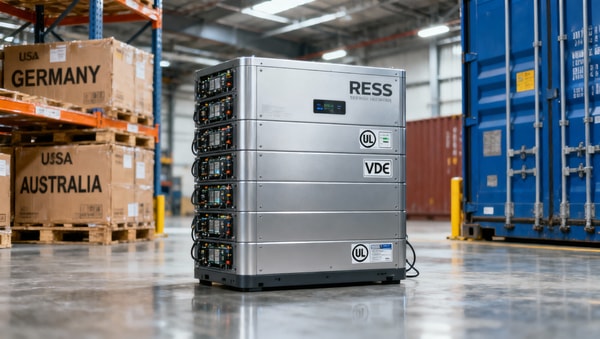
 Q1 2026 Lithium Battery Export Prices Rise 11.3% YoYQ1 2026 Lithium Battery Export Prices Rise 11.3% YoY — discover why residential energy storage systems (RESS) drove the surge and what it means for exporters, suppliers & integrators.
 ‘Modular-Data Resonance’ Initiative Launches AI+Manufacturing Interface StandardModular-Data Resonance standard GB/T 45288-2026 launches AI+manufacturing interoperability—key for smart equipment exporters, MES/SCADA & AI model developers targeting EU/US markets.
 China's First Embodied AI Robot Export Liability Insurance Launched in GuangxiChina's first Embodied AI Robot Export Liability Insurance launched in Guangxi—key for robotics exporters targeting EU & SEA markets. Get compliant, certified, and covered.
 State Grid Launches $682M Embodied AI Inspection Equipment ProcurementState Grid’s $940M embodied AI inspection tender mandates IEC 62443-4-2 & ISO 13482 certs—key for robotics makers and global compliance teams. Act now.
 WeChat Pay Cross-Border B2B QR Code Live in 5 ASEAN CountriesWeChat Pay Cross-Border B2B QR Code is now live in 5 ASEAN countries — enabling fast, low-cost, local-currency settlements for SMEs and trade firms. Discover how it cuts costs by 47% and accelerates procurement.
 RCEP Green Packaging Mutual Recognition Extended to AU, NZ, JP, KRRCEP Green Packaging Mutual Recognition now extends to AU, NZ, JP, KR — unlock faster customs clearance & zero on-site inspection for compliant Chinese food packaging exports.
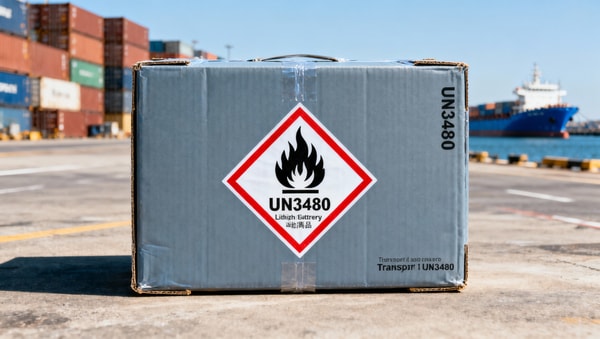
 IMDG Code 41-24 Enforces UN3480 Lithium Battery Labeling GloballyIMDG Code 41-24 enforces global UN3480 lithium battery labeling, packaging & e-CMR rules from 1 May 2026—act now to avoid port rejections and delays.
 Medical diagnostic equipment buying mistakes often start with workflowMedical diagnostic equipment buying mistakes often begin with workflow gaps. Learn how to compare systems, uncover hidden costs, and choose suppliers that fit real clinical operations.
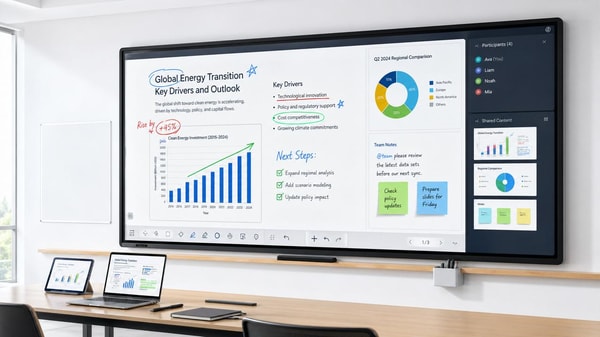
 Interactive whiteboards are improving, but teacher adoption is unevenInteractive whiteboards are improving fast, but teacher adoption remains uneven. Explore what drives classroom success, ROI, and smarter edtech implementation.
 Portable oxygen concentrators: what noise levels feel acceptable?Portable oxygen concentrators: discover what noise levels feel acceptable for sleep, travel, work, and home use, with practical guidance to choose a quieter, more comfortable model.
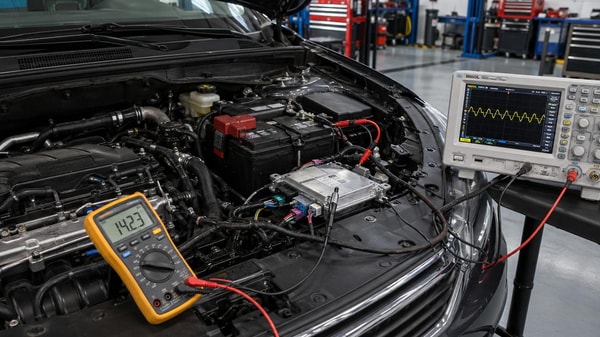
 Car electronics failures often start with power instabilityCar electronics issues often begin with hidden power instability. Learn how voltage drops, ripple, and weak grounds cause faults—and how smarter diagnostics cut repair time and repeat failures.
 Telemedicine hardware works best when setup friction is lowTelemedicine hardware works best with low setup friction. Discover how faster deployment, easier operation, and scenario-based selection improve care efficiency and service quality.
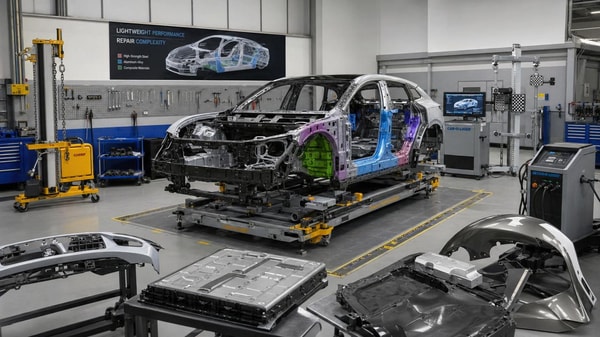
 Are light-weighting vehicle materials worth the repair tradeoff?Light-weighting vehicle materials: Are efficiency gains worth higher repair costs? Explore lifecycle impact, EV value, downtime risks, and smarter sourcing decisions.
 Educational robots in class: novelty or lasting value?Educational robots are moving beyond classroom novelty. Discover how they create lasting value through STEM learning, scalability, and smarter school purchasing decisions.
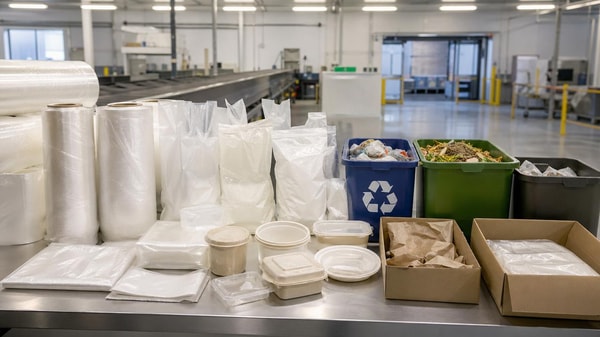
 Biodegradable plastics fail when disposal assumptions are wrongBiodegradable plastics can fail when real disposal systems do not match design assumptions. Learn the compliance, contamination, and claim risks before they damage trust.
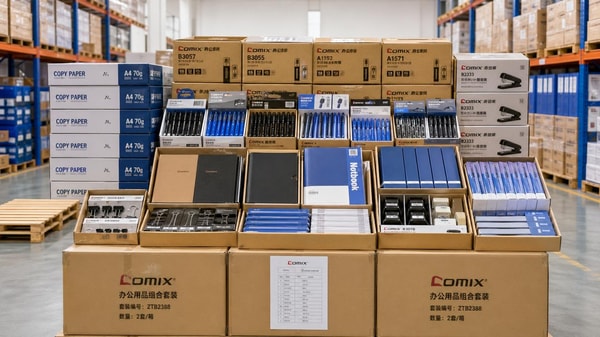
 Office stationery wholesale margins depend on boring detailsOffice stationery wholesale margins are won in the details—packaging, MOQ, freight, and SKU rotation. Learn how distributors protect profit and reduce hidden cost leakage.
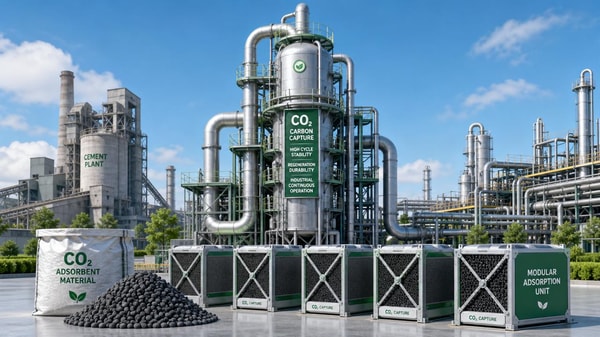
 Carbon capture materials are improving, but durability still mattersCarbon capture materials are improving, but durability still decides ROI. Explore cycle stability, regeneration resilience, and supplier evaluation factors for reliable industrial deployment.
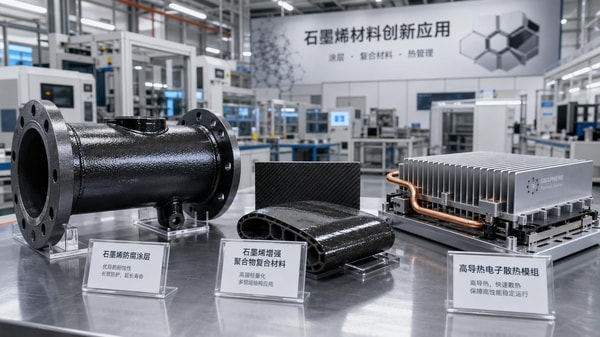
 Which graphene applications in industry are moving beyond pilots?Graphene applications in industry are moving beyond pilots fastest in coatings, composites, thermal management, sensors, and energy storage. See where commercialization is gaining traction.












Popular Tags
Global Trade Insights & Industry
Our mission is to empower global exporters and importers with data-driven insights that foster strategic growth.
Search News
Popular Tags
Industry Overview
The global commercial kitchen equipment market is projected to reach $112 billion by 2027. Driven by urbanization, the rise of e-commerce food delivery, and strict hygiene regulations.