

Carbon capture materials are improving, but durability still matters
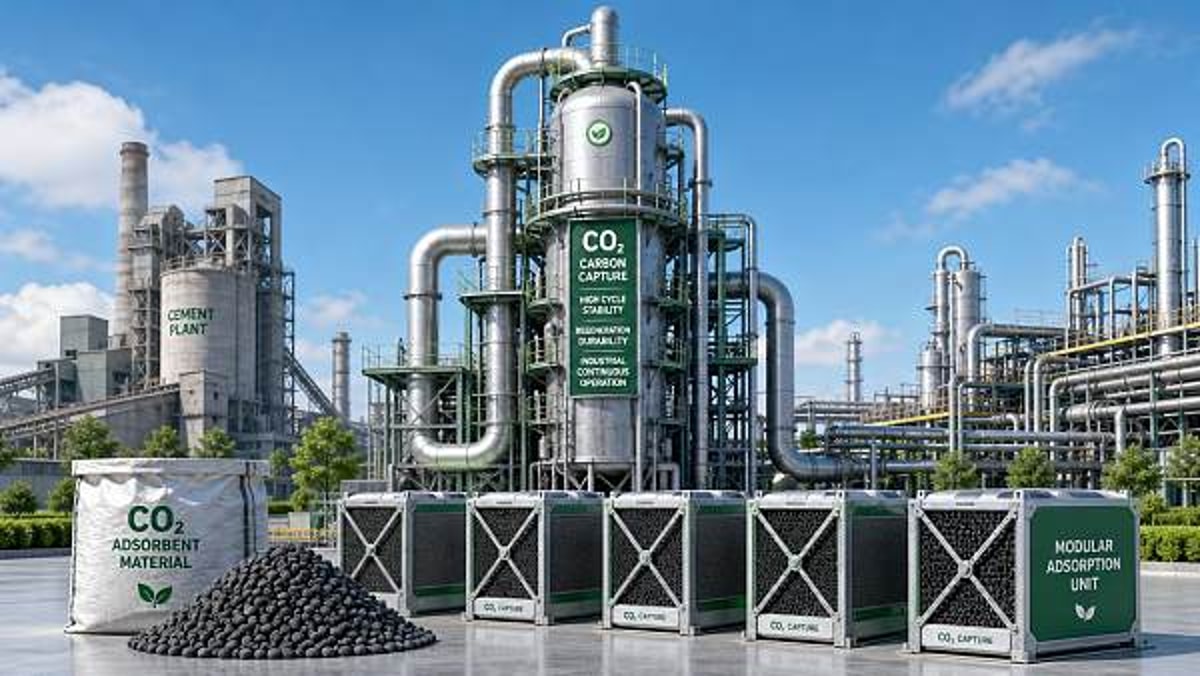
Carbon capture materials are advancing quickly, offering higher uptake, lower energy penalties, and broader deployment potential across industrial settings. Yet for technical evaluators, performance gains mean little without proven durability under real operating cycles. This article examines why long-term stability, regeneration resilience, and lifecycle economics remain critical when assessing next-generation carbon capture materials for scalable, reliable use.
Why durability is now the key question for Carbon capture materials
For many buyers and technical screening teams, the first comparison point is still capture capacity. That is understandable, but incomplete. Carbon capture materials may look promising in early-stage data sheets, yet actual selection decisions depend on whether they can maintain performance over hundreds or thousands of adsorption-desorption cycles, under variable temperature, moisture, pressure, and contaminant exposure.
In practical B2B deployment, especially across cement, steel, chemicals, power, refining, and waste-to-energy applications, the operating window is rarely stable for long. A sorbent that performs well in a 24-hour laboratory run may degrade significantly over 3–12 months of field operation. For technical evaluators, this creates a familiar procurement problem: high headline efficiency but uncertain long-term return.
Durability matters because replacement frequency directly affects shutdown planning, maintenance cost, and carbon abatement consistency. If Carbon capture materials lose working capacity too quickly, the plant does not only face material cost. It also faces regeneration inefficiency, pressure drop changes, contamination handling, and more frequent process tuning. These hidden impacts often outweigh the initial unit price.
This is where industry intelligence becomes essential. GTIIN and TradeVantage help technical teams compare suppliers, technology updates, and regional deployment signals across 50+ sectors, making it easier to judge whether a material is simply new or genuinely deployment-ready. For exporters, importers, and industrial decision-makers, access to current supplier activity and performance discussions shortens evaluation cycles from broad exploration to targeted shortlisting.
- A material should be reviewed across at least 4 core dimensions: capacity retention, regeneration stability, contaminant tolerance, and replacement economics.
- A useful test horizon is not just a single run, but repeated cycling over 100, 500, or 1,000 cycles, depending on process intensity.
- Technical assessment should include both steady-state operation and upset conditions such as humidity spikes, feed composition changes, and startup-shutdown variation.
What “good durability” means in an industrial context
Good durability does not mean a material never degrades. It means the degradation rate is predictable, manageable, and commercially acceptable. In many industrial review processes, a material may still be viable if performance decline remains gradual and maintenance planning can be synchronized with scheduled outages every 6–18 months.
Technical evaluators should therefore ask not only “How much CO2 can it capture?” but also “How fast does it lose working capacity?”, “What triggers irreversible damage?”, and “What operational envelope keeps it stable?” These questions turn carbon capture screening from a lab exercise into a bankable engineering decision.
Which performance indicators matter most during technical evaluation?
When reviewing Carbon capture materials, technical teams often receive mixed data: adsorption capacity in one format, regeneration temperature in another, and little clarity on long-duration testing. A structured evaluation framework prevents overreliance on one impressive metric. It also makes supplier comparison more consistent across multiple proposals.
The most useful approach is to separate headline performance from operational performance. Headline performance may look strong under ideal dry-gas lab conditions. Operational performance reflects real flue gas or process gas streams, where moisture, sulfur compounds, oxygen, particulates, and thermal cycling can reduce useful working life.
The table below summarizes the main indicators that technical evaluators should request before moving from desktop review to pilot or procurement planning. It is particularly relevant when comparing solid sorbents, porous materials, functionalized supports, or hybrid capture media.
A balanced evaluation should not treat these metrics equally in every case. For example, a direct air capture project may prioritize low-concentration uptake and moisture response, while a refinery stream may place more weight on impurity tolerance and regeneration reliability. The right weighting depends on the gas source, site utilities, and maintenance strategy.
Three layers of technical screening
A practical review process can be built in 3 layers. First comes paper screening: chemistry type, claimed operating window, and reference testing conditions. Second comes comparative validation: cycling data, contamination response, and mechanical robustness. Third comes deployment fit: integration with site energy balance, footprint, and change-out logistics.
This staged method is useful for technical evaluators with limited time and budget. Instead of testing every candidate deeply, teams can narrow a field of 8–12 materials to 2–4 serious contenders before pilot planning. That improves procurement efficiency and reduces the chance of selecting a material on marketing claims alone.
A practical checklist before pilot trials
- Confirm whether test data reflect continuous operation, cyclic operation, or batch exposure only.
- Ask for performance under at least 2 feed conditions, such as dry gas versus humid gas, or clean gas versus impurity-containing gas.
- Review regeneration requirements in a realistic utility context, including steam, electricity, vacuum, or waste heat availability.
- Check whether replacement, disposal, or reactivation can be handled within planned shutdown windows.
How do different Carbon capture materials compare when durability is included?
The market for Carbon capture materials includes several families, from solvent-supported solids and amine-functionalized adsorbents to zeolitic materials, activated carbons, and emerging metal-organic frameworks. Each can be attractive in the right use case. The challenge is that advantages in one column often create trade-offs in another.
For example, some materials show excellent uptake at low CO2 concentrations but are more sensitive to humidity or oxidative aging. Others are robust mechanically but need higher regeneration temperatures. Technical evaluators should avoid generic rankings and instead compare fit to process conditions over a 2–5 year operating horizon.
The following comparison table is not a universal ranking. It is a decision aid for identifying where durability questions should be investigated more deeply before commercial discussions move forward.
The main takeaway is simple: there is no universally superior carbon capture material. The best choice depends on gas composition, cycle frequency, site heat availability, replacement tolerance, and capex-opex trade-offs. A material that wins on capacity may lose on maintenance burden. One that looks conservative may deliver better lifecycle economics.
Common evaluation mistakes in cross-border sourcing
In global sourcing, one recurring issue is uneven data quality. Different suppliers may report results using different temperatures, pressure ranges, pellet forms, or feed gas assumptions. Another issue is translation loss in technical documents, especially when the supply chain spans Asia, Europe, and North America. This is where a B2B intelligence platform adds value beyond product listings.
TradeVantage supports this process by organizing industrial developments, supplier visibility, and sector-specific updates into a more comparable information environment. For technical evaluators, that means less time filtering noise and more time identifying which Carbon capture materials deserve direct technical engagement.
What should procurement and engineering teams verify before shortlisting?
Shortlisting Carbon capture materials should not be treated as a purchasing formality. It is a technical-commercial gate. The wrong shortlist can lead to months of pilot delay, unsuitable reactor design assumptions, and costly requalification work. A robust shortlist process usually takes 2–6 weeks, depending on data availability and the number of suppliers under review.
At this stage, engineering and procurement need a shared review language. Engineering focuses on capture behavior, pressure drop, thermal integration, and operating risk. Procurement focuses on supply continuity, lead times, documentation quality, packaging, regional shipment constraints, and replacement support. Both perspectives are necessary if deployment is the real goal.
The table below provides a practical shortlisting framework that can be adapted for pilot-scale purchases, qualification samples, or early commercial negotiations.
Used properly, this framework helps teams avoid a common trap: selecting materials that are technically exciting but operationally immature. In many B2B projects, the winning option is not the one with the highest peak metric. It is the one with the most dependable data package, the clearest supply pathway, and the lowest uncertainty during the first 12–24 months of operation.
A 5-point shortlisting checklist
- Confirm the actual process gas composition, including moisture and trace contaminants, before comparing Carbon capture materials.
- Request cycle-retention data in a format that can be compared across all suppliers.
- Estimate replacement intervals and maintenance access requirements over a 1-year and 3-year horizon.
- Review sample lead times, which commonly range from 2–8 weeks depending on material form and export route.
- Check whether environmental, transport, and handling documentation matches the destination market’s compliance expectations.
What are the most overlooked risks, costs, and misconceptions?
One of the most common misconceptions is that lower regeneration energy automatically means lower total cost. In reality, if Carbon capture materials degrade faster or require tighter feed gas pretreatment, total ownership cost may rise. Technical evaluators should model cost as a combined function of energy, replacement frequency, downtime, pretreatment demand, and disposal or reactivation pathways.
A second oversight is ignoring mechanical behavior. Pellets, granules, or structured forms that break down under thermal cycling can create fines, change flow distribution, and increase pressure drop. These issues may emerge gradually over 3–9 months, making them easy to miss in short bench tests.
A third risk involves commercial scale-up. A supplier may provide excellent qualification samples but still be refining production control. In that scenario, the chemistry is promising, yet procurement risk remains high because batch-to-batch consistency is not fully demonstrated. This matters especially in cross-border trade, where resupply timing and technical support responsiveness can affect project continuity.
FAQ for technical evaluators reviewing Carbon capture materials
How many cycles should be reviewed before a material looks credible?
There is no single threshold for every application, but review beyond initial adsorption runs is essential. For early screening, 100-cycle data can be useful. For serious shortlist decisions, 500-cycle or longer evidence is more informative, especially when the process involves frequent swing operation. The key is not just the number of cycles, but whether those cycles reflect realistic temperature, humidity, and impurity exposure.
Are advanced materials always better than established ones?
Not necessarily. Advanced Carbon capture materials may offer higher potential, but established materials often provide better manufacturing consistency, known handling behavior, and clearer commercial support. For pilot and first-of-a-kind industrial projects, lower uncertainty can be more valuable than a marginal gain in laboratory capacity.
What is the biggest durability red flag in supplier discussions?
A major red flag is strong performance claims without clear test conditions. If a supplier cannot explain moisture exposure, regeneration protocol, impurity limits, or retention trend over time, technical teams should treat the material as unproven for industrial use. Another warning sign is when sample data and projected commercial performance are presented as if they were equivalent.
How long does a typical evaluation process take?
A structured desktop review may take 2–4 weeks. Sample procurement and basic validation can take another 4–10 weeks, depending on cross-border shipping, documentation, and testing capacity. Pilot planning can extend the timeline further. Clear information sourcing and supplier comparison tools reduce delays by helping teams eliminate unsuitable options earlier.
Why work with TradeVantage when assessing suppliers and market direction?
For technical evaluators, one of the hardest tasks is not understanding the science. It is filtering fragmented market information into procurement-ready insight. TradeVantage, backed by GTIIN’s global B2B information and industry intelligence network, supports this need by bridging technology signals, sector updates, and international supply chain visibility across more than 50 industries.
This matters when evaluating Carbon capture materials because technical readiness is closely tied to commercial context. You need to know which material categories are gaining industrial attention, where supplier ecosystems are strengthening, how regional manufacturing developments may affect lead times, and which application sectors are moving from concept to implementation. That broader view helps reduce selection risk.
TradeVantage also serves companies seeking stronger international exposure and credible digital visibility. For material suppliers, equipment providers, and process solution firms, publication within a high-authority industrial portal can improve discoverability, support backlink acquisition, and strengthen trust signals that influence global buyer research behavior. For buyers, that means a more transparent information environment and better access to credible market participants.
If your team is comparing Carbon capture materials, planning pilot sourcing, or mapping suppliers across regions, you can engage TradeVantage for practical support around parameter confirmation, shortlist development, lead-time expectations, documentation review, certification considerations, sample coordination, and quotation discussions. This is especially useful when your decision window is tight, your application conditions are complex, or your supply chain spans multiple export markets.
What you can discuss with us
- Material selection support based on gas conditions, regeneration strategy, and durability priorities.
- Supplier comparison for Carbon capture materials across technical data quality, supply consistency, and regional availability.
- Guidance on sample requests, expected lead times, and evaluation sequencing for pilot preparation.
- Discussion of compliance documents, transport considerations, and cross-border sourcing checkpoints.
- Exposure opportunities for industrial brands seeking qualified visibility within global trade and manufacturing audiences.
If you are ready to move from broad market scanning to a focused evaluation path, contact TradeVantage with your target application, operating conditions, expected test timeline, and sourcing region. That allows a more efficient discussion around suitable Carbon capture materials, supplier matching, delivery expectations, and next-step commercial coordination.
Recommended News
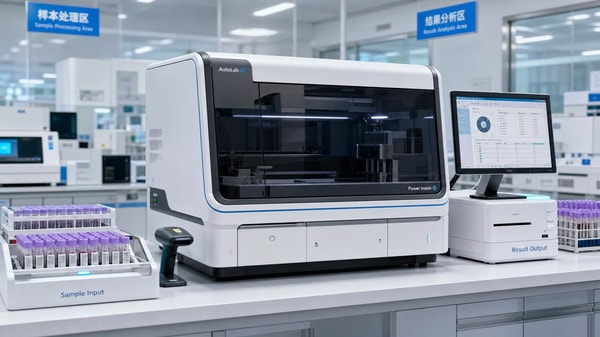
 Medical diagnostic equipment buying mistakes often start with workflowMedical diagnostic equipment buying mistakes often begin with workflow gaps. Learn how to compare systems, uncover hidden costs, and choose suppliers that fit real clinical operations.
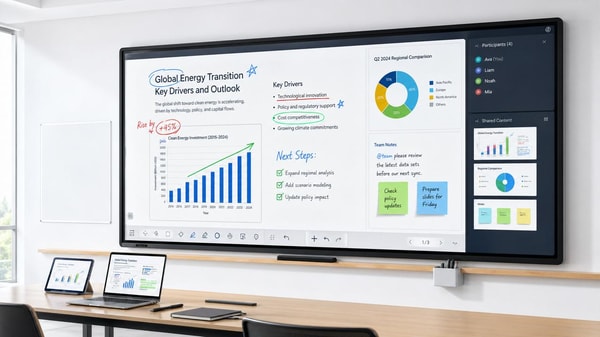
 Interactive whiteboards are improving, but teacher adoption is unevenInteractive whiteboards are improving fast, but teacher adoption remains uneven. Explore what drives classroom success, ROI, and smarter edtech implementation.
 Portable oxygen concentrators: what noise levels feel acceptable?Portable oxygen concentrators: discover what noise levels feel acceptable for sleep, travel, work, and home use, with practical guidance to choose a quieter, more comfortable model.
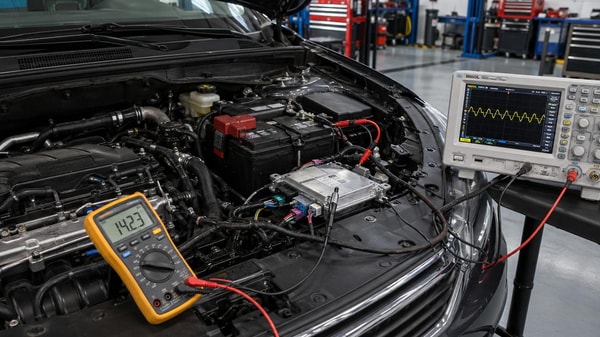
 Car electronics failures often start with power instabilityCar electronics issues often begin with hidden power instability. Learn how voltage drops, ripple, and weak grounds cause faults—and how smarter diagnostics cut repair time and repeat failures.
 Telemedicine hardware works best when setup friction is lowTelemedicine hardware works best with low setup friction. Discover how faster deployment, easier operation, and scenario-based selection improve care efficiency and service quality.
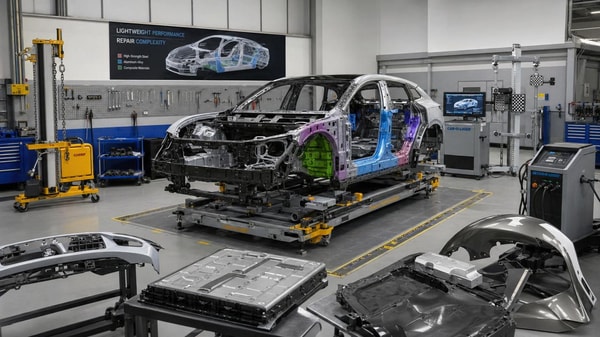
 Are light-weighting vehicle materials worth the repair tradeoff?Light-weighting vehicle materials: Are efficiency gains worth higher repair costs? Explore lifecycle impact, EV value, downtime risks, and smarter sourcing decisions.
 Educational robots in class: novelty or lasting value?Educational robots are moving beyond classroom novelty. Discover how they create lasting value through STEM learning, scalability, and smarter school purchasing decisions.
 Biodegradable plastics fail when disposal assumptions are wrongBiodegradable plastics can fail when real disposal systems do not match design assumptions. Learn the compliance, contamination, and claim risks before they damage trust.
 Office stationery wholesale margins depend on boring detailsOffice stationery wholesale margins are won in the details—packaging, MOQ, freight, and SKU rotation. Learn how distributors protect profit and reduce hidden cost leakage.
 Carbon capture materials are improving, but durability still mattersCarbon capture materials are improving, but durability still decides ROI. Explore cycle stability, regeneration resilience, and supplier evaluation factors for reliable industrial deployment.
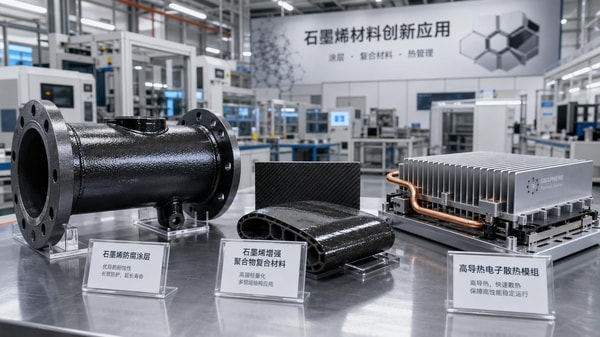
 Which graphene applications in industry are moving beyond pilots?Graphene applications in industry are moving beyond pilots fastest in coatings, composites, thermal management, sensors, and energy storage. See where commercialization is gaining traction.
 Precision farming drones need better data, not just better flight timePrecision farming drones deliver more value through accurate maps, crop insights, and faster decisions than longer flight time alone. See how better data improves farm efficiency.
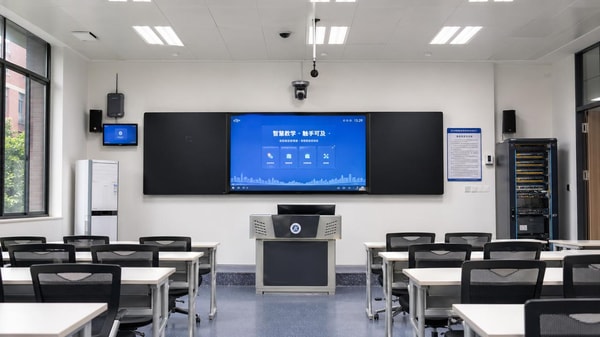
 Smart classroom solutions often disappoint for one simple reasonSmart classroom solutions often fail when complexity is ignored. Discover how project leaders can improve adoption, scalability, ROI, and long-term classroom performance.
 Organic fertilizers: when higher cost brings better soil resultsOrganic fertilizers may cost more, but they can improve soil structure, moisture retention, and long-term plant health. Learn when the higher price delivers better garden results.
 Agri-PV systems can raise land efficiency, but not everywhereAgri-PV systems can improve land efficiency, but only in the right conditions. Explore where they work, key risks, and how to evaluate profitable deployment.
 Smart home devices wholesale gets risky when standards do not matchSmart home devices wholesale becomes risky when standards, protocols, and certifications do not align. Learn how to reduce sourcing errors, control costs, and protect buyer trust.
 Wearable technology users quit when comfort is overlookedWearable technology users quit when comfort is ignored. Discover the checklist for fit, weight, skin safety, and long-term wear to choose devices that improve adoption and user satisfaction.
 Next-gen wireless charging still faces a heat management gapNext-gen wireless charging still faces a critical heat management gap. Explore how thermal risks affect efficiency, safety, lifecycle, and product readiness.
 Foldable screen technology looks mature until repair costs appearFoldable screen technology looks premium and practical, but are repair costs too high? Discover the real tradeoff between innovation, durability, and long-term value before you buy.
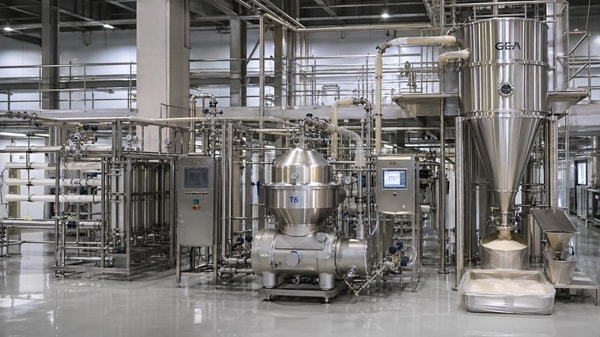
 Plant-based protein processing bottlenecks start after extractionPlant-based protein processing bottlenecks often begin after extraction. Discover downstream risks, supplier evaluation tips, and cost-saving insights for better sourcing decisions.
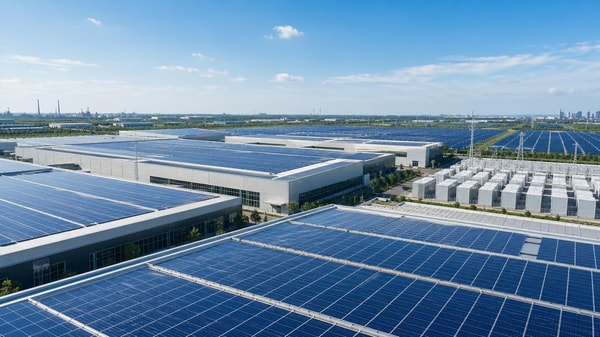
 Photovoltaic solar panels lose value when degradation is underestimatedPhotovoltaic solar panels can lose value fast when degradation is underestimated. Learn how realistic modeling protects ROI, asset valuation, and smarter solar investment decisions.









Popular Tags
Global Trade Insights & Industry
Our mission is to empower global exporters and importers with data-driven insights that foster strategic growth.
Search News
Popular Tags
Industry Overview
The global commercial kitchen equipment market is projected to reach $112 billion by 2027. Driven by urbanization, the rise of e-commerce food delivery, and strict hygiene regulations.