

When Should You Switch to Iridium Spark Plugs?
Knowing when to switch to iridium spark plugs can improve engine efficiency, reduce maintenance, and support smarter purchasing decisions. For buyers, distributors, and market researchers using an online trade platform, understanding replacement timing is as important as comparing car batteries price, 3D printing price, or MRI scanners cost. This guide explains the key signs, service intervals, and value considerations behind choosing iridium spark plugs.
If you want the short answer: switch to iridium spark plugs when your current plugs are nearing the manufacturer’s replacement interval, when you need longer service life and more stable ignition, or when operating conditions make frequent maintenance costly. For most modern vehicles, iridium plugs are a practical upgrade because they typically last longer than copper or platinum plugs and help reduce downtime. However, the right timing depends on engine design, mileage, driving conditions, and total cost of ownership—not just the initial unit price.
What is the real reason buyers switch to iridium spark plugs?
For most commercial buyers and informed vehicle owners, the decision is not only about performance. The main reason to switch is value over time. Iridium spark plugs are known for their high melting point, durability, and ability to maintain a fine electrode tip for a longer period. That usually means more consistent ignition, slower wear, and longer replacement intervals.
For procurement teams, distributors, and business evaluators, this matters because a lower replacement frequency can reduce maintenance labor, inventory turnover pressure, and service interruptions. In sectors where fleet uptime or customer satisfaction is critical, iridium plugs often make sense even if their upfront cost is higher.
When should you replace spark plugs instead of waiting longer?
The most reliable starting point is the vehicle manufacturer’s service schedule. Many modern iridium spark plugs are designed to last roughly 60,000 to 100,000 miles, though actual lifespan can vary. If the current plugs are approaching the recommended interval, that is usually the clearest time to switch.
Beyond mileage, there are practical warning signs that replacement should not be delayed:
- Hard starting or delayed ignition
- Engine misfires
- Rough idle
- Reduced fuel efficiency
- Weak acceleration
- Check engine light related to combustion or misfire issues
If a vehicle is already showing these symptoms, buyers should think beyond simple replacement price and evaluate the cost of continued inefficiency, possible catalytic converter stress, and avoidable maintenance downtime.
Are iridium spark plugs worth switching to before failure happens?
In many cases, yes. Waiting for spark plugs to fail completely is rarely the most economical strategy, especially for fleets, distributors managing service commitments, or businesses that depend on reliable vehicle performance. A preventive switch to iridium spark plugs can be worthwhile when:
- The engine is already due for scheduled tune-up service
- Maintenance access is labor-intensive and replacement costs are high
- The vehicle is used for long-distance, high-load, or commercial applications
- You want to reduce service frequency over the long term
- You are standardizing parts quality across multiple units or markets
This is especially relevant in B2B purchasing. A component with a higher unit price may still deliver a better lifecycle return if it lowers labor costs, reduces service calls, and supports more predictable operating performance.
How do driving conditions affect the right switching time?
Not all vehicles age spark plugs at the same rate. Even high-quality iridium spark plugs can wear faster under severe conditions. The right switching time may come earlier if the vehicle frequently operates in:
- Stop-and-go urban traffic
- High-temperature environments
- Heavy-load or towing conditions
- Dusty or contaminated operating areas
- Poorly maintained engines with fuel or oil issues
For buyers comparing suppliers or evaluating aftermarket demand, this is an important market signal. Replacement cycles are not driven by product specification alone; they are also shaped by use case, geography, and maintenance quality.
What should procurement teams and distributors evaluate before switching?
For trade buyers, the best decision framework includes more than checking whether iridium plugs last longer. Key evaluation points include:
- Vehicle compatibility: confirm OEM requirements, heat range, thread size, reach, and electrode design
- Supplier reliability: assess consistency, certification, and traceability
- Total cost of ownership: compare service interval, replacement labor, and expected performance stability
- Market positioning: determine whether end customers prioritize premium durability or low upfront price
- Counterfeit risk: source through verified channels to avoid quality failures
In international trade and cross-border sourcing, counterfeit or low-grade ignition parts can damage both equipment performance and brand credibility. That makes supplier vetting just as important as technical specification.
Is switching from copper or platinum to iridium always the best option?
Not always. Iridium spark plugs are often the premium choice, but the best option depends on engine requirements and commercial priorities. Copper plugs are typically cheaper upfront but wear faster. Platinum plugs offer a middle-ground balance. Iridium plugs usually provide the longest lifespan and better durability, which is why many modern engines are designed around them.
However, switching only makes sense if the plug matches the engine specification. Installing the wrong type simply because it is marketed as an upgrade can create performance issues rather than solve them. Buyers should avoid the assumption that “more expensive” always means “universally better.” The correct approach is application-based selection.
How can you tell if the switch delivers real business value?
The switch to iridium spark plugs delivers measurable value when it improves one or more of the following:
- Longer maintenance intervals
- Lower labor cost per service cycle
- Reduced risk of ignition-related downtime
- More stable customer satisfaction in aftermarket channels
- Better stock planning for distributors and resellers
For market researchers and sourcing teams, this means the buying decision should be supported by use-case data, not only by catalog claims. In high-utilization environments, iridium often shows stronger lifecycle economics. In low-demand or price-sensitive applications, another plug type may remain more commercially suitable.
Final decision: when should you switch to iridium spark plugs?
You should switch to iridium spark plugs when the engine is approaching its recommended replacement interval, when maintenance frequency is becoming inefficient, or when the operating environment demands longer-lasting ignition performance. For businesses and professional buyers, the best timing is usually before failure occurs and after confirming fitment, supplier quality, and lifecycle cost advantages.
In simple terms, iridium spark plugs are usually the right choice when reliability, reduced maintenance, and long-term value matter more than the lowest upfront price. For distributors, procurement teams, and industry researchers, understanding this replacement logic supports better sourcing decisions, better product positioning, and more accurate market evaluation.
Recommended News
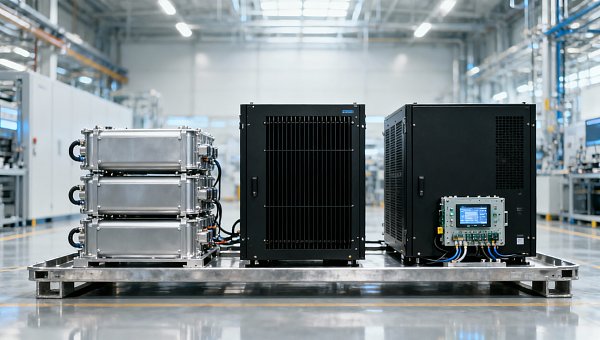
 Key Energy Storage Equipment Prices Drop ~80% in ChinaKey energy storage equipment prices in China dropped ~80% — PCS, BMS & liquid cooling units. Discover implications for compliance, margins & standards enforcement.
") China Releases Green Design Guidelines for Industrial Products (2026)China's 2026 Green Design Guidelines for industrial products—covering PV modules, lithium batteries & smart appliances—link eco-design to green factory certification and export tax rebates starting 2027.
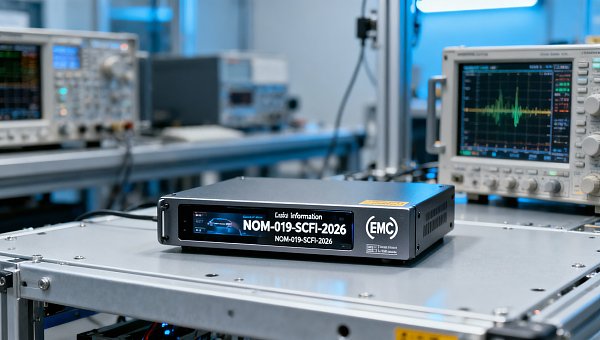
China Releases Green Design Guidelines for Industrial Products (2026)China's 2026 Green Design Guidelines for industrial products—covering PV modules, lithium batteries & smart appliances—link eco-design to green factory certification and export tax rebates starting 2027. Mexico NOM-019-SCFI-2026 Effective: Automotive Electronics Require New EMC CertificationMexico NOM-019-SCFI-2026 is live: Automotive electronics (infotainment, ADAS, domain controllers) now require mandatory EMC certification by July 31, 2026 — act now to avoid customs delays.
 Red Sea Detour Premium Rises to $1,850/TEU Amid Port Congestion ReliefRed Sea Detour Premium hits $1,850/TEU — now 43% of FE–NE freight rates. Discover why this structural surcharge demands urgent supply chain action.
 TÜV Rheinland Updates PLd Certification: EMC Immunity Now Mandatory for Servo DrivesTÜV Rheinland now mandates EN IEC 61000-6-2:2024 EMC immunity testing for PLd certification of servo drives—act before May 26, 2026 to avoid EU market delays.
 RCEP Green Packaging Mutual Recognition Effective Apr 26, 2026RCEP Green Packaging Mutual Recognition takes effect Apr 26, 2026—unlock faster customs clearance & cost savings for eco-friendly packaging exporters to AU, NZ, JP, KR.
 FDA Final Rule: AI Diagnostic Devices Must Submit Bias Impact ReportsFDA mandates AI diagnostic devices submit third-party-verified bias impact reports—key for 510(k)/De Novo submissions. Act now to ensure compliance & market access.
 Vietnam Suspends SASO Mutual Recognition for Chinese Irrigation EquipmentVietnam suspends SASO mutual recognition for Chinese irrigation equipment—urgent QCVN certification now required for drip tapes, sprinklers, valves & smart controllers.
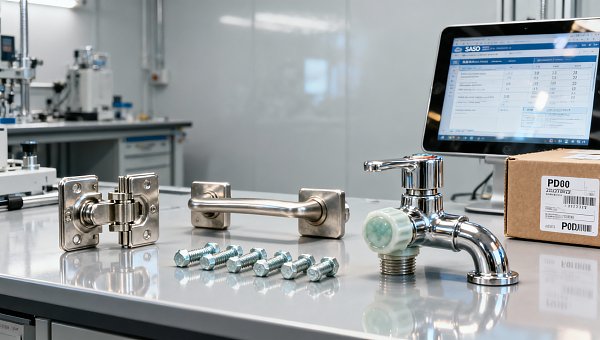
 SABER Phase II Launch: Building Hardware Must Submit Digital Type Test Reports & PIDSABER Phase II now requires digital type test reports & PID for building hardware — fasteners, door/window, bathroom fixtures. Avoid port rejection: ensure PID-bound compliance before shipment.
 IMDG Code 41-24 Enforced: UN3480 Lithium Batteries Require Class 9 LabelsUN3480 lithium batteries now require ISO 7225-compliant Class 9 labels under IMDG Code 41-24 — enforceable globally from 26 April 2026. Act now to avoid shipment delays!
 Are Auto Detailing Services Worth the Cost?Auto detailing services: discover if the cost is justified, how pricing varies, and how a business intelligence platform helps buyers compare value, quality, and long-term ROI.
 What Makes Sustainable Fashion Brands Worth Buying?Sustainable fashion brands deliver transparency, quality, and lower risk. See how a business intelligence platform helps buyers verify value, avoid greenwashing, and source smarter.
 How to Choose a Business Intelligence Platform in 2026?Business intelligence platform selection in 2026: compare data coverage, pricing insights, online trade platform signals, Cement price trends, and MRI scanners cost to choose smarter, faster.
 IMDG Code 41-24 Enforces UN3480 Class 9 Labeling for Lithium Battery Sea FreightIMDG Code 41-24 mandates UN3480 Class 9 labeling for lithium battery sea freight—avoid auto-rejection by DHL, Kuehne+Nagel & Sinotrans. Act now.
 ESS Key Equipment Prices Drop ~80%: Quality & Compliance RiseESS key equipment prices dropped ~80%—but quality & compliance are now critical. Discover how UL 9540A and IEC 62933-5-2 standards reshape global market access.
") China Releases Green Design Guide for Industrial Products (2026)China's new Green Design Guide (2026) offers 126 actionable solutions for solar, batteries & robotics—key for EU ESG compliance and export readiness.
China Releases Green Design Guide for Industrial Products (2026)China's new Green Design Guide (2026) offers 126 actionable solutions for solar, batteries & robotics—key for EU ESG compliance and export readiness. Vietnam Suspends SASO Mutual Recognition for Chinese Irrigation EquipmentVietnam suspends SASO mutual recognition for Chinese irrigation equipment—impacting spray controllers, fertigation systems & PE pipes. Act now to meet new local testing mandates.
 Mexico NOM-019-SCFI-2026 Effective: Automotive EMC Certification RequiredMexico NOM-019-SCFI-2026 is live: Automotive EMC certification now mandatory for all car electronics entering Mexico—avoid customs rejection. Act now!
 Red Sea Rerouting Now Normalized: Asia-Europe Freight Premium at $1,850/TEURed Sea rerouting is now normalized—Asia-Europe freight premium holds at $1,850/TEU. Critical for CNC, solar PV & EV accessory exporters. Read the strategic implications.
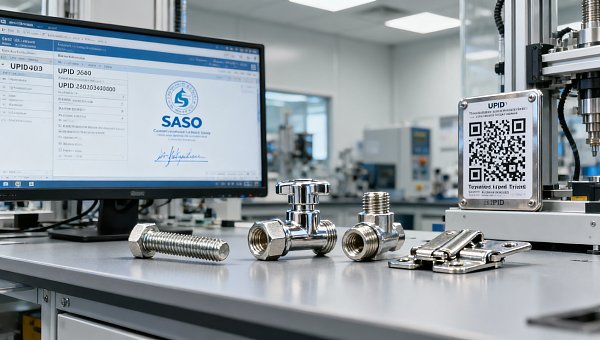
 SABER Phase II Launch: Building Hardware Must Submit Digital Type Test Reports & UPIDSABER Phase II is live: Building hardware exporters must now submit digital type test reports & UPID—avoid Jeddah port delays. Act now!
 FDA Final Rule: AI Diagnostic Devices Require Bias Assessment for US MarketFDA mandates bias assessment for AI diagnostic devices—key for portable ultrasound, dermatoscopes & fundus analyzers entering the US market. Act now to comply.

















Popular Tags
Global Trade Insights & Industry
Our mission is to empower global exporters and importers with data-driven insights that foster strategic growth.
Search News
Popular Tags
Industry Overview
The global commercial kitchen equipment market is projected to reach $112 billion by 2027. Driven by urbanization, the rise of e-commerce food delivery, and strict hygiene regulations.