

Foldable screen technology keeps improving, yet repair costs remain a problem
Foldable screen technology continues to advance, delivering slimmer designs, stronger hinges, and better everyday performance. Yet for many consumers, one issue still stands out: the high cost of repairs when these premium devices are damaged. As foldable phones become more mainstream, understanding the gap between innovation and long-term ownership costs is essential for buyers making smarter purchasing decisions.
Why Foldable Screen Technology Feels More Mature Today
A few years ago, foldable devices were viewed as exciting but fragile experiments. That perception is changing. Foldable screen technology now benefits from stronger ultra-thin glass layers, more refined hinge mechanisms, improved water resistance in some models, and better software adaptation for multitasking and app continuity.
For end consumers, this progress matters because the value proposition is no longer only about novelty. A foldable phone can replace a standard smartphone and, in some use cases, reduce the need to carry a small tablet. That makes it attractive for users who want a larger display for work, streaming, gaming, reading, or travel without giving up portability.
Still, durability gains do not automatically solve ownership anxiety. The market has reached a point where many shoppers are no longer asking, “Does foldable screen technology work?” Instead, they are asking tougher questions: “How long will it last?” “What happens if the inner display fails?” “How much will a repair cost after the warranty ends?”
- Improved hinges reduce stress concentration during repeated folding.
- Display layers are more resistant than earlier generations, but they remain more delicate than traditional rigid panels.
- Software optimization has made split-screen use and app transitions more practical for daily life.
- Premium pricing means consumers expect premium longevity, which raises the impact of repair cost concerns.
What has improved most?
The biggest improvements are mechanical consistency and usability. Early devices often drew criticism for visible creases, dust sensitivity, and uncertain hinge feel. Newer foldables generally open more smoothly, close more precisely, and offer stronger frame integration. That does not eliminate risk, but it narrows the gap between foldables and conventional flagship devices in everyday confidence.
Why Repair Costs Remain a Real Consumer Problem
Repair costs remain high because a foldable device is not simply a standard phone with a bending screen. It combines a flexible OLED panel, protective layers, adhesive systems, complex hinge parts, tight internal packaging, and specialized assembly processes. When one critical part fails, the repair may involve replacing multiple integrated components rather than a single isolated part.
This has direct consequences for consumers. A cracked cover screen on a conventional smartphone can already be expensive. But damage to the inner flexible display, hinge misalignment, or a crease-related functional issue can result in much higher service bills. In some cases, the repair quote can feel uncomfortably close to the residual value of the device.
Another factor is service availability. Foldable screen technology requires trained technicians, approved parts, and careful calibration. In some markets, authorized service centers are limited. That can increase waiting time, raise logistics costs, and reduce the appeal of cheaper third-party repair options.
The main cost drivers behind foldable repairs
- The flexible inner display is costly to manufacture and difficult to replace without damaging surrounding layers.
- Hinge assemblies involve precision components that may require full-module replacement rather than simple adjustment.
- Labor is more specialized than with conventional slab phones.
- Lower repair volume compared with standard phones can limit parts economies of scale.
The table below outlines why repair pricing in foldable screen technology often remains elevated compared with standard premium smartphones.
For consumers, the takeaway is straightforward: better durability does not mean low repair exposure. When evaluating foldable screen technology, the purchase price is only one part of the cost equation. Service access, warranty terms, and accidental damage coverage can be just as important.
Which Consumers Benefit Most From Foldable Screen Technology?
Not every buyer needs a foldable phone, and that is an important part of making a smart decision. Foldable screen technology is best suited to users who will regularly use the larger display format rather than simply admire it during the first few weeks.
Good-fit use cases
- Frequent travelers who want a compact device that opens into a more comfortable screen for maps, email, reading, and video.
- Mobile professionals who rely on split-screen multitasking, document review, and messaging at the same time.
- Entertainment-heavy users who stream content, browse visually rich apps, or play games on a larger display.
- Early adopters who accept a premium price in exchange for new form factors and advanced industrial design.
Who should think twice?
Budget-sensitive consumers, users with a history of cracked screens, and buyers who keep devices for many years without insurance should examine long-term costs carefully. If you prioritize low maintenance, easy repairs, and broad accessory compatibility, a conventional flagship phone may still be the safer ownership choice.
The table below helps consumers match foldable screen technology with real-life usage patterns instead of marketing hype alone.
This comparison shows that foldable screen technology is most compelling when it changes how you use your device every day. If the larger display does not improve your workflow or lifestyle consistently, the repair premium may be harder to justify.
How to Judge Total Cost Before You Buy
A smart purchase decision should look beyond launch pricing and promotional trade-ins. With foldable screen technology, total cost of ownership includes four layers: upfront device cost, protection accessories, coverage plan cost, and probable service expense over the life of the product.
A practical consumer checklist
- Check what the standard warranty actually covers, especially for the inner display and hinge-related issues.
- Compare the price of official accidental damage plans with likely one-time repair costs.
- Confirm whether authorized service is available in your city or requires shipping.
- Estimate your replacement cycle. A two-year user and a four-year user face very different risk profiles.
- Review return policy terms and any screen-protection film maintenance rules.
Consumers often focus on hardware specifications, but ownership support matters just as much. In a global trade environment, supply chain factors can influence part availability and service speed. This is where industry intelligence becomes useful. Platforms such as GTIIN and TradeVantage help track broader manufacturing shifts, component trends, and regional market developments that shape the real-world consumer experience after purchase.
For example, when display supply tightens or logistics costs rise, repair timelines and pricing pressure can follow. A buyer who understands these market signals is better positioned to choose the right time to buy, compare regional offers, and decide whether added protection is worth the premium.
Foldable vs Conventional Flagship: Which Is the Better Decision?
For many buyers, the real question is not whether foldable screen technology is impressive. It clearly is. The harder question is whether it delivers enough daily value to offset higher risk and potentially higher maintenance cost.
Decision framework
- Choose a foldable if screen flexibility changes your productivity or entertainment habits in a meaningful, repeated way.
- Choose a conventional flagship if you want the most predictable durability, easier repairs, and lower ownership stress.
- Choose based on service ecosystem, not only on industrial design or camera marketing.
There is also a middle path. Some consumers may benefit from waiting one more product cycle. Foldable screen technology keeps improving, and each generation tends to refine durability and production efficiency. If current repair cost sensitivity is your main concern, patience may offer better value than early adoption.
Common Misconceptions About Foldable Screen Technology
“If it folds, it must be fragile.”
Not necessarily. Modern foldables are more durable than early models, and many can handle normal daily use well. The more accurate statement is this: they are durable enough for many users, but they remain structurally more complex and more expensive to repair when something goes wrong.
“Repair cost won’t matter if I’m careful.”
Careful use helps, but it does not remove risk. Drops, pressure damage, debris exposure, and accidental mishandling still happen. For premium devices, even one incident can shift the value equation sharply.
“All foldables offer the same ownership experience.”
They do not. Differences in hinge design, after-sales support, software maturity, warranty terms, and local service coverage can materially affect satisfaction. Buyers should compare the ecosystem around the device, not just the device itself.
FAQ: What Buyers Ask Before Choosing a Foldable
How should I evaluate foldable screen technology if repair costs worry me?
Start with total ownership cost, not retail price alone. Add the expected cost of a case, screen protection, coverage plan, and the inconvenience of possible repair downtime. Then ask whether the foldable form factor will improve your daily routine enough to justify that higher risk profile.
Is a foldable better for productivity than a regular smartphone?
For many users, yes. The larger inner display can improve document reading, multitasking, note review, and travel planning. But the productivity gain depends on your habits. If you mostly message, call, and use social apps briefly, the benefit may be limited.
What should I check before buying from a retailer or carrier?
Check warranty details, accidental damage options, repair turnaround expectations, return conditions, and whether authorized service is local. Also review trade-in terms carefully, because some promotions lower the entry price but do not reduce future service costs.
Will foldable screen technology become cheaper to repair soon?
Costs may improve over time as manufacturing scales and service networks mature, but there is no guarantee of a rapid drop. Repair pricing depends on component complexity, regional supply chains, labor capability, and how broadly foldables expand in the consumer market.
Trend Outlook: Better Products, Smarter Buying Standards
The direction of travel is clear. Foldable screen technology will continue to improve in design efficiency, battery packaging, hinge engineering, and software optimization. Over time, that should support broader adoption. But market maturity is not just about making devices thinner and lighter. It is also about lowering lifecycle friction for the customer.
Consumers are becoming more disciplined buyers. They want innovation, but they also want realistic service expectations, stronger warranty frameworks, and transparent cost planning. That shift is healthy for the market because it encourages manufacturers and sellers to compete not only on novelty, but on ownership confidence.
In that environment, information quality matters. GTIIN and TradeVantage help businesses and market participants interpret industrial developments across regions, supply chains, and consumer demand patterns. For end users, these insights support smarter comparisons and more grounded buying decisions in fast-moving categories such as foldables.
Why Choose Us for Market Insight and Smarter Purchase Guidance
If you are comparing foldable devices, following foldable screen technology trends, or trying to understand how repair economics may evolve across markets, GTIIN and TradeVantage offer more than surface-level product commentary. We track industrial signals that influence consumer outcomes, including manufacturing shifts, component availability, regional pricing dynamics, and changing demand patterns.
You can consult us for practical decision support such as product selection direction, market trend interpretation, supply-side developments affecting service expectations, regional price comparison context, and procurement-side intelligence relevant to global electronics categories. This is especially useful for buyers, distributors, and market observers who want a broader view before committing to premium devices.
- Need help understanding how foldable screen technology is evolving across regions? Ask for market trend insights.
- Want clearer comparison logic before buying? Ask about selection factors, ownership risks, and consumer demand shifts.
- Watching supply chain changes that may affect pricing or repair conditions? Ask for industry intelligence and timing analysis.
- Need support evaluating broader electronics trade developments? Ask for sector updates and targeted information tracking.
A foldable can be a smart buy, but only when innovation and ownership cost are weighed together. If you want clearer guidance on market trends, selection logic, pricing context, or related industry developments, reach out to GTIIN and TradeVantage for insight-driven support tailored to real decisions.
Recommended News
 Portable oxygen concentrators vary more in noise than spec sheets suggestPortable oxygen concentrators may share similar specs, yet real-world noise can vary widely. Learn what decibel ratings miss and choose a quieter, more comfortable model with confidence.
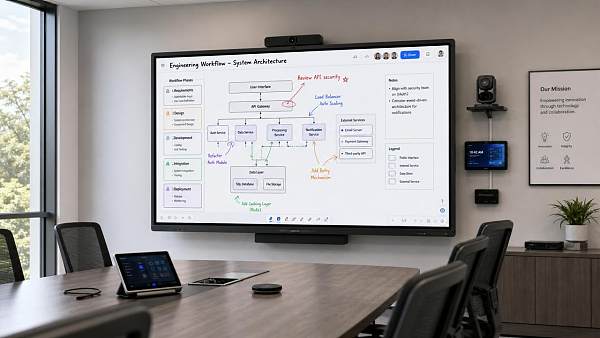
 Interactive whiteboards are easier to buy than to integrate wellInteractive whiteboards are easy to buy, but hard to integrate. Discover how to align workflows, IT, training, and ROI for smarter deployment.
![]() Medical diagnostic equipment upgrades should start with workflow bottlenecksMedical diagnostic equipment upgrades should start with workflow bottlenecks. Discover how targeted investments improve throughput, integration, ROI, and diagnostic efficiency.
Medical diagnostic equipment upgrades should start with workflow bottlenecksMedical diagnostic equipment upgrades should start with workflow bottlenecks. Discover how targeted investments improve throughput, integration, ROI, and diagnostic efficiency.![]() Eco-friendly building materials can raise budgets before they lower themEco-friendly building materials may raise upfront budgets, but they can cut long-term costs, improve compliance, and strengthen asset value. Learn when the premium truly pays off.
Eco-friendly building materials can raise budgets before they lower themEco-friendly building materials may raise upfront budgets, but they can cut long-term costs, improve compliance, and strengthen asset value. Learn when the premium truly pays off. Ergonomic workspace design fixes discomfort, but not every layout problemErgonomic workspace design improves comfort, focus, and buying decisions—but not every layout issue. Learn what upgrades work, what room limits remain, and how to choose smarter.
![]() Outdoor garden supplies demand shifts earlier than many sellers plan forOutdoor garden supplies demand is starting earlier than many sellers expect. Learn what drives the shift and how distributors, wholesalers, and agents can plan smarter to win more sales.
Outdoor garden supplies demand shifts earlier than many sellers plan forOutdoor garden supplies demand is starting earlier than many sellers expect. Learn what drives the shift and how distributors, wholesalers, and agents can plan smarter to win more sales. Sustainable home decor sells better when materials are easy to verifySustainable home decor sells better when material claims are easy to verify. Discover how traceable data, certifications, and clear sourcing build trust and boost B2B sales.
 Modern office furniture trends are changing around hybrid work needsModern office furniture trends are redefining hybrid workplaces with flexible layouts, ergonomic design, and smart tech integration. Discover what drives demand and smarter buying decisions.
 Smart street lighting projects often miss the maintenance sideSmart street lighting projects often overlook maintenance. Learn how diagnostics, spare parts, and scenario-based support improve reliability, reduce downtime, and protect long-term value.
 Solid-state battery breakthroughs are real, but mass rollout is still difficultSolid-state battery breakthroughs are real, but scaling remains difficult. Explore what’s driving progress, what blocks mass rollout, and where commercialization may happen first.
![]() Commercial LED lighting retrofits save money, but not at the same paceCommercial LED lighting can cut costs, but payback varies by warehouse, office, retail, and industrial scenario. Discover how to identify the fastest-return retrofit opportunities.
Commercial LED lighting retrofits save money, but not at the same paceCommercial LED lighting can cut costs, but payback varies by warehouse, office, retail, and industrial scenario. Discover how to identify the fastest-return retrofit opportunities. Lithium battery storage projects fail early when thermal planning is weakLithium battery storage projects fail early when thermal planning is weak. Learn the key checks to improve safety, uptime, compliance, and long-term project returns.
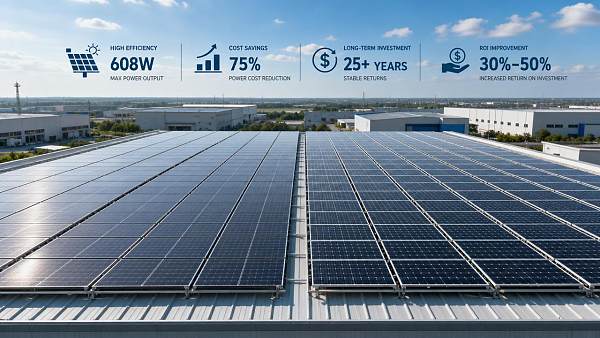
 Photovoltaic solar panels: when higher efficiency is not the better dealPhotovoltaic solar panels are not always best when efficiency is highest. Discover how lifecycle cost, payback, and site conditions can deliver smarter ROI and better sourcing decisions.
 Plant-based protein processing depends more on texture than many expectPlant-based protein processing relies heavily on texture to improve quality, control risk, and boost consistency. Learn how better texture management strengthens compliance and competitiveness.
 Foldable screen technology keeps improving, yet repair costs remain a problemFoldable screen technology is getting stronger and smarter, but repair costs still worry buyers. Discover who should buy, key ownership risks, and how to choose wisely.
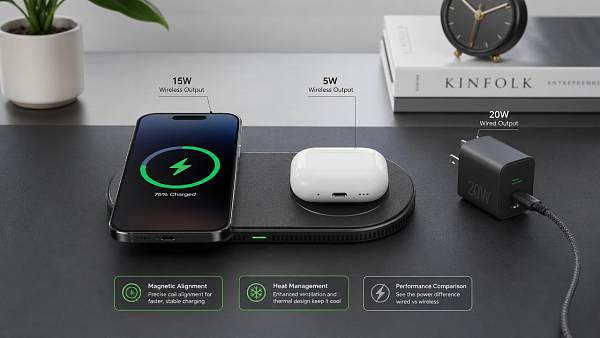
 Next-gen wireless charging sounds convenient, but how efficient is it?Next-gen wireless charging sounds effortless, but how efficient is it in real use? Explore heat, power loss, alignment, and the market factors shaping adoption.
![]() Wearable technology is improving fast, but comfort still decides adoptionWearable technology is evolving fast, but comfort still drives real adoption. Explore how design, fit, battery life, and daily usability shape the wearables consumers truly keep using.
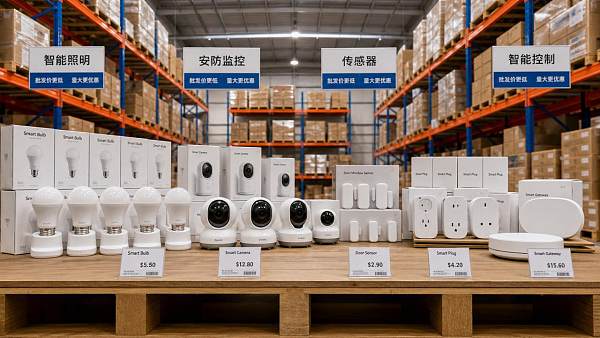
Wearable technology is improving fast, but comfort still decides adoptionWearable technology is evolving fast, but comfort still drives real adoption. Explore how design, fit, battery life, and daily usability shape the wearables consumers truly keep using. Smart home devices wholesale margins shrink faster than many expectSmart home devices wholesale margins are shrinking fast. Learn what causes profit erosion, which categories face price wars, and how distributors can protect growth and improve sourcing decisions.
 Agri-PV systems make sense only when land use goals are clearAgri-PV systems create business value only when land use goals are clearly defined. Discover how aligned energy, farming, and ESG priorities reduce risk and improve returns.
 Organic fertilizers vs synthetic inputs: where does the payoff change?Organic fertilizers vs synthetic inputs: discover where costs, compliance, soil health, and market premiums shift the payoff—and how to choose the smartest long-term strategy.
 Smart classroom solutions often underdeliver without teacher-side usabilitySmart classroom solutions often fail when teacher-side usability is ignored. Discover scenario-based insights to improve adoption, reduce friction, and maximize classroom ROI.











Popular Tags
Global Trade Insights & Industry
Our mission is to empower global exporters and importers with data-driven insights that foster strategic growth.
Search News
Popular Tags
Industry Overview
The global commercial kitchen equipment market is projected to reach $112 billion by 2027. Driven by urbanization, the rise of e-commerce food delivery, and strict hygiene regulations.