

Wearable technology is improving fast, but comfort still decides adoption
Wearable technology is advancing at an impressive pace, bringing smarter health tracking, seamless connectivity, and more personalized experiences to everyday life. Yet for most consumers, innovation alone is not enough—comfort remains the key factor that determines whether a device becomes essential or ends up forgotten. As brands race to improve design and function, the real challenge is creating wearables people truly want to wear all day.
What wearable technology means in everyday life
Wearable technology refers to digital devices designed to be worn on the body, often for long periods and across different daily activities. This broad category includes smartwatches, fitness trackers, smart rings, AR glasses, sleep bands, posture monitors, and even sensor-enabled clothing. What makes wearable technology important is not only portability, but also its ability to collect real-time data, respond to user behavior, and integrate with phones, apps, and cloud-based services.
For end consumers, the value of wearable technology usually begins with convenience. People want faster access to messages, accurate fitness tracking, easier payment functions, and more personalized wellness insights. However, adoption does not depend on features alone. A wearable can be technically advanced, but if it feels heavy, irritating, awkward, or visually unappealing, many users will abandon it quickly. This is why comfort is no longer a secondary design consideration. It is central to whether the product becomes part of a daily routine.
Why the market is paying close attention
The market for wearable technology has grown because consumers increasingly want health data, digital assistance, and on-the-go connectivity. Rising interest in preventive wellness, remote monitoring, and lifestyle optimization has pushed wearables from niche gadgets into mainstream consumer products. In parallel, advances in sensors, batteries, low-power chips, and AI-driven software have expanded what these devices can do.
Across the global supply chain, this category attracts attention because it sits at the intersection of consumer electronics, healthcare, fashion, software, and materials innovation. Platforms that monitor industrial trends, such as GTIIN and TradeVantage, see wearable technology as a strong signal sector because it reflects how user expectations are changing worldwide. A successful wearable product is no longer built only by engineers. It also depends on sourcing, industrial design, material science, interface design, and market positioning. That is why exporters, importers, and brand owners all watch this space closely.
Comfort is the adoption filter
Comfort decides whether wearable technology fits into real life. Consumers may buy a device because of advertising, reviews, or curiosity, but they continue using it only if it feels natural. Unlike phones, wearables stay in direct contact with the skin. They move with the body, respond to temperature, and affect sleeping, exercising, and working. This creates a higher standard for physical experience.
Several factors shape comfort. Weight matters because even small devices can feel tiring over time. Materials matter because some surfaces trap sweat or cause skin irritation. Shape matters because poor ergonomics create pressure points on wrists, fingers, ears, or faces. Fit matters because a device that is too loose loses data accuracy, while one that is too tight becomes unpleasant. Even battery placement and strap texture influence whether users forget the device is there or become constantly aware of it.
Comfort also includes emotional and social comfort. Many consumers care about appearance, discretion, and style compatibility. They want wearable technology that fits personal identity, not something that makes them feel overly technical, medical, or self-conscious. A smart ring succeeds differently from a bulky wrist device because it can deliver utility with less visual interruption. In this way, design language becomes part of product comfort.
Industry overview: where innovation is happening
The current wave of wearable technology development is driven by both hardware and software progress. Better sensors now track heart rate variability, sleep stages, blood oxygen trends, movement patterns, and stress indicators with improving consistency. Software ecosystems translate that raw data into coaching, alerts, and personalized feedback. At the same time, miniaturization allows manufacturers to add more capability without making devices dramatically larger.
Yet innovation is uneven. Some brands focus on health-grade measurement, others on lifestyle convenience or entertainment. Some emphasize premium materials and visual polish, while others compete on affordability. As a result, consumers face a wider range of choices, but also more confusion about what truly matters. The answer often returns to use case and comfort. If a product is intended for 24-hour wear, sleep tracking, or active lifestyles, comfort becomes as important as technical specification.
Practical value for different types of consumers
Wearable technology creates value in different ways depending on the user. Health-conscious consumers often focus on biometrics, sleep quality, activity goals, and habit formation. Busy professionals may prioritize message screening, calendar alerts, voice assistance, and contactless payment. Sports users look for workout precision, durability, and recovery insights. Older consumers may appreciate safety functions, fall alerts, and easy monitoring. Even fashion-driven users now expect devices to blend into personal style rather than disrupt it.
This wide range of use cases explains why no single wearable design suits everyone. A runner may accept a tighter fit for accurate tracking, while an office user may prefer a lighter device with fewer health features but better all-day comfort. The most successful wearable technology products are not simply the ones with the longest feature list. They are the ones that match user context with physical ease and clear benefits.
How brands are trying to solve the comfort problem
Brands are approaching comfort through material innovation, ergonomic refinement, and software intelligence. Softer hypoallergenic materials reduce skin sensitivity. Curved forms improve body contact and reduce pressure. Better weight distribution makes devices feel lighter than their actual mass. Breathable bands and modular sizing help users adapt wearables to climate and activity.
On the software side, companies are trying to reduce friction by making interactions simpler. A wearable that demands constant charging, complicated navigation, or frequent manual input can feel inconvenient even if the physical design is good. In that sense, digital comfort supports physical comfort. Users are more likely to tolerate a visible device if the overall experience is smooth, intuitive, and useful.
Battery life remains one of the strongest comfort-related factors. Frequent charging interrupts habit formation. Consumers may stop wearing a device overnight or during travel if battery performance is weak. As wearable technology evolves, long battery life is becoming part of comfort design rather than only a technical benchmark.
Typical adoption barriers consumers still face
Despite rapid progress, several barriers still limit widespread adoption of wearable technology. First is inconsistency between marketing promises and lived experience. Some products advertise seamless wellness support but feel intrusive or unreliable in daily use. Second is data overload. Consumers may appreciate insights, but too many alerts or unclear recommendations can create fatigue rather than value.
Privacy is another concern. Since wearable technology often collects sensitive behavioral and health information, trust in the brand matters. Consumers want to know how their data is stored, shared, and interpreted. This matters especially when devices are linked to broader ecosystems, insurers, or health platforms.
Price also affects adoption, but often in combination with comfort and purpose. Many consumers will pay more for a wearable that feels premium, lasts longer, and genuinely fits their routine. They are less willing to spend on novelty that may end up in a drawer after a few weeks.
A simple framework for evaluating wearable technology
For consumers trying to choose among many options, a simple evaluation framework can be more useful than comparing isolated specifications. The right question is not only “What can this device do?” but also “Will I realistically want to wear it every day?”
What this trend means for the broader market
The future of wearable technology will likely be shaped less by novelty and more by integration. Consumers are moving beyond curiosity toward selective adoption. They expect wearables to connect smoothly with healthcare apps, smartphones, fitness platforms, and smart home systems. They also expect products to look better, feel lighter, and provide clearer value from the first week of use.
For businesses across manufacturing, sourcing, trade, and digital marketing, this shift is significant. It means product success depends on more than chip upgrades or sensor count. Market demand is increasingly influenced by user-centered design, trust signals, material quality, and ecosystem relevance. This is exactly why high-authority industry intelligence platforms remain important: they help global businesses understand where consumer preference is moving and which product attributes are becoming decisive.
Practical advice before choosing a wearable
If you are considering wearable technology for personal use, start with your routine, not the product trend. Ask whether you want better health visibility, simpler connectivity, workout support, or reduced screen dependence. Then narrow your options based on how and when you will wear the device. A comfortable product with one or two features you actually use is often more valuable than an advanced device that feels inconvenient.
Try to evaluate real-world wear conditions: office hours, exercise sessions, sleep, hot weather, travel, and charging access. Read user feedback about skin feel, fit accuracy, and long-term durability, not only launch reviews. And remember that wearable technology works best when it becomes almost invisible in daily life. The ideal device supports you without demanding constant attention.
Final perspective
Wearable technology is clearly improving fast, and its role in daily life will continue to expand. Better sensors, smarter software, and broader applications are creating new possibilities for health, productivity, and connected living. Still, the market keeps proving one simple point: consumers adopt what they can live with comfortably.
That is why comfort is not the opposite of innovation. It is the condition that makes innovation usable. As the category matures, the winners in wearable technology will be the products that combine intelligence, trust, style, and all-day ease. For consumers, choosing wisely means looking beyond hype and focusing on fit, function, and the experience of actually wearing the device every day.
Recommended News
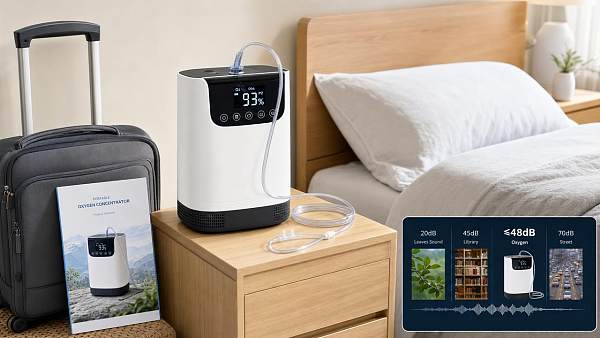
 Portable oxygen concentrators vary more in noise than spec sheets suggestPortable oxygen concentrators may share similar specs, yet real-world noise can vary widely. Learn what decibel ratings miss and choose a quieter, more comfortable model with confidence.
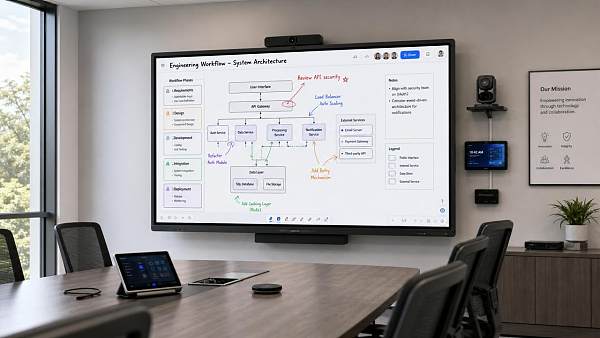
 Interactive whiteboards are easier to buy than to integrate wellInteractive whiteboards are easy to buy, but hard to integrate. Discover how to align workflows, IT, training, and ROI for smarter deployment.
![]() Medical diagnostic equipment upgrades should start with workflow bottlenecksMedical diagnostic equipment upgrades should start with workflow bottlenecks. Discover how targeted investments improve throughput, integration, ROI, and diagnostic efficiency.
Medical diagnostic equipment upgrades should start with workflow bottlenecksMedical diagnostic equipment upgrades should start with workflow bottlenecks. Discover how targeted investments improve throughput, integration, ROI, and diagnostic efficiency.![]() Eco-friendly building materials can raise budgets before they lower themEco-friendly building materials may raise upfront budgets, but they can cut long-term costs, improve compliance, and strengthen asset value. Learn when the premium truly pays off.
Eco-friendly building materials can raise budgets before they lower themEco-friendly building materials may raise upfront budgets, but they can cut long-term costs, improve compliance, and strengthen asset value. Learn when the premium truly pays off. Ergonomic workspace design fixes discomfort, but not every layout problemErgonomic workspace design improves comfort, focus, and buying decisions—but not every layout issue. Learn what upgrades work, what room limits remain, and how to choose smarter.
![]() Outdoor garden supplies demand shifts earlier than many sellers plan forOutdoor garden supplies demand is starting earlier than many sellers expect. Learn what drives the shift and how distributors, wholesalers, and agents can plan smarter to win more sales.
Outdoor garden supplies demand shifts earlier than many sellers plan forOutdoor garden supplies demand is starting earlier than many sellers expect. Learn what drives the shift and how distributors, wholesalers, and agents can plan smarter to win more sales. Sustainable home decor sells better when materials are easy to verifySustainable home decor sells better when material claims are easy to verify. Discover how traceable data, certifications, and clear sourcing build trust and boost B2B sales.
 Modern office furniture trends are changing around hybrid work needsModern office furniture trends are redefining hybrid workplaces with flexible layouts, ergonomic design, and smart tech integration. Discover what drives demand and smarter buying decisions.
 Smart street lighting projects often miss the maintenance sideSmart street lighting projects often overlook maintenance. Learn how diagnostics, spare parts, and scenario-based support improve reliability, reduce downtime, and protect long-term value.
 Solid-state battery breakthroughs are real, but mass rollout is still difficultSolid-state battery breakthroughs are real, but scaling remains difficult. Explore what’s driving progress, what blocks mass rollout, and where commercialization may happen first.
![]() Commercial LED lighting retrofits save money, but not at the same paceCommercial LED lighting can cut costs, but payback varies by warehouse, office, retail, and industrial scenario. Discover how to identify the fastest-return retrofit opportunities.
Commercial LED lighting retrofits save money, but not at the same paceCommercial LED lighting can cut costs, but payback varies by warehouse, office, retail, and industrial scenario. Discover how to identify the fastest-return retrofit opportunities. Lithium battery storage projects fail early when thermal planning is weakLithium battery storage projects fail early when thermal planning is weak. Learn the key checks to improve safety, uptime, compliance, and long-term project returns.
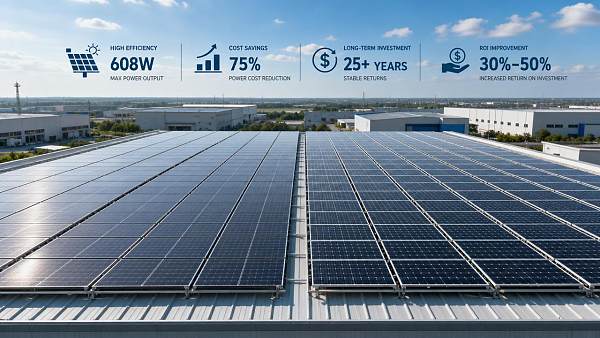
 Photovoltaic solar panels: when higher efficiency is not the better dealPhotovoltaic solar panels are not always best when efficiency is highest. Discover how lifecycle cost, payback, and site conditions can deliver smarter ROI and better sourcing decisions.
 Plant-based protein processing depends more on texture than many expectPlant-based protein processing relies heavily on texture to improve quality, control risk, and boost consistency. Learn how better texture management strengthens compliance and competitiveness.
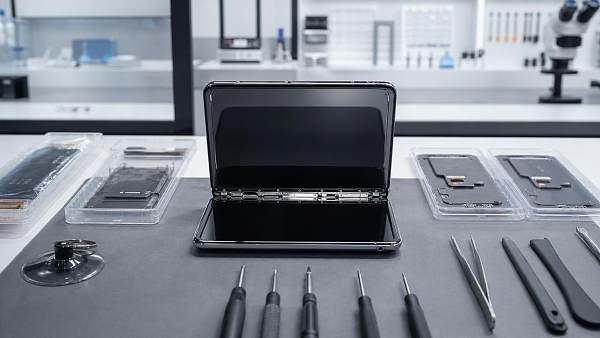
 Foldable screen technology keeps improving, yet repair costs remain a problemFoldable screen technology is getting stronger and smarter, but repair costs still worry buyers. Discover who should buy, key ownership risks, and how to choose wisely.
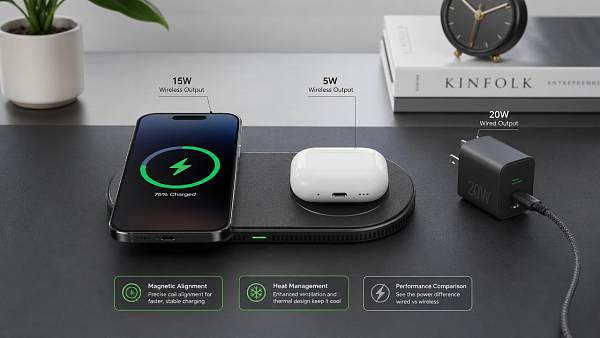
 Next-gen wireless charging sounds convenient, but how efficient is it?Next-gen wireless charging sounds effortless, but how efficient is it in real use? Explore heat, power loss, alignment, and the market factors shaping adoption.
![]() Wearable technology is improving fast, but comfort still decides adoptionWearable technology is evolving fast, but comfort still drives real adoption. Explore how design, fit, battery life, and daily usability shape the wearables consumers truly keep using.
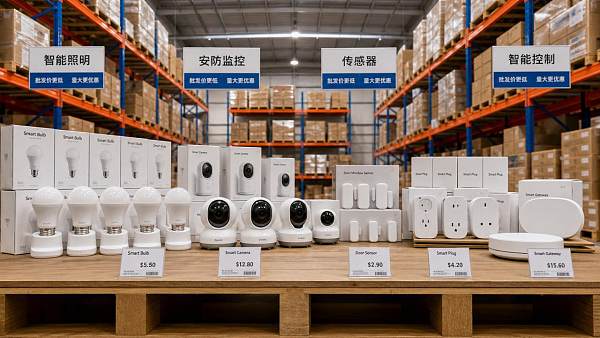
Wearable technology is improving fast, but comfort still decides adoptionWearable technology is evolving fast, but comfort still drives real adoption. Explore how design, fit, battery life, and daily usability shape the wearables consumers truly keep using. Smart home devices wholesale margins shrink faster than many expectSmart home devices wholesale margins are shrinking fast. Learn what causes profit erosion, which categories face price wars, and how distributors can protect growth and improve sourcing decisions.
 Agri-PV systems make sense only when land use goals are clearAgri-PV systems create business value only when land use goals are clearly defined. Discover how aligned energy, farming, and ESG priorities reduce risk and improve returns.
 Organic fertilizers vs synthetic inputs: where does the payoff change?Organic fertilizers vs synthetic inputs: discover where costs, compliance, soil health, and market premiums shift the payoff—and how to choose the smartest long-term strategy.
 Smart classroom solutions often underdeliver without teacher-side usabilitySmart classroom solutions often fail when teacher-side usability is ignored. Discover scenario-based insights to improve adoption, reduce friction, and maximize classroom ROI.










Popular Tags
Global Trade Insights & Industry
Our mission is to empower global exporters and importers with data-driven insights that foster strategic growth.
Search News
Popular Tags
Industry Overview
The global commercial kitchen equipment market is projected to reach $112 billion by 2027. Driven by urbanization, the rise of e-commerce food delivery, and strict hygiene regulations.