

Interior design cost keeps changing? Here’s what drives it
Interior design cost rarely changes for just one reason. In most projects, price movement comes from a mix of scope shifts, material volatility, labor availability, procurement timing, logistics, compliance needs, and client decision speed. For buyers, sourcing teams, distributors, and business evaluators, the key is not only asking “how much does interior design cost?” but understanding which variables are fixed, which are negotiable, and which can escalate late in the process. When viewed through a supply chain and procurement lens, interior design pricing becomes far more predictable.
Why does interior design cost keep changing in the first place?
The short answer is that interior design is not a single product with a static price. It is a layered service-and-supply package that includes concept work, technical planning, materials, vendor coordination, fabrication, transport, installation, revisions, and timeline risk. As soon as one of these inputs changes, the total cost can move.
For commercial buyers and research-driven decision-makers, the biggest mistake is assuming the quoted number reflects only design creativity. In reality, a design budget is often shaped more by execution conditions than by the design fee itself.
Common reasons interior design cost changes include:
- Scope adjustments: adding rooms, changing layouts, or increasing customization
- Material substitutions: finishes, fixtures, textiles, wood, metal, or imported components
- Labor fluctuations: installer rates, specialist trades, local labor shortages
- Timeline compression: rush production, expedited shipping, overtime labor
- Procurement complexity: multi-vendor sourcing, MOQs, packaging, warehousing, and last-mile delivery
- Site conditions: structural limitations, measurement errors, hidden defects, compliance upgrades
- Regional and cross-border issues: duties, currency movement, port delays, certification requirements
That is why two similar-looking projects can show very different cost trajectories after the initial estimate.
What are buyers and procurement teams usually most concerned about?
For the target audience in B2B and market intelligence contexts, the concern is usually not design theory. It is budget reliability, sourcing transparency, supplier coordination, and risk exposure. They want to know whether the current quotation is likely to hold and what could cause the final cost to exceed the approved budget.
In practice, decision-makers typically focus on five questions:
- Which part of the budget is most likely to change?
- Can the specification be delivered consistently across suppliers or regions?
- How much of the quote depends on assumptions rather than confirmed procurement data?
- What hidden costs appear after design approval?
- How can price volatility be reduced before placing orders?
These are valid concerns because interior design cost often rises not during ideation, but during specification, sourcing, logistics, and installation.
Which cost components move the most during an interior design project?
If the goal is to forecast budget movement accurately, it helps to separate relatively stable costs from highly variable ones.
Usually more stable:
- Initial design consultation fees
- Base concept development
- Standard documentation deliverables
- Pre-agreed project management fees
Usually more variable:
- Custom furniture and millwork
- Imported materials and decorative finishes
- Lighting packages and hardware
- Freight, duties, and storage
- Installation and rework
- Late-stage client revisions
Custom and semi-custom elements are particularly important. A design concept may look settled on paper, but when exact dimensions, textures, coatings, fire ratings, moisture resistance, or brand standards are applied, unit cost can change quickly.
This is especially relevant when projects overlap with adjacent sourcing categories such as outdoor furniture supplier networks, fabricated metal parts, or specialized manufacturing services like 3D printing quotation workflows. In those cases, the design cost is influenced by broader industrial procurement conditions, not just aesthetic choices.
How do materials and product specification affect interior design cost?
Materials are one of the biggest cost drivers because they combine price, availability, performance, and lead time. A finish selected at the concept stage may become unavailable, delayed, or non-compliant by the time procurement starts. Even when the design vision remains unchanged, the cost may rise due to specification upgrades or sourcing constraints.
Here is where costs typically move:
- Natural versus engineered materials: stone, solid wood, and specialty veneers usually carry higher sourcing and waste costs
- Brand-specific requirements: hospitality, retail, and corporate projects often require approved brands or tested systems
- Performance standards: stain resistance, slip rating, acoustic treatment, fire certification, and environmental compliance add cost
- Batch consistency: matching color, grain, or finish across larger projects can reduce supplier flexibility
- Minimum order quantities: low-volume projects may pay more per unit for specialized products
For procurement teams, the important takeaway is that a lower-priced substitute is not always a like-for-like substitute. It may reduce upfront purchase cost while increasing installation risk, maintenance burden, or replacement frequency.
How much do labor, location, and timeline pressure influence final pricing?
Often more than expected. Interior design cost can increase sharply when a project depends on specialist trades, after-hours site access, unionized labor environments, multi-site rollouts, or compressed fit-out schedules.
Labor-related cost changes often come from:
- Regional wage differences
- Shortages in skilled installers or finishers
- Overtime charges for deadline recovery
- Coordination inefficiencies between design, contractor, and supplier teams
- Rework caused by inaccurate site conditions or late design revisions
Time pressure is especially expensive. A project that starts with standard shipping and normal installation windows can become significantly more costly if product approvals are delayed and the delivery deadline remains fixed. Expedited production, air freight, partial shipments, and urgent labor scheduling can all push the budget upward.
That is why experienced buyers evaluate the project timeline as a cost variable, not just a scheduling issue.
What hidden procurement and supply chain costs do people often miss?
This is where many budgets fail. The visible quote may cover design and product pricing, but not the full path from sourcing to usable installation. Hidden or under-estimated costs are common in both domestic and international projects.
Typical overlooked cost areas include:
- Freight rate changes between quotation and shipment
- Import duties, customs clearance, and local taxes
- Warehousing and staged delivery
- Packaging upgrades for fragile or oversized items
- Insurance and damage claims
- Site access restrictions and delivery coordination
- Installation consumables and hardware
- Punch-list corrections and replacement lead times
This is where supply chain management solutions can directly influence pricing outcomes. Better visibility into sourcing status, vendor dependency, shipping milestones, and inventory timing helps organizations prevent reactive spending. In other words, strong supply chain coordination does not just improve operations; it can protect interior design budgets.
How can business buyers judge whether a quotation is realistic?
A realistic quotation is not necessarily the lowest one. It is the one with the clearest assumptions, the strongest sourcing basis, and the smallest gap between estimated scope and actual execution requirements.
When reviewing an interior design cost proposal, buyers should check:
- Scope clarity: are all deliverables, rooms, quantities, and exclusions clearly stated?
- Specification depth: are products and finishes conceptual, provisional, or confirmed?
- Procurement status: are prices based on live supplier quotes or historical benchmarks?
- Lead time assumptions: are standard, rush, or uncertain lead times built into the price?
- Logistics coverage: does the quote include shipping, storage, duties, and installation?
- Change control: how are revisions and substitutions priced?
- Contingency structure: is there a formal allowance for volatility?
If too many lines remain provisional, the quote should be treated as a planning estimate rather than a budget commitment.
What can organizations do to keep interior design cost more predictable?
Full cost certainty is rare, but cost control is achievable. The most effective strategy is to make decisions earlier, define specifications more tightly, and align sourcing and design teams before procurement begins.
Practical ways to reduce budget volatility include:
- Freeze scope before detailed sourcing starts
- Prioritize commercially available materials where possible
- Pre-qualify suppliers and validate lead times early
- Build alternates for high-risk items before they become urgent
- Use clear approval checkpoints for design, pricing, and procurement
- Separate essential requirements from aesthetic preferences
- Track currency, freight, and commodity exposure for imported items
- Use supply chain management solutions for vendor coordination and cost monitoring
For distributors, agents, and sourcing intermediaries, there is also strategic value in maintaining an updated supplier intelligence base. Knowing which vendors are stable, flexible, and regionally competitive can reduce cost surprises across multiple projects.
Why does this matter for market researchers and commercial evaluators?
Interior design cost is not only a project issue. It can also signal broader market conditions. Material inflation, labor shortages, supplier concentration, and logistics disruptions often show up in design pricing before they are fully reflected in sector summaries.
For market researchers and business evaluators, tracking design cost movement can help reveal:
- Procurement stress in specific product categories
- Regional cost competitiveness
- Shifts in buyer preference from custom to modular solutions
- Rising demand for local sourcing over imported finishes
- The growing role of digital quoting and specification tools
In this sense, interior design pricing is also a useful lens on manufacturing responsiveness, distributor reliability, and supply chain resilience.
Final takeaway: what really drives changing interior design cost?
Interior design cost changes because the project is influenced by far more than design intent. The real drivers are scope discipline, material selection, labor conditions, procurement timing, logistics, compliance, and the quality of coordination across the supply chain. For B2B buyers and decision-makers, the smartest approach is to treat pricing as a dynamic system, not a static quote.
When a proposal is supported by clear specifications, realistic lead times, transparent sourcing assumptions, and strong supply chain management solutions, cost movement becomes easier to explain and easier to control. That is ultimately what matters most: not eliminating every change, but understanding what drives it early enough to make better commercial decisions.
Recommended News
 IMDG Code 41-24 Enforces UN3480 Class 9 Labeling for Lithium Battery Sea FreightIMDG Code 41-24 mandates UN3480 lithium battery sea freight to display durable Class 9 labels from April 27, 2026—avoid delays & port rejections.
 ESS Key Component Prices Drop ~80%: Quality & Compliance RiseESS key component prices dropped ~80%—but quality & compliance demands surged. Discover how UL 9540A, AS/NZS 5139, and certified BMS/inverters now define market access.
 Mexico NOM-019-SCFI-2026 Effective July 2026: EMC Certification Mandatory for Auto ElectronicsMexico NOM-019-SCFI-2026 mandates EMC certification for auto electronics from July 2026 — ensure compliance now to avoid supply chain disruption & customs delays.
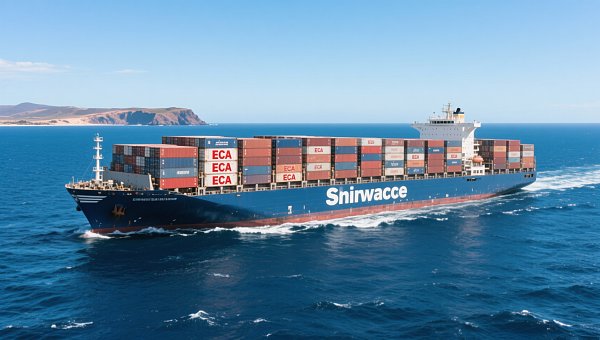
 Red Sea Rerouting Normalized, ECA Surcharge Hits $1,850/TEURed Sea rerouting normalized: ECA surcharge hits $1,850/TEU — 47% of total freight cost. Impacting hand tools, building materials & furniture exporters to Europe. Act now.
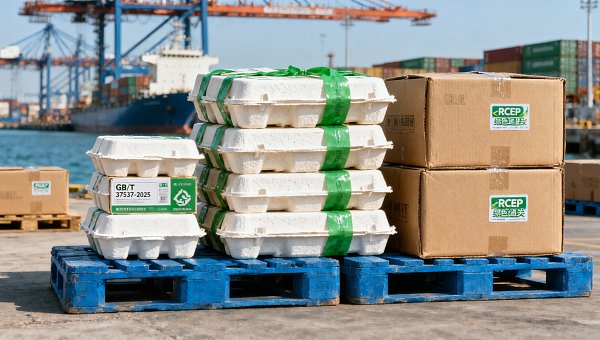
 RCEP Green Packaging Mutual Recognition Takes EffectRCEP Green Packaging Mutual Recognition is live—GB/T 37537-2025–certified packaging now enjoys fast-track clearance in Australia, NZ, Japan & Korea. Save time, cut costs, and boost export efficiency.
 Vietnam Suspends SASO Mutual Recognition for Chinese Irrigation EquipmentVietnam suspends SASO mutual recognition for Chinese irrigation equipment—drip tapes, PE fittings, auto valves now require VINAQ-IR certification. Act now to avoid delays & customs hold.
 Key Energy Storage Equipment Prices Drop ~80% in ChinaKey energy storage equipment prices in China dropped ~80% — PCS, BMS & liquid cooling units. Discover implications for compliance, margins & standards enforcement.
") China Releases Green Design Guidelines for Industrial Products (2026)China's 2026 Green Design Guidelines for industrial products—covering PV modules, lithium batteries & smart appliances—link eco-design to green factory certification and export tax rebates starting 2027.
China Releases Green Design Guidelines for Industrial Products (2026)China's 2026 Green Design Guidelines for industrial products—covering PV modules, lithium batteries & smart appliances—link eco-design to green factory certification and export tax rebates starting 2027. Mexico NOM-019-SCFI-2026 Effective: Automotive Electronics Require New EMC CertificationMexico NOM-019-SCFI-2026 is live: Automotive electronics (infotainment, ADAS, domain controllers) now require mandatory EMC certification by July 31, 2026 — act now to avoid customs delays.
 Red Sea Detour Premium Rises to $1,850/TEU Amid Port Congestion ReliefRed Sea Detour Premium hits $1,850/TEU — now 43% of FE–NE freight rates. Discover why this structural surcharge demands urgent supply chain action.
 TÜV Rheinland Updates PLd Certification: EMC Immunity Now Mandatory for Servo DrivesTÜV Rheinland now mandates EN IEC 61000-6-2:2024 EMC immunity testing for PLd certification of servo drives—act before May 26, 2026 to avoid EU market delays.
 RCEP Green Packaging Mutual Recognition Effective Apr 26, 2026RCEP Green Packaging Mutual Recognition takes effect Apr 26, 2026—unlock faster customs clearance & cost savings for eco-friendly packaging exporters to AU, NZ, JP, KR.
 FDA Final Rule: AI Diagnostic Devices Must Submit Bias Impact ReportsFDA mandates AI diagnostic devices submit third-party-verified bias impact reports—key for 510(k)/De Novo submissions. Act now to ensure compliance & market access.
 Vietnam Suspends SASO Mutual Recognition for Chinese Irrigation EquipmentVietnam suspends SASO mutual recognition for Chinese irrigation equipment—urgent QCVN certification now required for drip tapes, sprinklers, valves & smart controllers.
 SABER Phase II Launch: Building Hardware Must Submit Digital Type Test Reports & PIDSABER Phase II now requires digital type test reports & PID for building hardware — fasteners, door/window, bathroom fixtures. Avoid port rejection: ensure PID-bound compliance before shipment.
 IMDG Code 41-24 Enforced: UN3480 Lithium Batteries Require Class 9 LabelsUN3480 lithium batteries now require ISO 7225-compliant Class 9 labels under IMDG Code 41-24 — enforceable globally from 26 April 2026. Act now to avoid shipment delays!
 Which Home Improvement Tools Do You Really Need First?Home improvement tools guide: discover the first essentials to buy, compare smart home automation devices and online trade platform sourcing tips, and make safer, smarter purchases.
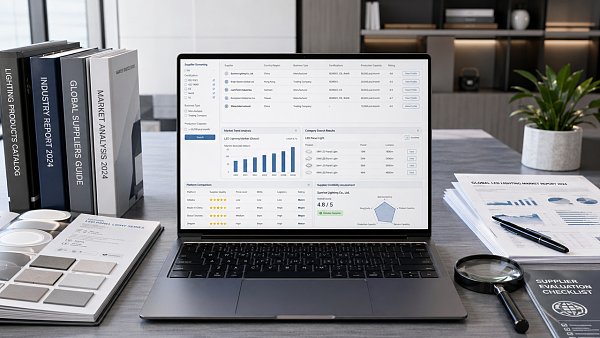
 How to Compare an Online Trade Platform Before Signing Up?Compare an online trade platform with confidence—evaluate data quality, supplier trust, market insights, and search tools for smarter sourcing across cement price, MRI scanners cost, and more.
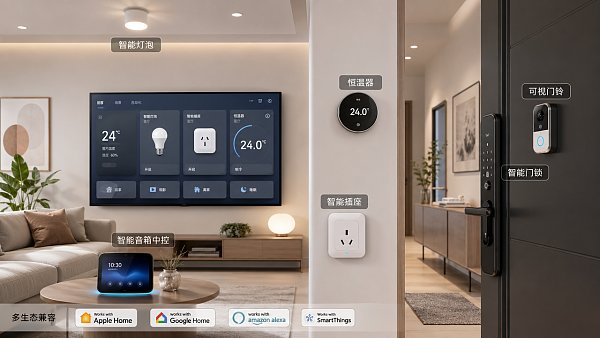
 Which Smart Home Automation Devices Are Easiest to Use?Smart home automation devices made simple: compare easy-to-use smart home automation devices, home improvement tools integration, and buyer tips from a business intelligence platform.
 Are Auto Detailing Services Worth the Cost?Auto detailing services: discover if the cost is justified, how pricing varies, and how a business intelligence platform helps buyers compare value, quality, and long-term ROI.
 What Makes Sustainable Fashion Brands Worth Buying?Sustainable fashion brands deliver transparency, quality, and lower risk. See how a business intelligence platform helps buyers verify value, avoid greenwashing, and source smarter.

















Popular Tags
Global Trade Insights & Industry
Our mission is to empower global exporters and importers with data-driven insights that foster strategic growth.
Search News
Popular Tags
Industry Overview
The global commercial kitchen equipment market is projected to reach $112 billion by 2027. Driven by urbanization, the rise of e-commerce food delivery, and strict hygiene regulations.