

How Bend Radius Affects Metal Parts
Bend radius plays a critical role in sheet metal bending, influencing strength, dimensional accuracy, tooling choice, and overall production cost. For buyers and market researchers comparing sheet metal gauge requirements, sheet metal ductwork applications, or broader industrial sourcing trends—from radiators price to lawn mowers cost—understanding bend radius helps evaluate quality and supplier capability with greater confidence.
Why bend radius matters more than many buyers expect
In metal fabrication, bend radius is the inside curvature formed when sheet metal is bent. It may look like a small design detail, but it directly affects cracking risk, springback, edge deformation, part fit, and repeatability across batches. For procurement teams reviewing multiple quotations, bend radius is often one of the quiet variables that explains why two suppliers can offer very different prices for parts that seem identical on paper.
A practical rule used in many workshops is to start with an inside bend radius close to the material thickness, then adjust for alloy, temper, tooling, and finish requirements. In common sourcing discussions, buyers may compare 0.8 mm, 1.2 mm, 2.0 mm, and 3.0 mm sheet thicknesses, but fail to ask whether the supplier is bending at 0.5T, 1T, or 2T. That omission can change both manufacturability and long-term durability.
For information researchers and business evaluators, bend radius is also a capability signal. A supplier that can explain minimum bend limits, expected springback, tolerance stack-up, and tool selection usually has a more mature process than one that only confirms price and lead time. This becomes especially important in cross-border sourcing, where sample cycles often take 7–15 days and design revisions can add another 1–2 weeks.
Trade-focused platforms such as GTIIN and TradeVantage help decision-makers connect technical details like bend radius with broader supplier intelligence. That matters because a sourcing decision is rarely only about one part. It often includes price benchmarking, market timing, production region comparison, and supplier visibility across multiple industrial categories.
Core effects of an unsuitable bend radius
- Too small a bend radius can increase the chance of surface cracking, especially in harder materials, coated sheets, or parts with tight cosmetic requirements.
- Too large a bend radius may reduce dimensional compactness, interfere with assembly envelopes, and require redesign of adjacent brackets, holes, or fastener positions.
- An inconsistent bend radius across batches can cause fit-up variation, making downstream welding, riveting, and enclosure assembly slower and more expensive.
- Poor bend planning often leads to hidden costs in scrap, tooling changes, secondary straightening, and repeated sample approval cycles.
How material type, sheet metal gauge, and tooling change the result
Bend radius cannot be evaluated in isolation. It depends on material family, temper, grain direction, thickness, and forming method. Mild steel, stainless steel, aluminum, galvanized sheet, and pre-painted metal all behave differently under the same press brake setup. That is why experienced buyers request both material grade and forming assumptions when comparing offers.
For example, aluminum often needs more careful bend planning than low-carbon steel because certain tempers are less forgiving in tight bends. Stainless steel may show stronger springback, requiring compensation during tooling setup. Coated or decorative sheet may survive the structural bend but fail appearance standards if the radius is too sharp. In ductwork, cabinet enclosures, brackets, and appliance parts, this difference can decide whether a product passes inspection.
Tooling choice also matters. Air bending, bottoming, and coining do not produce the same internal radius or force profile. Air bending is common because it is flexible and efficient, but the resulting bend radius is strongly influenced by die opening. Bottoming provides tighter control in some cases but may increase tonnage demand. Coining can improve precision, yet it raises tooling wear and cost. For medium-volume orders, the right process can shorten rework time by 10–20% in real production environments.
Buyers comparing sheet metal gauge options should also remember that bend deductions, K-factor assumptions, and flat pattern calculations become more sensitive as designs get tighter. A small deviation in bend radius may not matter on a simple cover panel, but it can disrupt a multi-bend chassis with hole patterns, inserts, and mounting tabs spread across several faces.
Typical considerations by material and process
The table below gives a practical sourcing view of how bend radius considerations vary by material and forming context. These are not fixed engineering limits, but they reflect common procurement questions used to screen supplier understanding before RFQ finalization.
For distributors and agents, this kind of comparison helps during supplier prequalification. It also supports better communication with end clients who may ask why one sheet metal ductwork supplier accepts a geometry while another proposes a revised radius or alternate gauge.
Three technical signals that a supplier understands bend radius well
- They discuss inside radius, outside setback, and springback together rather than treating the bend angle alone as the full specification.
- They review hole-to-bend distance, flange length, and grain direction during DFM feedback, usually within the first 24–72 hours after receiving drawings.
- They can explain whether dimensional control will be managed by process setup, special tooling, or secondary inspection during pilot and repeat production.
What should procurement teams compare before approving a bent metal part supplier?
When buyers request quotations for bent metal parts, the cheapest line-item price rarely tells the full story. Bend radius influences tooling fit, inspection method, scrap rate, and production consistency. A supplier that seems more expensive at the quoting stage may actually reduce total sourcing cost by minimizing redesign loops, rejected lots, and assembly issues.
For business assessment teams, a structured comparison framework is useful because bent components appear in many sectors: enclosures, HVAC ductwork, brackets, transport parts, appliance frames, retail fixtures, and agricultural equipment. Even if the final buying project is unrelated to radiators price or lawn mowers cost, the same sourcing logic applies: compare technical feasibility, not just unit price.
A solid procurement review usually includes at least 5 key checks: material confirmation, bend radius feasibility, tolerance capability, finish impact, and lead-time realism. If any of these are missing, the project may move forward with a hidden technical gap. For repeat buyers managing quarterly or monthly purchasing cycles, that risk compounds quickly.
The comparison table below can be used during RFQ review, supplier onboarding, or distributor evaluation. It is especially practical when several factories propose different sheet metal gauge adjustments or suggest radius changes to improve yield.
This evaluation method helps procurement teams separate “quote compliance” from “manufacturing readiness.” In many B2B projects, the strongest suppliers are not those promising the most aggressive geometry, but those giving realistic bend radius recommendations early enough to protect schedule and budget.
A practical 4-step sourcing checklist
- Review the drawing for bend notes, critical dimensions, hole-to-edge relationships, and finish requirements before requesting price.
- Ask suppliers to confirm minimum feasible bend radius and expected angle variation for the specified sheet metal gauge.
- Request a sample or pilot batch if the part includes cosmetic surfaces, coated materials, or complex multi-bend geometry.
- Compare not only unit cost, but also sampling time, revision responsiveness, and communication quality during technical clarification.
Cost impact, alternatives, and common trade-offs in real projects
Bend radius affects cost in direct and indirect ways. Direct costs include tooling setup, machine time, scrap, and inspection effort. Indirect costs include redesign, delayed approval, packaging changes, and field fitment issues. In low-volume projects, a small geometry change may save little. In medium or recurring volume, the same change can influence total landed cost over 3–12 months of purchasing cycles.
When a required bend radius is too tight, buyers generally have 3 alternatives. First, change the material or temper. Second, increase the bend radius and adjust adjacent geometry. Third, split the part into multiple components joined by welding, fastening, or assembly hardware. Each route has trade-offs in appearance, structural behavior, tooling complexity, and logistics.
For example, a single-piece design may appear cheaper at first glance, but if the radius forces high scrap rates or repeated setup trials, a two-part assembly may be more commercially stable. On the other hand, splitting parts can add welding distortion, hardware cost, and inspection time. That is why cost comparison should include manufacturing route, not only piece price.
In broader industrial sourcing, this mirrors the logic buyers use when comparing radiators price, lawn mowers cost, or fabricated enclosure cost: the visible price is just one layer. What matters is total value across quality, delivery, serviceability, and replacement risk.
Typical cost-related decision paths
The following table helps clarify how bend radius choices can influence the sourcing outcome. It is useful during quotation analysis, value engineering reviews, and distributor discussions with end users who need a balanced recommendation rather than a purely technical answer.
The right choice depends on order size, function, finish, and delivery pressure. For small trial quantities, design flexibility may matter more than tooling optimization. For repeat monthly volume, even a minor radius adjustment can reduce production friction and improve quote stability over time.
Where hidden cost usually appears
- Extra sampling caused by cracks, angle deviation, or mismatch between flat pattern and formed part dimensions.
- Delayed shipment when first articles fail inspection and revised tooling or setup is needed within a 5–10 day window.
- Assembly inefficiency when flange variation creates alignment problems in downstream welding or fastening operations.
- Surface rejection on painted, plated, or visible components where bend marks exceed acceptable cosmetic standards.
Common misconceptions, FAQ, and what market researchers should track
Many sourcing teams assume that if a drawing can be modeled, it can be bent economically. That is not always true. Bend radius decisions interact with material behavior, production method, finishing requirements, and commercial volume. Market researchers looking across supplier regions should therefore treat bend capability as both a technical variable and a commercial differentiator.
Another common misconception is that tighter radius always means better engineering. In practice, the best design is often the one that balances structural need, manufacturability, and consistency over repeated orders. For distributors and agents, that balance is essential because service complaints usually arise from repeatability problems, not from theoretical design intent.
For cross-border B2B evaluation, it is also useful to track supplier responsiveness. A technically capable factory should normally provide bend-related DFM comments, feasibility notes, or clarification questions within 1–3 business days. Slower or vague replies can signal project management weakness even if the price is competitive.
Platforms that combine industrial intelligence with visibility, such as GTIIN and TradeVantage, are valuable here because they help buyers compare suppliers, market trends, and category-level sourcing signals in one place. That broader view helps organizations make better decisions when moving from information research to RFQ, pilot order, and supplier shortlist.
FAQ: questions buyers often ask about bend radius
How do I choose a bend radius for sheet metal parts?
Start with material type, thickness, and function. A common starting point is an inside bend radius near the material thickness, but that is only a guideline. You should confirm grade, temper, finish, and whether the part has cosmetic faces or tight assembly constraints. For new projects, asking the supplier to validate the radius during sampling is often the safest route.
What should I check when a supplier proposes changing the bend radius?
Check whether the change affects outer dimensions, hole positions, clearance zones, and mating parts. Then review whether the revision improves yield, shortens lead time, or lowers risk of cracks. If the supplier can explain the impact on manufacturing and assembly clearly, the proposed change may be commercially beneficial rather than a quality compromise.
Does bend radius affect delivery time?
Yes. Challenging bend geometry can add time for tooling selection, sample trials, and first article correction. In many standard projects, sample preparation may take 7–15 days. If the bend radius is close to the material limit, additional trial rounds can extend the schedule by another several working days or more.
Is bend radius only important for heavy industrial parts?
No. It matters in light enclosures, HVAC ductwork, appliance panels, retail fixtures, transport brackets, and consumer-adjacent products as well. Even where load is moderate, poor bend radius control can create visual defects, assembly misfit, and inconsistent batch quality.
Why work with us when evaluating suppliers, technical content, and market direction
For companies navigating global sourcing, the challenge is rarely limited to one technical term such as bend radius. The real task is connecting part feasibility, supplier quality signals, market visibility, and category intelligence across multiple sectors. GTIIN and TradeVantage are built for that broader decision process, helping exporters, importers, distributors, and procurement teams move from fragmented information to practical action.
Our value is not only in publishing industrial insights, but in organizing them so buyers and commercial evaluators can use them faster. Whether you are comparing sheet metal gauge options, assessing sheet metal ductwork suppliers, monitoring industrial pricing signals, or building a shortlist for fabricated components, we help translate technical details into sourcing confidence.
You can contact us for support around supplier discovery, parameter confirmation, product selection logic, typical delivery windows, custom sourcing scenarios, certification-related research, sample planning, and quotation communication. This is particularly useful when internal teams need a clearer market view before committing to RFQs, trial orders, or distributor negotiations.
If your team is evaluating bent metal parts or adjacent industrial categories, reach out with your target material, thickness range, drawing questions, expected order volume, delivery timeline, and region of interest. With those 5 inputs, we can help frame smarter next steps for sourcing, benchmarking, and supplier engagement.
Recommended News
 US CPSC Updates Child Sleep Sack Standard Effective July 2026US CPSC updates child sleep sack standard with new DSST test—mandatory for all U.S.-bound infant sleep sacks from July 2026. Act now to ensure compliance and market access.
 Red Sea Rerouting Pushes Asia-Europe Freight Premium to $1,850/TEURed Sea rerouting pushes Asia-Europe freight premium to $1,850/TEU—impacting importers, manufacturers & logistics providers. Act now to reassess costs, lead times & contracts.
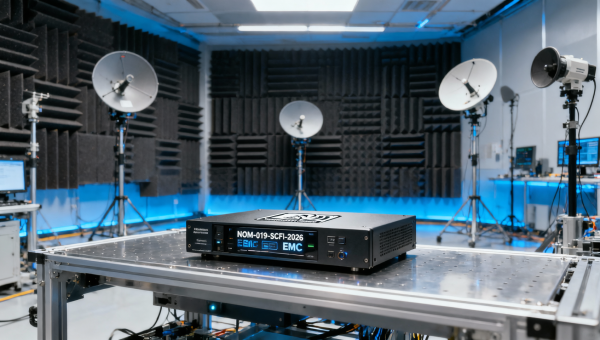
 Mexico NOM-019-SCFI-2026 Effective May 1, 2026: EMC Certification Mandatory for Auto ElectronicsNOM-019-SCFI-2026 EMC certification is now mandatory for auto electronics in Mexico—effective May 1, 2026. Ensure compliance for infotainment, ADAS, OBD-II & more.
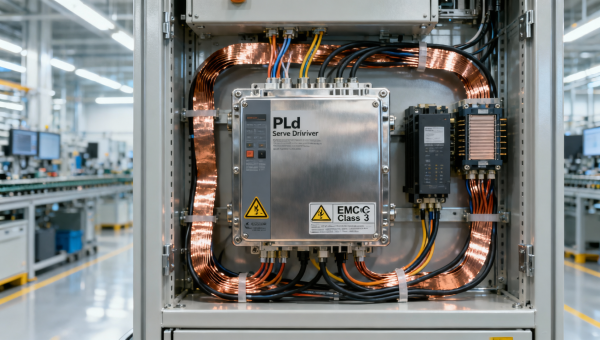
") TÜV Rheinland Updates CE Requirements for Servo Drives (PLd + EMC Class 3)TÜV Rheinland updates CE requirements for servo drives: PLd + EMC Class 3 joint validation mandatory from Q3 2026. Act now to avoid delays, rejections, or compliance risks.
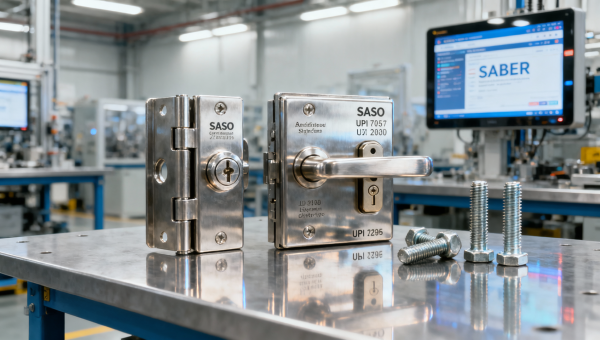
TÜV Rheinland Updates CE Requirements for Servo Drives (PLd + EMC Class 3)TÜV Rheinland updates CE requirements for servo drives: PLd + EMC Class 3 joint validation mandatory from Q3 2026. Act now to avoid delays, rejections, or compliance risks. SABER Phase II Launch: Building Hardware Must Submit Digital e-CoC & UPISABER Phase II mandates digital e-CoC & UPI for building hardware imports to Saudi Arabia—act now to ensure customs clearance and market access.
 FDA AI Diagnostic Device Draft Rules: Bias Assessment for ImportsFDA AI diagnostic device draft rules mandate bias assessment for imports — discover how algorithmic fairness impacts 510(k)/De Novo submissions and what to do now.
 RCEP Green Packaging Mutual Recognition Starts June 1, 2026RCEP Green Packaging Mutual Recognition starts June 1, 2026 — unlock faster exports to Australia, NZ, Japan & Korea with GB/T 37572-2025 certification.
 Vietnam Suspends SASO Mutual Recognition for Chinese Irrigation EquipmentVietnam suspends SASO mutual recognition for Chinese irrigation equipment—impacting exporters, testers & suppliers. Act now to avoid 6–8 week delays & 35% cost hikes.
 IMDG Code 41-24 Enforces UN3480 Class 9 Labeling for Li-ion Battery Sea FreightIMDG Code 41-24 enforces UN3480 Class 9 labeling for Li-ion battery sea freight—learn mandatory QR labels, compliance actions & port enforcement risks.
 EU CBAM Enters Enforcement Phase on April 1, 2026EU CBAM enforcement starts April 1, 2026 — critical for Chinese battery materials, construction profiles & industrial coatings exporters. Act now to avoid customs delays.
 Mexico Enforces NOM-019-SCFI-2026 EMC Certification for Auto Electronics from May 2026Mexico enforces NOM-019-SCFI-2026 EMC certification for auto electronics from May 2026 — mandatory local testing, stricter standards, and urgent compliance action required.
 Global Port Congestion Eases, but Red Sea Rerouting PersistsRed Sea rerouting persists amid easing port congestion—Shanghai–Rotterdam freight rates surge 4.2% to $5,280/TEU. Critical insights for exporters, importers & logistics leaders.
 RCEP Green Packaging Mutual Recognition Starts June 2026RCEP Green Packaging Mutual Recognition starts June 2026 — streamline exports to Australia, NZ, Japan & SK with GB/T 37572-2025 certification. Save time & costs!
 FDA AI Diagnostic Device Rules: ABIA Required from Q3 2026FDA AI diagnostic device rules now require ABIA reports from Q3 2026 — essential for 510(k)/De Novo submissions. Stay compliant, avoid delays & secure U.S. market access.
 Vietnam Suspends SASO Mutual Recognition for Chinese Irrigation EquipmentVietnam suspends SASO mutual recognition for Chinese irrigation equipment—sprinkler systems, drip controllers & irrigation systems now require local QUATEST 3 testing. Act now to avoid 12-week delays & 35% cost hikes.
") TÜV Rheinland Updates CE Certification for Industrial Robot Drives (2026 Q3)TÜV Rheinland’s 2026 Q3 CE certification update for industrial robot drives mandates PLd safety + EN 61800-3 EMC — act now to avoid EU market delays.
TÜV Rheinland Updates CE Certification for Industrial Robot Drives (2026 Q3)TÜV Rheinland’s 2026 Q3 CE certification update for industrial robot drives mandates PLd safety + EN 61800-3 EMC — act now to avoid EU market delays. IMDG Code Amendment 41-24 Takes Effect for Lithium Battery Sea FreightIMDG Code Amendment 41-24 is live: New QR labels, bilingual handling tags & SOC disclosure required for UN3480 lithium battery sea freight—act now to avoid delays.
 SASO SABER Phase II: Digital Type Test Reports Required for Building Hardware from Jun 2026SASO SABER Phase II requires digital type test reports & unique product IDs for building hardware exports to Saudi Arabia — effective June 2026. Act now to ensure compliance and avoid customs delays.
 CPSC Updates 16 CFR Part 1236: New Suffocation Test for Children's Sleep Sacks Effective July 2026CPSC Updates 16 CFR Part 1236: New suffocation test for children's sleep sacks takes effect July 2026 — ensure compliance, avoid delays & protect your U.S. market access.
 EN IEC 62471-2:2026 Effective Oct 2026 for EU LED Lighting ExportsEN IEC 62471-2:2026 mandates full-spectrum photobiological safety testing (200–3000 nm) for all EU-bound LED lighting — effective 1 Oct 2026. Act now to secure CE marking & avoid market access delays.
 AI Patent Tools Security Flaw Triggers Compliance ReviewAI Patent Tools security flaw exposed—triggering urgent compliance reviews for medical device, semiconductor & AI firms. Act now to secure submissions.
















Popular Tags
Global Trade Insights & Industry
Our mission is to empower global exporters and importers with data-driven insights that foster strategic growth.
Search News
Popular Tags
Industry Overview
The global commercial kitchen equipment market is projected to reach $112 billion by 2027. Driven by urbanization, the rise of e-commerce food delivery, and strict hygiene regulations.