

China First Country with 5M+ Active Invention Patents
China has become the world’s first country with over 5 million active invention patents, according to a notice issued by the China National Intellectual Property Administration (CNIPA) on April 27, 2026. This milestone carries particular relevance for international buyers evaluating technical capability, innovation sustainability, and long-term partnership potential—especially in technology-intensive categories such as testing instruments, optical instruments, and machine vision.
Event Overview
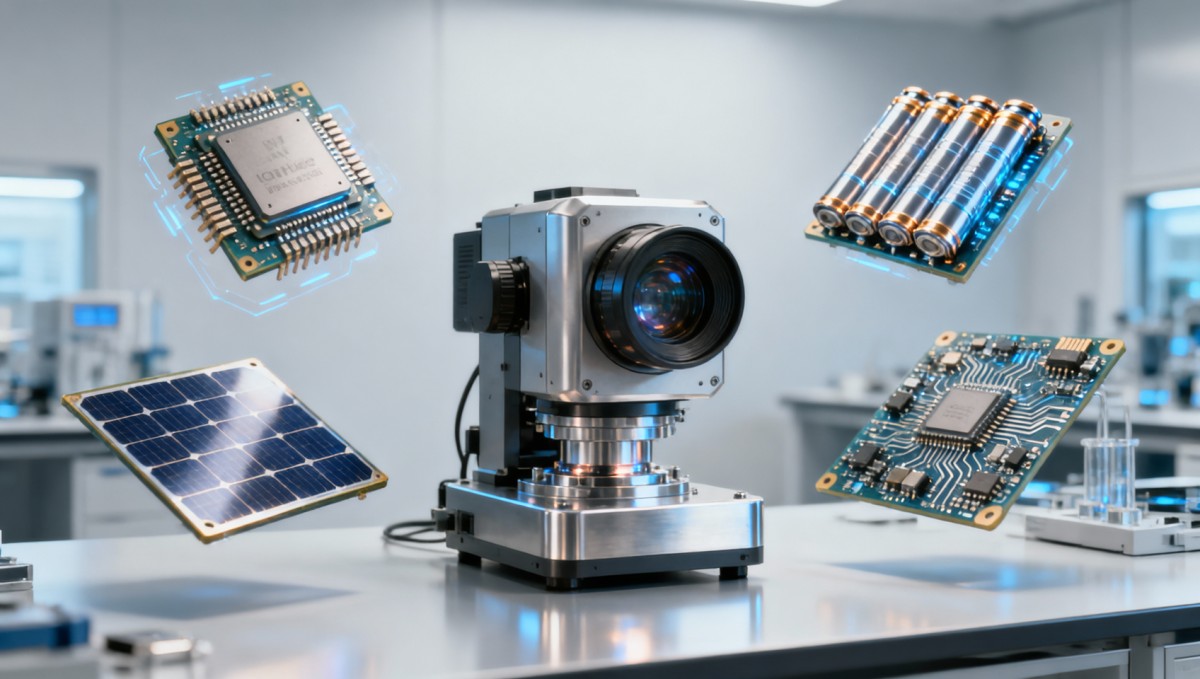
On April 27, 2026, CNIPA announced that China’s total number of valid invention patents exceeded 5 million—the highest globally. Of these, patents in four key fields—AI Applications, Solar Photovoltaic, Lithium Battery, and Renewable Energy Storage Systems—collectively accounted for 68% of the total.
Industries Affected
Direct Trading Enterprises
These enterprises—particularly those sourcing high-value industrial equipment or components from China—are increasingly required to assess supplier IP strength as part of due diligence. The 68% concentration in AI and clean energy patents signals growing technical depth in adjacent domains, which may influence buyer confidence in product reliability, upgrade cycles, and after-sales support capacity.
Raw Material Procurement Enterprises
Suppliers of critical materials (e.g., battery-grade lithium compounds, PV-grade silicon, or specialty optical glass) face indirect pressure: rising patent activity in downstream applications often accelerates standardization efforts and triggers tighter IP-aligned quality or traceability requirements—potentially affecting material certification timelines and documentation expectations.
Contract Manufacturing & OEM Firms
Firms engaged in electronics assembly, precision instrumentation, or energy system integration may encounter more frequent requests for IP clearance statements or design ownership disclosures—especially when delivering subsystems embedded with AI inference logic or energy management firmware covered by core Chinese patents.
Distribution & Channel Partners
For distributors handling testing instruments or machine vision hardware, this data reinforces the need to verify whether product documentation includes patent compliance statements—particularly for export markets where local IP enforcement is tightening (e.g., EU, U.S., Japan). Absence of such information may delay customs clearance or trigger post-import audit risks.
Supply Chain Service Providers
Logistics integrators, IP-focused compliance consultants, and technical translators serving cross-border B2B transactions should expect increased demand for services related to patent landscape mapping, freedom-to-operate (FTO) screening, and bilingual patent claim analysis—especially for products falling within the four high-concentration technology areas.
What Relevant Enterprises or Practitioners Should Focus On
Monitor Official Updates on Patent Classification & Reporting Standards
CNIPA is expected to refine its public reporting framework—including possible updates to patent field definitions (e.g., “AI Applications”) and validity verification protocols. Enterprises relying on official patent data for supplier vetting should track any revisions to ensure alignment between internal assessment criteria and publicly available metrics.
Review Supplier Portfolios Against the Four High-Concentration Technology Areas
When auditing existing or prospective suppliers—especially in testing instruments, optical systems, or automated inspection platforms—prioritize review of their patent holdings in AI Applications, Solar PV, Lithium Battery, and Renewable Energy Storage Systems. A strong presence in at least one of these areas may indicate deeper R&D integration and longer-term technical continuity.
Distinguish Between Policy Signal and Operational Readiness
The 5-million-patent milestone reflects cumulative filings and maintenance—not uniform commercial maturity. Enterprises should avoid equating patent volume with immediate product readiness; instead, cross-reference patent publication dates, grant status, and cited prior art to gauge actual implementation traction.
Prepare Documentation Templates for IP-Related Supplier Questionnaires
Proactively develop standardized questionnaires covering patent ownership, licensing status, and third-party infringement risk disclosures—particularly for new procurements involving embedded software, power electronics, or sensor-integrated hardware. Early adoption helps streamline audits and reduces last-minute compliance bottlenecks.
Editorial Perspective / Industry Observation
Observably, this milestone functions primarily as a structural signal—not yet an operational benchmark. While the scale confirms China’s sustained investment in strategic technology domains, the real-world impact depends less on aggregate numbers and more on how consistently those patents translate into enforceable rights, interoperable standards, and verifiable product differentiation. From an industry standpoint, the 68% concentration highlights a narrowing technical focus among Chinese innovators—one that aligns closely with global decarbonization and automation trends. However, it also implies increasing specialization, meaning enterprises must now calibrate supplier evaluations not just by geography or price, but by domain-specific IP density and application relevance.
Analysis shows that this development is better understood as an inflection point in technical due diligence—not a standalone validation metric. Its value lies in enabling more granular, evidence-based assessments of supplier capability, particularly where functional safety, regulatory compliance, or long lifecycle support are mission-critical.
Conclusion
This milestone does not signify a universal shift in supplier quality, but rather introduces a quantifiable dimension—patent concentration in AI and energy technologies—that enhances objective evaluation frameworks for procurement and partnership decisions. It is best interpreted not as a blanket endorsement, but as a data anchor for deeper, category-specific technical vetting.
Source Attribution
Main source: China National Intellectual Property Administration (CNIPA), official notice dated April 27, 2026.
Note: Ongoing observation is recommended regarding CNIPA’s forthcoming updates to patent classification methodology and public reporting granularity—particularly concerning the definition and scope of “AI Applications” and “Renewable Energy Storage Systems.”
Recommended News
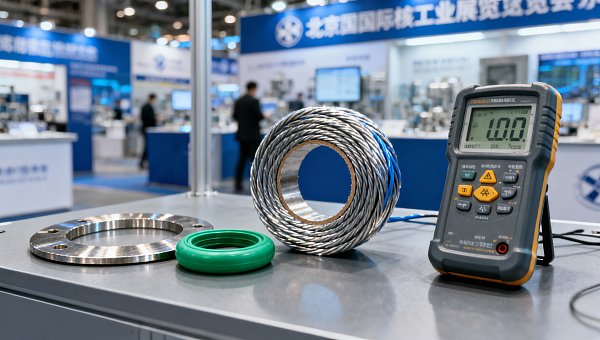
 China-France Nuclear Cooperation Advances at Beijing ExpoChina-France nuclear cooperation advances: mutual recognition for nuclear-grade seals, cables & radiation monitors boosts export readiness for suppliers targeting EU and BRI projects.
 Vietnam’s 4 Provinces Seek AI Tourism Tech in NanningAI tourism tech in demand: Vietnam’s 4 provinces seek AI-guided terminals, multilingual interpretation, AI-CCTV & smart ticketing in Nanning—key opportunity for B2G exporters.
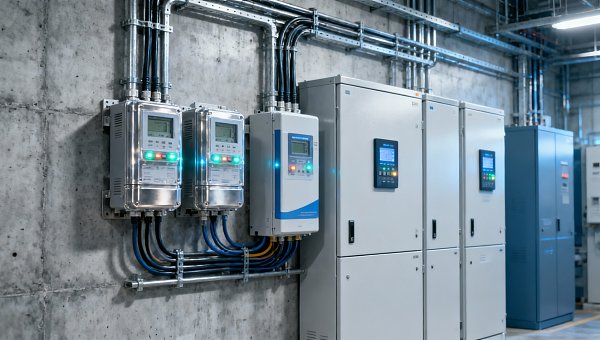
 Q1 2026 China Power Market Trading Up 25.6%: Smart Meters, Storage Export Demand RisesSmart meters, energy storage exports surge as China’s Q1 2026 power market trading jumps 25.6% — key signal for global manufacturers & channel partners.
 China First Country with 5M+ Active Invention PatentsChina first country with 5M+ active invention patents—key for buyers in AI, solar, lithium battery & energy storage. Discover IP implications for sourcing, compliance & supplier vetting.
![]() RCEP Green Packaging Mutual Recognition: China Food Packaging Exempt from Testing in AU/NZ/JP/KRRCEP Green Packaging Mutual Recognition now exempts China's food packaging from retesting in AU/NZ/JP/KR — faster clearance, 30% cost savings, and streamlined exports for brands & manufacturers.
RCEP Green Packaging Mutual Recognition: China Food Packaging Exempt from Testing in AU/NZ/JP/KRRCEP Green Packaging Mutual Recognition now exempts China's food packaging from retesting in AU/NZ/JP/KR — faster clearance, 30% cost savings, and streamlined exports for brands & manufacturers. Shenneng Etorkeqi Green Ammonia Project: Deionized Water Station OperationalShenneng Etorkeqi Green Ammonia Project’s deionized water station is now operational—ISO 8502-3 compliant, fully integrated, and a key milestone for global green hydrogen developers and exporters.
 China Launches 'Model-Data Resonance' Initiative for AI+Manufacturing InteroperabilityModel-Data Resonance initiative boosts AI+manufacturing interoperability—learn how GB/T XXXX–2026 aligns with VDI 2182 & ISA-95 for smoother global factory deployments.
 China’s First Embodied AI Robot Insurance Launched in GuangxiChina’s first embodied AI robot insurance launched in Guangxi—key for robotics exporters, AI hardware makers & global compliance teams. CE-recognized, EU/UK/AU-ready.
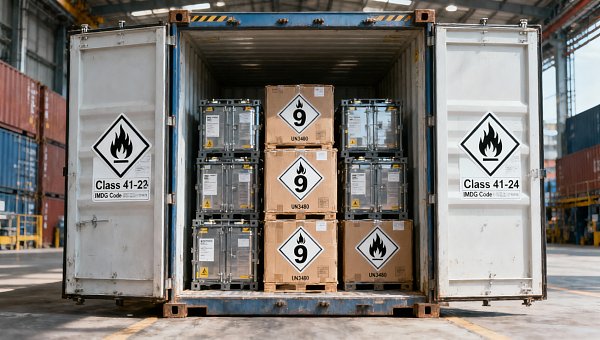
 IMDG Code 41-24 Enforced: UN3480 Lithium Battery Labeling Now MandatoryIMDG Code 41-24 is now mandatory: UN3480 lithium battery labeling, documentation & packaging rules are enforced globally as of 28 April 2026 — avoid port rejections!
 State Grid’s $680M Embodied AI Procurement Signals Export OpportunityEmbodied AI, IEC 61850 & IEC 62443: State Grid’s $680M procurement unlocks export opportunities for compliant industrial robots and smart vision systems in emerging markets.
 IMDG Code 41-24 Enforces UN3480 Class 9 Labeling for Lithium Battery Sea FreightIMDG Code 41-24 mandates UN3480 lithium battery sea freight to display durable Class 9 labels from April 27, 2026—avoid delays & port rejections.
 ESS Key Component Prices Drop ~80%: Quality & Compliance RiseESS key component prices dropped ~80%—but quality & compliance demands surged. Discover how UL 9540A, AS/NZS 5139, and certified BMS/inverters now define market access.
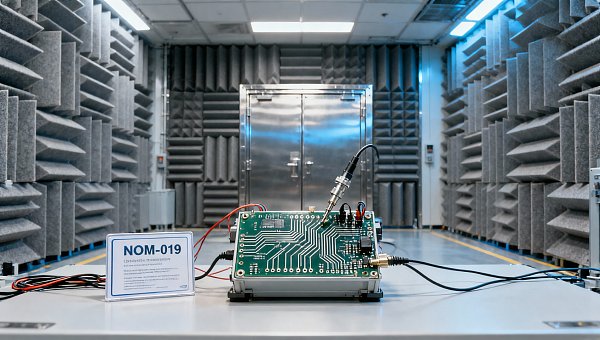
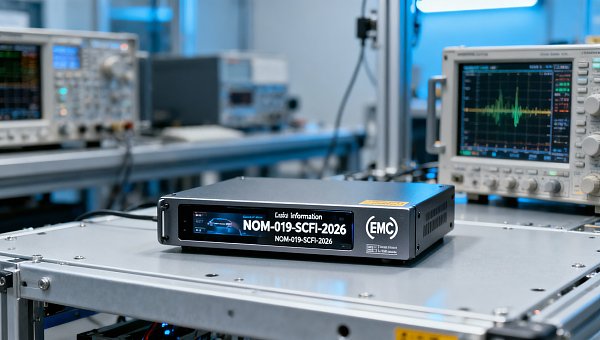
 Mexico NOM-019-SCFI-2026 Effective July 2026: EMC Certification Mandatory for Auto ElectronicsMexico NOM-019-SCFI-2026 mandates EMC certification for auto electronics from July 2026 — ensure compliance now to avoid supply chain disruption & customs delays.
 Red Sea Rerouting Normalized, ECA Surcharge Hits $1,850/TEURed Sea rerouting normalized: ECA surcharge hits $1,850/TEU — 47% of total freight cost. Impacting hand tools, building materials & furniture exporters to Europe. Act now.
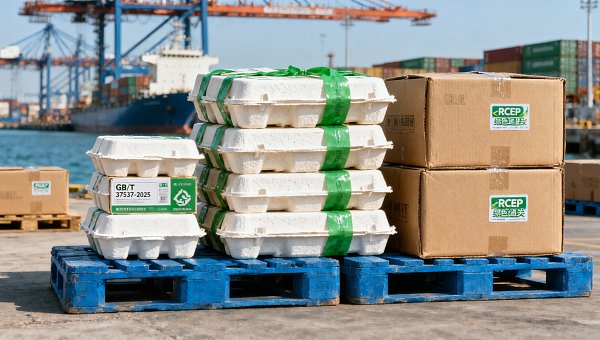
 RCEP Green Packaging Mutual Recognition Takes EffectRCEP Green Packaging Mutual Recognition is live—GB/T 37537-2025–certified packaging now enjoys fast-track clearance in Australia, NZ, Japan & Korea. Save time, cut costs, and boost export efficiency.
 Vietnam Suspends SASO Mutual Recognition for Chinese Irrigation EquipmentVietnam suspends SASO mutual recognition for Chinese irrigation equipment—drip tapes, PE fittings, auto valves now require VINAQ-IR certification. Act now to avoid delays & customs hold.
 Key Energy Storage Equipment Prices Drop ~80% in ChinaKey energy storage equipment prices in China dropped ~80% — PCS, BMS & liquid cooling units. Discover implications for compliance, margins & standards enforcement.
") China Releases Green Design Guidelines for Industrial Products (2026)China's 2026 Green Design Guidelines for industrial products—covering PV modules, lithium batteries & smart appliances—link eco-design to green factory certification and export tax rebates starting 2027.
China Releases Green Design Guidelines for Industrial Products (2026)China's 2026 Green Design Guidelines for industrial products—covering PV modules, lithium batteries & smart appliances—link eco-design to green factory certification and export tax rebates starting 2027. Mexico NOM-019-SCFI-2026 Effective: Automotive Electronics Require New EMC CertificationMexico NOM-019-SCFI-2026 is live: Automotive electronics (infotainment, ADAS, domain controllers) now require mandatory EMC certification by July 31, 2026 — act now to avoid customs delays.
 Red Sea Detour Premium Rises to $1,850/TEU Amid Port Congestion ReliefRed Sea Detour Premium hits $1,850/TEU — now 43% of FE–NE freight rates. Discover why this structural surcharge demands urgent supply chain action.
 TÜV Rheinland Updates PLd Certification: EMC Immunity Now Mandatory for Servo DrivesTÜV Rheinland now mandates EN IEC 61000-6-2:2024 EMC immunity testing for PLd certification of servo drives—act before May 26, 2026 to avoid EU market delays.










Popular Tags
Global Trade Insights & Industry
Our mission is to empower global exporters and importers with data-driven insights that foster strategic growth.
Search News
Popular Tags
Industry Overview
The global commercial kitchen equipment market is projected to reach $112 billion by 2027. Driven by urbanization, the rise of e-commerce food delivery, and strict hygiene regulations.