

Drip or Spray Irrigation Systems: Which Saves More
For buyers, distributors, and market researchers comparing irrigation systems, the drip vs. spray decision goes far beyond water use. It affects crop efficiency, maintenance costs, and long-term ROI across diverse applications, from landscape design to commercial supply chains. In today’s data-driven trade environment, understanding how irrigation systems perform alongside related sectors such as metal fabrication, modern furniture, upholstery fabrics, knitwear, motorcycle parts, car cleaning, life sciences, and RTW can reveal broader sourcing and market opportunities.
How should buyers compare drip irrigation and spray irrigation in real purchasing scenarios?
The core question is not simply which system saves more water, but which system creates better operational value under a given use case. In most procurement reviews, buyers evaluate at least 4 dimensions: water efficiency, installation complexity, maintenance burden, and suitability for the crop or surface area. A greenhouse grower, a landscape contractor, and an export distributor may all reach different conclusions from the same technical data.
Drip irrigation delivers water slowly near the root zone through emitters, tubing, or drip lines. Spray irrigation distributes water over a wider area through nozzles, pop-up heads, or sprinklers. The practical difference appears in daily operation. Drip systems usually support controlled, localized delivery over repeated cycles, while spray systems favor broader coverage and faster visible application across lawns, open beds, or large surface zones.
For procurement teams in cross-border trade, this comparison also affects sourcing strategy. Drip systems often involve more SKU variation, such as emitters, filters, pressure regulators, connectors, and tubing diameters. Spray systems may require fewer line types but more attention to nozzle pattern, pressure range, throw radius, and water drift risk. In a supply chain review spanning 2–4 weeks, these details influence not only product choice but also stocking, after-sales support, and spare parts planning.
This matters to GTIIN and TradeVantage audiences because irrigation is rarely assessed in isolation. Importers and distributors often compare it against adjacent sourcing categories, logistics timelines, and regional demand signals. A buyer serving commercial landscaping in the Middle East may prioritize evaporation control, while one serving municipal green zones in Europe may focus on maintenance standards, compliance documentation, and replacement cycles every 12–24 months.
A practical side-by-side view for decision-makers
The table below gives a procurement-focused comparison. It is designed for information researchers, sourcing managers, and distributors who need a fast screening tool before requesting quotations, checking BOM details, or validating installation requirements.
For most crop-focused applications, drip irrigation is generally the stronger water-saving option. However, the best purchasing choice still depends on terrain, labor capacity, pressure stability, and the commercial value of coverage speed. Buyers who only compare unit price often miss the full cost of filters, valves, replacement nozzles, and service intervals.
Which applications favor drip, and where does spray remain the better fit?
Application logic by surface, crop, and maintenance model
Drip irrigation usually performs best where precise root-zone watering matters. Typical scenarios include orchards, greenhouse vegetables, nursery operations, vine crops, and shrub borders in commercial landscaping. In these settings, irrigation is often scheduled in short repeated cycles of 20–60 minutes, depending on emitter flow rate, soil infiltration, and climate conditions. The ability to reduce water contact with non-target surfaces can lower weed pressure and improve input control.
Spray irrigation remains practical in areas that require visible and even surface coverage. Turf, public lawns, sports edges, open ornamental beds, and municipal landscapes often rely on spray or sprinkler patterns because a large area can be watered through fewer distribution points. When visual coverage, cooling effect, or fast turnaround matters, spray systems may outperform drip in operational convenience despite higher water loss potential in windy or high-heat conditions.
For distributors and agents, application matching affects inventory planning. Drip product lines usually require broader accessory support, including pressure regulators, mesh or disc filters, end caps, take-offs, and repair couplers. Spray lines may involve nozzle arcs, riser heights, rotor options, and replacement heads. Over a 6–12 month sales cycle, product returns often trace back to wrong application matching rather than product defects.
This is where market intelligence becomes commercially important. Through GTIIN and TradeVantage, businesses can track not only irrigation demand patterns but also adjacent project trends in construction, landscape materials, fabricated metal parts, and commercial furnishings. That broader lens helps buyers identify whether a region is shifting toward greenhouse intensification, urban landscaping, or infrastructure-linked outdoor development.
Typical use-case mapping
The following table helps buyers and market researchers screen common irrigation scenarios before moving into quotation requests or product bundle discussions.
The table shows why “which saves more” cannot be answered without site context. In mixed-use projects, a hybrid layout is common. Many commercial tenders divide irrigation into 2–3 zones based on vegetation type, water pressure, and maintenance crew skill level.
What technical and cost factors most directly affect ROI?
Beyond purchase price: pressure, filtration, labor, and replacement cycles
Drip irrigation often appears more complex at the sourcing stage because the system performance depends on several linked components. Buyers should verify at least 5 technical points: input water quality, filtration method, line pressure range, emitter spacing, and flushing access. In many practical installations, pressure regulation and filtration are not optional extras. If these are omitted, clogging and uneven delivery can shorten system life and weaken water-saving performance.
Spray irrigation has its own technical sensitivities. Pressure that is too high can increase misting and drift, while pressure that is too low may distort spray pattern and reduce coverage uniformity. In outdoor use, wind exposure is a major cost variable. A system that looks efficient on paper may waste water in the field if nozzles are oversized or spacing is not adjusted to site geometry. This is especially relevant in hot, open, or coastal environments.
From a commercial perspective, total cost should be reviewed over 12–36 months rather than by first invoice only. A lower-cost spray setup may result in higher water bills and more frequent head replacement. A drip system may require higher upfront spending on accessories but lower ongoing water use in controlled crop applications. For distributors, after-sales demand for spare parts can also shape margin structure and stock turnover.
In B2B sourcing, the most reliable ROI models connect technical design with supply chain consistency. TradeVantage supports this process by helping buyers compare market movement, supplier visibility, and related-sector shifts. When irrigation projects overlap with fabricated supports, pumps, valves, storage solutions, or automation hardware, broader industry monitoring can reduce sourcing blind spots and procurement delays.
Cost drivers buyers should calculate before approval
The table below focuses on cost and lifecycle considerations that frequently affect approval decisions in procurement, distribution, and project evaluation.
A realistic ROI review should include 3 layers: capital cost, operating cost, and service cost. When procurement teams put all 3 into one worksheet, the preferred system often becomes much clearer than it appears in a simple price comparison.
What should procurement teams, distributors, and evaluators check before placing orders?
A 6-point procurement checklist
In B2B irrigation sourcing, the biggest risks usually come from incomplete requirement definition. A quotation can look comparable while hiding major differences in pressure tolerance, accessory scope, replacement support, or site compatibility. Before approval, buyers should document technical needs, commercial conditions, and local installation realities in one clear requirement sheet.
This is especially important for importers and agents managing multiple end markets. One country may need systems for greenhouse crops, another for resort landscaping, and another for municipal distribution. The right procurement logic is to screen the project type first, then narrow down product architecture, rather than choosing a system based on the lowest unit cost.
For evaluators comparing vendors across 2–3 sourcing rounds, consistency of documentation matters. Product drawings, pressure recommendations, packaging details, replacement part lists, and lead time ranges should be reviewed together. Standard lead times in international sourcing can range from 15–45 days depending on order volume, accessory mix, and seasonality.
TradeVantage adds value at this stage by helping buyers connect supplier visibility with broader industry movement. That matters when procurement decisions involve more than one category, such as irrigation combined with pumps, fittings, fabricated brackets, storage racks, or maintenance tools. Better information alignment reduces fragmented sourcing and improves supplier communication.
Key checks before final negotiation
- Confirm water source conditions, including sediment level and filtration needs, because drip irrigation performance can decline quickly if water quality is not matched to emitter design.
- Review pressure range and zoning layout. A system designed for stable pressure may underperform in long-distance or uneven-terrain installations.
- Check accessory completeness, such as connectors, valves, regulators, end closures, repair parts, and nozzle options. Missing small components often cause shipment delays of 7–15 days.
- Ask for maintenance guidance, including recommended inspection frequency, flushing steps, and replacement intervals for wear parts.
- Verify packaging and logistics suitability for export distribution, especially if products will be re-sold through dealer networks or consolidated with other industrial goods.
- Clarify whether the project needs a single system or a hybrid solution. Many commercial sites perform better when drip and spray are assigned to separate zones.
A disciplined checklist often saves more money than chasing the lowest nominal price. For distributors, it also protects reputation, because installation disputes and field complaints are harder to manage once products have entered local channels.
Common misconceptions, compliance concerns, and future market signals
Misconceptions that distort irrigation system selection
One common misconception is that drip irrigation is always the cheaper long-term answer. It often saves more water, but it is not automatically the best commercial choice for every site. If maintenance teams are not trained to manage filters and flushing, or if the water source carries heavy sediment, the expected savings may not materialize. Operational discipline is part of the system cost.
Another misconception is that spray irrigation is outdated. In fact, spray remains highly relevant in turf, municipal, and decorative landscape projects where broad visual coverage matters. The right design, pressure balance, and nozzle selection can deliver acceptable efficiency, especially when watering windows are scheduled in low-wind periods such as early morning or late evening.
Compliance is also overlooked in many early-stage inquiries. While exact requirements vary by destination market, buyers may need to review material suitability, labeling, packaging, and general product documentation for import procedures. In project tenders, clear technical specs, maintenance instructions, and component identification are often more important than marketing claims. A complete document set can speed internal approval by several days.
From a market perspective, irrigation is increasingly linked to wider industrial trends: water management, controlled-environment agriculture, urban landscaping, and maintenance efficiency. This is why GTIIN and TradeVantage monitor multiple sectors together. Procurement teams that follow only one product segment may miss adjacent growth signals coming from construction, fabricated components, life sciences cultivation, or regional infrastructure development.
FAQ for buyers and market researchers
Does drip irrigation always save more water than spray irrigation?
In many crop and root-zone applications, yes, drip irrigation usually has the stronger water-saving profile. But this depends on correct filtration, pressure control, and maintenance. If emitters clog or zoning is poorly designed, actual field performance can fall below expectations.
When is spray irrigation the better business choice?
Spray irrigation is often better for turf, lawns, and open public landscapes where broad coverage is required and visual surface watering matters. It can also simplify maintenance in spaces where crews need fast inspection and easy nozzle replacement.
How long does procurement and delivery usually take?
For standard configurations, sourcing and delivery planning often falls within 15–45 days, depending on order size, accessory bundle, and export routing. Custom kits, mixed container loads, or peak-season demand can extend that schedule.
What is the most common mistake in comparing drip vs. spray irrigation systems?
The most common mistake is comparing unit price instead of lifecycle fit. Buyers should compare at least 3 things together: application match, operating cost, and maintenance burden. Without that, the lower quote may create higher total ownership cost.
Why work with us when evaluating irrigation opportunities across global supply chains?
For buyers, distributors, and business evaluators, the challenge is rarely limited to one irrigation product decision. It usually includes supplier screening, adjacent category sourcing, regional demand assessment, and timing. GTIIN and TradeVantage help close that information gap by combining sector intelligence, global trade visibility, and commercially useful content across 50+ industries.
That means you can assess irrigation systems in the context of broader project economics. If your business also depends on metal components, maintenance equipment, packaging materials, commercial fit-out, or regional consumption trends, a connected information platform saves time and improves decision quality. This is particularly valuable during early market entry, distributor expansion, or supplier consolidation phases.
You can contact us for practical support on parameter confirmation, application matching, supplier visibility research, expected delivery windows, documentation review, custom sourcing scenarios, and quotation benchmarking. If you are comparing drip irrigation and spray irrigation systems for resale, project bidding, or procurement planning, we can help you structure the decision around use case, lifecycle cost, and market opportunity rather than guesswork.
If your next step is a sourcing review, prepare 4 items before reaching out: target application, estimated project size, required delivery window, and whether you need drip, spray, or a hybrid system. With that baseline, the discussion can move quickly toward shortlist evaluation, specification alignment, and commercially realistic next actions.
Recommended News
 Key Energy Storage Equipment Prices Drop ~80% in ChinaKey energy storage equipment prices in China dropped ~80% — PCS, BMS & liquid cooling units. Discover implications for compliance, margins & standards enforcement.
") China Releases Green Design Guidelines for Industrial Products (2026)China's 2026 Green Design Guidelines for industrial products—covering PV modules, lithium batteries & smart appliances—link eco-design to green factory certification and export tax rebates starting 2027.
China Releases Green Design Guidelines for Industrial Products (2026)China's 2026 Green Design Guidelines for industrial products—covering PV modules, lithium batteries & smart appliances—link eco-design to green factory certification and export tax rebates starting 2027. Mexico NOM-019-SCFI-2026 Effective: Automotive Electronics Require New EMC CertificationMexico NOM-019-SCFI-2026 is live: Automotive electronics (infotainment, ADAS, domain controllers) now require mandatory EMC certification by July 31, 2026 — act now to avoid customs delays.
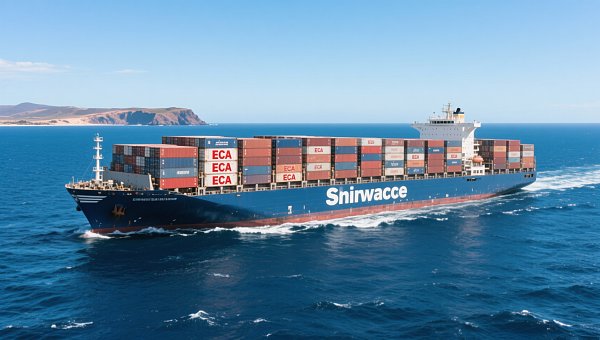
 Red Sea Detour Premium Rises to $1,850/TEU Amid Port Congestion ReliefRed Sea Detour Premium hits $1,850/TEU — now 43% of FE–NE freight rates. Discover why this structural surcharge demands urgent supply chain action.
 TÜV Rheinland Updates PLd Certification: EMC Immunity Now Mandatory for Servo DrivesTÜV Rheinland now mandates EN IEC 61000-6-2:2024 EMC immunity testing for PLd certification of servo drives—act before May 26, 2026 to avoid EU market delays.
 RCEP Green Packaging Mutual Recognition Effective Apr 26, 2026RCEP Green Packaging Mutual Recognition takes effect Apr 26, 2026—unlock faster customs clearance & cost savings for eco-friendly packaging exporters to AU, NZ, JP, KR.
 FDA Final Rule: AI Diagnostic Devices Must Submit Bias Impact ReportsFDA mandates AI diagnostic devices submit third-party-verified bias impact reports—key for 510(k)/De Novo submissions. Act now to ensure compliance & market access.
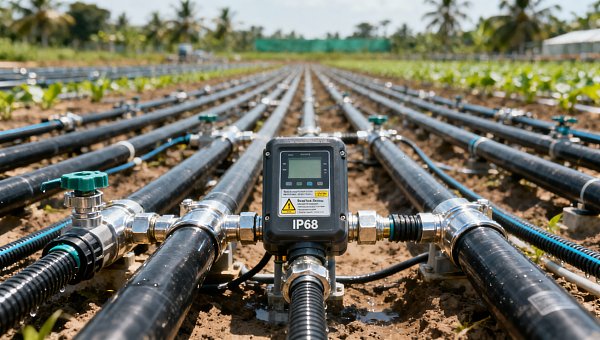
 Vietnam Suspends SASO Mutual Recognition for Chinese Irrigation EquipmentVietnam suspends SASO mutual recognition for Chinese irrigation equipment—urgent QCVN certification now required for drip tapes, sprinklers, valves & smart controllers.
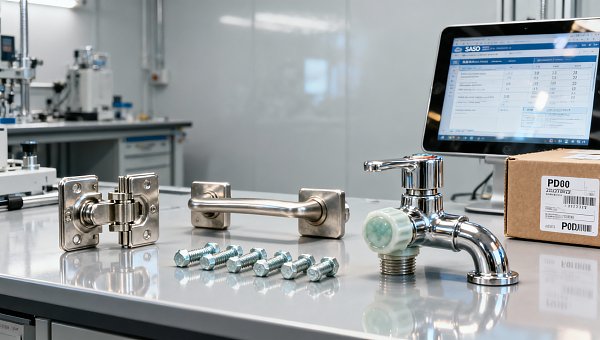
 SABER Phase II Launch: Building Hardware Must Submit Digital Type Test Reports & PIDSABER Phase II now requires digital type test reports & PID for building hardware — fasteners, door/window, bathroom fixtures. Avoid port rejection: ensure PID-bound compliance before shipment.
 IMDG Code 41-24 Enforced: UN3480 Lithium Batteries Require Class 9 LabelsUN3480 lithium batteries now require ISO 7225-compliant Class 9 labels under IMDG Code 41-24 — enforceable globally from 26 April 2026. Act now to avoid shipment delays!
 Are Auto Detailing Services Worth the Cost?Auto detailing services: discover if the cost is justified, how pricing varies, and how a business intelligence platform helps buyers compare value, quality, and long-term ROI.
 What Makes Sustainable Fashion Brands Worth Buying?Sustainable fashion brands deliver transparency, quality, and lower risk. See how a business intelligence platform helps buyers verify value, avoid greenwashing, and source smarter.
 How to Choose a Business Intelligence Platform in 2026?Business intelligence platform selection in 2026: compare data coverage, pricing insights, online trade platform signals, Cement price trends, and MRI scanners cost to choose smarter, faster.
 IMDG Code 41-24 Enforces UN3480 Class 9 Labeling for Lithium Battery Sea FreightIMDG Code 41-24 mandates UN3480 Class 9 labeling for lithium battery sea freight—avoid auto-rejection by DHL, Kuehne+Nagel & Sinotrans. Act now.
 ESS Key Equipment Prices Drop ~80%: Quality & Compliance RiseESS key equipment prices dropped ~80%—but quality & compliance are now critical. Discover how UL 9540A and IEC 62933-5-2 standards reshape global market access.
") China Releases Green Design Guide for Industrial Products (2026)China's new Green Design Guide (2026) offers 126 actionable solutions for solar, batteries & robotics—key for EU ESG compliance and export readiness.
China Releases Green Design Guide for Industrial Products (2026)China's new Green Design Guide (2026) offers 126 actionable solutions for solar, batteries & robotics—key for EU ESG compliance and export readiness. Vietnam Suspends SASO Mutual Recognition for Chinese Irrigation EquipmentVietnam suspends SASO mutual recognition for Chinese irrigation equipment—impacting spray controllers, fertigation systems & PE pipes. Act now to meet new local testing mandates.
 Mexico NOM-019-SCFI-2026 Effective: Automotive EMC Certification RequiredMexico NOM-019-SCFI-2026 is live: Automotive EMC certification now mandatory for all car electronics entering Mexico—avoid customs rejection. Act now!
 Red Sea Rerouting Now Normalized: Asia-Europe Freight Premium at $1,850/TEURed Sea rerouting is now normalized—Asia-Europe freight premium holds at $1,850/TEU. Critical for CNC, solar PV & EV accessory exporters. Read the strategic implications.
 SABER Phase II Launch: Building Hardware Must Submit Digital Type Test Reports & UPIDSABER Phase II is live: Building hardware exporters must now submit digital type test reports & UPID—avoid Jeddah port delays. Act now!
 FDA Final Rule: AI Diagnostic Devices Require Bias Assessment for US MarketFDA mandates bias assessment for AI diagnostic devices—key for portable ultrasound, dermatoscopes & fundus analyzers entering the US market. Act now to comply.


















Popular Tags
Global Trade Insights & Industry
Our mission is to empower global exporters and importers with data-driven insights that foster strategic growth.
Search News
Popular Tags
Industry Overview
The global commercial kitchen equipment market is projected to reach $112 billion by 2027. Driven by urbanization, the rise of e-commerce food delivery, and strict hygiene regulations.