

How to Choose Irrigation Systems for Different Farms
Choosing the right irrigation system for different farms is not just a technical decision—it is a commercial one. For buyers, sourcing teams, distributors, and business evaluators, the best system is the one that matches crop type, field size, water availability, labor conditions, energy cost, and long-term maintenance capacity. In practical terms, there is no universal “best” option: drip irrigation is often strongest for high-value crops and water efficiency, sprinkler systems fit many broad-acre and vegetable applications, while surface irrigation can still make economic sense where land, labor, and water conditions allow. The smart decision comes from matching farm conditions to total lifecycle value, not simply comparing upfront equipment prices.
For market researchers and trade-oriented readers, irrigation systems also reveal broader sourcing and investment signals. A farm’s irrigation choice affects productivity, crop quality, input efficiency, sustainability claims, and infrastructure dependency. That makes irrigation equipment a relevant category for procurement planning, distributor portfolio selection, and supply-chain evaluation.
What buyers are really deciding when they choose irrigation systems
When people search for how to choose irrigation systems for different farms, they are usually not looking for a basic definition of drip, sprinkler, or flood irrigation. They want to know which system is most suitable for a specific farming scenario, what it will cost over time, what risks may appear after installation, and how to avoid buying the wrong equipment.
For commercial readers, the core decision usually comes down to five questions:
- Which irrigation system fits the crop and field layout?
- How much water and energy will it consume?
- What is the total cost of ownership, not just the purchase price?
- How difficult is operation, filtration, repair, and spare-parts sourcing?
- Will the system support stable output and long-term farm profitability?
This is why system selection should be treated as a farm-matching process. A low-cost system can become expensive if it causes uneven watering, labor burden, emitter clogging, pump inefficiency, or yield inconsistency. Likewise, a more advanced system may deliver strong returns if it improves water use, reduces fertilizer waste, and supports better crop quality.
How farm type changes the best irrigation choice
Different farms require different irrigation systems because their biological, physical, and commercial conditions vary. The same equipment that performs well on a greenhouse vegetable farm may be inefficient on a grain field or unnecessary on land with gravity-fed water access.
Small farms and mixed-crop operations
Small farms often benefit from flexible systems with manageable installation costs. Drip irrigation is frequently attractive here because it can be deployed in sections, supports diverse crops, and reduces water loss. It is especially useful where water is scarce or expensive. However, the buyer should check whether the operator can maintain filters, pressure control, and line cleaning. Without maintenance discipline, performance can decline quickly.
Large open-field farms
For large farms producing cereals, forage, potatoes, or broad-acre vegetables, sprinkler systems such as center pivot or lateral move often offer better scale efficiency. These systems can cover large areas with less manual intervention than drip. Their suitability depends on topography, wind conditions, energy supply, and crop sensitivity. Large farms usually evaluate irrigation not only by water efficiency, but by acreage coverage, labor reduction, and operational predictability.
Orchards and vineyards
Tree crops and vineyards are often strong candidates for drip or micro-sprinkler systems. These systems can deliver precise water application to root zones, reduce weed growth between rows, and integrate fertigation. Buyers in these segments should pay close attention to clogging resistance, filtration quality, pressure compensation, and long-term durability under UV exposure.
Greenhouses and protected agriculture
Greenhouse operations typically require high control and consistency. Drip systems are common because they support precision irrigation and nutrient delivery. In these environments, reliability matters more than headline specification. Even small failures can affect plant quality quickly, so sourcing teams should review component compatibility, automation features, and after-sales technical support.
Livestock fodder and low-margin field crops
Where crop margins are lower, irrigation economics become more sensitive. A farm may prefer systems with lower capital intensity if water is accessible and labor costs are manageable. Surface irrigation may still be used in some regions because it is simple and familiar, even though it is less efficient. For business evaluators, this is a reminder that “advanced” does not always mean “commercially optimal.”
Comparing the main irrigation systems from a business and sourcing perspective
The most common irrigation systems for farms each offer a different balance of water efficiency, capital cost, operating complexity, and scalability.
Drip irrigation
- Best for: orchards, vineyards, vegetables, greenhouse crops, high-value crops
- Main advantage: high water efficiency and targeted application
- Main risk: clogging, filtration dependency, maintenance requirements
- Commercial note: strong value where water cost, crop value, or quality requirements justify the investment
Sprinkler irrigation
- Best for: field crops, pasture, some vegetables, large-scale farming
- Main advantage: broad coverage and scalability
- Main risk: evaporation loss, wind interference, energy demand
- Commercial note: often suitable for larger mechanized farms where labor efficiency matters
Surface irrigation
- Best for: farms with suitable land leveling, ample water, and lower technology requirements
- Main advantage: simple setup and relatively low equipment cost
- Main risk: low water-use efficiency, uneven distribution, higher labor needs
- Commercial note: remains relevant in cost-sensitive or infrastructure-limited regions
Micro-sprinkler irrigation
- Best for: orchards, nurseries, specialty crops
- Main advantage: localized watering with good coverage around perennial plants
- Main risk: component wear and pressure inconsistency if design is poor
- Commercial note: useful where crop physiology needs wider wetting than standard drip provides
For procurement teams, the right comparison is not “which system sounds most modern?” but “which system best fits the farm’s agronomic and economic model?”
What factors matter most before selecting an irrigation system
Readers making real purchase or assessment decisions should prioritize the following factors before comparing suppliers.
1. Crop value and irrigation sensitivity
Higher-value crops can justify more precise irrigation systems because better control can protect quality, yield, and marketability. Lower-margin crops may require a more cautious payback calculation.
2. Water source and water quality
Available water volume, pressure stability, seasonal reliability, and sediment content directly affect system suitability. Poor water quality can make low-cost drip systems expensive in practice because of filtration and clogging issues.
3. Farm size and layout
Long narrow plots, irregular shapes, sloped land, and fragmented fields can change installation economics. A system that looks efficient on paper may become difficult to deploy across uneven or dispersed land.
4. Labor availability
In regions with limited or expensive labor, automation-friendly irrigation systems may create more value than their initial price suggests. In labor-abundant environments, a simpler system may still be viable.
5. Energy cost
Pumping requirements matter. Systems with strong water efficiency may still face cost pressure if energy prices are high or power supply is unstable. Energy should always be included in cost modeling.
6. Maintenance and spare parts
One of the most overlooked procurement risks is post-installation support. Buyers should verify spare-parts access, emitter or nozzle replacement cycles, warranty clarity, and local technical assistance.
7. Expansion potential
If a farm plans to add acreage, change crops, or increase automation, the irrigation system should not lock the operator into an inflexible design. Scalable architecture can protect future investment.
How to evaluate total cost instead of falling for low upfront prices
Many poor irrigation investments happen because buyers focus too heavily on initial equipment cost. In reality, long-term value depends on total cost of ownership.
A proper evaluation should include:
- System purchase price
- Installation and land preparation cost
- Pumps, filters, valves, and controllers
- Energy consumption
- Water use efficiency
- Labor input
- Maintenance frequency
- Spare-parts replacement
- Expected service life
- Impact on yield and crop quality
For example, drip irrigation may cost more initially than surface irrigation, but if it reduces water use, improves fertilizer efficiency, lowers weed pressure, and increases crop consistency, its payback may be attractive. On the other hand, if the farm lacks filtration management and technical support, that same investment may underperform.
Distributors and sourcing managers should therefore ask suppliers for lifecycle assumptions, not just quotations. Any serious irrigation equipment supplier should be able to discuss durability, pressure requirements, maintenance intervals, and field performance under specific farm conditions.
Red flags buyers and evaluators should watch for when sourcing irrigation systems
In cross-border trade and agricultural procurement, irrigation systems can look similar in catalogs but differ greatly in reliability. Several warning signs deserve attention.
- Unclear material specifications: weak plastics, poor UV resistance, or low-grade connectors can shorten service life.
- Missing filtration guidance: a supplier that does not address water quality may be overselling system compatibility.
- No performance data by crop or pressure range: this makes practical suitability harder to verify.
- Weak spare-parts ecosystem: replacement delays can interrupt irrigation during critical crop stages.
- Generic recommendations for every farm type: credible suppliers usually differentiate by field conditions and use case.
- Overemphasis on headline efficiency without discussing operation: real farm performance depends on management, not marketing claims alone.
For business assessment professionals, these red flags also indicate whether a supplier is positioned for long-term distribution partnerships or only transactional sales.
How distributors and trade-focused readers can use irrigation insights strategically
Understanding how to choose irrigation systems for different farms is useful beyond farm operations. It helps distributors, importers, and market intelligence professionals identify demand patterns and supplier opportunities across regions.
Several strategic signals stand out:
- Regions facing water scarcity often shift toward drip and precision irrigation.
- Large mechanized farming zones may favor center pivot and sprinkler infrastructure.
- Growth in greenhouse farming increases demand for controlled irrigation components.
- Sustainability-linked agriculture programs can accelerate investment in water-efficient systems.
- Government subsidies and rural infrastructure policy often influence purchasing cycles.
For B2B readers, irrigation should be viewed as part of a broader value chain that includes pipes, valves, pumps, filtration, automation, fertilizer injection, sensors, and service support. That wider perspective is often more useful for market positioning than looking at irrigation hardware alone.
A practical framework for choosing the right irrigation system
If the goal is a clearer decision, this simple framework helps structure evaluation:
- Define the farm profile: crop type, acreage, water source, labor conditions, terrain, budget.
- Prioritize business objectives: save water, improve yield, reduce labor, support premium crop quality, or scale production.
- Shortlist suitable systems: drip, sprinkler, surface, or micro-sprinkler based on actual use case.
- Compare lifecycle economics: include installation, operation, maintenance, and output impact.
- Assess supplier credibility: technical documentation, support capability, spare parts, and use-case references.
- Test assumptions locally: pilot installation or small-area deployment can reduce risk.
This process gives buyers a more defensible basis for decision-making than relying on product brochures alone.
Conclusion
The best irrigation systems for different farms are determined by fit, not by trend. Drip irrigation often delivers strong value for high-value crops and water-sensitive operations, sprinkler systems are frequently effective for larger field applications, and surface methods may still be viable in the right economic and geographic context. For procurement teams, distributors, and commercial evaluators, the key is to judge irrigation systems through the combined lens of agronomic suitability, total cost, maintenance reality, and supplier reliability.
In short, the right irrigation choice is the one that improves farm performance while remaining commercially sustainable over time. That is the standard buyers should use when comparing products, suppliers, and market opportunities.
Recommended News
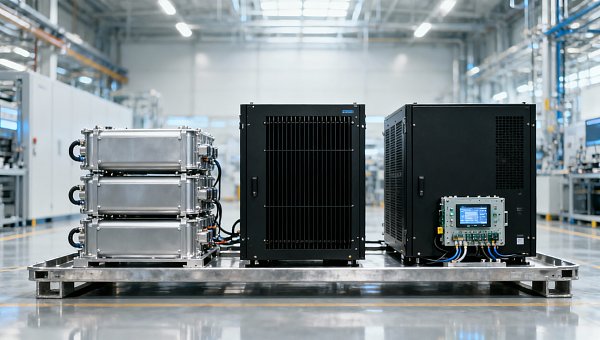
 Key Energy Storage Equipment Prices Drop ~80% in ChinaKey energy storage equipment prices in China dropped ~80% — PCS, BMS & liquid cooling units. Discover implications for compliance, margins & standards enforcement.
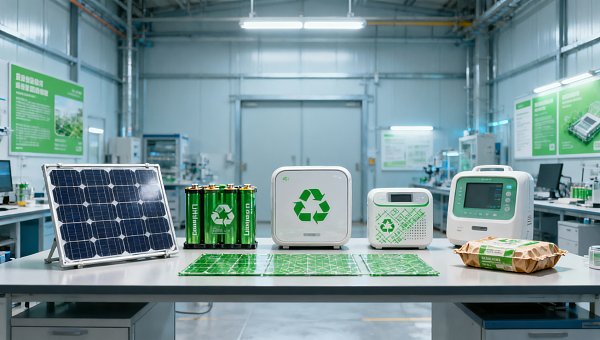
") China Releases Green Design Guidelines for Industrial Products (2026)China's 2026 Green Design Guidelines for industrial products—covering PV modules, lithium batteries & smart appliances—link eco-design to green factory certification and export tax rebates starting 2027.
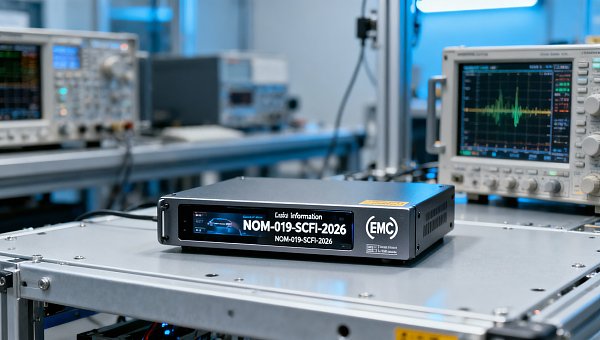
China Releases Green Design Guidelines for Industrial Products (2026)China's 2026 Green Design Guidelines for industrial products—covering PV modules, lithium batteries & smart appliances—link eco-design to green factory certification and export tax rebates starting 2027. Mexico NOM-019-SCFI-2026 Effective: Automotive Electronics Require New EMC CertificationMexico NOM-019-SCFI-2026 is live: Automotive electronics (infotainment, ADAS, domain controllers) now require mandatory EMC certification by July 31, 2026 — act now to avoid customs delays.
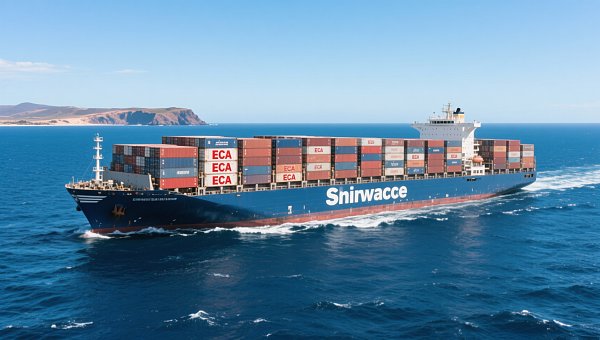
 Red Sea Detour Premium Rises to $1,850/TEU Amid Port Congestion ReliefRed Sea Detour Premium hits $1,850/TEU — now 43% of FE–NE freight rates. Discover why this structural surcharge demands urgent supply chain action.
 TÜV Rheinland Updates PLd Certification: EMC Immunity Now Mandatory for Servo DrivesTÜV Rheinland now mandates EN IEC 61000-6-2:2024 EMC immunity testing for PLd certification of servo drives—act before May 26, 2026 to avoid EU market delays.
 RCEP Green Packaging Mutual Recognition Effective Apr 26, 2026RCEP Green Packaging Mutual Recognition takes effect Apr 26, 2026—unlock faster customs clearance & cost savings for eco-friendly packaging exporters to AU, NZ, JP, KR.
 FDA Final Rule: AI Diagnostic Devices Must Submit Bias Impact ReportsFDA mandates AI diagnostic devices submit third-party-verified bias impact reports—key for 510(k)/De Novo submissions. Act now to ensure compliance & market access.
 Vietnam Suspends SASO Mutual Recognition for Chinese Irrigation EquipmentVietnam suspends SASO mutual recognition for Chinese irrigation equipment—urgent QCVN certification now required for drip tapes, sprinklers, valves & smart controllers.
 SABER Phase II Launch: Building Hardware Must Submit Digital Type Test Reports & PIDSABER Phase II now requires digital type test reports & PID for building hardware — fasteners, door/window, bathroom fixtures. Avoid port rejection: ensure PID-bound compliance before shipment.
 IMDG Code 41-24 Enforced: UN3480 Lithium Batteries Require Class 9 LabelsUN3480 lithium batteries now require ISO 7225-compliant Class 9 labels under IMDG Code 41-24 — enforceable globally from 26 April 2026. Act now to avoid shipment delays!
 Are Auto Detailing Services Worth the Cost?Auto detailing services: discover if the cost is justified, how pricing varies, and how a business intelligence platform helps buyers compare value, quality, and long-term ROI.
 What Makes Sustainable Fashion Brands Worth Buying?Sustainable fashion brands deliver transparency, quality, and lower risk. See how a business intelligence platform helps buyers verify value, avoid greenwashing, and source smarter.
 How to Choose a Business Intelligence Platform in 2026?Business intelligence platform selection in 2026: compare data coverage, pricing insights, online trade platform signals, Cement price trends, and MRI scanners cost to choose smarter, faster.
 IMDG Code 41-24 Enforces UN3480 Class 9 Labeling for Lithium Battery Sea FreightIMDG Code 41-24 mandates UN3480 Class 9 labeling for lithium battery sea freight—avoid auto-rejection by DHL, Kuehne+Nagel & Sinotrans. Act now.
 ESS Key Equipment Prices Drop ~80%: Quality & Compliance RiseESS key equipment prices dropped ~80%—but quality & compliance are now critical. Discover how UL 9540A and IEC 62933-5-2 standards reshape global market access.
") China Releases Green Design Guide for Industrial Products (2026)China's new Green Design Guide (2026) offers 126 actionable solutions for solar, batteries & robotics—key for EU ESG compliance and export readiness.
China Releases Green Design Guide for Industrial Products (2026)China's new Green Design Guide (2026) offers 126 actionable solutions for solar, batteries & robotics—key for EU ESG compliance and export readiness. Vietnam Suspends SASO Mutual Recognition for Chinese Irrigation EquipmentVietnam suspends SASO mutual recognition for Chinese irrigation equipment—impacting spray controllers, fertigation systems & PE pipes. Act now to meet new local testing mandates.
 Mexico NOM-019-SCFI-2026 Effective: Automotive EMC Certification RequiredMexico NOM-019-SCFI-2026 is live: Automotive EMC certification now mandatory for all car electronics entering Mexico—avoid customs rejection. Act now!
 Red Sea Rerouting Now Normalized: Asia-Europe Freight Premium at $1,850/TEURed Sea rerouting is now normalized—Asia-Europe freight premium holds at $1,850/TEU. Critical for CNC, solar PV & EV accessory exporters. Read the strategic implications.
 SABER Phase II Launch: Building Hardware Must Submit Digital Type Test Reports & UPIDSABER Phase II is live: Building hardware exporters must now submit digital type test reports & UPID—avoid Jeddah port delays. Act now!
 FDA Final Rule: AI Diagnostic Devices Require Bias Assessment for US MarketFDA mandates bias assessment for AI diagnostic devices—key for portable ultrasound, dermatoscopes & fundus analyzers entering the US market. Act now to comply.










Popular Tags
Global Trade Insights & Industry
Our mission is to empower global exporters and importers with data-driven insights that foster strategic growth.
Search News
Popular Tags
Industry Overview
The global commercial kitchen equipment market is projected to reach $112 billion by 2027. Driven by urbanization, the rise of e-commerce food delivery, and strict hygiene regulations.