

Photovoltaic solar panels now compete on output in low light
Photovoltaic solar panels are no longer judged only by peak sunshine performance. For procurement professionals, growing competition in low-light output is reshaping supplier evaluation, project economics, and long-term energy yield. This shift highlights new opportunities in product sourcing, technology comparison, and market positioning as manufacturers race to deliver more reliable generation under cloudy, shaded, and variable conditions.
Why low-light output now matters in photovoltaic solar panels procurement
For many buyers, photovoltaic solar panels were once compared mainly by nameplate wattage, module efficiency under Standard Test Conditions, and price per watt. That approach is no longer enough. In real operating environments, especially in regions with frequent cloud cover, haze, winter conditions, or partial shading, low-light performance can materially affect annual energy generation and project payback.
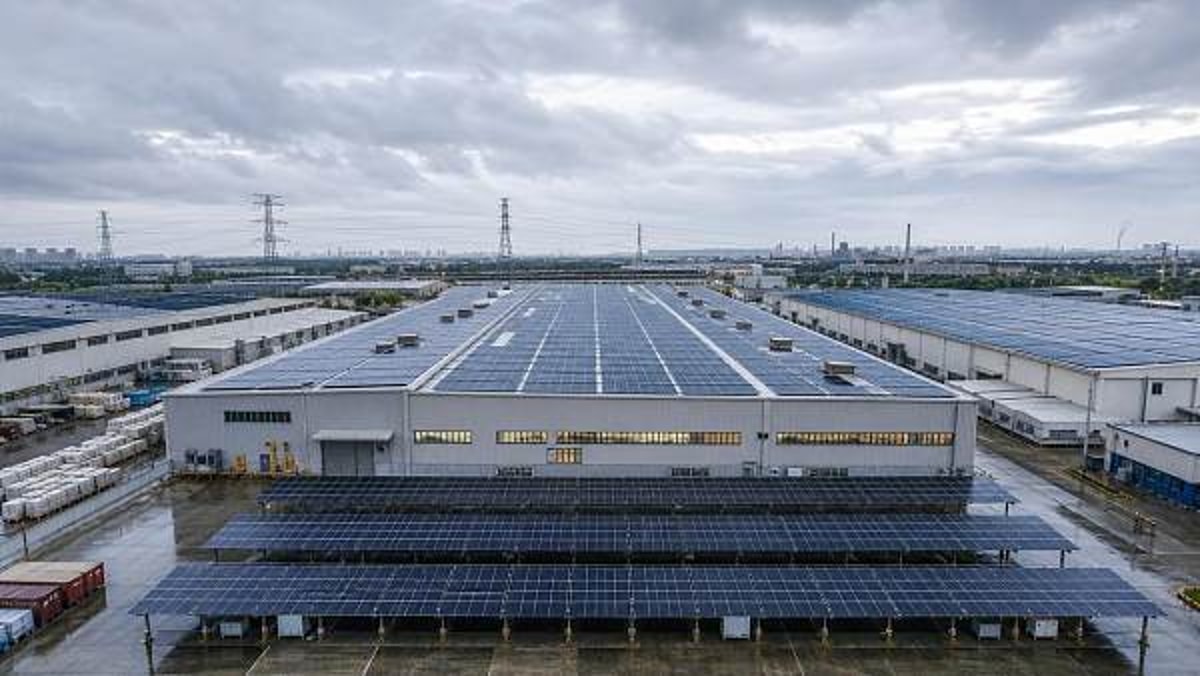
This issue is relevant across the broader industrial economy, not only for solar developers. Procurement teams serving factories, logistics parks, commercial buildings, agricultural sites, and distributed energy projects increasingly need panels that perform steadily beyond ideal noon-time conditions. A module that starts generating earlier in the morning, maintains output in overcast weather, and loses less energy under diffuse irradiation may improve the economics of the full system even when its upfront price is slightly higher.
- Higher energy yield in mixed-weather regions can reduce the gap between forecasted and actual power generation.
- More stable low-light generation may support self-consumption projects where early and late daytime output matters.
- Better shade tolerance and current matching can lower performance losses on rooftops with obstructions, ventilation equipment, or irregular orientation.
- Improved real-world output can strengthen internal investment approval when finance teams focus on lifecycle return rather than procurement cost alone.
For global B2B sourcing, the challenge is not simply identifying a panel marketed as strong in low light. The challenge is validating whether that claim translates into project value under your operating profile, regulatory environment, and delivery constraints.
What changes in buyer behavior are driving this shift?
Procurement teams are under pressure from several directions at once: tighter budgets, stricter technical due diligence, growing expectations for carbon reporting, and more scrutiny around supplier credibility. At the same time, module technology has evolved quickly, making it harder to compare products using a single headline metric. Buyers now ask different questions: How does the panel perform under 200 W/m² irradiance? How does temperature affect current and voltage behavior? What is the expected gain in an overcast climate? How reliable is the bill of materials over multiple shipments?
Which technical factors affect low-light performance the most?
When evaluating photovoltaic solar panels for low-light output, procurement teams should move beyond sales language and focus on a practical set of technical indicators. No single factor tells the full story. Module architecture, cell technology, spectral response, internal resistance, and system integration all influence how much electricity is produced when sunlight is weak or inconsistent.
The table below summarizes the most useful indicators buyers can request from suppliers during technical review.
For procurement decisions, the irradiance response curve is often more useful than a broad statement such as “excellent low-light performance.” It gives buyers a way to compare photovoltaic solar panels under conditions closer to the actual operating environment. When the supplier cannot provide this data clearly, it becomes harder to build a defensible sourcing case.
Why STC efficiency alone can mislead buyers
Standard Test Conditions remain necessary for baseline comparison, but they do not reflect the full field reality. Panels are rated at fixed irradiance, cell temperature, and spectral assumptions. Procurement managers dealing with distributed assets know that roofs do not operate under laboratory conditions. If two modules have similar rated power but one holds voltage better at low irradiance or suffers less mismatch under partial shade, annual production may differ more than the nameplate suggests.
How should buyers compare photovoltaic solar panels in real sourcing scenarios?
Buying decisions should reflect project type, climate, installation geometry, and asset management objectives. A utility-scale ground-mounted site in a dry, high-irradiance region requires a different optimization logic than a warehouse rooftop in Northern Europe or an industrial complex in a humid coastal zone. The comparison table below is designed for procurement teams that need to align technical choices with usage scenarios.
The key takeaway is simple: the best photovoltaic solar panels for one procurement case may be the wrong choice for another. Buyers improve outcomes when they compare panels in relation to site conditions, business objectives, and implementation risks, not in isolation.
A practical comparison workflow
- Define the operating profile, including climate, shading risk, installation type, and expected load behavior.
- Shortlist suppliers that can provide detailed low-light and partial shading performance data.
- Model annual generation under realistic assumptions rather than STC-only output.
- Review logistics, compliance files, warranty language, and after-sales responsiveness alongside price.
- Make the final decision using lifecycle value, not only acquisition cost.
What procurement teams should check before issuing a purchase order
A disciplined procurement process can reduce costly mismatches between advertised performance and delivered results. For photovoltaic solar panels, this means combining technical verification with supply chain checks. In cross-border trade, weak documentation or inconsistent manufacturing batches can create delays, insurance complications, or warranty disputes later.
Core due diligence checklist
- Confirm the exact module configuration, including cell type, glass structure, dimensions, connector model, and packaging arrangement.
- Request test documentation relevant to low-irradiance behavior, temperature response, and degradation assumptions.
- Review compatibility with inverters, optimizers, trackers, or mounting systems already specified in the project.
- Check whether the supplier can support market-specific documentation, such as electrical safety, shipment labeling, and conformity records.
- Verify production lead time, shipment lot consistency, and replacement policy for transit or installation damage.
Standards and compliance considerations
Depending on destination market and project structure, buyers may need to review common international module standards, safety testing references, and importer documentation. While requirements vary, it is reasonable to ask suppliers how they support standard product qualification, traceability, packing lists, serial number control, and claim handling. Procurement teams should also verify whether the offered product version matches the version documented in certificates and technical files.
Cost, yield, and risk: how to judge total value instead of sticker price
The lowest quote does not always produce the lowest cost of energy. When photovoltaic solar panels differ in low-light performance, the better value option may come from a module with a modestly higher unit price but stronger real-world yield. This is especially true in markets where diffuse sunlight, roof complexity, or grid pricing make every kilowatt-hour more valuable.
Buyers should analyze value through at least four lenses.
- Acquisition cost: module price, freight, insurance, import duty, and handling.
- Energy yield: expected annual generation adjusted for irradiance profile, orientation, and losses.
- Operational risk: replacement difficulty, supply continuity, warranty clarity, and service responsiveness.
- Strategic fit: whether the supplier can support future expansion, market entry, or multi-country deployment.
In many procurement reviews, an apparently cheaper module loses its price advantage after realistic yield modeling, especially where morning production, cloudy conditions, or partial shade represent a meaningful share of site operation. A finance team may approve a higher upfront spend if the yield case is clearly documented and the sourcing risk is lower.
Common mistakes buyers make when comparing low-light photovoltaic solar panels
Several recurring mistakes appear in solar sourcing. They are avoidable, but only if procurement and technical teams coordinate early.
- Treating peak wattage as the only decision variable and ignoring annual generation behavior in local weather conditions.
- Accepting generic low-light claims without asking for irradiance response data or comparable test references.
- Overlooking balance-of-system compatibility, which can erode the benefit of a better-performing module.
- Failing to confirm shipment consistency across batches, especially in larger or phased procurement programs.
- Ignoring documentation readiness for export markets, which can delay customs clearance and project schedules.
For buyers working across multiple sectors, these mistakes often stem from information fragmentation. That is where a strong industry intelligence source becomes useful. GTIIN and TradeVantage help procurement teams monitor supplier shifts, technology updates, and market signals across more than 50 sectors, making it easier to interpret product claims in a broader trade and sourcing context.
FAQ: what buyers often ask about photovoltaic solar panels in low light
Do photovoltaic solar panels really generate meaningful power on cloudy days?
Yes, but output depends on irradiance level, module design, system configuration, and local climate. Cloudy conditions reduce power compared with full sun, yet well-selected modules can still contribute useful generation under diffuse light. The procurement question is not whether generation exists, but how much yield is preserved relative to system cost.
Which procurement documents are most important when comparing low-light claims?
Start with the datasheet, irradiance performance data, temperature coefficients, product qualification references, warranty terms, and shipment specifications. If the project is export-oriented, also review packing details, labeling information, and conformity records required by the destination market. Clear documentation often reflects a more reliable supplier process.
Are more expensive panels always better in low-light conditions?
Not necessarily. Price can reflect brand position, bill of materials, supply constraints, or channel structure, not just performance. Buyers should compare expected annual yield, degradation assumptions, warranty conditions, and operational fit. The best value comes from the panel that supports your project economics and delivery needs, not from the highest or lowest quote alone.
How should buyers estimate whether low-light performance justifies a price premium?
Model site-specific generation using realistic weather and shading assumptions. Then compare the incremental energy yield with the incremental module and logistics cost. If the added yield improves self-consumption, reduces peak energy purchases, or strengthens internal return targets, the premium may be justified. If the site enjoys highly stable, strong irradiance with minimal shading, the gain may be smaller.
Why buyers use GTIIN and TradeVantage to support sourcing decisions
Procurement teams rarely buy in a vacuum. They need market context, supplier visibility, and the ability to compare trends across regions and industries. GTIIN addresses that need by bridging information gaps in the global supply chain with real-time updates, market analysis, and sector-wide intelligence. For buyers evaluating photovoltaic solar panels, this broader perspective helps identify where technology claims align with actual market movement.
TradeVantage adds another layer of value. As a high-authority B2B information and networking hub, it supports visibility into manufacturing developments, trade dynamics, and sourcing opportunities across international markets. That matters when procurement professionals need not only product data, but also supplier discovery, category benchmarking, and a more efficient path to trustworthy commercial engagement.
- Track changing product narratives and compare them against wider industry developments.
- Identify sourcing signals from manufacturing regions, export channels, and end-use markets.
- Improve supplier shortlisting with stronger information depth before formal RFQ activity begins.
- Support internal decision-making with data-driven context rather than isolated vendor claims.
Why choose us for your next photovoltaic solar panels sourcing discussion
If your team is comparing photovoltaic solar panels for low-light conditions, we can help you move from broad market noise to procurement-ready clarity. Through GTIIN and TradeVantage, you can access sector intelligence, supplier visibility, and actionable sourcing context that supports faster and more confident decisions.
You can contact us to discuss concrete procurement topics, including parameter confirmation for low-light performance, panel selection by application scenario, expected delivery cycle, export documentation readiness, certification-related questions, sample support, and quotation communication. If you are balancing several suppliers or entering a new regional market, we can also help frame the right comparison logic so your team evaluates more than price alone.
For buyers under time pressure, this means fewer blind spots before RFQ, clearer supplier screening, and stronger alignment between technical requirements and commercial outcomes.
Recommended News
 Portable oxygen concentrators are quieter now, but not always lighterPortable oxygen concentrators are getting quieter, but not always lighter. Explore the trade-offs in weight, battery life, comfort, and daily usability before you compare today’s top options.
 Interactive whiteboards are improving, but software still decides valueInteractive whiteboards deliver real value when software matches the scenario. Explore how usability, integration, security, and updates shape smarter buying decisions.
 Medical diagnostic equipment downtime often starts with calibration neglectMedical diagnostic equipment downtime often starts with missed calibration. Learn the warning signs, checklist priorities, and practical steps to prevent failures and keep healthcare operations reliable.
 Eco-friendly building materials are easier to specify than to sourceEco-friendly building materials are easier to specify than source. Learn how procurement teams can verify claims, reduce risk, and find reliable suppliers faster.
 Ergonomic workspace design can fail if chair fit comes lastErgonomic workspace design starts with chair fit. Learn how the right seat improves posture, comfort, and focus—and why fixing it first can transform your workspace.
 Outdoor garden supplies demand shifts faster than many expectOutdoor garden supplies demand is shifting faster than expected. Discover key B2B trends, smarter sourcing insights, and practical strategies to stay competitive and capture growth.
 Sustainable home decor sells better when materials are clearly disclosedSustainable home decor sells better when brands clearly disclose materials, finishes, and sourcing. Discover why transparency builds trust, justifies price, and drives more confident buying.
 Modern office furniture trends now favor modular over fixed layoutsModern office furniture is shifting to modular layouts for flexibility, lower lifecycle costs, and better hybrid work performance. See why enterprises are moving away from fixed office design.
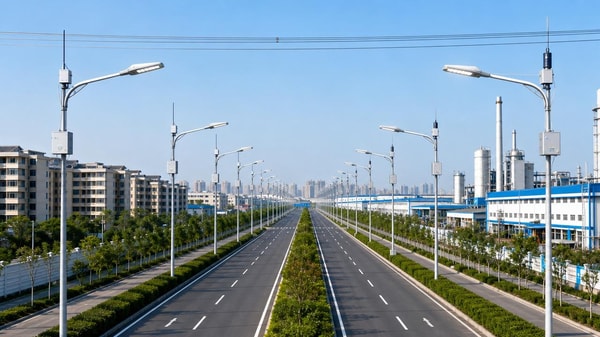
 Smart street lighting projects stall when controls are overcomplicatedSmart street lighting projects often stall when controls become too complex. Learn how to simplify deployment, reduce risk, and scale citywide with practical, maintainable systems.
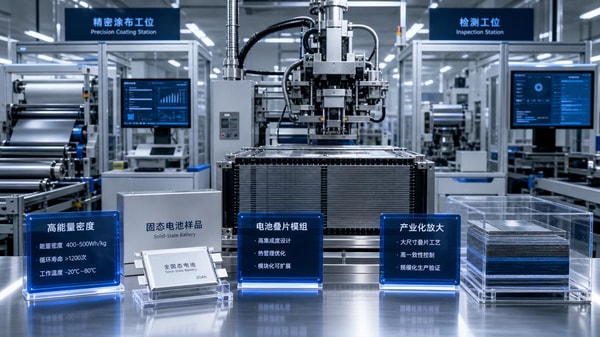
 Solid-state battery breakthroughs look promising, but scale is harderSolid-state battery breakthroughs promise safer, higher-density energy storage, but scaling remains the real challenge. Explore what this means for supply chains, investment, and market advantage.
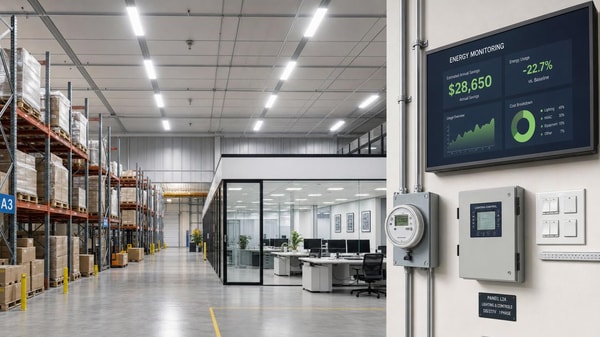
 Commercial LED lighting upgrades often save less than expectedCommercial LED lighting upgrades can underdeliver when baseline data, controls, and installation costs are misjudged. Learn how to assess real savings, reduce ROI risk, and make smarter investment decisions.
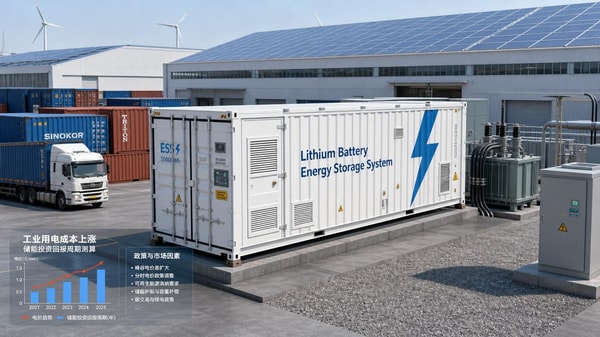
 Lithium battery storage payback can change with one policy updateLithium battery storage payback can shift fast after one policy update. See how tariffs, tax credits, grid pricing, and incentives change ROI—and how finance teams can approve smarter.
 Photovoltaic solar panels now compete on output in low lightPhotovoltaic solar panels now compete on low-light output. Discover how buyers can compare yield, risk, and supplier value to source smarter and boost project returns.
 Plant-based protein processing changes texture more than many expectPlant-based protein processing reshapes texture, stability, and safety more than expected. Explore key risks, QC checkpoints, and smarter sourcing insights for consistent results.
 Foldable screen technology is improving, but crease concerns remainFoldable screen technology is evolving fast with slimmer designs and stronger hinges, but crease concerns still shape buying decisions. Explore where it matters most.
 Next-gen wireless charging still faces a heat management problemNext-gen wireless charging promises faster, more flexible power delivery, but heat remains the key barrier. Discover how thermal limits impact safety, efficiency, and market readiness.
 Wearable technology adoption drops when comfort gets overlookedWearable technology adoption falls fast when comfort is ignored. Discover how fit, materials, weight, and battery life shape long-term use and smarter buying decisions.
 Smart home devices wholesale is no longer just about low pricingSmart home devices wholesale now goes beyond low pricing. Discover how reliability, compatibility, and supply chain confidence help distributors choose profitable, trusted partners.
 Agri-PV systems make sense only when land use is planned wellAgri-PV systems deliver real value only when land use is planned well. Discover how smart site, crop, grid, and compliance decisions turn dual-use solar into a bankable, sustainable project.
 Organic fertilizers may improve soil slower, but results last longerOrganic fertilizers improve soil slowly but deliver longer-lasting results. Learn how they boost soil health, support safer growing, and help you choose the right option for sustainable planting success.
 Smart classroom solutions fail when teachers need too many appsSmart classroom solutions fail when teachers juggle too many apps. Discover why integrated, easy-to-use platforms drive adoption, ROI, and scalable learning success.







Popular Tags
Global Trade Insights & Industry
Our mission is to empower global exporters and importers with data-driven insights that foster strategic growth.
Search News
Popular Tags
Industry Overview
The global commercial kitchen equipment market is projected to reach $112 billion by 2027. Driven by urbanization, the rise of e-commerce food delivery, and strict hygiene regulations.