

Commercial LED lighting upgrades often save less than expected
Commercial LED lighting upgrades promise lower energy bills and fast payback, yet many projects deliver smaller savings than expected once real-world operating hours, controls, maintenance, and installation costs are fully measured. For business evaluators, understanding these hidden variables is essential to making sound investment decisions and avoiding overstated ROI assumptions.
Why the market is rethinking Commercial LED lighting savings assumptions
Across offices, warehouses, retail sites, schools, and mixed-use facilities, the conversation around Commercial LED lighting is changing. A few years ago, many upgrade proposals were built around a simple narrative: replace legacy fixtures, reduce wattage, and capture immediate energy savings. That logic still matters, but business evaluators are increasingly seeing that the easiest projects were completed first, while the remaining opportunities are more complex. As a result, expected returns are facing closer scrutiny.
This shift is not a sign that LED retrofits no longer create value. Instead, it reflects a more mature market. Decision-makers now compare not only nameplate wattage reductions, but also actual run hours, lighting quality requirements, compatibility with controls, occupant behavior, maintenance cycles, utility tariff structures, and capital constraints. In many facilities, the headline energy reduction from Commercial LED lighting still looks attractive on paper, but the realized savings are lower after commissioning issues, partial occupancy, or pre-existing efficiency measures are taken into account.
For evaluators responsible for investment review, this trend matters because lighting projects are often used as a gateway to wider efficiency programs. If the assumptions are too aggressive, confidence in later projects can weaken. If the assumptions are realistic, Commercial LED lighting can still be a strong contributor to cost control, sustainability reporting, and operational modernization.
What has changed in the real-world economics of lighting upgrades
The economics of Commercial LED lighting have become more nuanced for several reasons. First, many facilities have already moved away from the most inefficient technologies. Replacing old metal halide or T12 systems often generated dramatic savings. Replacing newer fluorescent systems or first-generation LEDs usually produces smaller incremental gains. Second, energy prices and tariff structures vary widely, which means a technically efficient project may not deliver equally strong financial results in every location.
Third, lighting performance expectations have increased. Businesses now expect better uniformity, glare control, color quality, dimming capability, emergency integration, and smart controls readiness. These features add value, but they may also raise equipment and installation costs. Fourth, labor and retrofit complexity have become larger variables. Ceiling conditions, wiring updates, disposal requirements, access equipment, and phased installation during operating hours can materially reduce the net benefit of a Commercial LED lighting project.
Another important change is the move from energy-only evaluation to total business impact analysis. Procurement teams, finance leaders, facility managers, and ESG stakeholders often assess projects differently. A finance team may emphasize payback and internal rate of return. A facilities team may care more about maintenance reduction and operational reliability. An ESG team may value carbon reduction and data visibility. Commercial LED lighting proposals that ignore this wider decision context often appear stronger in a narrow spreadsheet than they do in a real approval process.
The main drivers behind lower-than-expected savings
Several recurring drivers explain why Commercial LED lighting upgrades often save less than expected. The most common issue is baseline error. If the original lighting load, operating hours, or maintenance burden is overstated, the projected improvement will naturally look too large. This is especially common in multi-site portfolios where assumptions are standardized even though actual usage varies greatly between buildings.
A second driver is rebound in light levels. In some retrofits, facilities use the upgrade to increase brightness, improve visual comfort, or expand operating zones. This can be a smart operational decision, but it reduces the net energy savings compared with a like-for-like replacement estimate. Third, controls can underperform if sensors are poorly placed, software settings are not tuned, or occupants override schedules. Smart lighting systems can add savings, but only if the controls strategy is commissioned and maintained properly.
Fourth, installation costs have become harder to predict. Many older commercial buildings contain hidden retrofit challenges such as damaged ceilings, outdated electrical infrastructure, limited access windows, or code compliance upgrades. Fifth, utility incentives and energy price assumptions can shift over time. A project approved under one incentive schedule may close under another, weakening projected payback. In all of these cases, Commercial LED lighting still contributes value, but the realized financial outcome differs from the initial pitch.
Common variance points in project evaluation
Who feels the impact most strongly
The current reassessment of Commercial LED lighting affects multiple roles, but not equally. Portfolio owners with dispersed sites are especially exposed because assumptions developed at headquarters may not reflect local operating patterns. Logistics facilities and retail chains also face variability because hours, occupancy density, and lighting priorities differ by site type. Industrial users may encounter tension between energy reduction and production visibility requirements, especially where high-bay performance and safety standards are critical.
For business evaluators, the issue is not simply whether to approve or reject a project. The deeper question is how to separate realistic savings from presentation-driven optimism. A Commercial LED lighting proposal may still be worthwhile even with a longer payback if it reduces maintenance disruptions, supports sustainability targets, improves worker comfort, or enables future controls integration. The challenge is to recognize these benefits clearly instead of hiding them behind inflated utility savings claims.
Impact by stakeholder group
Signals that separate robust projects from weak ones
As the market matures, stronger Commercial LED lighting proposals tend to share several characteristics. They rely on verified field audits rather than generic fixture assumptions. They distinguish between guaranteed savings, modeled savings, and upside potential from controls optimization. They also explain where non-energy benefits matter, such as fewer lift rentals, lower disruption to operations, improved safety, or better light quality in customer-facing areas.
Weak proposals often show the opposite pattern. They use uniform operating hours across different site types, treat all controls savings as automatic, and understate disruption or retrofit complexity. Another warning sign is a narrow focus on fixture efficacy without discussing application suitability. In practice, Commercial LED lighting performance depends on optics, layout, environment, dimming behavior, thermal conditions, and user acceptance. High technical specifications alone do not guarantee high business value.
Evaluators should also watch for timing risk. A project may appear compelling if based on short lead times, current labor assumptions, and available incentives. If market conditions tighten, the delivered economics can change quickly. This is why scenario analysis is becoming more important in lighting investment reviews.
How evaluation criteria are evolving for Commercial LED lighting
The market is gradually moving away from one-dimensional procurement and toward layered evaluation. Instead of asking only, “How much energy will this save?”, many organizations now ask five linked questions: What is the verified baseline? What part of the savings is dependable? What implementation risks could erode returns? What operational benefits are strategic? And how does this fit into broader decarbonization or smart building plans?
This broader framework changes how Commercial LED lighting is judged. Projects with moderate direct savings but strong reliability, long service life, and controls readiness may deserve priority over projects with aggressive modeled savings but poor execution visibility. In sectors with rising reporting requirements, measurement and verification capability is also becoming more valuable. That means data transparency, commissioning documentation, and post-installation review are no longer optional extras; they are part of the investment case.
A practical judgment framework
What businesses should do next
For organizations reviewing Commercial LED lighting today, the best response is not hesitation but sharper discipline. Start by segmenting the portfolio. Sites with long operating hours, expensive maintenance access, or poor light quality may still offer compelling returns. Sites with already efficient systems, irregular occupancy, or low electricity costs may need a different threshold or a bundled approach with controls, HVAC, or broader energy management measures.
Next, require scenario-based business cases. A base case, conservative case, and optimized case can reveal how sensitive the project is to run hours, tariffs, controls capture, and installation cost. This gives business evaluators a more reliable view than a single-point ROI claim. It also encourages suppliers and internal teams to discuss risk openly, which improves decision quality.
Finally, track outcomes after installation. The credibility of future Commercial LED lighting investments depends on learning from completed projects. Post-installation reviews should examine actual consumption, lighting performance, occupant feedback, controls usage, and maintenance records. In a mature market, the organizations that gain the most value are not those that chase the largest projected percentage savings, but those that build repeatable evaluation discipline.
Key questions for business evaluators before approval
If a company wants to judge whether current Commercial LED lighting trends will improve or weaken a specific investment case, a few questions deserve immediate attention. Are the operating hours measured or assumed? Does the proposal separate fixture efficiency from controls optimization? What hidden electrical or installation work could alter total project cost? Which benefits matter most for the site: energy, maintenance, compliance, visual quality, or digital readiness? And how will performance be verified after completion?
These questions help move the discussion from generalized enthusiasm to strategic judgment. Commercial LED lighting remains an important upgrade category, but the market no longer rewards simplistic payback claims. Businesses that evaluate the trend through the lens of verified baselines, implementation risk, and total operational value are better positioned to avoid disappointment and allocate capital with confidence.
Recommended News
 Portable oxygen concentrators are quieter now, but not always lighterPortable oxygen concentrators are getting quieter, but not always lighter. Explore the trade-offs in weight, battery life, comfort, and daily usability before you compare today’s top options.
 Interactive whiteboards are improving, but software still decides valueInteractive whiteboards deliver real value when software matches the scenario. Explore how usability, integration, security, and updates shape smarter buying decisions.
 Medical diagnostic equipment downtime often starts with calibration neglectMedical diagnostic equipment downtime often starts with missed calibration. Learn the warning signs, checklist priorities, and practical steps to prevent failures and keep healthcare operations reliable.
 Eco-friendly building materials are easier to specify than to sourceEco-friendly building materials are easier to specify than source. Learn how procurement teams can verify claims, reduce risk, and find reliable suppliers faster.
 Ergonomic workspace design can fail if chair fit comes lastErgonomic workspace design starts with chair fit. Learn how the right seat improves posture, comfort, and focus—and why fixing it first can transform your workspace.
 Outdoor garden supplies demand shifts faster than many expectOutdoor garden supplies demand is shifting faster than expected. Discover key B2B trends, smarter sourcing insights, and practical strategies to stay competitive and capture growth.
 Sustainable home decor sells better when materials are clearly disclosedSustainable home decor sells better when brands clearly disclose materials, finishes, and sourcing. Discover why transparency builds trust, justifies price, and drives more confident buying.
 Modern office furniture trends now favor modular over fixed layoutsModern office furniture is shifting to modular layouts for flexibility, lower lifecycle costs, and better hybrid work performance. See why enterprises are moving away from fixed office design.
 Smart street lighting projects stall when controls are overcomplicatedSmart street lighting projects often stall when controls become too complex. Learn how to simplify deployment, reduce risk, and scale citywide with practical, maintainable systems.
 Solid-state battery breakthroughs look promising, but scale is harderSolid-state battery breakthroughs promise safer, higher-density energy storage, but scaling remains the real challenge. Explore what this means for supply chains, investment, and market advantage.
 Commercial LED lighting upgrades often save less than expectedCommercial LED lighting upgrades can underdeliver when baseline data, controls, and installation costs are misjudged. Learn how to assess real savings, reduce ROI risk, and make smarter investment decisions.
 Lithium battery storage payback can change with one policy updateLithium battery storage payback can shift fast after one policy update. See how tariffs, tax credits, grid pricing, and incentives change ROI—and how finance teams can approve smarter.
 Photovoltaic solar panels now compete on output in low lightPhotovoltaic solar panels now compete on low-light output. Discover how buyers can compare yield, risk, and supplier value to source smarter and boost project returns.
 Plant-based protein processing changes texture more than many expectPlant-based protein processing reshapes texture, stability, and safety more than expected. Explore key risks, QC checkpoints, and smarter sourcing insights for consistent results.
 Foldable screen technology is improving, but crease concerns remainFoldable screen technology is evolving fast with slimmer designs and stronger hinges, but crease concerns still shape buying decisions. Explore where it matters most.
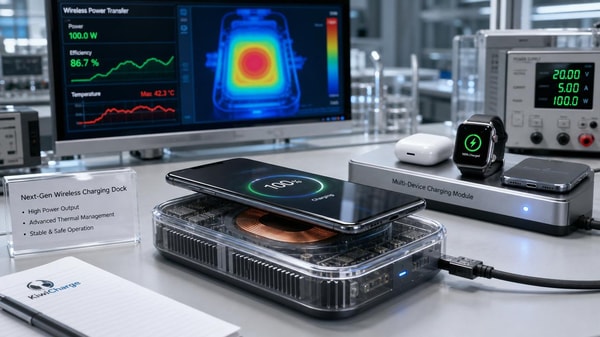
 Next-gen wireless charging still faces a heat management problemNext-gen wireless charging promises faster, more flexible power delivery, but heat remains the key barrier. Discover how thermal limits impact safety, efficiency, and market readiness.
 Wearable technology adoption drops when comfort gets overlookedWearable technology adoption falls fast when comfort is ignored. Discover how fit, materials, weight, and battery life shape long-term use and smarter buying decisions.
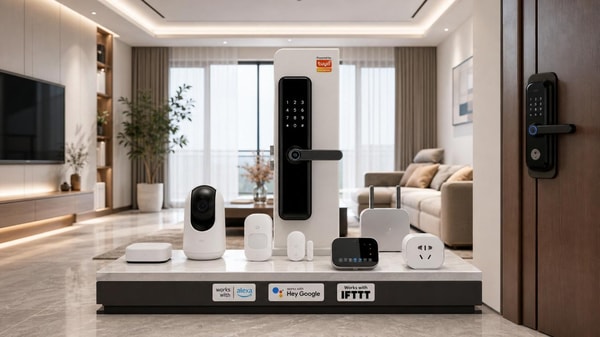
 Smart home devices wholesale is no longer just about low pricingSmart home devices wholesale now goes beyond low pricing. Discover how reliability, compatibility, and supply chain confidence help distributors choose profitable, trusted partners.
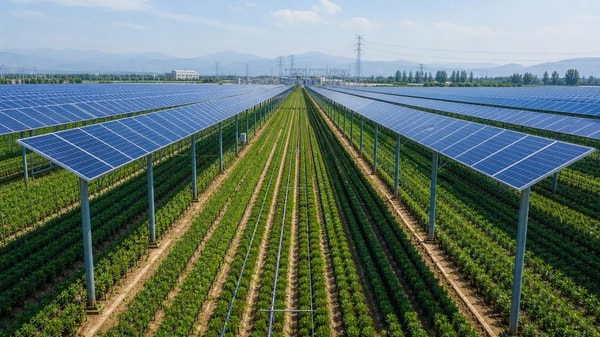
 Agri-PV systems make sense only when land use is planned wellAgri-PV systems deliver real value only when land use is planned well. Discover how smart site, crop, grid, and compliance decisions turn dual-use solar into a bankable, sustainable project.
 Organic fertilizers may improve soil slower, but results last longerOrganic fertilizers improve soil slowly but deliver longer-lasting results. Learn how they boost soil health, support safer growing, and help you choose the right option for sustainable planting success.
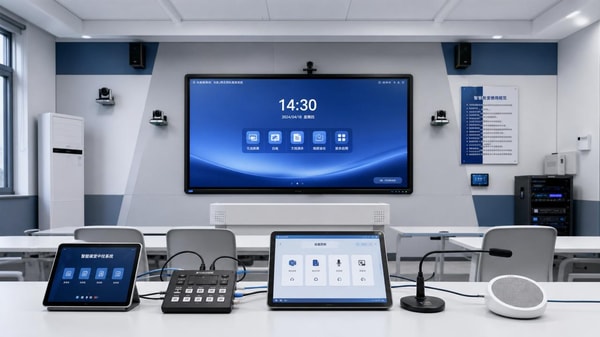
 Smart classroom solutions fail when teachers need too many appsSmart classroom solutions fail when teachers juggle too many apps. Discover why integrated, easy-to-use platforms drive adoption, ROI, and scalable learning success.









Popular Tags
Global Trade Insights & Industry
Our mission is to empower global exporters and importers with data-driven insights that foster strategic growth.
Search News
Popular Tags
Industry Overview
The global commercial kitchen equipment market is projected to reach $112 billion by 2027. Driven by urbanization, the rise of e-commerce food delivery, and strict hygiene regulations.