

Plant-based protein processing changes texture more than many expect
Plant-based protein processing can reshape texture, stability, and sensory performance far more dramatically than many quality and safety teams anticipate. From extrusion and hydration control to heat treatment and particle size management, each step influences product consistency and compliance risk. Understanding these shifts is essential for professionals who must balance consumer expectations, process reliability, and food safety in an increasingly competitive global market.
Why does Plant-based protein processing change texture so much?
For quality control and safety managers, texture is not a cosmetic issue. It is closely tied to water activity, microbial stability, fill accuracy, cooking tolerance, and customer acceptance. In many formulations, Plant-based protein processing alters structure more aggressively than raw material buyers expect because plant proteins do not behave like intact animal muscle or dairy protein systems.
Soy, pea, wheat, fava, and mixed protein systems each respond differently to shear, moisture, pressure, and temperature. A small upstream change can cause a major downstream shift in bite, chewiness, gel strength, oil release, or sedimentation. That is why processing decisions should not be separated from risk review, supplier verification, and production monitoring.
- Protein denaturation can improve binding, but it can also create brittle, dry, or rubbery textures when heat profiles are poorly controlled.
- Hydration timing changes viscosity, particle swelling, and batch uniformity, directly affecting line performance and rework rates.
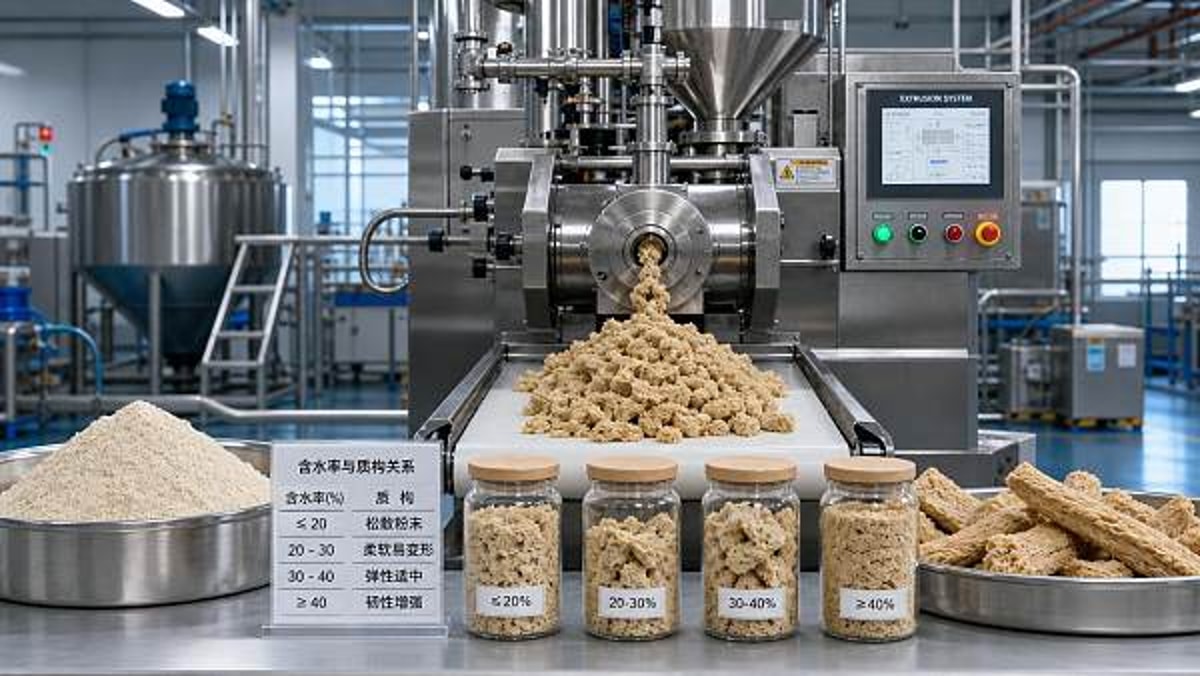
- Mechanical shear influences fiber formation and mouthfeel, especially in high-moisture extrusion for meat analog applications.
- Particle size distribution can change sedimentation, grittiness, and heat transfer, which are all relevant to both sensory quality and process safety.
In a global supply chain, these issues become harder to manage because suppliers may use different concentration methods, drying systems, or raw crop origins. GTIIN and TradeVantage help procurement, quality, and trade teams track these market variables so technical decisions are informed by real production and sourcing conditions rather than label claims alone.
Core texture drivers quality teams should monitor
Before approving a new material or processing line, teams should identify the variables most likely to shift texture and compliance outcomes. The table below organizes the main control points in Plant-based protein processing and links them to practical inspection concerns.
This comparison shows why Plant-based protein processing should be reviewed as a system rather than a single machine setting. Texture variation is often a sign of weak process integration, not only raw material fluctuation.
Which processing stages create the highest risk for QC and safety teams?
The highest-risk stages are usually the ones where the product changes phase or structure. During these moments, plant proteins can absorb water unevenly, align under shear, trap oil, or lose native functionality. If monitoring is delayed until final inspection, the root cause may already be buried in upstream handling.
1. Raw material intake and lot-to-lot variation
Protein concentration, residual fiber, ash content, and processing history all matter. Two pea protein lots with similar protein percentages may still behave differently if one has higher damaged starch, a different drying profile, or more fine particles. Safety teams should also verify allergen management, transport conditions, and moisture history at intake.
2. Hydration and premix control
Hydration is often underestimated. Incomplete wetting creates fisheyes, uneven viscosity, and texture defects that later look like extrusion problems. Excessive hydration time can also raise operational hygiene concerns if product temperatures remain in a sensitive range for too long.
3. Thermal and mechanical structuring
Whether the plant uses extrusion, retort, steam cooking, or continuous heating, this is where texture can move from soft and acceptable to dense and difficult to chew. In Plant-based protein processing, the same thermal input may produce very different outcomes depending on moisture, protein source, and fat distribution.
4. Cooling, filling, and post-process handling
Texture is not fixed the moment the product exits the cooker or extruder. Cooling rate affects syneresis, surface cracking, and internal moisture redistribution. Rough conveying or poor hold conditions can collapse structure, especially in high-moisture meat alternatives and drinkable protein systems.
- Set acceptance criteria for hydration rate, not just final solids.
- Track lot-specific behavior during scale-up instead of assuming supplier equivalence.
- Review texture complaints together with environmental and sanitation records, because process hold times may contribute to both quality and safety drift.
How do different Plant-based protein processing routes compare?
Different product categories require different structuring routes. A protein beverage, a minced meat analog, and a high-protein bakery filling may all use plant protein, but the processing logic is not the same. For teams making sourcing or line approval decisions, route comparison helps reduce trial-and-error costs.
The table below compares common Plant-based protein processing approaches from a quality and safety perspective.
This side-by-side view helps procurement and technical teams avoid a common mistake: selecting a protein ingredient based only on protein percentage or price per kilogram. Plant-based protein processing performance must be judged in the final process route and end-use scenario.
What should buyers and auditors check before approving a supplier or process line?
Quality and safety managers are often asked to approve materials under tight commercial deadlines. Yet a lower-cost protein can become expensive if it drives extra sorting, lower yield, more sanitation downtime, or complaint handling. A structured evaluation model is more useful than a fast price comparison.
Practical procurement checklist
- Confirm the manufacturing route. Ask whether the protein was produced by dry fractionation, wet extraction, heat treatment, or additional functional modification.
- Review particle size and bulk density data. These influence dosing, dust control, hydration speed, and mixing behavior.
- Check microbiological specifications together with recommended storage conditions, not as isolated certificate values.
- Request application-specific trial evidence. A protein suitable for a powdered soup may fail in a retorted ready meal or chilled meat analog.
- Evaluate supply continuity by origin, seasonality, and logistics risk, especially if global trade routes or crop conditions are unstable.
This is where GTIIN and TradeVantage add strategic value. Beyond ingredient descriptions, buyers can use cross-border market intelligence, sector updates, and supplier visibility signals to assess whether a sourcing option is likely to remain stable under real trade conditions. That matters when audits, claims, and delivery commitments all depend on reliable upstream information.
Supplier and process approval matrix
The table below can be adapted by QA, procurement, and plant teams when comparing Plant-based protein processing options across suppliers or facilities.
A matrix like this improves internal alignment. It also helps explain to commercial teams why a seemingly minor Plant-based protein processing difference can justify a different supplier choice or a slower approval timeline.
Standards, documentation, and compliance: what matters in practice?
For quality and safety professionals, compliance is not limited to a certificate file. Plant-based protein processing must be documented in a way that supports traceability, hazard review, customer questionnaires, and import checks. Requirements vary by market and product type, but the documentation logic is broadly similar across sectors.
- Ingredient specifications should define moisture, microbiological limits, allergen status, and intended application boundaries.
- HACCP reviews should consider hydration holds, thermal treatment limits, post-process contamination risks, and rework handling.
- Traceability records should connect raw material lot, process parameters, packaging codes, and shipment details.
- Export-oriented businesses should verify that labeling and supporting documents align with destination market expectations and customer specifications.
In many companies, the challenge is not lack of data but fragmented data. TradeVantage is relevant here because it connects industrial news, market shifts, and supply chain visibility in one B2B intelligence environment. For teams working across sourcing, compliance, and commercial functions, that integrated view can shorten response time when a specification change or regional disruption affects Plant-based protein processing decisions.
Common misconceptions and FAQ about Plant-based protein processing
Is a higher protein percentage always better for texture?
No. A higher protein number may help formulation targets, but texture depends on functional behavior, not headline content alone. Solubility, particle size, residual fiber, and thermal history can matter just as much. Some highly concentrated proteins create dense or chalky textures if the process route is not adapted.
Can texture issues be solved only by changing formulation?
Not always. Many texture failures come from process conditions such as incomplete hydration, unstable shear, poor cooling, or variable hold times. Reformulating too early can hide the real cause and increase cost. A structured review of Plant-based protein processing conditions should come first.
Which applications are most sensitive to process variation?
High-moisture meat alternatives, protein beverages, and emulsified ready meals are usually sensitive because they rely on tight control of water distribution and structural stability. In these applications, slight changes in raw material behavior can create visible defects or shelf-life concerns.
How should teams manage supplier comparisons across countries?
Use a shared evaluation framework that covers functionality, documentation, logistics, and risk exposure. Do not compare only certificates or price sheets. Global B2B intelligence platforms such as GTIIN and TradeVantage can support this work by surfacing regional production trends, sector news, and supply-side changes that affect decision quality.
What trends should quality and safety teams watch next?
Plant-based protein processing is moving toward cleaner label expectations, broader raw material diversity, and tighter global scrutiny of consistency. That means quality teams will face more mixed-protein systems, more application-specific functionality claims, and more pressure to validate performance quickly across regions.
At the same time, sourcing conditions remain dynamic. Crop origin shifts, energy costs, freight disruptions, and regional regulatory updates can all influence processing behavior and supplier reliability. Companies that combine technical validation with market intelligence will be in a stronger position to control texture risk and protect delivery commitments.
Why choose us for market insight and sourcing support?
For teams responsible for Plant-based protein processing decisions, the challenge is rarely limited to the factory floor. It includes supplier screening, cross-border information gaps, market timing, and the need to explain technical risk in commercial terms. GTIIN and TradeVantage are built for that intersection.
- If you need parameter confirmation, we help you track supplier-side processing signals and sector updates that influence material behavior.
- If you are comparing product options, we support selection with industry intelligence across 50+ sectors, helping buyers and QA teams ask better technical questions.
- If delivery timing is critical, our global coverage helps you monitor market movements that may affect lead times, continuity, and procurement risk.
- If you need support on certification expectations, export documentation direction, or market-entry research, our platform helps connect fragmented information into a more usable decision framework.
- If you are planning sample evaluation or quotation discussions with suppliers, our intelligence approach can help narrow the field before costly trials begin.
Contact us to discuss supplier screening, product selection, processing risk indicators, delivery cycle questions, documentation priorities, or market-specific compliance research related to Plant-based protein processing. For quality control and safety managers, better decisions start with better visibility.
Recommended News
 Portable oxygen concentrators are quieter now, but not always lighterPortable oxygen concentrators are getting quieter, but not always lighter. Explore the trade-offs in weight, battery life, comfort, and daily usability before you compare today’s top options.
 Interactive whiteboards are improving, but software still decides valueInteractive whiteboards deliver real value when software matches the scenario. Explore how usability, integration, security, and updates shape smarter buying decisions.
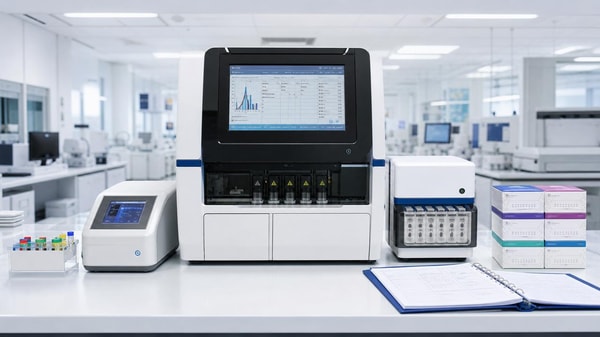
 Medical diagnostic equipment downtime often starts with calibration neglectMedical diagnostic equipment downtime often starts with missed calibration. Learn the warning signs, checklist priorities, and practical steps to prevent failures and keep healthcare operations reliable.
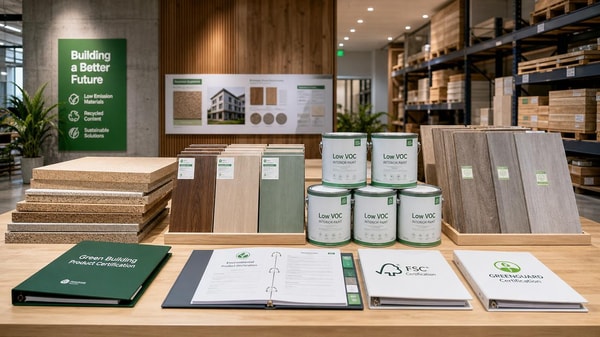
 Eco-friendly building materials are easier to specify than to sourceEco-friendly building materials are easier to specify than source. Learn how procurement teams can verify claims, reduce risk, and find reliable suppliers faster.
 Ergonomic workspace design can fail if chair fit comes lastErgonomic workspace design starts with chair fit. Learn how the right seat improves posture, comfort, and focus—and why fixing it first can transform your workspace.
 Outdoor garden supplies demand shifts faster than many expectOutdoor garden supplies demand is shifting faster than expected. Discover key B2B trends, smarter sourcing insights, and practical strategies to stay competitive and capture growth.
 Sustainable home decor sells better when materials are clearly disclosedSustainable home decor sells better when brands clearly disclose materials, finishes, and sourcing. Discover why transparency builds trust, justifies price, and drives more confident buying.
 Modern office furniture trends now favor modular over fixed layoutsModern office furniture is shifting to modular layouts for flexibility, lower lifecycle costs, and better hybrid work performance. See why enterprises are moving away from fixed office design.
 Smart street lighting projects stall when controls are overcomplicatedSmart street lighting projects often stall when controls become too complex. Learn how to simplify deployment, reduce risk, and scale citywide with practical, maintainable systems.
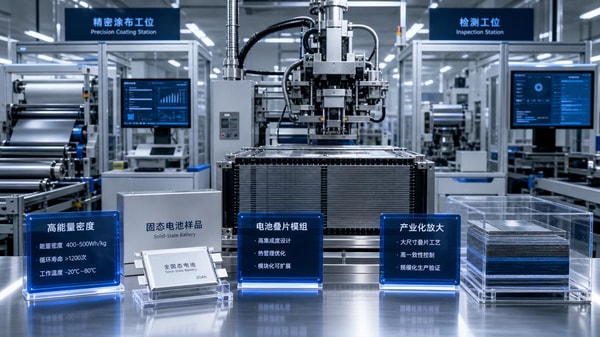
 Solid-state battery breakthroughs look promising, but scale is harderSolid-state battery breakthroughs promise safer, higher-density energy storage, but scaling remains the real challenge. Explore what this means for supply chains, investment, and market advantage.
 Commercial LED lighting upgrades often save less than expectedCommercial LED lighting upgrades can underdeliver when baseline data, controls, and installation costs are misjudged. Learn how to assess real savings, reduce ROI risk, and make smarter investment decisions.
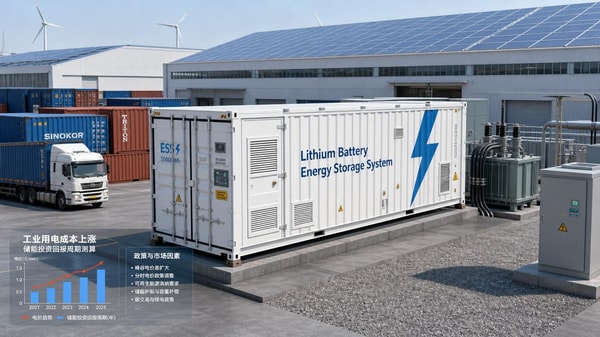
 Lithium battery storage payback can change with one policy updateLithium battery storage payback can shift fast after one policy update. See how tariffs, tax credits, grid pricing, and incentives change ROI—and how finance teams can approve smarter.
 Photovoltaic solar panels now compete on output in low lightPhotovoltaic solar panels now compete on low-light output. Discover how buyers can compare yield, risk, and supplier value to source smarter and boost project returns.
 Plant-based protein processing changes texture more than many expectPlant-based protein processing reshapes texture, stability, and safety more than expected. Explore key risks, QC checkpoints, and smarter sourcing insights for consistent results.
 Foldable screen technology is improving, but crease concerns remainFoldable screen technology is evolving fast with slimmer designs and stronger hinges, but crease concerns still shape buying decisions. Explore where it matters most.
 Next-gen wireless charging still faces a heat management problemNext-gen wireless charging promises faster, more flexible power delivery, but heat remains the key barrier. Discover how thermal limits impact safety, efficiency, and market readiness.
 Wearable technology adoption drops when comfort gets overlookedWearable technology adoption falls fast when comfort is ignored. Discover how fit, materials, weight, and battery life shape long-term use and smarter buying decisions.
 Smart home devices wholesale is no longer just about low pricingSmart home devices wholesale now goes beyond low pricing. Discover how reliability, compatibility, and supply chain confidence help distributors choose profitable, trusted partners.
 Agri-PV systems make sense only when land use is planned wellAgri-PV systems deliver real value only when land use is planned well. Discover how smart site, crop, grid, and compliance decisions turn dual-use solar into a bankable, sustainable project.
 Organic fertilizers may improve soil slower, but results last longerOrganic fertilizers improve soil slowly but deliver longer-lasting results. Learn how they boost soil health, support safer growing, and help you choose the right option for sustainable planting success.
 Smart classroom solutions fail when teachers need too many appsSmart classroom solutions fail when teachers juggle too many apps. Discover why integrated, easy-to-use platforms drive adoption, ROI, and scalable learning success.













Popular Tags
Global Trade Insights & Industry
Our mission is to empower global exporters and importers with data-driven insights that foster strategic growth.
Search News
Popular Tags
Industry Overview
The global commercial kitchen equipment market is projected to reach $112 billion by 2027. Driven by urbanization, the rise of e-commerce food delivery, and strict hygiene regulations.