

Sustainable home decor sells better when materials are clearly disclosed
Sustainable home decor earns more trust—and often more sales—when brands clearly disclose the materials behind each product. Today’s consumers want style that aligns with their values, from recycled wood and organic textiles to low-impact finishes. Transparent material details help shoppers compare options, verify eco claims, and feel confident before buying, making disclosure a powerful driver of both credibility and conversion.
For shoppers, the answer is straightforward: yes, sustainable home decor tends to sell better when materials are clearly disclosed, because transparency reduces doubt at the exact moment people are deciding whether a product is worth the price. When buyers can see what a chair, rug, lamp, or bedding set is actually made of, they are better able to judge durability, health impact, environmental value, and whether the product truly matches the brand’s claims.
This matters especially in a market where “eco-friendly,” “natural,” and “green” are often used loosely. Many consumers like the idea of sustainable home decor, but they also worry about greenwashing, hidden synthetics, chemical finishes, and unclear sourcing. Material disclosure addresses those concerns directly. It turns abstract sustainability messaging into something concrete, comparable, and believable.
For end consumers, the real question is not just whether a product looks beautiful. It is whether the product is honest about what it is made from, safe for daily living, durable enough to justify its cost, and aligned with personal values. That is why clear disclosure has become one of the strongest trust signals in the home category—and why brands that do it well often convert more browsers into buyers.
Why material disclosure matters so much in sustainable home decor
Home decor is deeply personal. Unlike impulse purchases, decor items often stay in the home for years, interact with children and pets, and contribute to how safe, healthy, and comfortable a space feels. Buyers do not simply want an attractive item; they want confidence that the materials inside it will not disappoint them later.
Clear material disclosure helps consumers answer basic but important questions quickly: Is this solid wood or engineered board? Is the fabric organic cotton, recycled polyester, or a blend? Does the finish contain high-VOC chemicals? Are the decorative elements natural, recycled, or purely conventional materials presented with eco language?
When brands fail to provide these details, shoppers are forced to guess. That uncertainty can lead to hesitation, cart abandonment, and negative assumptions. In contrast, when product pages explain materials in plain language, consumers feel respected. That sense of clarity often translates into stronger trust and a greater willingness to buy.
There is also a pricing effect. Sustainable home decor often carries a premium because of better sourcing, lower-impact production, or higher-quality inputs. Buyers are more willing to accept that premium when they can clearly see what they are paying for. A listing that says “made with FSC-certified oak, natural oil finish, and recycled steel hardware” feels far more credible than one that simply says “eco-conscious craftsmanship.”
What today’s shoppers want to know before they buy
Most consumers interested in sustainable home decor are trying to make better choices without becoming material scientists. They do not need every technical detail, but they do want enough information to make a smart decision. The most useful product information is usually practical, specific, and easy to verify.
First, shoppers want to know the exact material composition. If a throw pillow is marketed as sustainable, buyers want to know whether the cover is linen, organic cotton, recycled fiber, or a blend. If a side table appears to be wood, they want to know whether it is solid wood, veneer, bamboo, or MDF with a decorative surface.
Second, they care about finishes and treatments. Many consumers have become more aware of indoor air quality, especially for bedrooms, nurseries, and small apartments. Paints, glues, coatings, and flame-retardant treatments can affect purchasing decisions just as much as the base material itself. A product made from recycled content may still raise concerns if the finish is vague or potentially high in harmful emissions.
Third, shoppers want some context around sourcing and standards. They may not require a long sustainability report, but they do appreciate clear references to recognized certifications, recycled content percentages, renewable sourcing, or responsible harvesting practices. These details help distinguish meaningful sustainability efforts from marketing language.
Finally, consumers care about longevity. Sustainable home decor is not just about what something is made from, but also how long it will last. Buyers often view durability as part of sustainability. A well-built lamp made from conventional materials may feel more responsible than a trendy “green” accessory that breaks after one season. That is why material disclosure is most powerful when paired with honest information about care, wear, and expected lifespan.
How transparency helps shoppers identify real value
One of the biggest problems in the market is that many products look sustainable at first glance. Earth-toned photography, words like “natural,” and minimal packaging can create the appearance of responsibility even when the product details are thin. Clear disclosure cuts through this visual branding and gives consumers a better basis for comparison.
For example, two rugs may appear similar in style and price, but their value can differ greatly depending on material composition. One may be made from handwoven wool with natural dyes, while the other may be mostly virgin synthetic fiber with a vague “eco-inspired” description. Without disclosure, shoppers cannot tell the difference.
This is where sustainable home decor becomes easier to evaluate. Transparent listings let consumers compare products based on factors that actually matter: renewable versus non-renewable materials, virgin versus recycled inputs, blended versus pure fibers, low-impact versus unspecified finishes, and durable construction versus purely aesthetic appeal.
Disclosure also helps buyers avoid paying a premium for weak sustainability claims. A higher price is not automatically a sign of better environmental performance. Consumers increasingly understand this, and many are looking for proof before they commit. A brand that provides specific material details makes it easier for shoppers to see whether the product justifies its price.
In other words, transparency improves both trust and value perception. It does not simply inform; it helps consumers feel that they are making a rational, responsible purchase rather than an emotional leap based on branding alone.
Which material details make the biggest difference to trust
Not all disclosure is equally useful. Long, technical descriptions can overwhelm shoppers, while vague phrases can leave them unconvinced. The most effective approach gives the information consumers actually use when making decisions.
The first key detail is percentage or composition clarity. If a curtain is 60% recycled polyester and 40% cotton, say so. If a storage basket is made from seagrass over a metal frame, say so. Buyers appreciate directness, especially when products use mixed materials.
The second is source type. Consumers respond well to distinctions such as reclaimed wood, rapidly renewable bamboo, recycled glass, organic cotton, or responsibly sourced wool. These terms give meaningful context, especially when they are not overused or presented without support.
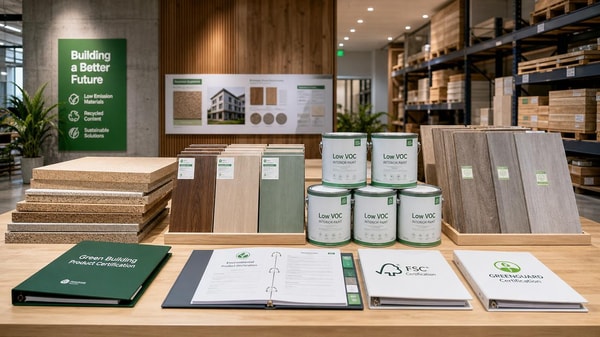
The third is finish information. Low-VOC coatings, water-based paints, natural oils, and formaldehyde-free adhesives are often highly relevant, particularly for furniture and indoor textiles. These details help reassure buyers who care about both sustainability and household wellness.
The fourth is certification where relevant. Certifications should support disclosure, not replace it. Labels such as FSC, GOTS, OEKO-TEX, or GREENGUARD can strengthen trust when consumers also understand what the product is physically made from. A certification badge without plain-language explanation is less helpful than many brands assume.
The fifth is maintenance guidance. Consumers often overlook this until after purchase, but care instructions affect perceived sustainability. If a product requires intensive cleaning, sheds easily, or is prone to warping, buyers may feel misled. Honest care guidance supports the idea that the brand is being transparent about the full ownership experience.
Common red flags consumers notice in sustainable home decor listings
As consumers become more informed, they are also becoming better at spotting weak claims. Several warning signs tend to reduce confidence quickly, even when the overall product looks appealing.
One major red flag is broad sustainability language without material specifics. Terms like “earth-friendly,” “responsibly made,” or “good for the planet” can feel empty if there is no information about fabric content, wood source, coatings, or manufacturing inputs. Shoppers often interpret that vagueness as intentional.
Another red flag is visual mismatch. If a product appears to be solid wood but the description only mentions a “wood finish,” buyers may assume the brand is hiding engineered material or laminate construction. The same applies to textiles that look natural in photos but turn out to be mostly synthetic blends.
Consumers also notice selective disclosure. A brand may highlight recycled packaging while saying nothing about the actual product materials. Or it may emphasize one sustainable input while omitting chemical treatments or mixed-material components. Selective transparency can make a listing feel less trustworthy than a simpler but more honest one.
Finally, shoppers are wary of claims that sound impressive but cannot be interpreted. Proprietary eco labels, unclear icons, and unsupported percentages often create confusion rather than confidence. In sustainable home decor, plain language usually performs better than decorative sustainability jargon.
How consumers can shop smarter when comparing sustainable products
For buyers, the goal is not to find a perfect product. It is to make better-informed choices based on what matters most for the home, budget, and lifestyle. Material disclosure makes this easier, but shoppers still benefit from a clear evaluation process.
Start by asking what the product is made of at its core. Is the material renewable, recycled, reclaimed, or conventional? Then look for details about blends, backing, filling, or hardware. In many home categories, the hidden components can significantly affect both sustainability and durability.
Next, consider where health and comfort matter most. For bedding, upholstery, nursery items, and large furniture pieces, finishes and emissions may be especially important. In decorative accessories, durability and end-of-life recyclability may matter more than emissions. Prioritize the information that fits the actual use case.
It also helps to compare products across three dimensions: material integrity, lifespan, and honesty of communication. A product may not have every ideal certification, but if it clearly explains its materials, is built to last, and avoids exaggerated claims, it may still be a strong sustainable choice.
Consumers should also read reviews with a material lens. Comments about shedding, odor, surface wear, fading, or misleading texture often reveal whether the disclosed materials match real-world performance. Transparent listings tend to produce more accurate expectations, which is another reason they often convert better and generate higher satisfaction after purchase.
Why clear disclosure benefits both consumers and brands
The benefit to shoppers is obvious: less confusion, fewer surprises, and more confidence in purchase decisions. But the benefit to brands is equally important. Clear disclosure improves credibility, supports premium pricing, reduces returns caused by unmet expectations, and helps brands stand out in a crowded market.
Consumers do not expect every product to be perfect. What they increasingly expect is honesty. A brand that admits a product uses a blend of natural and recycled synthetic materials can still earn trust if it explains why that choice was made—for instance, to improve durability or reduce waste. Buyers are often more forgiving of trade-offs than of ambiguity.
This is especially relevant in sustainable home decor, where brand trust can influence repeat purchases across categories. A customer who feels well-informed when buying a rug may be more likely to return for lighting, storage, or textiles from the same brand. Transparency creates consistency, and consistency builds loyalty.
In digital commerce, where shoppers cannot touch surfaces or inspect labels in person, product detail becomes part of the selling experience. Material disclosure is not just technical information; it is a form of service. It answers the questions people would ask in a store and helps replace uncertainty with confidence.
The bottom line for anyone buying sustainable home decor
If you are shopping for sustainable home decor, material disclosure should be treated as a core buying signal, not a minor bonus. It helps you verify claims, compare products more fairly, understand what you are bringing into your home, and decide whether a higher price reflects genuine value.
The strongest products are rarely the ones with the most dramatic sustainability language. They are usually the ones that tell you, clearly and specifically, what they are made of, how they are finished, what standards they meet, and what kind of performance you can expect over time. That level of openness supports better decisions and reduces the risk of disappointment.
As the market matures, sustainable home decor will likely become less about vague eco branding and more about measurable transparency. For consumers, that is good news. It means better information, stronger trust, and more power to choose products that look good, function well, and align with personal values.
In the end, style may attract attention, but clarity closes the sale. When materials are clearly disclosed, sustainable home decor becomes easier to trust—and much easier to buy.
Recommended News
 Portable oxygen concentrators are quieter now, but not always lighterPortable oxygen concentrators are getting quieter, but not always lighter. Explore the trade-offs in weight, battery life, comfort, and daily usability before you compare today’s top options.
 Interactive whiteboards are improving, but software still decides valueInteractive whiteboards deliver real value when software matches the scenario. Explore how usability, integration, security, and updates shape smarter buying decisions.
 Medical diagnostic equipment downtime often starts with calibration neglectMedical diagnostic equipment downtime often starts with missed calibration. Learn the warning signs, checklist priorities, and practical steps to prevent failures and keep healthcare operations reliable.
 Eco-friendly building materials are easier to specify than to sourceEco-friendly building materials are easier to specify than source. Learn how procurement teams can verify claims, reduce risk, and find reliable suppliers faster.
 Ergonomic workspace design can fail if chair fit comes lastErgonomic workspace design starts with chair fit. Learn how the right seat improves posture, comfort, and focus—and why fixing it first can transform your workspace.
 Outdoor garden supplies demand shifts faster than many expectOutdoor garden supplies demand is shifting faster than expected. Discover key B2B trends, smarter sourcing insights, and practical strategies to stay competitive and capture growth.
 Sustainable home decor sells better when materials are clearly disclosedSustainable home decor sells better when brands clearly disclose materials, finishes, and sourcing. Discover why transparency builds trust, justifies price, and drives more confident buying.
 Modern office furniture trends now favor modular over fixed layoutsModern office furniture is shifting to modular layouts for flexibility, lower lifecycle costs, and better hybrid work performance. See why enterprises are moving away from fixed office design.
 Smart street lighting projects stall when controls are overcomplicatedSmart street lighting projects often stall when controls become too complex. Learn how to simplify deployment, reduce risk, and scale citywide with practical, maintainable systems.
 Solid-state battery breakthroughs look promising, but scale is harderSolid-state battery breakthroughs promise safer, higher-density energy storage, but scaling remains the real challenge. Explore what this means for supply chains, investment, and market advantage.
 Commercial LED lighting upgrades often save less than expectedCommercial LED lighting upgrades can underdeliver when baseline data, controls, and installation costs are misjudged. Learn how to assess real savings, reduce ROI risk, and make smarter investment decisions.
 Lithium battery storage payback can change with one policy updateLithium battery storage payback can shift fast after one policy update. See how tariffs, tax credits, grid pricing, and incentives change ROI—and how finance teams can approve smarter.
 Photovoltaic solar panels now compete on output in low lightPhotovoltaic solar panels now compete on low-light output. Discover how buyers can compare yield, risk, and supplier value to source smarter and boost project returns.
 Plant-based protein processing changes texture more than many expectPlant-based protein processing reshapes texture, stability, and safety more than expected. Explore key risks, QC checkpoints, and smarter sourcing insights for consistent results.
 Foldable screen technology is improving, but crease concerns remainFoldable screen technology is evolving fast with slimmer designs and stronger hinges, but crease concerns still shape buying decisions. Explore where it matters most.
 Next-gen wireless charging still faces a heat management problemNext-gen wireless charging promises faster, more flexible power delivery, but heat remains the key barrier. Discover how thermal limits impact safety, efficiency, and market readiness.
 Wearable technology adoption drops when comfort gets overlookedWearable technology adoption falls fast when comfort is ignored. Discover how fit, materials, weight, and battery life shape long-term use and smarter buying decisions.
 Smart home devices wholesale is no longer just about low pricingSmart home devices wholesale now goes beyond low pricing. Discover how reliability, compatibility, and supply chain confidence help distributors choose profitable, trusted partners.
 Agri-PV systems make sense only when land use is planned wellAgri-PV systems deliver real value only when land use is planned well. Discover how smart site, crop, grid, and compliance decisions turn dual-use solar into a bankable, sustainable project.
 Organic fertilizers may improve soil slower, but results last longerOrganic fertilizers improve soil slowly but deliver longer-lasting results. Learn how they boost soil health, support safer growing, and help you choose the right option for sustainable planting success.
 Smart classroom solutions fail when teachers need too many appsSmart classroom solutions fail when teachers juggle too many apps. Discover why integrated, easy-to-use platforms drive adoption, ROI, and scalable learning success.




















Popular Tags
Global Trade Insights & Industry
Our mission is to empower global exporters and importers with data-driven insights that foster strategic growth.
Search News
Popular Tags
Industry Overview
The global commercial kitchen equipment market is projected to reach $112 billion by 2027. Driven by urbanization, the rise of e-commerce food delivery, and strict hygiene regulations.