

Pool equipment maintenance warning signs before a breakdown
Unexpected failures often begin with subtle warning signs. For buyers, distributors, and market researchers tracking pool equipment maintenance, knowing when to act can reduce downtime, protect assets, and improve service planning. This guide highlights the most common indicators before a breakdown, while connecting maintenance decisions with broader concerns such as pool equipment installation, production line efficiency in supply chains, and evolving agrochemicals market trends that shape industrial purchasing strategies.
In B2B environments, pool equipment is more than a facility expense. It affects after-sales workloads, spare-parts forecasting, distributor reputation, and procurement timing. Whether the focus is pumps, filters, chlorinators, heaters, valves, or automation panels, early intervention can prevent a minor fault from becoming a costly replacement event within 7–30 days.
For commercial buyers and channel partners, the value of maintenance intelligence is practical. It helps compare supplier support capability, define service intervals, and estimate lifecycle costs before placing larger orders. It also supports broader sourcing decisions when installation quality, local water conditions, and maintenance labor availability vary across export markets.
Early Warning Signs That Usually Appear Before Pool Equipment Failure
Most pool equipment breakdowns do not happen without notice. In many commercial and residential service cases, there is a visible or audible change 2–8 weeks before a major failure. Buyers evaluating equipment lines should understand these warning signs because they often reveal whether the issue is a wear part, an installation defect, or a system design mismatch.
For pool pumps, the first indicators are usually noise, reduced flow, overheating, or irregular start-stop behavior. A motor that becomes 10–15% louder than normal, or a housing that feels unusually hot after 20–30 minutes of operation, may indicate bearing wear, voltage instability, or blocked circulation. Ignoring these symptoms can lead to motor burnout and unplanned shutdown.
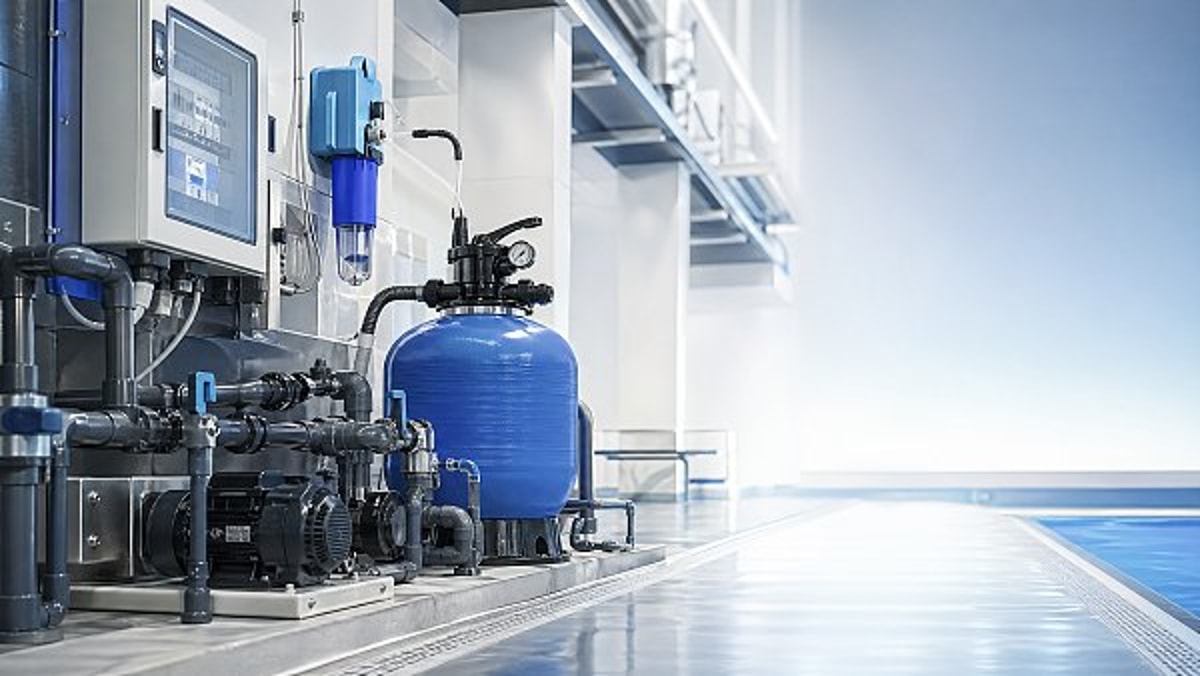
Filters also show clear pre-failure signals. A pressure gauge that climbs steadily above the normal operating band, a shortened backwash cycle, or cloudy water despite stable chemical dosing often suggests media clogging, internal channeling, damaged laterals, or valve leakage. In procurement reviews, these signs matter because frequent pressure spikes may point to poor material quality or undersized filter configuration.
Heating and dosing systems tend to fail more quietly. Heaters may show delayed ignition, unstable temperature rise, or error codes during high-demand periods. Chlorinators and dosing pumps may display inconsistent output, crystal buildup, or tubing fatigue after 6–12 months in harsh conditions. These are not isolated service issues; they directly affect consumable planning and maintenance contract scope.
Most Common Operational Symptoms
- Unusual vibration from pumps or motors, especially when vibration increases after priming or under peak load.
- Pressure readings outside the usual range for 3 or more consecutive operating cycles.
- Visible leaks around seals, unions, heater connections, or multiport valves.
- Automation panel alarms, intermittent sensor readings, or delayed response from timers and relays.
- Higher energy consumption, often noticed when run time remains stable but utility costs rise by 8–20%.
Distributors and sourcing teams can use these symptoms as a first screening tool when comparing maintenance burdens across brands or product categories. Equipment that frequently develops seal leaks, unstable pressure, or electrical faults in the first 12 months often generates hidden costs in warranty handling, field visits, and customer dissatisfaction.
How Installation Quality and Operating Conditions Influence Breakdown Risk
A large share of equipment failures are not caused by the product alone. They are linked to installation errors, poor hydraulic design, inconsistent power supply, or environmental conditions that push components outside their intended working range. For trade professionals, this is important because maintenance claims can sometimes mask upstream installation and commissioning issues.
In pool equipment installation, misaligned pipework, undersized suction lines, and inadequate ventilation around motors can accelerate wear. Even a small air leak on the suction side may cause cavitation, which creates noise, vibration, and impeller damage over time. In warmer climates, enclosure temperatures above 40°C can reduce motor efficiency and shorten capacitor life.
Water chemistry is another major variable. High calcium hardness, unstable pH, or aggressive sanitizing levels can degrade seals, heat exchangers, and probes faster than expected. Commercial pools with heavy daily bather loads often require tighter inspection cycles, sometimes every 7 days instead of every 30 days, especially for dosing and filtration systems.
For importers and distributors, understanding the operating environment also supports better product positioning. A system sold into coastal, high-humidity, or hard-water regions may need different material specifications, spare-parts packages, or service instructions than one supplied to dry inland markets. This affects both inventory planning and customer support quality.
Installation and Environment Risk Matrix
The table below summarizes common conditions that increase pool equipment maintenance risk before a breakdown. It is useful for procurement teams building supplier evaluation checklists or distributors defining service bundles by region.
The key takeaway is that maintenance warning signs should be interpreted in context. A noisy pump in a well-installed system may indicate a component issue, while the same symptom in a poorly ventilated plant room may reflect a site condition problem. That distinction matters for warranty decisions, service planning, and supplier communication.
Four Installation Checks Before Accepting Equipment
- Confirm power stability and match voltage, phase, and protection settings to the equipment specification.
- Check suction and return pipe sizing against recommended flow rate and head-loss conditions.
- Verify access clearance for routine service, ideally allowing fast access to baskets, valves, probes, and terminals.
- Record baseline readings such as pressure, amperage, flow, and water temperature during commissioning.
These steps may look basic, but they reduce ambiguity later. For B2B buyers handling multiple sites or multiple distributors, baseline data provides a measurable reference when warning signs start to appear.
What Buyers and Distributors Should Monitor in Maintenance Cycles
Routine maintenance is not only a technical task; it is a procurement intelligence tool. By tracking service intervals, part replacement patterns, and fault frequency, buyers can identify which equipment lines are operationally efficient and which ones create recurring service costs. This is especially relevant when comparing similar products with close initial pricing but different lifecycle behavior.
A practical monitoring plan usually combines daily visual checks, weekly performance reviews, and monthly preventive inspections. Daily tasks may include leak checks and alarm verification. Weekly reviews often focus on pressure, flow stability, and water clarity. Monthly inspections should cover electrical terminals, seals, moving parts, and control calibration. In high-use commercial pools, some monthly tasks should shift to a 2-week cycle.
Distributors managing after-sales networks should also categorize parts into fast-moving, seasonal, and low-frequency items. Pump seals, O-rings, probe consumables, and dosing tubes often fall into the first category. Motors, control boards, and heat exchanger components typically require lower stocking volume but faster supplier response, often within 5–10 working days to avoid customer escalation.
For information researchers and commercial evaluators, maintenance records can reveal whether a supplier supports field service effectively. Long lead times for replacement parts, unclear troubleshooting documents, or inconsistent warranty response may indicate channel risk, even when the product itself performs adequately in standard conditions.
Suggested Maintenance Monitoring Framework
The following table offers a simple structure for monitoring pool equipment maintenance warning signs before a breakdown. It can be adapted for service contractors, importers, or regional distributors.
This kind of framework improves cross-team visibility. Procurement can understand spare-parts demand, service teams can prioritize inspections, and distributors can identify which customers need proactive support before a failure affects operations.
Warning Signs That Should Trigger Immediate Action
- Persistent burning smell near the motor or control enclosure.
- Repeated breaker trips within 24–72 hours after reset.
- Leak growth that changes from occasional drops to continuous water loss.
- Rapid pressure swings that affect circulation and water treatment stability.
When these signals appear, delaying action usually increases cost. A seal replacement may be a small service event, but if water reaches the motor bearings or electrical housing, the repair scope can expand quickly.
Procurement Implications: How Warning Signs Affect Sourcing, Inventory, and Supplier Evaluation
From a B2B sourcing perspective, maintenance warning signs are not only service indicators; they also help buyers evaluate supplier fitness. If one product line requires seal replacement every 4–6 months while another remains stable for 12 months under similar conditions, the price comparison should include labor burden, downtime exposure, and inventory carrying cost.
This issue becomes more significant when channel partners operate across multiple regions. In some markets, replacement labor is readily available, but parts supply is slow. In others, parts move quickly but qualified service technicians are limited. A good sourcing decision therefore includes at least 4 dimensions: product durability, spare-parts availability, technical documentation quality, and escalation response speed.
There is also a broader supply-chain angle. Pool equipment buyers increasingly review production line efficiency and upstream component reliability when assessing suppliers. Stable manufacturing output, consistent packaging, and lower defect variability support predictable maintenance outcomes. Cross-industry market movements, including raw material volatility or demand shifts in adjacent sectors such as agrochemicals market trends, can influence lead times for plastics, metals, electronics, and logistics.
For global trade stakeholders, this means maintenance intelligence should feed into purchasing strategy. If warning signs repeatedly point to electronic controller failure, the issue may require not only field support but also a discussion about component sourcing, packaging protection, or regional adaptation of the product line.
Supplier Evaluation Factors Linked to Maintenance Outcomes
The table below connects common breakdown precursors with sourcing questions that procurement teams should raise during supplier assessment.
These questions help transform service observations into sourcing actions. Instead of reacting to failures one by one, buyers can refine product mix, negotiate support terms, and reduce future maintenance exposure across the channel.
Practical Buying Criteria for Trade Professionals
- Review recommended service intervals and compare them with local labor costs.
- Confirm availability of top 10 fast-moving spare parts in the target market.
- Ask for commissioning guidance that includes baseline readings and troubleshooting flow.
- Evaluate whether technical support can respond within 24–48 hours for urgent failures.
For exporters, these criteria also strengthen customer trust. A product that is easy to maintain and well supported often outperforms a lower-priced alternative over a 12–24 month operational cycle.
Preventive Action Plan and FAQ for Better Service Planning
A strong preventive strategy starts by classifying warning signs into three groups: monitor, service soon, and stop operation. Minor noise changes or slight pressure drift may only require closer observation. Continuous leakage, unstable electrical behavior, or recurring alarms generally need service within days. Burn smells, overheating, or severe vibration often justify immediate shutdown to avoid larger losses.
For channel partners, the most effective plan usually combines routine inspections, operator training, and supplier feedback loops. A quarterly review of service logs can identify repeated weak points in the installed base. Over a 6–12 month period, this data helps refine spare-parts inventory, technician training priorities, and future procurement specifications.
Market researchers and business evaluators can also benefit from this approach. Maintenance patterns often reveal where the market is moving: toward smarter control panels, more corrosion-resistant materials, easier-to-service layouts, or bundled after-sales programs. These trends matter when comparing vendors or identifying sectors with stronger long-term channel potential.
Below are common questions that frequently arise when buyers and distributors assess pool equipment maintenance risk before a breakdown.
How often should commercial pool equipment be inspected?
Daily visual checks are recommended for leaks, alarms, and water clarity. Weekly checks should cover pump noise, filter pressure, and dosing stability. A more detailed preventive inspection every 30 days is common, but high-load sites may need a 14-day cycle for filters, dosing assemblies, and electrical connections.
Which warning sign is most expensive to ignore?
Persistent overheating and repeated electrical trips are usually among the costliest. A low-cost capacitor or connection issue can escalate into motor, board, or wiring damage if the equipment continues running. Once secondary damage occurs, downtime and replacement cost can increase several times over.
What should distributors stock first for maintenance support?
Priority usually goes to seals, gaskets, baskets, dosing tubes, probe consumables, and common valve parts. These components address a high share of early service events. Secondary stock may include capacitors, relays, and selected control components, depending on the installed base and supplier lead time.
Three-Step Response Model
- Step 1: Record the symptom with time, load condition, pressure, and temperature if available.
- Step 2: Compare against commissioning baseline or the previous 2–4 maintenance records.
- Step 3: Decide whether monitoring, planned service, or immediate shutdown is appropriate.
Pool equipment maintenance warning signs before a breakdown should never be treated as minor background noise in a B2B operation. They influence uptime, service cost, customer satisfaction, and future purchasing decisions. By linking field symptoms with installation quality, maintenance cycles, and supplier evaluation, buyers and channel partners can make more reliable decisions and reduce lifecycle risk.
For organizations that rely on market intelligence to guide sourcing and expansion, structured maintenance insight becomes part of a stronger trade strategy. If you want to assess product lines, improve service planning, or explore broader industrial sourcing signals through GTIIN and TradeVantage, contact us to discuss tailored insights, supplier visibility, and more informed procurement solutions.
Recommended News
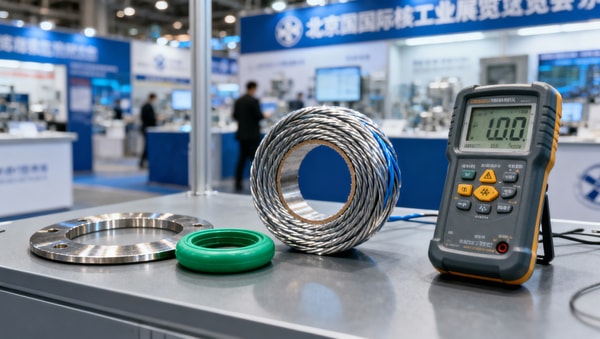
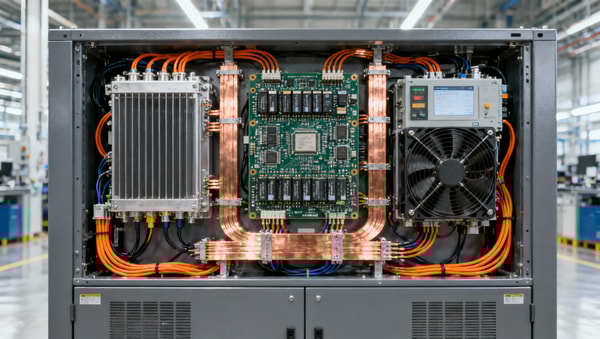
 China-France Nuclear Cooperation Advances at Beijing ExpoChina-France nuclear cooperation advances: mutual recognition for nuclear-grade seals, cables & radiation monitors boosts export readiness for suppliers targeting EU and BRI projects.
 Vietnam’s 4 Provinces Seek AI Tourism Tech in NanningAI tourism tech in demand: Vietnam’s 4 provinces seek AI-guided terminals, multilingual interpretation, AI-CCTV & smart ticketing in Nanning—key opportunity for B2G exporters.
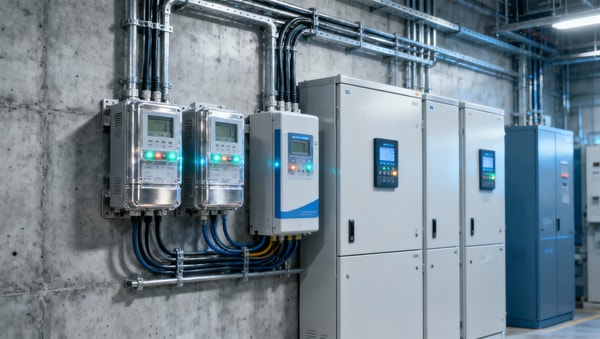
 Q1 2026 China Power Market Trading Up 25.6%: Smart Meters, Storage Export Demand RisesSmart meters, energy storage exports surge as China’s Q1 2026 power market trading jumps 25.6% — key signal for global manufacturers & channel partners.
 China First Country with 5M+ Active Invention PatentsChina first country with 5M+ active invention patents—key for buyers in AI, solar, lithium battery & energy storage. Discover IP implications for sourcing, compliance & supplier vetting.
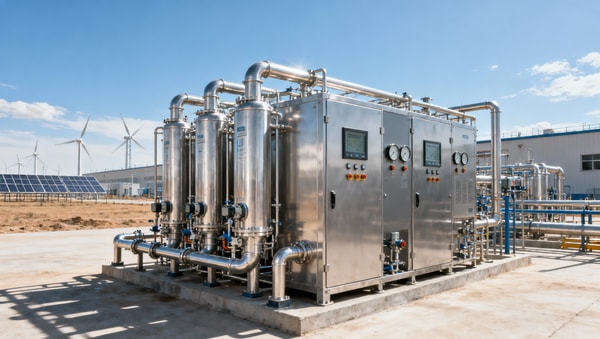
 Shenneng Etorkeqi Green Ammonia Project: Deionized Water Station OperationalShenneng Etorkeqi Green Ammonia Project’s deionized water station is now operational—ISO 8502-3 compliant, fully integrated, and a key milestone for global green hydrogen developers and exporters.
 China Launches 'Model-Data Resonance' Initiative for AI+Manufacturing InteroperabilityModel-Data Resonance initiative boosts AI+manufacturing interoperability—learn how GB/T XXXX–2026 aligns with VDI 2182 & ISA-95 for smoother global factory deployments.
 China’s First Embodied AI Robot Insurance Launched in GuangxiChina’s first embodied AI robot insurance launched in Guangxi—key for robotics exporters, AI hardware makers & global compliance teams. CE-recognized, EU/UK/AU-ready.
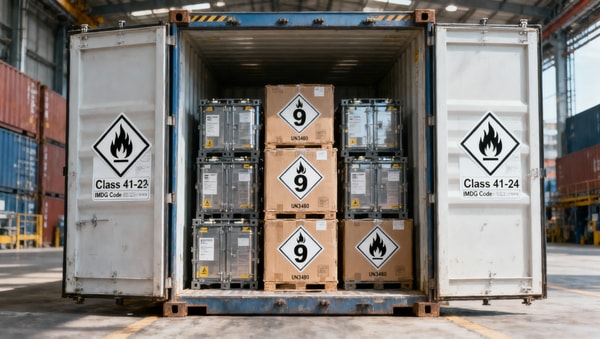
 IMDG Code 41-24 Enforced: UN3480 Lithium Battery Labeling Now MandatoryIMDG Code 41-24 is now mandatory: UN3480 lithium battery labeling, documentation & packaging rules are enforced globally as of 28 April 2026 — avoid port rejections!
 State Grid’s $680M Embodied AI Procurement Signals Export OpportunityEmbodied AI, IEC 61850 & IEC 62443: State Grid’s $680M procurement unlocks export opportunities for compliant industrial robots and smart vision systems in emerging markets.
 IMDG Code 41-24 Enforces UN3480 Class 9 Labeling for Lithium Battery Sea FreightIMDG Code 41-24 mandates UN3480 lithium battery sea freight to display durable Class 9 labels from April 27, 2026—avoid delays & port rejections.
 ESS Key Component Prices Drop ~80%: Quality & Compliance RiseESS key component prices dropped ~80%—but quality & compliance demands surged. Discover how UL 9540A, AS/NZS 5139, and certified BMS/inverters now define market access.
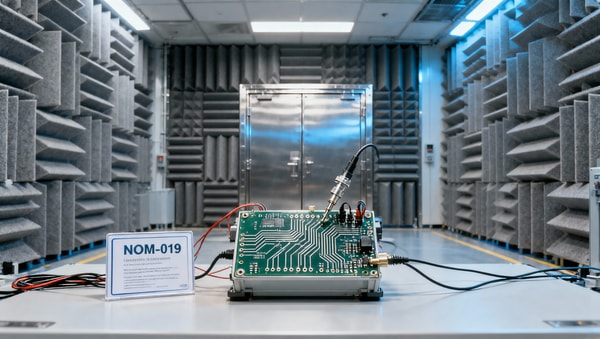
 Mexico NOM-019-SCFI-2026 Effective July 2026: EMC Certification Mandatory for Auto ElectronicsMexico NOM-019-SCFI-2026 mandates EMC certification for auto electronics from July 2026 — ensure compliance now to avoid supply chain disruption & customs delays.
 Red Sea Rerouting Normalized, ECA Surcharge Hits $1,850/TEURed Sea rerouting normalized: ECA surcharge hits $1,850/TEU — 47% of total freight cost. Impacting hand tools, building materials & furniture exporters to Europe. Act now.
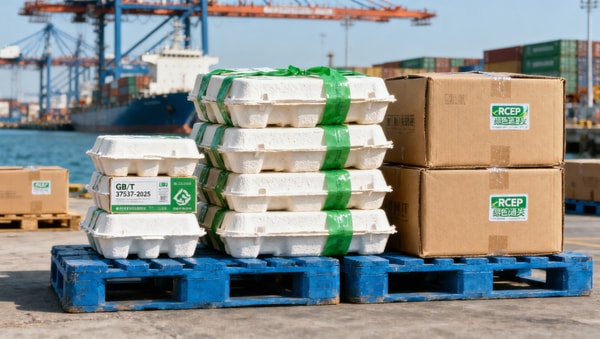
 RCEP Green Packaging Mutual Recognition Takes EffectRCEP Green Packaging Mutual Recognition is live—GB/T 37537-2025–certified packaging now enjoys fast-track clearance in Australia, NZ, Japan & Korea. Save time, cut costs, and boost export efficiency.
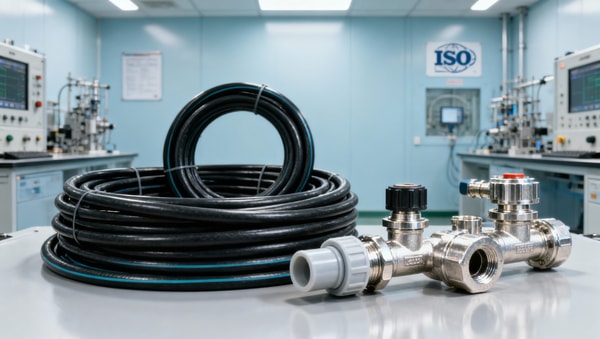
 Vietnam Suspends SASO Mutual Recognition for Chinese Irrigation EquipmentVietnam suspends SASO mutual recognition for Chinese irrigation equipment—drip tapes, PE fittings, auto valves now require VINAQ-IR certification. Act now to avoid delays & customs hold.
 Pool equipment maintenance warning signs before a breakdownPool equipment maintenance warning signs before a breakdown: spot early pump, filter, and control issues, improve pool equipment installation decisions, and reduce downtime with smarter sourcing insights.
 Patios and decks materials that age badly in humid climatesPatios and decks materials that age badly in humid climates: learn which patios and decks materials fail fast, how patios and decks construction choices affect durability, and how to source smarter.
 Textile home fabrics buyers now ask more about wash durabilityTextile home fabrics buyers now prioritize wash durability, consistency, and long-term value. Explore sourcing insights, production line optimization, and smarter textile home accessories decisions.
 What recurring waste says about production line efficiencyProduction line efficiency starts with recurring waste. Discover how production line optimization and production line automation reveal supplier risk, cut hidden costs, and improve sourcing decisions across textiles, jewelry, and agrochemicals.
 Agrochemicals export rules causing delays in new marketsAgrochemicals export delays explained with agrochemicals industry analysis and agrochemicals market trends—learn compliance risks, supplier selection tips, and smarter market entry strategies.
 Fashion tech applications brands are testing in physical storesFashion tech applications and fashion tech startups are transforming physical stores with smarter fitting, data-led production line optimization, and scalable retail innovation—explore key trends now.












Popular Tags
Global Trade Insights & Industry
Our mission is to empower global exporters and importers with data-driven insights that foster strategic growth.
Search News
Popular Tags
Industry Overview
The global commercial kitchen equipment market is projected to reach $112 billion by 2027. Driven by urbanization, the rise of e-commerce food delivery, and strict hygiene regulations.