

Patios and decks materials that age badly in humid climates
In humid regions, choosing the wrong patios and decks materials can lead to warping, rot, mold, and costly repairs far sooner than expected. For buyers, distributors, and market researchers tracking patios and decks construction, understanding which materials age badly is essential for smarter sourcing, better project evaluation, and long-term performance in moisture-heavy environments.
For B2B decision-makers, the issue is not only technical durability. Material failure affects warranty claims, project timelines, channel reputation, and long-term customer retention. In coastal, tropical, and high-rainfall markets, a deck board or patio finish that performs acceptably in a dry region may degrade in as little as 12 to 24 months when exposed to persistent moisture, limited drying cycles, and airborne salt.
This creates a practical sourcing challenge for importers, distributors, and commercial evaluators: which materials tend to age badly in humid climates, why they fail, and what procurement filters should be used before committing to volume orders. The answer requires looking beyond upfront price and into substrate stability, moisture absorption, coating performance, maintenance demand, and expected replacement cycles.
The analysis below focuses on common patios and decks materials that often underperform in wet environments, the warning signs that matter during commercial evaluation, and the sourcing strategies that can reduce risk across supply chains serving hospitality, residential development, and outdoor retail channels.
Why Humidity Accelerates Aging in Outdoor Deck and Patio Materials
Humidity does not damage outdoor materials in a single way. It acts through multiple mechanisms at the same time: moisture absorption, fungal growth, corrosion, swelling, finish breakdown, and slower drying after rain. In climates with relative humidity regularly above 70%, even short daily wet-dry cycles can create cumulative stress that is not visible during a standard showroom inspection.
For wooden decks, the main concern is dimensional movement. Boards absorb moisture, expand, then shrink unevenly as temperatures change. Over 6 to 18 months, this can lead to cupping, end splitting, fastener loosening, and surface checking. In shaded patios where sunlight is limited, moisture remains trapped for longer periods, increasing the chance of mildew and decay.
For coated systems such as painted concrete, low-grade sealers, or laminated panels, humidity weakens adhesion. Water vapor can move through pores and microcracks, causing blistering, peeling, or discoloration. In commercial terms, this means more complaints, more site revisits, and a shorter repaint or reseal cycle, sometimes dropping from 5 years to just 2 or 3 years.
Metal components are also affected. Fasteners, brackets, and subframe connectors may corrode faster in coastal humidity, especially when combined with salt exposure. A deck board that appears acceptable on paper can still fail as a system if its screws, clips, or hidden connectors are not specified for wet-service conditions.
Key moisture-related failure mechanisms
- Moisture absorption above stable levels, often causing swelling, warping, and joint movement.
- Biological growth such as mold, mildew, algae, and fungal rot in surfaces that remain damp for more than 24 to 48 hours.
- Coating breakdown due to repeated wetting, UV exposure, and insufficient vapor release.
- Corrosion of metal hardware, especially where dissimilar metals are paired or protective grades are too low.
Why this matters in procurement
From a sourcing perspective, humid-climate performance affects total landed cost more than unit price alone. If a lower-cost material requires replacement after 3 years instead of 8 to 12 years, the downstream cost multiplies through labor, freight, claims processing, and reputational impact on distribution partners.
Patio and Deck Materials That Commonly Age Badly in Humid Climates
Not every outdoor material performs poorly in wet regions, but several categories repeatedly create problems when selected without climate-specific screening. These materials are not universally unusable; rather, they tend to age badly when product grade, treatment level, or installation detailing is insufficient for high-humidity use.
The first high-risk category is untreated or low-grade softwood. Pine and similar species may be economical and easy to machine, yet in humid zones they are vulnerable to rot, insect attack, and visible distortion. Unless pressure treatment is appropriate and post-treatment drying is controlled, boards may twist or crack within the first wet season.
The second category is low-density hardwood or poorly kiln-dried hardwood. Buyers often assume “hardwood” automatically means tropical durability, but density, moisture content, and grading vary widely. If the material is shipped with unstable moisture levels or inconsistent milling tolerances, movement after installation becomes more likely, especially in covered but poorly ventilated patios.
A third category is first-generation composite decking with high wood-flour content and weak capping. In very humid conditions, lower-end composites can stain, support surface mold, and experience edge swelling. Performance typically depends on formulation quality, cap integrity, and whether water can drain freely beneath the system.
Material risk comparison in humid markets
The table below summarizes common materials that often underperform in moisture-heavy environments and the practical issues that sourcing teams should monitor before approving them for distribution or project use.
The key takeaway is that failure rarely comes from one factor alone. Weak raw material selection, high moisture content at shipment, poor surface protection, and improper hardware specification often combine into a full-system problem. This is why patio and deck materials should be evaluated as assemblies rather than isolated boards or pavers.
Other materials that deserve caution
Low-fired clay pavers can absorb water and support moss growth in shaded zones. Budget plywood-based outdoor panels may delaminate quickly when edges are exposed. Even some natural stone installations perform badly when the substrate, grout, or drainage layer is not designed for moisture movement. In humid regions, installation compatibility is nearly as important as the visible top layer.
How Buyers and Distributors Should Evaluate Material Risk Before Sourcing
For importers and channel partners, climate suitability should be checked before price negotiation reaches the final stage. A practical evaluation process can be completed in 4 steps: review material composition, verify moisture and finish stability, inspect hardware compatibility, and estimate maintenance burden over a 5- to 10-year period. This process helps prevent short-term purchasing decisions from creating long-term inventory or claims issues.
Start with material composition and processing data. For wood, request species details, treatment method, and target moisture content at dispatch. A common commercial range for stable decking stock is around 12% to 18% moisture content at shipment, depending on species and destination climate. If figures are unavailable, sourcing risk increases because post-installation movement becomes harder to predict.
For composite materials, ask about cap structure, core formulation, and stain or mold resistance claims. A capped board generally performs better than an uncapped board in humid conditions, but the cap must be consistent across board surfaces and edges. Buyers should also confirm whether the warranty excludes mildew, standing water, or installation conditions common in tropical projects.
Hardware should never be treated as a secondary item. Stainless steel or equivalent corrosion-resistant fasteners are often necessary in coastal or high-humidity regions. If the deck system uses hidden clips, channel tolerances and drainage spacing must be checked carefully. A good board can still fail commercially if moisture is trapped under tight spacing or if clips corrode within 24 to 36 months.
Procurement checklist for humid-climate decking and patio products
The following checklist can support supplier qualification, sample review, and distributor onboarding decisions for outdoor products intended for wet-service markets.
This framework is especially useful for business evaluators comparing offers from multiple suppliers. Two products with a similar FOB price may have very different claim rates once installed in wet environments. The better choice is usually the one with clearer technical disclosure, lower maintenance demand, and better system compatibility rather than the lowest initial quote.
Four common sourcing mistakes
- Selecting based on showroom appearance without asking how the material performs after 500 to 1,000 wet-dry cycles.
- Assuming pressure-treated wood and all hardwood products behave similarly in tropical or coastal markets.
- Ignoring fasteners, clips, understructure drainage, and ventilation clearance during procurement review.
- Using maintenance requirements from dry inland markets as a guide for high-humidity regions.
Better Alternatives and Specification Strategies for Moisture-Heavy Regions
When buyers understand which patio and deck materials age badly, the next step is to define better alternatives. In humid climates, the objective is not to find a universally perfect material. It is to match the project’s exposure level, maintenance capacity, and target lifespan with a realistic specification that minimizes moisture-related deterioration over 5, 10, or even 15 years.
High-performance capped composites are often preferred for residential distribution and hospitality renovations because they reduce surface maintenance and resist many common staining issues. However, they still require proper substructure ventilation and gap spacing. For buyers, the more relevant metric is not “composite vs wood” in abstract terms, but whether the selected product tolerates trapped humidity, cleaning chemicals, and localized standing water.
In wood categories, naturally durable species or properly treated premium-grade timber may still work well if moisture control and installation details are respected. The specification should define treatment level, board profile, end sealing, and hardware grade. For patios using pavers or stone, drainage design, slip resistance, and joint performance matter as much as the visible finish.
Commercially, better materials also support better market positioning. Distributors serving architects, builders, and developers benefit from a product mix that includes at least 3 performance tiers: value, mid-range, and premium. This allows them to protect margins without forcing all customers into one cost bracket.
Specification priorities by use case
Different end-use environments need different decision criteria. The table below helps procurement teams align material selection with project exposure and maintenance realities.
Across these use cases, the shared pattern is clear: performance in humid climates depends on system design and specification discipline. Materials that age badly usually enter the project through oversimplified buying decisions, unclear technical documentation, or a mismatch between climate exposure and product grade.
Practical specification tips
- Set a target service-life band, such as 5 to 8 years for value projects or 10 to 15 years for premium installations.
- Require corrosion-resistant hardware as a system component, not an optional upgrade.
- Confirm cleaning frequency and reseal intervals before product listing or commercial rollout.
- Use sample testing in simulated humid storage or outdoor exposure whenever product history is limited.
FAQ for Market Researchers, Buyers, and Channel Partners
How can buyers tell if a deck material is likely to warp in humid climates?
Start by reviewing material density, moisture content at shipment, and drying method. For wood, unstable stock often shows inconsistent grain, uneven end checking, or poor straightness before installation. Ask suppliers for the moisture range, storage method, and whether the product is intended for outdoor service in markets with humidity above 70% for long periods.
Is composite decking always safer than wood in wet regions?
Not always. Better-grade capped composites generally reduce maintenance and resist many moisture-related issues, but lower-end products can still swell, stain, or support mold at the surface. The difference often appears after 12 to 36 months, especially where drainage is poor. Buyers should compare cap quality, warranty exclusions, and real maintenance needs rather than relying on category labels alone.
What maintenance assumptions should distributors build into humid-market forecasts?
In moisture-heavy regions, cleaning may be needed every 3 to 6 months in shaded installations and more frequently near pools or dense vegetation. Wood products may require resealing every 12 to 24 months depending on exposure, while better composite systems may focus more on surface cleaning than refinishing. These intervals should be factored into dealer education and after-sales communication.
Which documentation matters most during supplier evaluation?
The most useful documents are those that clarify composition, treatment, hardware compatibility, installation spacing, and maintenance instructions. Commercial buyers should also request warranty details in writing, especially exclusions related to standing water, mildew, coastal exposure, or incorrect subframe ventilation. Clear documentation lowers interpretation risk across import, distribution, and project delivery stages.
Can a low-cost material still work in a humid climate?
Yes, but only if expectations are aligned with service life and maintenance burden. A budget material may be commercially viable for short-cycle projects, low-traffic areas, or markets where annual maintenance is accepted. It becomes risky when sold as a low-maintenance solution for coastal homes, hospitality properties, or premium developments that expect 8 to 15 years of stable appearance and performance.
Patios and decks materials that age badly in humid climates create more than a technical defect; they generate avoidable cost, warranty pressure, and channel friction across the supply chain. The most common failures come from untreated or unstable wood, low-grade composites, weak coatings, and hardware choices that are not matched to wet-service conditions.
For information researchers, procurement teams, distributors, and business evaluators, the best approach is to screen materials by moisture stability, finish performance, drainage compatibility, maintenance demand, and expected lifecycle value. Better sourcing decisions begin with better technical questions.
If your business is evaluating outdoor building materials for humid markets, TradeVantage can help you track supplier trends, compare material positioning, and identify sourcing risks with stronger market context. Contact us to get tailored insights, discuss product evaluation criteria, or explore more solutions for durable patio and deck material selection.
Recommended News
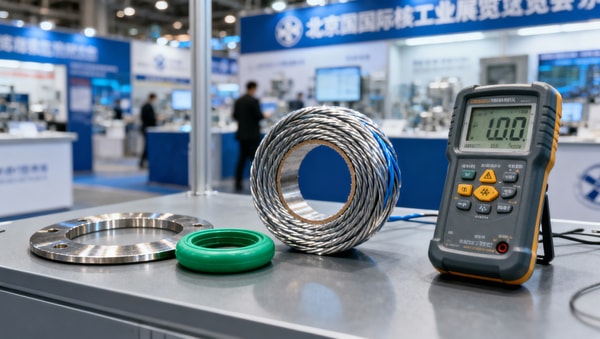
 China-France Nuclear Cooperation Advances at Beijing ExpoChina-France nuclear cooperation advances: mutual recognition for nuclear-grade seals, cables & radiation monitors boosts export readiness for suppliers targeting EU and BRI projects.
 Vietnam’s 4 Provinces Seek AI Tourism Tech in NanningAI tourism tech in demand: Vietnam’s 4 provinces seek AI-guided terminals, multilingual interpretation, AI-CCTV & smart ticketing in Nanning—key opportunity for B2G exporters.
 Q1 2026 China Power Market Trading Up 25.6%: Smart Meters, Storage Export Demand RisesSmart meters, energy storage exports surge as China’s Q1 2026 power market trading jumps 25.6% — key signal for global manufacturers & channel partners.
 China First Country with 5M+ Active Invention PatentsChina first country with 5M+ active invention patents—key for buyers in AI, solar, lithium battery & energy storage. Discover IP implications for sourcing, compliance & supplier vetting.
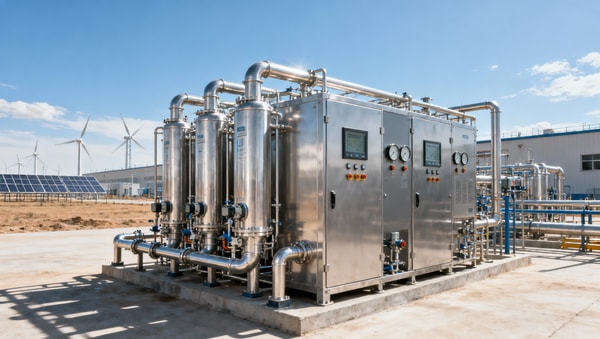
 Shenneng Etorkeqi Green Ammonia Project: Deionized Water Station OperationalShenneng Etorkeqi Green Ammonia Project’s deionized water station is now operational—ISO 8502-3 compliant, fully integrated, and a key milestone for global green hydrogen developers and exporters.
 China Launches 'Model-Data Resonance' Initiative for AI+Manufacturing InteroperabilityModel-Data Resonance initiative boosts AI+manufacturing interoperability—learn how GB/T XXXX–2026 aligns with VDI 2182 & ISA-95 for smoother global factory deployments.
 China’s First Embodied AI Robot Insurance Launched in GuangxiChina’s first embodied AI robot insurance launched in Guangxi—key for robotics exporters, AI hardware makers & global compliance teams. CE-recognized, EU/UK/AU-ready.
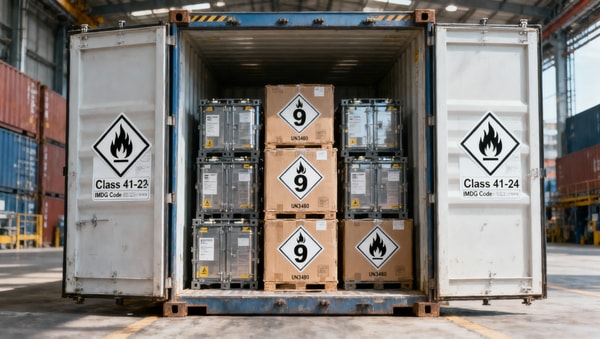
 IMDG Code 41-24 Enforced: UN3480 Lithium Battery Labeling Now MandatoryIMDG Code 41-24 is now mandatory: UN3480 lithium battery labeling, documentation & packaging rules are enforced globally as of 28 April 2026 — avoid port rejections!
 State Grid’s $680M Embodied AI Procurement Signals Export OpportunityEmbodied AI, IEC 61850 & IEC 62443: State Grid’s $680M procurement unlocks export opportunities for compliant industrial robots and smart vision systems in emerging markets.
 IMDG Code 41-24 Enforces UN3480 Class 9 Labeling for Lithium Battery Sea FreightIMDG Code 41-24 mandates UN3480 lithium battery sea freight to display durable Class 9 labels from April 27, 2026—avoid delays & port rejections.
 ESS Key Component Prices Drop ~80%: Quality & Compliance RiseESS key component prices dropped ~80%—but quality & compliance demands surged. Discover how UL 9540A, AS/NZS 5139, and certified BMS/inverters now define market access.
 Mexico NOM-019-SCFI-2026 Effective July 2026: EMC Certification Mandatory for Auto ElectronicsMexico NOM-019-SCFI-2026 mandates EMC certification for auto electronics from July 2026 — ensure compliance now to avoid supply chain disruption & customs delays.
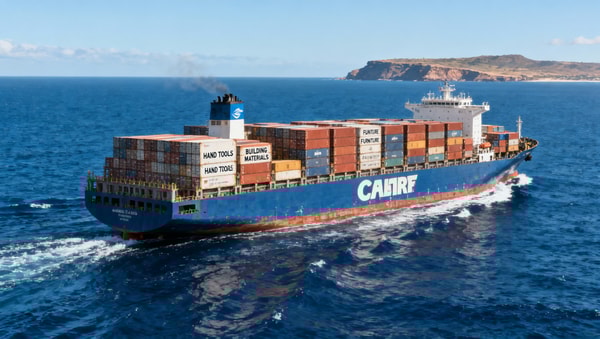
 Red Sea Rerouting Normalized, ECA Surcharge Hits $1,850/TEURed Sea rerouting normalized: ECA surcharge hits $1,850/TEU — 47% of total freight cost. Impacting hand tools, building materials & furniture exporters to Europe. Act now.
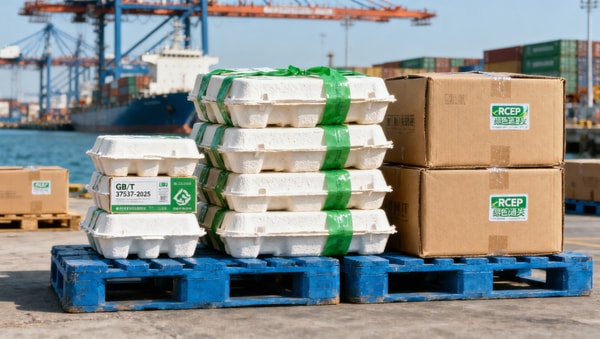
 RCEP Green Packaging Mutual Recognition Takes EffectRCEP Green Packaging Mutual Recognition is live—GB/T 37537-2025–certified packaging now enjoys fast-track clearance in Australia, NZ, Japan & Korea. Save time, cut costs, and boost export efficiency.
 Vietnam Suspends SASO Mutual Recognition for Chinese Irrigation EquipmentVietnam suspends SASO mutual recognition for Chinese irrigation equipment—drip tapes, PE fittings, auto valves now require VINAQ-IR certification. Act now to avoid delays & customs hold.
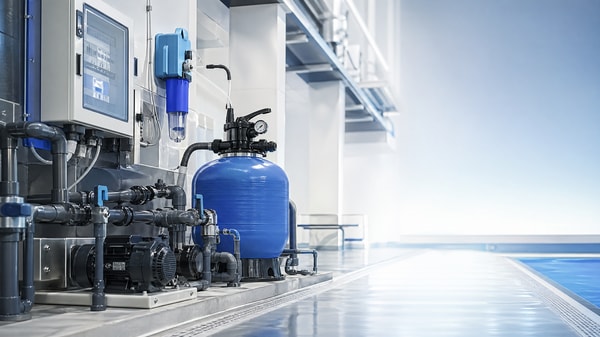
 Pool equipment maintenance warning signs before a breakdownPool equipment maintenance warning signs before a breakdown: spot early pump, filter, and control issues, improve pool equipment installation decisions, and reduce downtime with smarter sourcing insights.
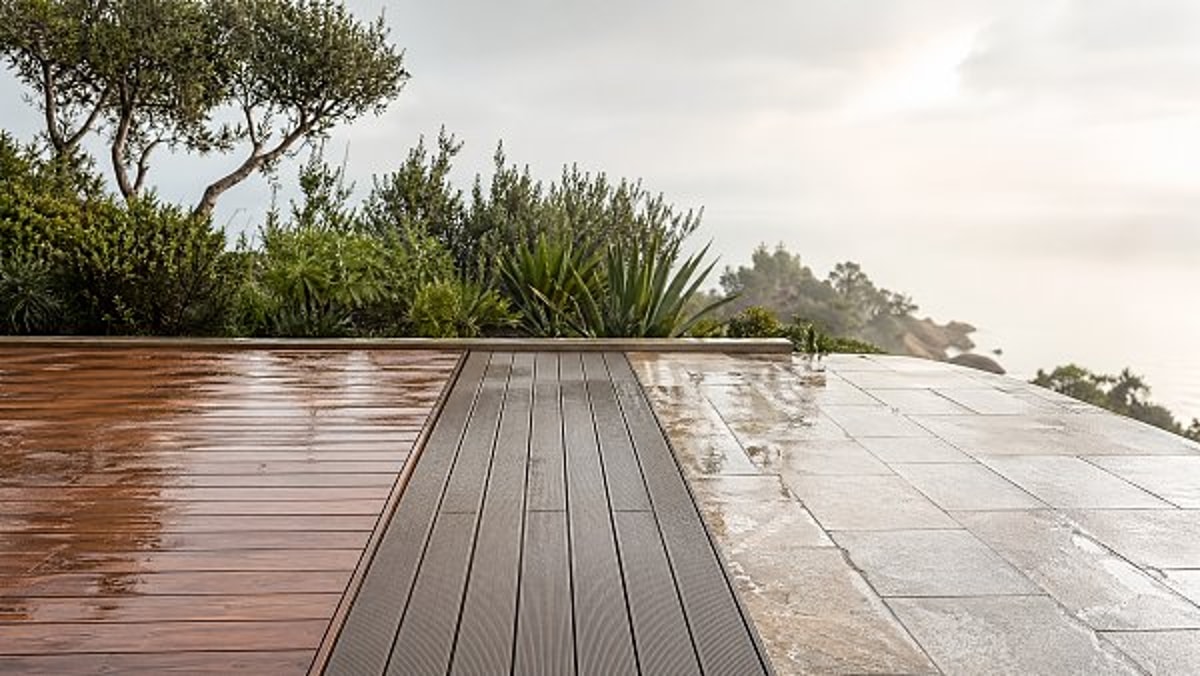
 Patios and decks materials that age badly in humid climatesPatios and decks materials that age badly in humid climates: learn which patios and decks materials fail fast, how patios and decks construction choices affect durability, and how to source smarter.
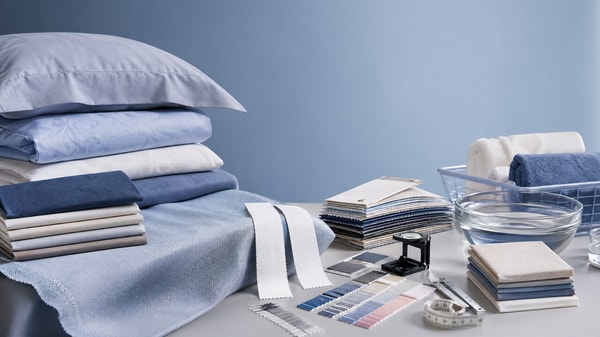
 Textile home fabrics buyers now ask more about wash durabilityTextile home fabrics buyers now prioritize wash durability, consistency, and long-term value. Explore sourcing insights, production line optimization, and smarter textile home accessories decisions.
 What recurring waste says about production line efficiencyProduction line efficiency starts with recurring waste. Discover how production line optimization and production line automation reveal supplier risk, cut hidden costs, and improve sourcing decisions across textiles, jewelry, and agrochemicals.
 Agrochemicals export rules causing delays in new marketsAgrochemicals export delays explained with agrochemicals industry analysis and agrochemicals market trends—learn compliance risks, supplier selection tips, and smarter market entry strategies.
 Fashion tech applications brands are testing in physical storesFashion tech applications and fashion tech startups are transforming physical stores with smarter fitting, data-led production line optimization, and scalable retail innovation—explore key trends now.












Popular Tags
Global Trade Insights & Industry
Our mission is to empower global exporters and importers with data-driven insights that foster strategic growth.
Search News
Popular Tags
Industry Overview
The global commercial kitchen equipment market is projected to reach $112 billion by 2027. Driven by urbanization, the rise of e-commerce food delivery, and strict hygiene regulations.