

Portable oxygen concentrators: what affects battery life most?
Portable oxygen concentrators give users freedom and mobility, but battery life often determines how practical that freedom really is. From flow setting and breathing mode to battery age, temperature, and charging habits, several factors can significantly affect daily performance. Understanding what impacts runtime most helps users and operators plan better, avoid interruptions, and get more reliable use from their device.
Understanding why battery life matters in portable oxygen concentrators
Portable oxygen concentrators are designed to separate oxygen from ambient air and deliver it in a form that supports people who need supplemental oxygen during travel, work, appointments, and routine daily activities. Unlike stationary systems, these devices depend heavily on battery performance when no wall outlet or vehicle power source is available. That is why battery life is not simply a technical specification. For many users, it directly affects independence, confidence, and safety.
In practical use, two people carrying the same model may experience very different runtimes. One user may get several hours of smooth operation, while another may need a battery swap much sooner. This difference is rarely caused by one factor alone. Instead, battery life in portable oxygen concentrators is shaped by a combination of device settings, breathing demands, environmental conditions, and long-term maintenance habits.
For users and operators, understanding these variables helps with trip planning, backup preparation, and better battery care. It also helps avoid common misunderstandings, such as assuming the advertised runtime will always match real-world use. In the broader healthcare and mobility landscape, reliable battery performance has become a key concern because users increasingly expect portable oxygen concentrators to support longer outings, air travel, and more active lifestyles.
What battery life really means in daily operation
Battery life usually refers to how long a fully charged battery can power the device before recharging or replacement is required. However, there are two dimensions to consider. The first is runtime per charge. The second is battery lifespan over months or years. A battery may still function, but if it has aged or been poorly maintained, its usable runtime can decline noticeably.
Manufacturers often state battery duration under controlled test conditions, such as a specific pulse setting, room temperature, and a new battery. Real-world operation is rarely that stable. Walking, talking, climbing stairs, cold weather, frequent on-off cycling, and higher oxygen demand can all reduce actual runtime. This is why users should treat product specifications as a reference point rather than a guaranteed daily result.
The main factors that affect battery life most
Among all variables, oxygen delivery setting is usually the biggest driver of power consumption. Higher settings require the unit to work harder and more often, which uses more energy. In many portable oxygen concentrators, moving from a low setting to a high one can reduce runtime significantly. This becomes especially important for users whose oxygen prescription changes with activity.
Breathing mode also plays a major role. Many portable oxygen concentrators use pulse dose delivery, which releases oxygen when inhalation is detected. Others may offer continuous flow, which generally consumes more power because oxygen is delivered without interruption. If a device is operating in continuous mode, battery drain tends to be much faster than in pulse mode at a moderate setting.
User breathing pattern can influence performance as well. Faster breathing during movement, stress, or exercise may cause the unit to trigger more frequently. Even when the setting remains unchanged, the battery may deplete faster because the device is working harder to respond to repeated inhalation events.
Battery condition is another major factor. Over time, rechargeable batteries naturally lose capacity. A battery that once lasted five hours may later deliver only three or four under the same operating conditions. This decline is normal, but it can become worse if the battery is repeatedly exposed to heat, stored empty for long periods, or charged with improper accessories.
Temperature should never be overlooked. Cold environments can reduce available battery output, sometimes noticeably. High temperatures can also harm battery health, especially if exposure is frequent. Leaving a unit in a hot car, charging near a heater, or using it outdoors in freezing conditions may all affect runtime or long-term battery durability.
Device design and maintenance matter too. Dirty intake filters, blocked vents, or poor airflow can force the concentrator to work less efficiently. While this may not always cause immediate battery failure, it can contribute to shorter operating time. Routine cleaning and following the maintenance guidance provided for portable oxygen concentrators can support more stable performance.
Industry attention: why runtime has become a key issue
Across healthcare mobility products, battery performance is now one of the most discussed usability indicators. Users are no longer evaluating portable oxygen concentrators only by size or noise level. They increasingly compare how long the device can support real movement outside the home. This shift reflects broader trends in aging populations, outpatient care, travel recovery, and the desire for more normal day-to-day routines.
For information platforms serving global trade and industrial decision-making, runtime is also a meaningful product characteristic because it affects user satisfaction, support requirements, and after-sales expectations. A compact unit may look attractive in specifications, but if battery life is too limited for typical use cases, the product experience may fall short. In that sense, portable oxygen concentrators sit at the intersection of medical need, energy efficiency, product engineering, and consumer practicality.
A practical overview of the biggest battery-life influences
The table below summarizes the most common factors affecting runtime in portable oxygen concentrators and what users should pay attention to during operation.
Which users feel battery differences most strongly
Not every user experiences battery limitations in the same way. Some rely on portable oxygen concentrators mainly for short local trips, while others depend on them for all-day mobility. The importance of battery life becomes more pronounced when the user has few charging opportunities or fluctuating oxygen needs.
How charging habits influence long-term battery performance
Daily charging behavior can shape how well a battery ages. Using the manufacturer-approved charger is essential, because charging voltage and control logic must match the battery system. Repeated use of incompatible accessories may reduce charging efficiency or damage the pack over time.
It is also helpful to avoid storing a depleted battery for extended periods. Lithium-based batteries generally perform better when stored with some charge remaining, in a cool and dry environment. Frequent exposure to excessive heat is particularly harmful. If portable oxygen concentrators are left in direct sunlight, near windows, or in parked vehicles, battery capacity can decline faster than expected.
Another useful habit is to observe charging time and runtime trends. If a battery takes unusually long to charge, drains suddenly, or shows inconsistent indicator behavior, that may suggest wear or a technical issue. Early replacement planning is better than waiting for complete failure during an important outing.
Operational practices that help extend runtime
While users should never change medical settings without professional guidance, there are still practical ways to make portable oxygen concentrators more dependable between charges. The first is preparation. Starting the day with a fully charged battery and carrying a spare, when possible, reduces the chance of interruption.
The second is route and activity planning. If a long trip includes access to AC or DC power, users can schedule charging opportunities rather than relying only on battery power. Short rests in climate-controlled environments may also help maintain more stable battery behavior in extreme weather.
The third is proper device care. Keeping air inlets clean, checking filters, and protecting the concentrator from impact or moisture all support efficient operation. Even small maintenance actions can matter because poor airflow or internal stress may increase energy demand.
- Charge batteries before they become critically low whenever routine allows.
- Store spare batteries in recommended temperature conditions.
- Avoid blocking vents with bags, clothing, or tight carrying covers.
- Review the device manual for battery calibration or care instructions.
- Replace aging batteries before important travel or extended outdoor use.
Common misconceptions about portable oxygen concentrator battery life
One common misconception is that a larger battery always solves every runtime problem. In reality, user breathing pattern, prescribed setting, and operating mode can still shorten runtime considerably. Another misconception is that if the device powers on, the battery is healthy. A battery may start the unit normally yet still have significantly reduced endurance.
Some users also assume indoor and outdoor performance will be the same. Temperature and activity level often prove otherwise. Finally, many people focus only on charging and forget maintenance. Portable oxygen concentrators are electro-mechanical devices, and battery life can be influenced by overall operating efficiency, not only by the battery pack itself.
FAQ
What affects battery life the most in portable oxygen concentrators?
In most cases, the oxygen flow setting and whether the device runs in pulse or continuous mode have the biggest effect. Higher demand usually means shorter runtime.
Does cold weather reduce runtime?
Yes. Cold conditions can temporarily reduce battery output, so portable oxygen concentrators may run for less time than expected outdoors in winter or at high altitude.
How do I know when a battery is aging?
Shorter runtime, slower charging, sudden drops in charge level, or inconsistent battery indicators are common warning signs. Tracking performance over time is helpful.
Can cleaning the device really help battery performance?
It can help indirectly. Good airflow and proper maintenance support efficient operation, which may improve the consistency of battery use in portable oxygen concentrators.
Final takeaways for users and operators
Battery life in portable oxygen concentrators is shaped by a clear set of practical factors: oxygen setting, delivery mode, breathing rate, battery age, temperature, and maintenance condition. Among these, flow demand and operating mode usually have the strongest immediate impact, while charging habits and environmental exposure shape long-term battery health.
For users, the most effective approach is not to rely on rated runtime alone. Instead, plan around real conditions, observe patterns in daily use, and keep backup power available whenever possible. For caregivers, operators, and businesses that support oxygen users, better understanding of battery behavior leads to safer scheduling, more realistic performance expectations, and a better overall experience with portable oxygen concentrators. If runtime is central to your routine, reviewing your device settings, maintenance practices, and battery age is the best next step.
Recommended News
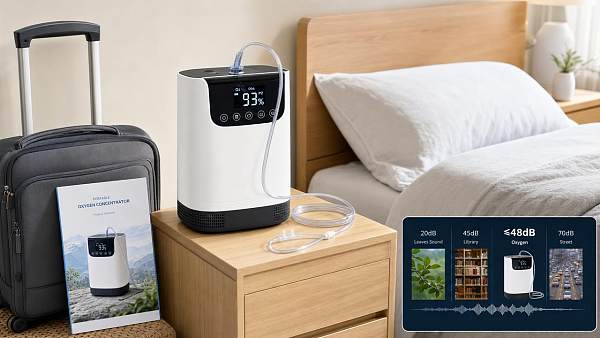
 Portable oxygen concentrators vary more in noise than spec sheets suggestPortable oxygen concentrators may share similar specs, yet real-world noise can vary widely. Learn what decibel ratings miss and choose a quieter, more comfortable model with confidence.
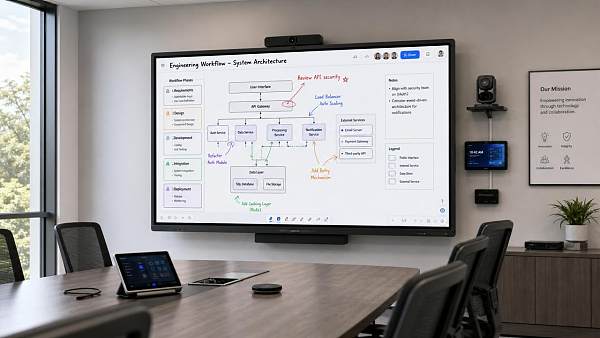
 Interactive whiteboards are easier to buy than to integrate wellInteractive whiteboards are easy to buy, but hard to integrate. Discover how to align workflows, IT, training, and ROI for smarter deployment.
![]() Medical diagnostic equipment upgrades should start with workflow bottlenecksMedical diagnostic equipment upgrades should start with workflow bottlenecks. Discover how targeted investments improve throughput, integration, ROI, and diagnostic efficiency.
Medical diagnostic equipment upgrades should start with workflow bottlenecksMedical diagnostic equipment upgrades should start with workflow bottlenecks. Discover how targeted investments improve throughput, integration, ROI, and diagnostic efficiency.![]() Eco-friendly building materials can raise budgets before they lower themEco-friendly building materials may raise upfront budgets, but they can cut long-term costs, improve compliance, and strengthen asset value. Learn when the premium truly pays off.
Eco-friendly building materials can raise budgets before they lower themEco-friendly building materials may raise upfront budgets, but they can cut long-term costs, improve compliance, and strengthen asset value. Learn when the premium truly pays off. Ergonomic workspace design fixes discomfort, but not every layout problemErgonomic workspace design improves comfort, focus, and buying decisions—but not every layout issue. Learn what upgrades work, what room limits remain, and how to choose smarter.
![]() Outdoor garden supplies demand shifts earlier than many sellers plan forOutdoor garden supplies demand is starting earlier than many sellers expect. Learn what drives the shift and how distributors, wholesalers, and agents can plan smarter to win more sales.
Outdoor garden supplies demand shifts earlier than many sellers plan forOutdoor garden supplies demand is starting earlier than many sellers expect. Learn what drives the shift and how distributors, wholesalers, and agents can plan smarter to win more sales. Sustainable home decor sells better when materials are easy to verifySustainable home decor sells better when material claims are easy to verify. Discover how traceable data, certifications, and clear sourcing build trust and boost B2B sales.
 Modern office furniture trends are changing around hybrid work needsModern office furniture trends are redefining hybrid workplaces with flexible layouts, ergonomic design, and smart tech integration. Discover what drives demand and smarter buying decisions.
 Smart street lighting projects often miss the maintenance sideSmart street lighting projects often overlook maintenance. Learn how diagnostics, spare parts, and scenario-based support improve reliability, reduce downtime, and protect long-term value.
 Solid-state battery breakthroughs are real, but mass rollout is still difficultSolid-state battery breakthroughs are real, but scaling remains difficult. Explore what’s driving progress, what blocks mass rollout, and where commercialization may happen first.
![]() Commercial LED lighting retrofits save money, but not at the same paceCommercial LED lighting can cut costs, but payback varies by warehouse, office, retail, and industrial scenario. Discover how to identify the fastest-return retrofit opportunities.
Commercial LED lighting retrofits save money, but not at the same paceCommercial LED lighting can cut costs, but payback varies by warehouse, office, retail, and industrial scenario. Discover how to identify the fastest-return retrofit opportunities. Lithium battery storage projects fail early when thermal planning is weakLithium battery storage projects fail early when thermal planning is weak. Learn the key checks to improve safety, uptime, compliance, and long-term project returns.
 Photovoltaic solar panels: when higher efficiency is not the better dealPhotovoltaic solar panels are not always best when efficiency is highest. Discover how lifecycle cost, payback, and site conditions can deliver smarter ROI and better sourcing decisions.
 Plant-based protein processing depends more on texture than many expectPlant-based protein processing relies heavily on texture to improve quality, control risk, and boost consistency. Learn how better texture management strengthens compliance and competitiveness.
 Foldable screen technology keeps improving, yet repair costs remain a problemFoldable screen technology is getting stronger and smarter, but repair costs still worry buyers. Discover who should buy, key ownership risks, and how to choose wisely.
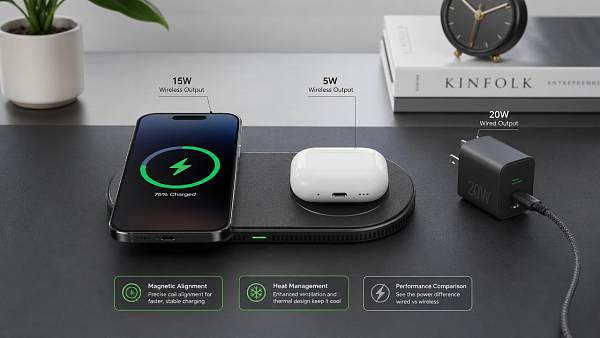
 Next-gen wireless charging sounds convenient, but how efficient is it?Next-gen wireless charging sounds effortless, but how efficient is it in real use? Explore heat, power loss, alignment, and the market factors shaping adoption.
![]() Wearable technology is improving fast, but comfort still decides adoptionWearable technology is evolving fast, but comfort still drives real adoption. Explore how design, fit, battery life, and daily usability shape the wearables consumers truly keep using.
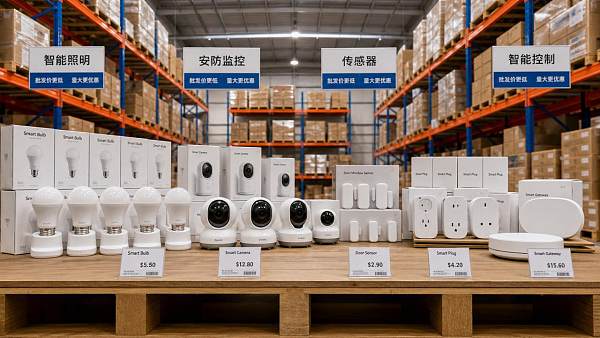
Wearable technology is improving fast, but comfort still decides adoptionWearable technology is evolving fast, but comfort still drives real adoption. Explore how design, fit, battery life, and daily usability shape the wearables consumers truly keep using. Smart home devices wholesale margins shrink faster than many expectSmart home devices wholesale margins are shrinking fast. Learn what causes profit erosion, which categories face price wars, and how distributors can protect growth and improve sourcing decisions.
 Agri-PV systems make sense only when land use goals are clearAgri-PV systems create business value only when land use goals are clearly defined. Discover how aligned energy, farming, and ESG priorities reduce risk and improve returns.
 Organic fertilizers vs synthetic inputs: where does the payoff change?Organic fertilizers vs synthetic inputs: discover where costs, compliance, soil health, and market premiums shift the payoff—and how to choose the smartest long-term strategy.
 Smart classroom solutions often underdeliver without teacher-side usabilitySmart classroom solutions often fail when teacher-side usability is ignored. Discover scenario-based insights to improve adoption, reduce friction, and maximize classroom ROI.













Popular Tags
Global Trade Insights & Industry
Our mission is to empower global exporters and importers with data-driven insights that foster strategic growth.
Search News
Popular Tags
Industry Overview
The global commercial kitchen equipment market is projected to reach $112 billion by 2027. Driven by urbanization, the rise of e-commerce food delivery, and strict hygiene regulations.