

Landscape Design Costs: What Changes the Budget Most
Landscape design costs are rarely driven by one line item alone. In most projects, the biggest budget shifts come from hardscape materials, site complexity, drainage or grading needs, labor intensity, and late-stage design changes. For buyers, sourcing teams, distributors, and business evaluators, that means the real question is not simply “How much does landscape design cost?” but “Which factors push costs up fastest, and how can they be controlled without reducing long-term value?”
This matters even more when comparing landscape projects with adjacent procurement categories such as irrigation systems, outdoor furniture, fabricated metal structures, surface materials, lighting, or specialized finishing products. A landscaping budget often reflects a mix of construction, design, logistics, and maintenance decisions. Understanding the major cost drivers helps decision-makers evaluate suppliers more accurately, compare bids on an equal basis, and avoid underestimating total project value.
What changes the landscape design budget most?
The largest budget swings usually come from five areas:
- Hardscape scope and material selection such as stone paving, retaining walls, decking, pathways, edging, and decorative structures
- Site preparation complexity including grading, excavation, drainage correction, soil replacement, and access limitations
- Labor requirements driven by installation difficulty, customization, local wage levels, and project timeline pressure
- Planting strategy based on specimen size, plant variety, climate suitability, and survival risk
- Design revisions and scope expansion which often create hidden cost growth after the initial estimate
Among these, hardscape and site conditions typically have the strongest impact on budget. Planting can raise costs substantially, but structural work, drainage corrections, and custom-built outdoor features often produce the largest jumps because they combine material, labor, and engineering requirements.
Why hardscape materials usually create the biggest cost difference
In many commercial and high-spec residential projects, hardscape accounts for a major share of total landscape design costs. This is because paved surfaces, walls, outdoor seating zones, pergolas, steps, fire features, water features, and built-in planters require both expensive materials and skilled installation.
Budget differences often widen based on:
- Material grade: natural stone, premium porcelain, treated hardwood, architectural concrete, and corrosion-resistant metals cost more than standard pavers or basic finishes
- Customization: custom cuts, patterns, welded components, branded features, or integrated lighting add fabrication and installation time
- Structural requirements: elevated decks, retaining systems, sub-base reinforcement, and load-bearing elements increase engineering and labor inputs
- Imported products: freight, tariffs, lead times, breakage risk, and packaging standards can affect landed cost significantly
For procurement-oriented readers, hardscape is also where supplier comparison becomes more complex. A lower quote may reflect thinner materials, weaker substrate preparation, lower-grade finishes, or excluded accessories. When evaluating bids, it is essential to compare specification depth rather than line-item totals alone.
How site conditions silently expand project costs
One of the most underestimated landscaping budget drivers is the actual condition of the site before installation begins. A simple-looking project can become far more expensive if the site has poor drainage, compacted soil, unstable slopes, limited equipment access, buried utility conflicts, or demolition needs.
Common site-related budget escalators include:
- Grading and leveling for uneven terrain
- Drainage correction to prevent waterlogging, erosion, or hardscape failure
- Soil improvement when native soil cannot support planting or turf performance
- Removal work for old paving, roots, debris, or obsolete infrastructure
- Restricted access requiring manual transport instead of machinery
For business evaluators, this is where early site assessment creates the highest return. Incomplete site surveys often produce unrealistic estimates, supplier disputes, timeline delays, and change orders that significantly alter the final budget.
Labor costs are not just about wages
Labor is another major variable, but it should not be viewed only as an hourly rate issue. In landscape design and installation, labor cost rises with complexity, sequencing, finishing standards, and coordination requirements across multiple trades.
Projects with the following characteristics generally have higher labor costs:
- Detailed stone or tile laying patterns
- Custom irrigation integration
- Lighting coordination and concealed cabling
- Precision planting layouts
- On-site fabrication or fitting adjustments
- Tight deadlines or phased construction schedules
Regional labor markets also matter. In some locations, contractor scarcity can increase installation pricing faster than material inflation. For distributors and sourcing teams, this means product strategy should account for installability. Materials that reduce cut time, improve modularity, or simplify alignment may help lower total delivered project cost even if unit pricing is higher.
Do plants and softscape significantly change the budget?
Yes, but the effect depends on design intent. Softscape is often perceived as the more flexible and less expensive part of a project, yet costs can increase quickly when buyers choose mature trees, rare species, dense planting schemes, or high-maintenance seasonal color programs.
The main planting-related cost factors include:
- Plant size at installation: mature trees and specimen shrubs cost far more than younger stock
- Species selection: specialty, imported, or low-availability plants carry premium pricing
- Climate fit: unsuitable species may increase replacement and maintenance costs
- Irrigation dependency: some planting concepts require more intensive watering systems
- Survival risk: transplant sensitivity and local adaptation affect lifecycle value
For commercial buyers and distributors, the smart decision is often not the cheapest plant palette but the one with the best long-term performance. A lower upfront planting budget can lead to higher replacement cycles, maintenance costs, and client dissatisfaction.
How irrigation, lighting, and specialty features affect total project value
Secondary systems often appear manageable at concept stage but become important cost drivers during execution. Irrigation, drainage networks, outdoor lighting, control systems, water features, and shade structures can shift a project from simple landscaping into a multidisciplinary installation package.
These systems affect cost through:
- Additional trenching and coordination work
- Electrical and plumbing integration
- Controls, sensors, and automation components
- Maintenance access requirements
- Compliance with local installation standards
This is particularly relevant for procurement professionals comparing categories across the built environment supply chain. In many cases, these “add-on” systems are what determine whether a project stays within budget or moves into a higher investment tier.
Why late design changes cause disproportionate budget growth
One of the fastest ways to increase landscape design costs is to make scope changes after layout, sourcing, and installation planning have begun. Even seemingly minor changes can trigger redesign, new quantities, wasted materials, revised labor sequencing, and procurement delays.
The most common costly changes include:
- Changing paving materials after base preparation
- Adding retaining elements after grading plans are finalized
- Revising planting density late in procurement
- Switching feature locations that require utility rerouting
- Introducing premium finishes after budget alignment
For business-focused readers, this is a governance issue as much as a design issue. Clear approvals, specification lock-in, and realistic contingency planning are essential if the goal is to maintain budget control.
How to evaluate quotes more accurately
When comparing landscape design or installation proposals, buyers should look beyond the headline price. The most useful comparisons come from a structured review of scope detail, exclusions, assumptions, and expected performance.
Key questions to ask include:
- Does the quote include site prep, drainage, and waste removal?
- Are materials listed with brand, grade, thickness, or finish detail?
- Is irrigation included, and at what specification level?
- Are plant sizes and substitution rules clearly defined?
- What warranty or defect correction terms apply?
- What is excluded that may later become a change order?
This approach helps purchasers and commercial reviewers identify whether a lower bid is truly efficient or simply incomplete.
Where smarter planning improves value most
If the goal is to control landscape design costs without undermining project quality, the best opportunities usually appear early. Budget optimization is most effective when teams simplify complexity before procurement and installation begin.
High-impact planning strategies include:
- Prioritize structural essentials first such as drainage, grading, and durable surfaces
- Standardize dimensions and modules to reduce waste and installation time
- Select climate-appropriate planting for lower lifecycle cost
- Use value engineering carefully by changing finish level rather than compromising hidden structural quality
- Confirm site data early to avoid later corrections
- Build a realistic contingency for site surprises and material fluctuations
For distributors and sourcing stakeholders, there is also a broader commercial takeaway: the most competitive offer is often the one that improves total project efficiency, not just ex-factory pricing. Products that shorten installation time, reduce replacement risk, or improve durability can create stronger long-term value for clients and channel partners.
Final takeaway
The biggest changes in landscape design costs usually come from hardscape choices, site conditions, labor complexity, integrated systems, and late-stage revisions. While planting and decorative elements matter, structural and execution-related factors tend to move the budget most dramatically. For information researchers, procurement teams, business evaluators, and distributors, the practical priority is to assess total project scope, installation complexity, and lifecycle value instead of focusing only on headline design cost.
A well-planned landscape budget is not just about spending less. It is about understanding where money creates lasting performance, where hidden risks sit, and which decisions will have the strongest impact on long-term value.
Recommended News
 Key Energy Storage Equipment Prices Drop ~80% in ChinaKey energy storage equipment prices in China dropped ~80% — PCS, BMS & liquid cooling units. Discover implications for compliance, margins & standards enforcement.
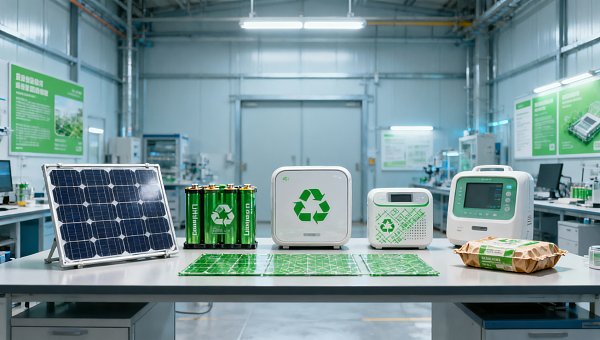
") China Releases Green Design Guidelines for Industrial Products (2026)China's 2026 Green Design Guidelines for industrial products—covering PV modules, lithium batteries & smart appliances—link eco-design to green factory certification and export tax rebates starting 2027.
China Releases Green Design Guidelines for Industrial Products (2026)China's 2026 Green Design Guidelines for industrial products—covering PV modules, lithium batteries & smart appliances—link eco-design to green factory certification and export tax rebates starting 2027. Mexico NOM-019-SCFI-2026 Effective: Automotive Electronics Require New EMC CertificationMexico NOM-019-SCFI-2026 is live: Automotive electronics (infotainment, ADAS, domain controllers) now require mandatory EMC certification by July 31, 2026 — act now to avoid customs delays.
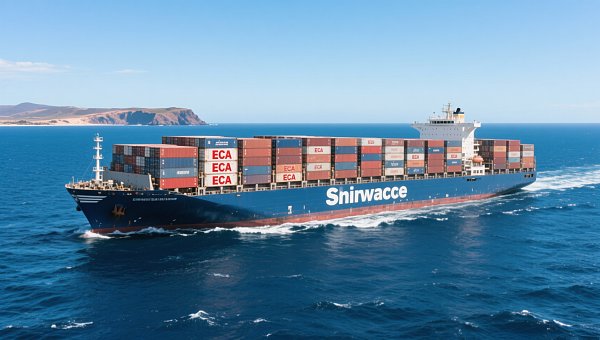
 Red Sea Detour Premium Rises to $1,850/TEU Amid Port Congestion ReliefRed Sea Detour Premium hits $1,850/TEU — now 43% of FE–NE freight rates. Discover why this structural surcharge demands urgent supply chain action.
 TÜV Rheinland Updates PLd Certification: EMC Immunity Now Mandatory for Servo DrivesTÜV Rheinland now mandates EN IEC 61000-6-2:2024 EMC immunity testing for PLd certification of servo drives—act before May 26, 2026 to avoid EU market delays.
 RCEP Green Packaging Mutual Recognition Effective Apr 26, 2026RCEP Green Packaging Mutual Recognition takes effect Apr 26, 2026—unlock faster customs clearance & cost savings for eco-friendly packaging exporters to AU, NZ, JP, KR.
 FDA Final Rule: AI Diagnostic Devices Must Submit Bias Impact ReportsFDA mandates AI diagnostic devices submit third-party-verified bias impact reports—key for 510(k)/De Novo submissions. Act now to ensure compliance & market access.
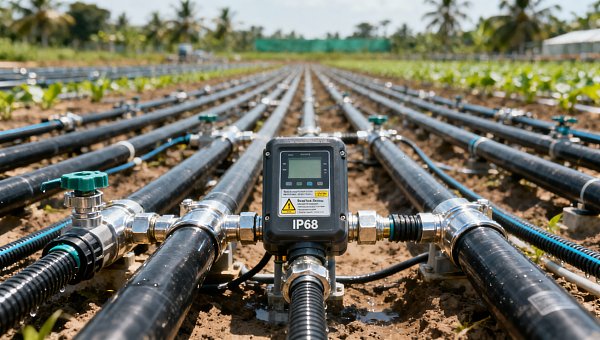
 Vietnam Suspends SASO Mutual Recognition for Chinese Irrigation EquipmentVietnam suspends SASO mutual recognition for Chinese irrigation equipment—urgent QCVN certification now required for drip tapes, sprinklers, valves & smart controllers.
 SABER Phase II Launch: Building Hardware Must Submit Digital Type Test Reports & PIDSABER Phase II now requires digital type test reports & PID for building hardware — fasteners, door/window, bathroom fixtures. Avoid port rejection: ensure PID-bound compliance before shipment.
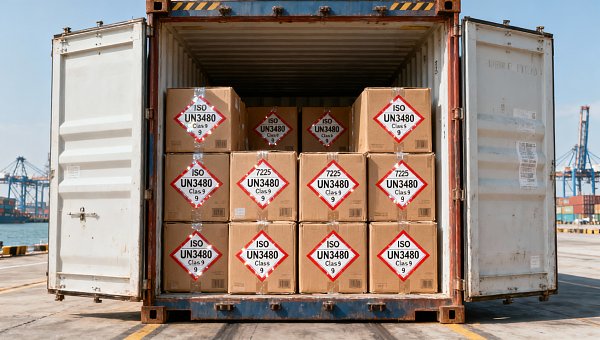
 IMDG Code 41-24 Enforced: UN3480 Lithium Batteries Require Class 9 LabelsUN3480 lithium batteries now require ISO 7225-compliant Class 9 labels under IMDG Code 41-24 — enforceable globally from 26 April 2026. Act now to avoid shipment delays!
 Are Auto Detailing Services Worth the Cost?Auto detailing services: discover if the cost is justified, how pricing varies, and how a business intelligence platform helps buyers compare value, quality, and long-term ROI.
 What Makes Sustainable Fashion Brands Worth Buying?Sustainable fashion brands deliver transparency, quality, and lower risk. See how a business intelligence platform helps buyers verify value, avoid greenwashing, and source smarter.
 How to Choose a Business Intelligence Platform in 2026?Business intelligence platform selection in 2026: compare data coverage, pricing insights, online trade platform signals, Cement price trends, and MRI scanners cost to choose smarter, faster.
 IMDG Code 41-24 Enforces UN3480 Class 9 Labeling for Lithium Battery Sea FreightIMDG Code 41-24 mandates UN3480 Class 9 labeling for lithium battery sea freight—avoid auto-rejection by DHL, Kuehne+Nagel & Sinotrans. Act now.
 ESS Key Equipment Prices Drop ~80%: Quality & Compliance RiseESS key equipment prices dropped ~80%—but quality & compliance are now critical. Discover how UL 9540A and IEC 62933-5-2 standards reshape global market access.
") China Releases Green Design Guide for Industrial Products (2026)China's new Green Design Guide (2026) offers 126 actionable solutions for solar, batteries & robotics—key for EU ESG compliance and export readiness.
China Releases Green Design Guide for Industrial Products (2026)China's new Green Design Guide (2026) offers 126 actionable solutions for solar, batteries & robotics—key for EU ESG compliance and export readiness. Vietnam Suspends SASO Mutual Recognition for Chinese Irrigation EquipmentVietnam suspends SASO mutual recognition for Chinese irrigation equipment—impacting spray controllers, fertigation systems & PE pipes. Act now to meet new local testing mandates.
 Mexico NOM-019-SCFI-2026 Effective: Automotive EMC Certification RequiredMexico NOM-019-SCFI-2026 is live: Automotive EMC certification now mandatory for all car electronics entering Mexico—avoid customs rejection. Act now!
 Red Sea Rerouting Now Normalized: Asia-Europe Freight Premium at $1,850/TEURed Sea rerouting is now normalized—Asia-Europe freight premium holds at $1,850/TEU. Critical for CNC, solar PV & EV accessory exporters. Read the strategic implications.
 SABER Phase II Launch: Building Hardware Must Submit Digital Type Test Reports & UPIDSABER Phase II is live: Building hardware exporters must now submit digital type test reports & UPID—avoid Jeddah port delays. Act now!
 FDA Final Rule: AI Diagnostic Devices Require Bias Assessment for US MarketFDA mandates bias assessment for AI diagnostic devices—key for portable ultrasound, dermatoscopes & fundus analyzers entering the US market. Act now to comply.
















Popular Tags
Global Trade Insights & Industry
Our mission is to empower global exporters and importers with data-driven insights that foster strategic growth.
Search News
Popular Tags
Industry Overview
The global commercial kitchen equipment market is projected to reach $112 billion by 2027. Driven by urbanization, the rise of e-commerce food delivery, and strict hygiene regulations.