

Outdoor furniture supplier samples can mislead final expectations
A polished sample from an outdoor furniture supplier can create expectations the final shipment fails to meet. For buyers comparing an outdoor furniture manufacturer, tracking procurement cost, and evaluating broader supply chain management solutions, this gap can lead to expensive mistakes. Understanding how samples are prepared, presented, and approved is essential for smarter sourcing decisions and more reliable commercial outcomes.
For information researchers, procurement teams, commercial evaluators, and distributors, the issue is rarely the sample alone. The real risk lies in the gap between a showroom-ready unit and mass production output delivered 30, 60, or 90 days later. In outdoor furniture sourcing, even small differences in coating thickness, weld consistency, foam density, fabric grade, or packaging method can affect claim rates, resale performance, and customer trust.
This matters across global trade because outdoor furniture often moves through multi-step supply chains involving raw material suppliers, assembly lines, subcontracted finishing, inland logistics, export packing, and destination warehousing. A sample may reflect ideal conditions, while the final shipment reflects volume pressure, labor variability, and material substitution. Buyers that fail to control this transition often face 5%–15% quality variance, delayed launches, or avoidable after-sales costs.
For B2B organizations using intelligence platforms such as GTIIN and TradeVantage to monitor sourcing trends, the practical takeaway is clear: sample approval should never be treated as the final decision point. It should be one checkpoint in a larger supplier verification process that includes technical specifications, production controls, inspection criteria, and shipment-level consistency review.
Why Supplier Samples Often Look Better Than the Final Shipment
In outdoor furniture procurement, samples are frequently built under different conditions than bulk orders. A supplier may assign its most experienced technician to make 1 or 2 display units, select premium-looking raw materials from limited stock, and invest extra time in polishing, weaving, sewing, and packing. That process can produce a strong first impression, but it does not always represent output from a line producing 300 to 3,000 units.
The mismatch is especially common in categories such as aluminum dining sets, PE rattan sofas, teak tables, sling chairs, and powder-coated steel frames. Each category depends on material consistency. A sample made with thicker tubes, tighter weave tension, or higher-density cushion fill may pass visual review, while volume production may use acceptable but lower-grade inputs if specifications are not locked in line by line.
Another reason is cost engineering during order confirmation. After a buyer accepts a sample, the supplier may revisit procurement cost and attempt to protect margin through substitutions. These changes may involve moving from 1.5mm aluminum to 1.2mm, reducing fabric weight from 280gsm to 220gsm, or switching stainless hardware grade. None of these differences may be obvious in photos, but they matter in durability, corrosion resistance, and warranty exposure.
There is also a presentation issue. Samples are often photographed in controlled lighting or displayed after touch-up. Final goods, however, are subject to carton compression, container humidity, handling abrasion, and batch-level color variation. A supplier can therefore appear reliable at sample stage while still lacking robust process discipline for repeated bulk delivery over 2 to 4 seasonal reorder cycles.
Common sample-to-shipment distortion points
- Material substitutions after sample approval, especially in tubing thickness, foam density, and fabric composition.
- Different labor skill levels between sample room staff and production line workers.
- Insufficient batch control in powder coating, weaving tension, wood moisture content, or stitching alignment.
- Packaging shortcuts that create damage rates during ocean transit of 20–45 days.
A practical comparison framework
The table below highlights how a sample can differ from mass production in ways that directly affect procurement outcomes, distributor margins, and customer satisfaction.
The key conclusion is not that samples are unreliable by definition. It is that samples are incomplete evidence. Buyers should treat them as visual and tactile references, then verify whether the same quality can be sustained at volume, under a specific lead time, and within the agreed price structure.
How Buyers Should Evaluate an Outdoor Furniture Manufacturer Beyond the Sample
A disciplined buyer review process should move from sample impression to manufacturing capability. That means checking not only appearance, but also plant organization, subcontracting exposure, raw material sourcing discipline, and defect response systems. A supplier that delivers a strong sample in 7 days may still struggle to deliver 1,200 sets in 45 days if production planning is weak or key processes are outsourced without control.
For commercial evaluators, one of the most useful questions is whether the supplier operates separate sample-room standards and bulk-line standards. If these are disconnected, consistency risk rises sharply. Buyers should ask for bill of materials confirmation, production process sheets, and tolerance definitions. For example, if chair wobble tolerance, fabric color deviation, or wicker spacing is not specified, disputes will be hard to resolve later.
It is also important to map the supplier’s true manufacturing role. Some companies market themselves as an outdoor furniture manufacturer but function more like a trading coordinator. This is not automatically negative, yet it changes risk management. When metal fabrication, weaving, and cushion sewing happen across 3 different workshops, lead times, QC ownership, and corrective action speed can become fragmented.
Distributors and importers should also evaluate repeatability. One successful order proves limited capability; two or three stable orders across peak season prove much more. If the supplier can maintain acceptable defect levels below 2%–3% over repeated shipments, that is usually a stronger indicator than a perfect display sample.
Five checks that matter before placing volume orders
- Confirm the exact bill of materials, including metal thickness, wood species, hardware grade, foam density, and fabric weight.
- Request photos or video of in-line production, not only showroom samples.
- Verify whether key processes such as welding, coating, weaving, or sewing are in-house or outsourced.
- Define acceptable quality limits for appearance, function, carton condition, and assembly completeness.
- Run at least one pilot order or pre-shipment inspection before scaling to full seasonal volume.
Supplier assessment matrix
The matrix below helps procurement teams compare an outdoor furniture manufacturer using operational indicators rather than presentation quality alone.
Recommended News
 China’s 10-Dept AI Export Ethics Review Rule Takes EffectChina’s new 10-dept AI export ethics rule mandates algorithmic bias review for AI hardware bound for the EU, US, Canada, Japan & SK—key for smart cameras, voice assistants & industrial vision exporters.
 Red Sea Detour Now Standard: $1,850 TEU Premium on Asia-Europe RoutesRed Sea detour premium now standard: $1,850/TEU surcharge embedded in Asia-Europe freight rates — vital intel for exporters, importers & logistics teams.
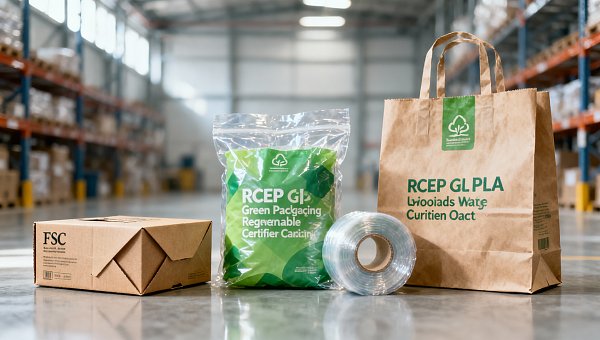
 RCEP Green Packaging Mutual Recognition Takes EffectRCEP Green Packaging Mutual Recognition takes effect Apr 22, 2026—streamline exports to AU, NZ, JP, KR with GB/T 37629–2019 certified molded fiber & PLA packaging.
 Mexico NOM-019-SCFI-2026 Effective: EMC Certification Required for Auto Electronics ExportsEMC certification is now mandatory for auto electronics exports to Mexico under NOM-019-SCFI-2026. Ensure compliance for rearview mirrors, radar sensors & T-Box units—avoid shipment delays and order cancellations.
") TÜV Rheinland Updates CE Requirements for Servo Drives (PLd + EMC Joint Validation)TÜV Rheinland now mandates joint PLd + EMC validation for servo drives under CE marking—learn how this impacts certification timelines, lab selection, and EU market access.
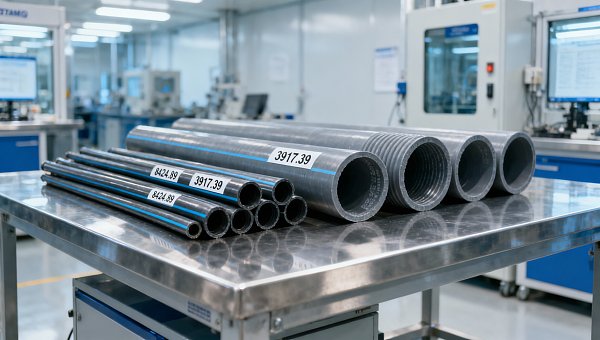
TÜV Rheinland Updates CE Requirements for Servo Drives (PLd + EMC Joint Validation)TÜV Rheinland now mandates joint PLd + EMC validation for servo drives under CE marking—learn how this impacts certification timelines, lab selection, and EU market access. Vietnam Suspends SASO Mutual Recognition for Chinese Irrigation EquipmentVietnam suspends SASO mutual recognition for Chinese irrigation equipment—urgent compliance updates for drip tapes & PE pipes (HS 8424.89/3917.39). Act now to avoid delays.
 FDA Finalizes AI Diagnostic Device Rules for ImportersFDA finalizes AI diagnostic device rules for importers: New bias assessment mandate impacts ultrasound, glucose analyzers & dermatoscopes. Act now to ensure U.S. market access.
 SABER Phase II Live: Saudi Building Hardware Requires Digital Type Test Reports & PIDSABER Phase II is live: Building hardware exports to Saudi Arabia now require digital type test reports & a mandatory, immutable Product ID (PID). Act now to avoid customs delays!
 IMDG Code 41-24 Enforced: UN3480 Lithium Battery Labeling Mandatory from Apr 2026IMDG Code 41-24 enforcement starts Apr 2026: UN3480 lithium battery labeling & ISO 17363 docs are now mandatory—avoid port rejections!
 CBAM Carbon Tax Launch: Low CBAM Reporting Rate Among Chinese ExportersCBAM Carbon Tax is live—only 36.8% of Chinese exporters reported. Discover why, which industries are at risk, and how to secure EU market access now.
 China’s 10 Agencies Issue AI Export Ethics Review RulesChina’s 10 agencies launch AI export ethics rules—mandating bias reviews for visual inspection, warehouse AI & defect detection systems. Stay compliant & competitive.
 RCEP Green Packaging Mutual Recognition Takes EffectRCEP Green Packaging Mutual Recognition is now in effect—unlock faster customs clearance in Australia, NZ, Japan & Korea for GB/T 37659–2019-certified eco-packaging.
 Mexico NOM-019-SCFI-2026 Effective Apr 10, 2026: EMC Certification Required for Automotive ElectronicsNOM-019-SCFI-2026 EMC certification is now mandatory for automotive electronics entering Mexico — act before the July 1, 2026 customs ban.
 Red Sea Rerouting Normalized, EBA at $1,850/TEURed Sea rerouting normalized with EBA fixed at $1,850/TEU—learn how this structural shift impacts Asia-Europe freight costs, lead times & supply chain strategy.
 FDA AI Diagnostic Device Draft Rules: Bias Assessment for ImportsFDA AI diagnostic device draft rules require bias assessment for imports—learn how portable ultrasound, glucose, and dermatoscopic AI devices are affected & what to do next.
") TÜV Rheinland Updates CE Requirements for Servo Drives (PLd + EMC)TÜV Rheinland updates CE requirements for servo drives: PLd (ISO 13849-1) + EMC immunity (IEC 61000-6-2 Ed.4) now mandatory together — act now to avoid EU market delays!
TÜV Rheinland Updates CE Requirements for Servo Drives (PLd + EMC)TÜV Rheinland updates CE requirements for servo drives: PLd (ISO 13849-1) + EMC immunity (IEC 61000-6-2 Ed.4) now mandatory together — act now to avoid EU market delays! SABER Phase II Launch: Building Hardware Must Submit Digital Type Test Reports & Unique Product IDSABER Phase II now mandates digital type test reports & unique product IDs for building hardware—fasteners, scaffolding, door/window components. Ensure compliance to avoid customs rejection & SCOC delays.
 Vietnam Suspends SASO Mutual Recognition for Chinese Irrigation EquipmentVietnam suspends SASO mutual recognition for Chinese irrigation equipment—TCVN testing now mandatory. Act now to avoid 8–12 week delays and customs holdups.
 IMDG Code 41-24 Enforced: UN3480 Lithium Battery Labeling UpdateIMDG Code 41-24 enforcement starts April 2026: UN3480 lithium battery labeling updates are mandatory for global maritime shipments — avoid port delays, detention & penalties.
 EU CBAM Enters Full Enforcement on Jan 1, 2026EU CBAM full enforcement starts Jan 1, 2026 — mandatory quarterly reporting & certificate purchases for batteries, steel, cement, aluminum, fertilizers & chemicals. Act now to ensure EU market access.
 EU CBAM Carbon Tariff Starts Oct 2026 for Chinese Battery, Cement, Chemical ExportsEU CBAM carbon tariff hits Chinese battery, cement & chemical exports from Oct 2026 — mandatory emissions reporting starts now. Avoid €98/t default fees.



















Popular Tags
Global Trade Insights & Industry
Our mission is to empower global exporters and importers with data-driven insights that foster strategic growth.
Search News
Popular Tags
Industry Overview
The global commercial kitchen equipment market is projected to reach $112 billion by 2027. Driven by urbanization, the rise of e-commerce food delivery, and strict hygiene regulations.