

What Often Gets Missed When Comparing CNC Machines Manufacturers
When buyers compare a CNC machines manufacturer, the most common mistake is treating machine specs and quoted price as the full decision basis. In reality, the biggest differences often show up later: process consistency, engineering support, delivery reliability, after-sales responsiveness, and the supplier’s ability to support adjacent manufacturing needs such as sheet metal forming or sheet metal welding. For procurement teams, distributors, and business evaluators, the right comparison framework is not just about what the machine can do on paper, but how reliably the manufacturer can support production, cost control, and long-term supply chain resilience.
Why Price and Technical Specs Alone Do Not Tell the Full Story
Many sourcing decisions start with a comparison table: spindle speed, axis travel, tolerances, controller brand, power rating, and unit price. These metrics matter, but they rarely reveal the full supplier risk profile. Two CNC machines manufacturers may offer seemingly similar specifications while delivering very different ownership outcomes.
The hidden gap usually comes from execution. A lower quote may exclude installation support, training, spare parts packages, software compatibility, testing standards, or realistic lead times. A high-spec brochure also does not guarantee stable machining performance under actual production conditions. For buyers responsible for procurement efficiency and long-term operational continuity, the more important question is this: can the manufacturer deliver consistent results over time, not just a competitive initial proposal?
This is especially important in cross-border sourcing, where communication speed, documentation quality, export readiness, and post-sale accountability can affect the real cost far more than the original machine price difference.
What Buyers Often Miss When Comparing a CNC Machines Manufacturer
The most overlooked factors usually fall into five categories: manufacturing capability, process control, service depth, supply chain visibility, and business reliability.
Manufacturing capability is more than factory size. Buyers should understand whether the CNC machining manufacturer produces key components in-house, controls machine assembly internally, and follows documented quality procedures. If core stages are heavily outsourced, consistency may become harder to maintain.
Process control matters because machine accuracy is not just a design feature. It depends on calibration routines, inspection systems, assembly discipline, and final testing protocols. Ask how machines are verified before shipment, what acceptance standards are used, and whether test reports are shared transparently.
Service depth is another major blind spot. Some manufacturers sell equipment; others support production success. There is a practical difference between a vendor that simply ships a machine and one that helps with application matching, parameter setup, operator training, troubleshooting, and preventive maintenance planning.
Supply chain visibility becomes critical when lead times are tight or geopolitical risk is rising. A manufacturer with better control over castings, electrical systems, controller sourcing, and logistics planning is generally more dependable than one that reacts case by case.
Business reliability includes export experience, documentation accuracy, payment risk management, and consistency in communication. These issues may sound administrative, but they strongly influence whether procurement runs smoothly or becomes delayed and costly.
How to Evaluate Process Depth Instead of Just Product Claims
One of the smartest ways to compare suppliers is to assess process depth. This means looking beyond the finished machine and understanding how the manufacturer works internally.
Start by asking about production workflow. Does the factory have standardized assembly stations? Are there inspection checkpoints between machining, sub-assembly, electrical integration, and final testing? Is there traceability for key components? A supplier with mature internal processes is more likely to deliver repeatable machine quality.
Next, evaluate engineering involvement. A capable CNC machining manufacturer should be able to explain why a machine configuration fits a certain workload, material type, production volume, or precision requirement. If the sales team can only repeat catalog data, technical support may be shallow.
It is also useful to check whether the supplier can support related processes. In many real industrial projects, buyers do not need CNC alone. They may also need sheet metal forming for enclosures, sheet metal welding for structural assemblies, or coordinated fabrication support for integrated production lines. A supplier or manufacturing network that understands these linked processes can simplify sourcing and reduce coordination risk.
This broader process capability can be a strong advantage for distributors and procurement teams managing multiple categories under one project timeline.
Why Adjacent Capabilities Such as Sheet Metal Forming and Sheet Metal Welding Matter
At first glance, sheet metal forming and sheet metal welding may seem unrelated to comparing CNC machines manufacturers. In practice, they often reveal whether a supplier understands industrial production as a system rather than a single product sale.
For example, a machine tool buyer may also require machine guards, cabinets, chip management structures, fixtures, worktables, support frames, or custom production cells. If the manufacturer can coordinate these supporting fabrication processes directly or through a proven industrial ecosystem, buyers save time and reduce interface problems between multiple vendors.
This matters even more for importers, project buyers, and channel partners. A supplier with broader fabrication understanding can respond better to customization requests, packaging requirements, layout constraints, and installation realities. That improves not only technical fit, but also project delivery confidence.
So when evaluating a CNC machines manufacturer, buyers should not only ask, “Can they build the machine?” They should also ask, “Can they support the real production environment around the machine?”
How to Use Trade and Export Data to Validate Supplier Reliability
Another point many buyers miss is external validation. A supplier may present a polished profile, but procurement teams can often make better decisions by using market intelligence and trade flow data. This is where tools such as export import data for India and similar trade datasets become useful.
Trade data can help buyers identify whether a manufacturer or trading entity has consistent shipment activity, what markets they serve, how regularly they export, and whether their product movement aligns with their claimed capabilities. While trade data does not replace factory audits, it can reveal patterns that support or challenge a supplier’s credibility.
For business evaluators and distributors, this type of visibility is valuable in several ways:
- It helps confirm whether the supplier is active in international trade.
- It may indicate market focus and export maturity.
- It can uncover seasonal shipment behavior or concentration risk.
- It provides context for benchmarking suppliers within the same category.
For organizations sourcing from or selling into South Asia, export import data for India can be particularly useful for tracking broader industrial demand patterns, competitor movement, and sourcing opportunities linked to machine tools and industrial fabrication.
Questions Procurement Teams Should Ask Before Shortlisting a Supplier
To make a practical comparison, procurement teams should go beyond generic RFQ templates. The right questions can quickly expose whether a CNC machines manufacturer is truly dependable.
- Which critical components are produced in-house, and which are outsourced?
- What testing procedures are completed before shipment?
- Can the supplier provide sample inspection reports or factory acceptance records?
- What is the realistic lead time under current production load?
- How are spare parts stocked and supported internationally?
- What training and after-sales service are included in the quotation?
- Can the supplier support customization or related fabrication needs such as sheet metal welding?
- What export markets does the company currently serve?
- How are warranty claims handled for overseas buyers?
- Who provides technical response after installation: agent, trader, or factory engineer?
These questions shift the conversation from surface-level comparison to operational readiness and supplier accountability.
The Real Cost of Choosing the Wrong CNC Machining Manufacturer
Procurement decisions often look economical at purchase stage but become expensive after installation. The wrong CNC machining manufacturer can create hidden costs through delayed delivery, weak commissioning support, unstable accuracy, downtime, poor spare parts access, and unresolved technical issues.
There are also opportunity costs. If a distributor represents an unreliable manufacturer, channel reputation suffers. If an importer brings in machines that require frequent support escalation, service overhead rises. If a factory installs equipment that does not match its process needs, productivity losses can outweigh any initial price advantage.
This is why serious supplier comparison should focus on total cost of ownership, not just quote value. A slightly higher upfront investment may produce better uptime, lower maintenance burden, stronger resale confidence, and fewer cross-border support problems.
A Smarter Framework for Comparing CNC Machines Manufacturers
For buyers who want a more reliable evaluation method, a balanced framework works best. Compare suppliers across these dimensions:
- Technical fit: Does the machine suit the actual application, materials, and output goals?
- Manufacturing depth: Does the supplier control quality through robust internal processes?
- Service capability: Can they support installation, training, and long-term maintenance?
- Adjacent production support: Can they help with related needs such as sheet metal forming or fabrication coordination?
- Trade credibility: Does external market or export data support their business claims?
- Commercial reliability: Are communication, documentation, and delivery commitments handled professionally?
This approach gives procurement teams and commercial evaluators a more realistic basis for decision-making, especially when comparing multiple international suppliers that appear similar at first glance.
Conclusion
What often gets missed when comparing CNC machines manufacturers is not a minor detail, but the factors that most strongly affect long-term sourcing success. Price and specs are only the starting point. The better decision usually comes from evaluating process depth, after-sales support, adjacent manufacturing capability, and external trade credibility.
For information researchers, procurement professionals, and channel partners, the goal should be to identify a CNC machining manufacturer that can support stable operations, not just win a quote comparison. And in many cases, broader visibility into related capabilities like sheet metal forming, sheet metal welding, and trade intelligence such as export import data for India can provide the extra context needed to choose with confidence.
In short, the best supplier is rarely the one that only looks good on paper. It is the one that reduces uncertainty across the full lifecycle of the purchase.
Recommended News
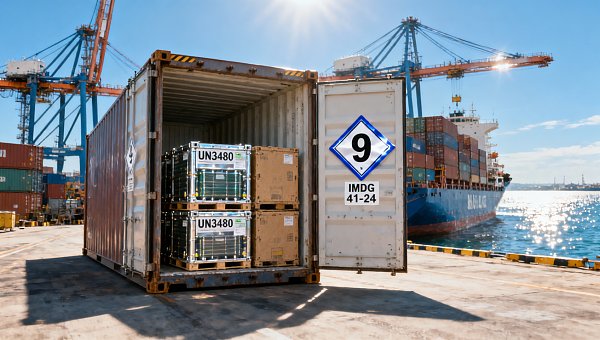
 IMDG Code 41-24 Enforces UN3480 Class 9 Labeling for Lithium Battery Sea FreightIMDG Code 41-24 mandates UN3480 lithium battery sea freight to display durable Class 9 labels from April 27, 2026—avoid delays & port rejections.
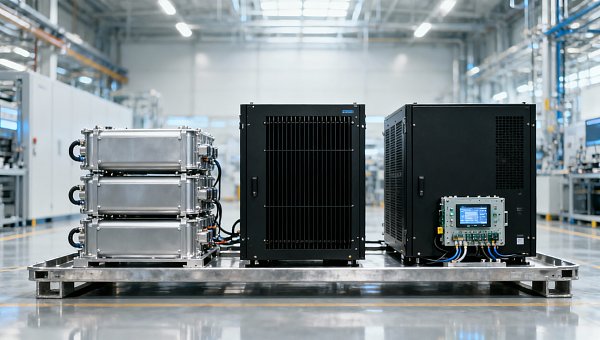
 ESS Key Component Prices Drop ~80%: Quality & Compliance RiseESS key component prices dropped ~80%—but quality & compliance demands surged. Discover how UL 9540A, AS/NZS 5139, and certified BMS/inverters now define market access.
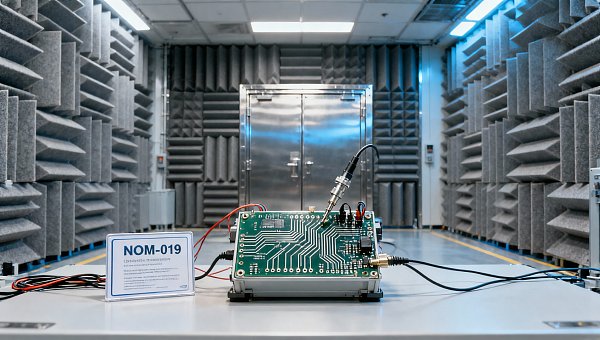
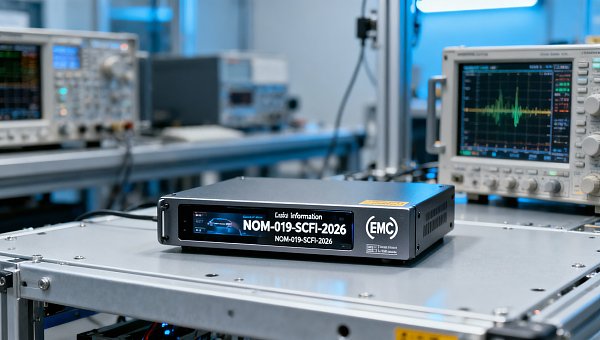
 Mexico NOM-019-SCFI-2026 Effective July 2026: EMC Certification Mandatory for Auto ElectronicsMexico NOM-019-SCFI-2026 mandates EMC certification for auto electronics from July 2026 — ensure compliance now to avoid supply chain disruption & customs delays.
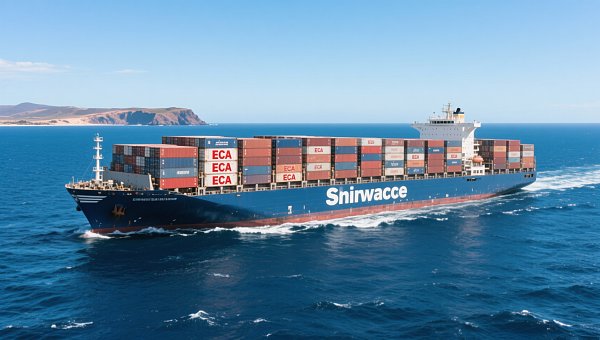
 Red Sea Rerouting Normalized, ECA Surcharge Hits $1,850/TEURed Sea rerouting normalized: ECA surcharge hits $1,850/TEU — 47% of total freight cost. Impacting hand tools, building materials & furniture exporters to Europe. Act now.
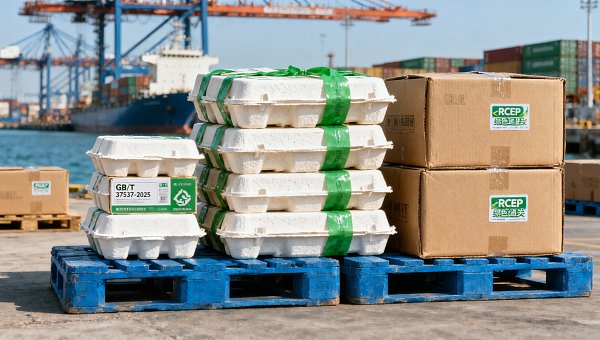
 RCEP Green Packaging Mutual Recognition Takes EffectRCEP Green Packaging Mutual Recognition is live—GB/T 37537-2025–certified packaging now enjoys fast-track clearance in Australia, NZ, Japan & Korea. Save time, cut costs, and boost export efficiency.
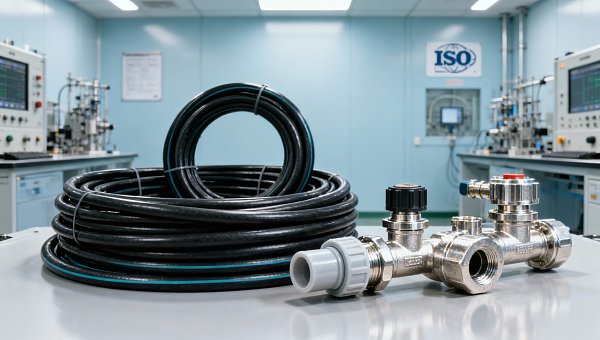
 Vietnam Suspends SASO Mutual Recognition for Chinese Irrigation EquipmentVietnam suspends SASO mutual recognition for Chinese irrigation equipment—drip tapes, PE fittings, auto valves now require VINAQ-IR certification. Act now to avoid delays & customs hold.
 Key Energy Storage Equipment Prices Drop ~80% in ChinaKey energy storage equipment prices in China dropped ~80% — PCS, BMS & liquid cooling units. Discover implications for compliance, margins & standards enforcement.
") China Releases Green Design Guidelines for Industrial Products (2026)China's 2026 Green Design Guidelines for industrial products—covering PV modules, lithium batteries & smart appliances—link eco-design to green factory certification and export tax rebates starting 2027.
China Releases Green Design Guidelines for Industrial Products (2026)China's 2026 Green Design Guidelines for industrial products—covering PV modules, lithium batteries & smart appliances—link eco-design to green factory certification and export tax rebates starting 2027. Mexico NOM-019-SCFI-2026 Effective: Automotive Electronics Require New EMC CertificationMexico NOM-019-SCFI-2026 is live: Automotive electronics (infotainment, ADAS, domain controllers) now require mandatory EMC certification by July 31, 2026 — act now to avoid customs delays.
 Red Sea Detour Premium Rises to $1,850/TEU Amid Port Congestion ReliefRed Sea Detour Premium hits $1,850/TEU — now 43% of FE–NE freight rates. Discover why this structural surcharge demands urgent supply chain action.
 TÜV Rheinland Updates PLd Certification: EMC Immunity Now Mandatory for Servo DrivesTÜV Rheinland now mandates EN IEC 61000-6-2:2024 EMC immunity testing for PLd certification of servo drives—act before May 26, 2026 to avoid EU market delays.
 RCEP Green Packaging Mutual Recognition Effective Apr 26, 2026RCEP Green Packaging Mutual Recognition takes effect Apr 26, 2026—unlock faster customs clearance & cost savings for eco-friendly packaging exporters to AU, NZ, JP, KR.
 FDA Final Rule: AI Diagnostic Devices Must Submit Bias Impact ReportsFDA mandates AI diagnostic devices submit third-party-verified bias impact reports—key for 510(k)/De Novo submissions. Act now to ensure compliance & market access.
 Vietnam Suspends SASO Mutual Recognition for Chinese Irrigation EquipmentVietnam suspends SASO mutual recognition for Chinese irrigation equipment—urgent QCVN certification now required for drip tapes, sprinklers, valves & smart controllers.
 SABER Phase II Launch: Building Hardware Must Submit Digital Type Test Reports & PIDSABER Phase II now requires digital type test reports & PID for building hardware — fasteners, door/window, bathroom fixtures. Avoid port rejection: ensure PID-bound compliance before shipment.
 IMDG Code 41-24 Enforced: UN3480 Lithium Batteries Require Class 9 LabelsUN3480 lithium batteries now require ISO 7225-compliant Class 9 labels under IMDG Code 41-24 — enforceable globally from 26 April 2026. Act now to avoid shipment delays!
 How to Compare an Online Trade Platform Before Signing Up?Compare an online trade platform with confidence—evaluate data quality, supplier trust, market insights, and search tools for smarter sourcing across cement price, MRI scanners cost, and more.
 Which Smart Home Automation Devices Are Easiest to Use?Smart home automation devices made simple: compare easy-to-use smart home automation devices, home improvement tools integration, and buyer tips from a business intelligence platform.
 Are Auto Detailing Services Worth the Cost?Auto detailing services: discover if the cost is justified, how pricing varies, and how a business intelligence platform helps buyers compare value, quality, and long-term ROI.
 What Makes Sustainable Fashion Brands Worth Buying?Sustainable fashion brands deliver transparency, quality, and lower risk. See how a business intelligence platform helps buyers verify value, avoid greenwashing, and source smarter.
 How to Choose a Business Intelligence Platform in 2026?Business intelligence platform selection in 2026: compare data coverage, pricing insights, online trade platform signals, Cement price trends, and MRI scanners cost to choose smarter, faster.









Popular Tags
Global Trade Insights & Industry
Our mission is to empower global exporters and importers with data-driven insights that foster strategic growth.
Search News
Popular Tags
Industry Overview
The global commercial kitchen equipment market is projected to reach $112 billion by 2027. Driven by urbanization, the rise of e-commerce food delivery, and strict hygiene regulations.