

Precision Farming Drones: What Causes Data Quality Gaps in the Field?
Precision farming drones promise sharper field insights, but data quality gaps can still undermine decisions on irrigation, spraying, and crop health. For operators in the field, understanding what causes missing, inconsistent, or inaccurate aerial data is essential to getting reliable results. From sensor calibration to weather interference and flight planning errors, this article explores the practical issues behind poor data capture and how to reduce them.
Why operators should use a checklist before trusting field data
When Precision farming drones produce weak maps, the problem is rarely just one thing. Data quality gaps usually come from a chain of small failures: poor light, unstable flight altitude, a dirty lens, inconsistent overlap, outdated firmware, or rushed post-processing. For field operators, a checklist-based approach is faster and more reliable than guessing. It helps isolate whether the issue started before takeoff, during capture, or after the drone landed.
This matters because bad aerial data can trigger expensive decisions. A false stress signal may lead to unnecessary spraying. A missing strip in a stitched map may hide drainage issues. Incorrect georeferencing may shift treatment zones and waste labor, chemical inputs, and time. In practical terms, the value of Precision farming drones depends not only on the aircraft, but on the discipline behind data collection.
First-pass checklist: what to confirm before every mission
Before discussing advanced causes, operators should verify the core conditions that most often affect output quality. The following checklist gives a fast screening process for Precision farming drones in daily use.
- Sensor readiness: Confirm lenses are clean, sensors are calibrated, and the camera settings match the mission type. A multispectral mission with incorrect exposure settings can distort vegetation indices.
- RTK or GPS status: Check satellite lock, correction signal stability, and home-point accuracy. Weak positioning creates map shifts that reduce trust in scouting and variable-rate plans.
- Flight plan consistency: Verify altitude, speed, overlap, sidelap, and route orientation. Inconsistent overlap is one of the most common reasons for missing map sections.
- Weather suitability: Wind gusts, changing cloud cover, haze, and low sun angles can all weaken image consistency. Even high-end Precision farming drones cannot fully compensate for unstable field conditions.
- Field timing: Make sure the crop stage and field surface condition support useful capture. Wet leaves, standing water, or heavy canopy motion may create misleading results.
- Storage and power: Confirm enough battery reserve and data storage remain for the full mission. Mid-flight interruptions often create fragmented datasets that are hard to stitch correctly.
Core causes of data quality gaps in Precision farming drones
1. Sensor calibration errors
Calibration problems are a leading cause of inaccurate outputs from Precision farming drones. This includes radiometric miscalibration, poor white balance, thermal drift, and failure to use calibration panels where required. If a sensor reads the same crop differently across flights, the issue may not be the field at all. It may be the sensor baseline.
Operators should watch for symptoms such as unusual color shifts, inconsistent NDVI values between similar plots, or thermal hotspots that disappear on repeat flights. If these patterns appear, recalibration should come before any agronomic interpretation.
2. Poor flight planning and capture geometry
Many data gaps begin with route design. Flying too fast, too low, or with insufficient front overlap reduces image matching quality. Flying across strong terrain variation without terrain following can also create inconsistent ground sampling distance. Precision farming drones are especially vulnerable when operators reuse one template for every field, regardless of crop height, slope, or mission purpose.
As a rule, mapping for stand counts, drainage review, crop stress detection, and spray planning should not all use identical settings. The required detail level changes, and so should altitude, speed, and camera angle.
3. Light variability and weather interference
Cloud shadows moving across the field can make healthy plants look stressed and stressed areas look normal. Strong wind can blur images, move leaves between passes, and disrupt stable altitude control. Dust, humidity, and heat shimmer may also degrade image sharpness. For Precision farming drones, environmental stability is often the difference between actionable imagery and questionable mosaics.
Operators should prioritize flights during stable daylight windows, avoid rapidly shifting weather, and document field conditions in flight logs. This helps explain anomalies later during analysis.
4. Inaccurate georeferencing
A map can look visually correct and still be wrong spatially. Position errors occur when RTK is unavailable, ground control points are poorly placed, coordinate systems are mismatched, or post-processing applies incorrect reference data. For users of Precision farming drones, this becomes critical when drone maps are compared with previous flights, soil samples, irrigation zones, or tractor guidance layers.
If treatment maps seem offset from field reality, georeferencing should be reviewed before assuming the agronomic data itself is wrong.
5. Processing errors after flight
Not all data quality gaps come from the drone mission. Stitching software can introduce artifacts if images are blurred, underexposed, duplicated, or poorly aligned. Compression, incorrect index formulas, and inconsistent software settings between teams can also change results. Precision farming drones generate large volumes of raw information, but poor processing discipline can turn good capture into weak output.
How to judge whether the problem is capture-related or analysis-related
When field data looks suspicious, operators should separate collection issues from interpretation issues. This saves time and avoids repeating missions unnecessarily.
Scenario-based checks for different field operations
For irrigation decisions
If Precision farming drones are used to detect moisture stress or irrigation inconsistency, thermal reliability is critical. Operators should check time-of-day effects, recent rainfall, soil background exposure, and whether canopy closure is sufficient for meaningful temperature patterns. A thermal map collected under changing cloud cover can produce false alarms.
For spraying and treatment zoning
When drone data informs spray boundaries or variable-rate application, spatial accuracy matters as much as image quality. Operators should confirm edge alignment, treatment polygon integrity, and compatibility with downstream farm management systems. Precision farming drones are only useful here if the data can move cleanly into action.
For crop health scouting
Crop health missions often fail because operators rely only on colorized output without ground truthing. A weak zone on the map may reflect nutrient stress, disease, soil compaction, shadow, or simple sensor noise. Field verification should be built into every workflow using Precision farming drones, especially before recommending inputs or reporting a problem to management.
Commonly overlooked issues that create silent errors
- Firmware mismatch: Aircraft, controller, and sensor updates may affect data handling or metadata consistency.
- Dirty reflectance panel: Even small contamination can undermine calibration for multispectral work.
- Rolling shutter effects: At higher speeds, image distortion may reduce stitching accuracy.
- Mixed mission settings: Different operators using different templates can make trend analysis unreliable over time.
- Weak file organization: Missing flight notes, mislabeled fields, and unclear version control often lead to wrong comparisons.
- Ignoring crop motion: Wind-driven canopy movement can mimic uneven vigor in sensitive analyses.
Practical execution plan to reduce data gaps
- Standardize mission templates: Build separate templates for scouting, thermal review, stand counts, and prescription support.
- Use a pre-flight quality card: Require checks for weather, storage, overlap, calibration, battery, and positioning before launch.
- Record field conditions: Note cloud cover, wind, crop stage, irrigation timing, and unusual surface conditions.
- Review sample images on site: Do not wait until returning to the office to discover blur or exposure problems.
- Keep processing settings consistent: Use documented workflows for stitching, radiometric correction, and index generation.
- Validate with ground observations: Treat aerial outputs as decision support, not automatic truth.
Decision guide: when to re-fly, re-process, or re-interpret
Operators using Precision farming drones should not solve every issue the same way. Re-fly the mission if raw images are incomplete, blurry, poorly overlapped, or captured under unstable weather. Re-process the dataset if the images are sound but the map contains alignment artifacts, index errors, or export inconsistencies. Re-interpret the result if the imagery is technically valid but field scouting suggests the visual pattern has multiple possible causes.
This simple distinction prevents wasted time and preserves confidence in the workflow. It also improves communication between drone operators, agronomy teams, and decision-makers who depend on clear, reliable evidence.
FAQ for operators working with Precision farming drones
Why does the same field look different across two flights?
The most common reasons are changing light, different calibration steps, altered flight settings, or crop movement from wind. Compare raw images, mission parameters, and weather notes before drawing agronomic conclusions.
Can good software fix poor drone capture?
Only partly. Software can correct some alignment issues, but it cannot fully restore missing overlap, severe blur, or unstable thermal conditions. Reliable capture remains the foundation for Precision farming drones.
How often should sensors be calibrated?
Follow manufacturer guidance, but in practice calibration should be part of the mission routine whenever the sensor type, environmental conditions, or required accuracy make radiometric consistency important.
Final checklist and next action steps
For most operators, better results from Precision farming drones come from operational discipline more than from chasing new hardware. Start by confirming calibration, weather, flight geometry, and georeferencing. Then standardize processing and validate findings on the ground. These steps reduce false signals, missing data, and inconsistent outputs across seasons.
If your team needs to improve drone-based field intelligence at scale, the next questions to clarify are practical: which sensors fit your crops and decisions, what accuracy level is required, how often flights will be repeated, what software pipeline is used, how data integrates with farm operations, and what training operators need to maintain repeatable quality. For businesses seeking broader market visibility, technical credibility, and trusted industry exposure around agricultural innovation and industrial intelligence, GTIIN and TradeVantage can help connect operational insights with global B2B reach.
Recommended News
 Portable oxygen concentrators are quieter now, but not always lighterPortable oxygen concentrators are getting quieter, but not always lighter. Explore the trade-offs in weight, battery life, comfort, and daily usability before you compare today’s top options.
 Interactive whiteboards are improving, but software still decides valueInteractive whiteboards deliver real value when software matches the scenario. Explore how usability, integration, security, and updates shape smarter buying decisions.
 Medical diagnostic equipment downtime often starts with calibration neglectMedical diagnostic equipment downtime often starts with missed calibration. Learn the warning signs, checklist priorities, and practical steps to prevent failures and keep healthcare operations reliable.
 Eco-friendly building materials are easier to specify than to sourceEco-friendly building materials are easier to specify than source. Learn how procurement teams can verify claims, reduce risk, and find reliable suppliers faster.
 Ergonomic workspace design can fail if chair fit comes lastErgonomic workspace design starts with chair fit. Learn how the right seat improves posture, comfort, and focus—and why fixing it first can transform your workspace.
 Outdoor garden supplies demand shifts faster than many expectOutdoor garden supplies demand is shifting faster than expected. Discover key B2B trends, smarter sourcing insights, and practical strategies to stay competitive and capture growth.
 Sustainable home decor sells better when materials are clearly disclosedSustainable home decor sells better when brands clearly disclose materials, finishes, and sourcing. Discover why transparency builds trust, justifies price, and drives more confident buying.
 Modern office furniture trends now favor modular over fixed layoutsModern office furniture is shifting to modular layouts for flexibility, lower lifecycle costs, and better hybrid work performance. See why enterprises are moving away from fixed office design.
 Smart street lighting projects stall when controls are overcomplicatedSmart street lighting projects often stall when controls become too complex. Learn how to simplify deployment, reduce risk, and scale citywide with practical, maintainable systems.
 Solid-state battery breakthroughs look promising, but scale is harderSolid-state battery breakthroughs promise safer, higher-density energy storage, but scaling remains the real challenge. Explore what this means for supply chains, investment, and market advantage.
 Commercial LED lighting upgrades often save less than expectedCommercial LED lighting upgrades can underdeliver when baseline data, controls, and installation costs are misjudged. Learn how to assess real savings, reduce ROI risk, and make smarter investment decisions.
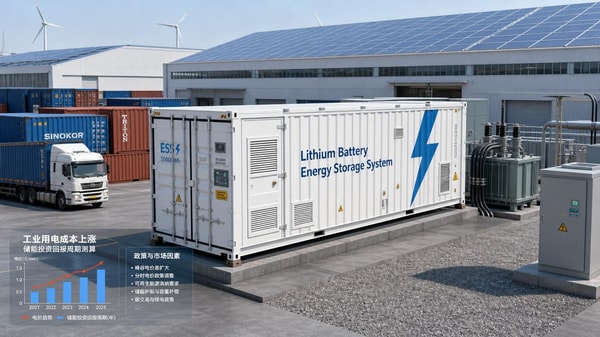
 Lithium battery storage payback can change with one policy updateLithium battery storage payback can shift fast after one policy update. See how tariffs, tax credits, grid pricing, and incentives change ROI—and how finance teams can approve smarter.
 Photovoltaic solar panels now compete on output in low lightPhotovoltaic solar panels now compete on low-light output. Discover how buyers can compare yield, risk, and supplier value to source smarter and boost project returns.
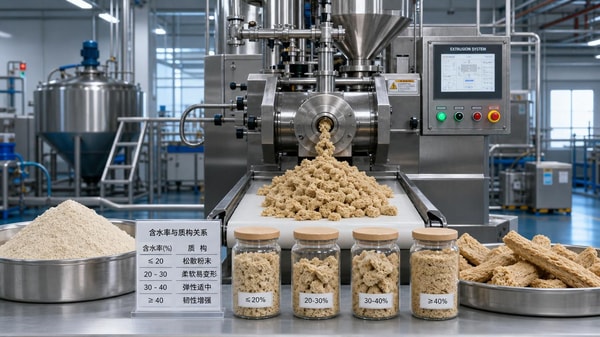
 Plant-based protein processing changes texture more than many expectPlant-based protein processing reshapes texture, stability, and safety more than expected. Explore key risks, QC checkpoints, and smarter sourcing insights for consistent results.
 Foldable screen technology is improving, but crease concerns remainFoldable screen technology is evolving fast with slimmer designs and stronger hinges, but crease concerns still shape buying decisions. Explore where it matters most.
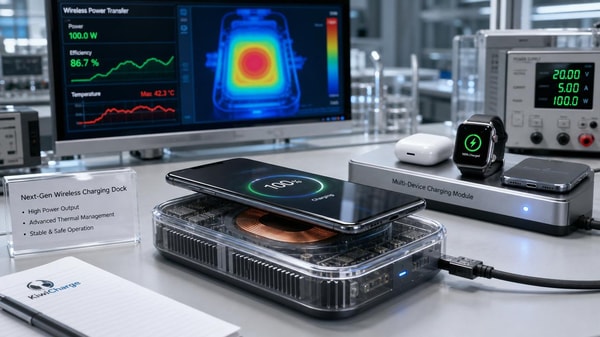
 Next-gen wireless charging still faces a heat management problemNext-gen wireless charging promises faster, more flexible power delivery, but heat remains the key barrier. Discover how thermal limits impact safety, efficiency, and market readiness.
 Wearable technology adoption drops when comfort gets overlookedWearable technology adoption falls fast when comfort is ignored. Discover how fit, materials, weight, and battery life shape long-term use and smarter buying decisions.
 Smart home devices wholesale is no longer just about low pricingSmart home devices wholesale now goes beyond low pricing. Discover how reliability, compatibility, and supply chain confidence help distributors choose profitable, trusted partners.
 Agri-PV systems make sense only when land use is planned wellAgri-PV systems deliver real value only when land use is planned well. Discover how smart site, crop, grid, and compliance decisions turn dual-use solar into a bankable, sustainable project.
 Organic fertilizers may improve soil slower, but results last longerOrganic fertilizers improve soil slowly but deliver longer-lasting results. Learn how they boost soil health, support safer growing, and help you choose the right option for sustainable planting success.
 Smart classroom solutions fail when teachers need too many appsSmart classroom solutions fail when teachers juggle too many apps. Discover why integrated, easy-to-use platforms drive adoption, ROI, and scalable learning success.











Popular Tags
Global Trade Insights & Industry
Our mission is to empower global exporters and importers with data-driven insights that foster strategic growth.
Search News
Popular Tags
Industry Overview
The global commercial kitchen equipment market is projected to reach $112 billion by 2027. Driven by urbanization, the rise of e-commerce food delivery, and strict hygiene regulations.