

Precision farming drones are only as useful as their field data
Precision farming drones can map fields, monitor crop stress, and support faster decisions, but their real value depends on the quality of the field data behind every flight. For operators, understanding how data accuracy, sensor performance, and timing affect results is essential to turning aerial insights into practical actions that improve efficiency, reduce waste, and support better outcomes across daily farm operations.
Why field-data quality matters more in some farm scenarios than others
Many users treat Precision farming drones as a hardware decision: flight time, speed, camera type, and coverage per battery. In practice, operators often discover that the biggest difference in value comes from data quality, not aircraft specifications alone. A drone can fly perfectly and still produce weak results if the field boundaries are wrong, the light conditions are poor, the timing is off, or the sensor data cannot be matched to real field conditions.
This becomes especially important because agricultural tasks are not all the same. A vineyard manager checking vine vigor needs different data precision than a grain producer scouting hundreds of hectares after a storm. A vegetable grower planning targeted spraying may require highly current imagery, while a plantation operator may care more about repeatability over weeks and months. The usefulness of Precision farming drones therefore changes by scenario, crop type, terrain, management intensity, and decision speed.
For operators, the key question is not simply “Can the drone collect data?” but “Can the data support the next farm action with enough confidence?” That action may be replanting, adjusting irrigation, identifying pest pressure, prioritizing scouting routes, or documenting field variability for later intervention. If the data cannot guide action, the flight becomes an attractive report rather than a productive tool.
Common application scenarios for Precision farming drones
Operators usually see the strongest return from Precision farming drones in recurring, decision-linked situations. These are not abstract use cases; they are moments when field conditions are changing and a faster view creates operational value.
1. Early-season stand assessment
After planting, users need to confirm emergence uniformity, skipped rows, waterlogging, crusting, or seedling loss. In this scenario, timing is everything. A flight that happens three days too late may still produce attractive maps, but it may miss the practical window for replanting or spot correction. Here, data usefulness depends on spatial accuracy, clear plant visibility, and rapid turnaround from flight to interpretation.
2. Mid-season crop stress monitoring
This is one of the most common applications for Precision farming drones. Operators look for irregular canopy development, nutrient stress, disease spread, irrigation issues, and localized performance gaps. The challenge is that crop stress signals can be caused by different factors that look similar from the air. If field notes, past application records, or ground checks are missing, the data may point to a problem area without revealing the real cause.
3. Irrigation and drainage diagnosis
Fields with uneven moisture are ideal candidates for drone support, especially where topography, soil variation, or aging irrigation infrastructure create non-uniform performance. In this case, repeat flights and seasonal comparison often matter more than one-off imagery. Operators need to separate temporary moisture effects from persistent drainage patterns, which means location consistency and comparable flight conditions are critical.
4. Targeted scouting before treatment decisions
In large fields, manual scouting can be slow and expensive. Precision farming drones help narrow where agronomists or field staff should walk first. This is especially useful after weather events, during suspected disease outbreaks, or when pest pressure is uneven. In this scenario, the drone does not replace field inspection; it improves route planning and prioritization. Good data should reduce unnecessary walking and improve the chance of finding actionable problem zones quickly.
5. Variable-rate management planning
Some users want drone outputs to support fertilizer, irrigation, or crop protection zoning. This is a high-value scenario, but also one that demands caution. Variable-rate decisions require reliable georeferencing, stable sensor performance, and confidence that mapped variability reflects agronomic reality rather than temporary noise. If the underlying field data is weak, zone maps can mislead operators into applying inputs unevenly for the wrong reasons.
Scenario comparison: what operators should focus on in each use case
The table below shows how the value of Precision farming drones changes depending on the task. It also highlights which data qualities matter most before acting on results.
Different field conditions create different data demands
Not every field asks the same thing from Precision farming drones. Operators working in flat, uniform cereal fields may prioritize coverage efficiency and regular repeat flights. Users in orchards, vineyards, terraced land, or fragmented fields often need more attention to altitude control, canopy shape, shadow effects, and plot boundaries. The same drone platform can perform well in one environment and deliver confusing outputs in another if the mission setup is not adapted.
Crop structure also matters. Low, evenly spaced crops may be easier to map early in the season, while dense canopies later in the cycle may hide surface details. Specialty crops often require closer inspection, stronger georeferencing discipline, and more nuanced interpretation. Operators should avoid assuming that one successful workflow automatically transfers to every crop or every season.
Weather windows can further change what “good enough” data means. In a fast-moving disease scenario, slightly imperfect data delivered quickly may be more valuable than technically superior data delivered after the response window has passed. On the other hand, if the goal is seasonal zone creation, repeatability and calibration may be more important than speed alone.
How operators can judge whether drone data is actionable
A practical operator should evaluate Precision farming drones through an action filter. Before every mission, ask what farm decision the data is supposed to support. That simple step helps define resolution needs, sensor choice, turnaround time, and whether a follow-up ground inspection is required.
- If the goal is rapid scouting, prioritize speed, clean geolocation, and easy hotspot marking.
- If the goal is comparing fields over time, prioritize repeat flight settings, stable lighting assumptions, and organized data storage.
- If the goal is operational treatment planning, validate drone outputs against field observations before changing input rates.
- If the goal is management reporting, confirm that maps are understandable to farm staff, not only to drone specialists.
This approach prevents a common problem: collecting impressive imagery without a clear downstream use. Precision farming drones create the most value when operators know who will use the output, how quickly it must be delivered, and what threshold of uncertainty is acceptable.
Common scenario mismatches and overlooked risks
One frequent mistake is using drone maps as if they provide diagnosis by themselves. In reality, aerial data often identifies where to investigate, not always why the problem exists. Stress can result from pests, disease, nutrition, compaction, irrigation failure, or recent weather. Without field verification, operators may treat symptoms rather than causes.
Another mismatch happens when users expect Precision farming drones to deliver high-value prescriptions from occasional flights. Consistent agronomic decision support usually needs historical context, stable workflows, and integrated field records. A single mission can be useful, but repeated missions tied to known management actions are far more powerful.
Operators also underestimate the cost of poor data organization. If flights are not labeled by field, date, growth stage, and weather context, comparison becomes difficult. Valuable imagery then turns into an archive rather than a management tool. Good file discipline, map naming, and note-taking are small habits that significantly improve long-term usefulness.
Best-fit recommendations by user type
The best use of Precision farming drones depends on who is operating them and what decisions they influence. Small and medium farms often gain the fastest value from targeted scouting, emergence checks, and irrigation problem detection. These are direct, visible scenarios where action can follow quickly. Large farm groups or service teams may benefit more from repeat monitoring programs and standardized data workflows across multiple locations.
For frontline operators, the most effective starting point is usually not the most complex sensor package. It is the workflow that links flight planning, data capture, map review, and field action in one practical loop. If the team cannot consistently execute that loop, advanced analytics may add complexity without adding value.
A smart rollout often follows this path: start with one recurring scenario, define decision rules, compare drone findings with field reality, and then expand. This makes Precision farming drones easier to justify operationally and easier to improve over time.
FAQ: scenario-based questions operators often ask
Are Precision farming drones equally useful for all crops?
No. They are useful across many crop systems, but the workflow, flight timing, and interpretation standards vary. Uniform field crops, orchards, vineyards, and vegetables each create different data challenges and different action priorities.
When is drone data most actionable?
It is most actionable when it is tied to a specific decision window, such as replanting, scouting after a weather event, confirming irrigation issues, or prioritizing treatment zones. Data without a near-term action path tends to lose value quickly.
Can aerial maps replace field walking?
Usually not. Precision farming drones are strongest when they reduce unnecessary walking and guide inspection toward the right places. In many scenarios, they improve human scouting rather than eliminate it.
What is the biggest warning sign that the data may not be reliable?
If the map looks different from known field conditions but there is no obvious agronomic explanation, pause before acting. Check timing, light conditions, flight settings, calibration, and ground observations before making operational changes.
Turning drone flights into better farm decisions
Precision farming drones are most useful when operators match them to the right field scenario, the right decision speed, and the right data standard. The most successful users do not start with the broad question of what drones can do. They start with a narrower operational question: which recurring problem needs faster, clearer field visibility?
From there, the path becomes practical. Define the scenario, set the data requirement, confirm how results will be verified, and connect outputs to action. Whether the goal is emergence review, crop stress detection, irrigation diagnosis, or guided scouting, the real return comes from reliable field data that helps users act with confidence. For operators evaluating Precision farming drones, the smartest next step is to assess your own fields by scenario, identify where aerial data can shorten decisions, and build a workflow that converts each flight into measurable farm value.
Recommended News
 Portable oxygen concentrators are quieter now, but not always lighterPortable oxygen concentrators are getting quieter, but not always lighter. Explore the trade-offs in weight, battery life, comfort, and daily usability before you compare today’s top options.
 Interactive whiteboards are improving, but software still decides valueInteractive whiteboards deliver real value when software matches the scenario. Explore how usability, integration, security, and updates shape smarter buying decisions.
 Medical diagnostic equipment downtime often starts with calibration neglectMedical diagnostic equipment downtime often starts with missed calibration. Learn the warning signs, checklist priorities, and practical steps to prevent failures and keep healthcare operations reliable.
 Eco-friendly building materials are easier to specify than to sourceEco-friendly building materials are easier to specify than source. Learn how procurement teams can verify claims, reduce risk, and find reliable suppliers faster.
 Ergonomic workspace design can fail if chair fit comes lastErgonomic workspace design starts with chair fit. Learn how the right seat improves posture, comfort, and focus—and why fixing it first can transform your workspace.
 Outdoor garden supplies demand shifts faster than many expectOutdoor garden supplies demand is shifting faster than expected. Discover key B2B trends, smarter sourcing insights, and practical strategies to stay competitive and capture growth.
 Sustainable home decor sells better when materials are clearly disclosedSustainable home decor sells better when brands clearly disclose materials, finishes, and sourcing. Discover why transparency builds trust, justifies price, and drives more confident buying.
 Modern office furniture trends now favor modular over fixed layoutsModern office furniture is shifting to modular layouts for flexibility, lower lifecycle costs, and better hybrid work performance. See why enterprises are moving away from fixed office design.
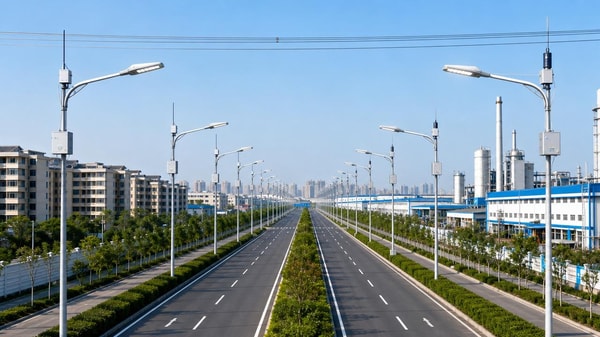
 Smart street lighting projects stall when controls are overcomplicatedSmart street lighting projects often stall when controls become too complex. Learn how to simplify deployment, reduce risk, and scale citywide with practical, maintainable systems.
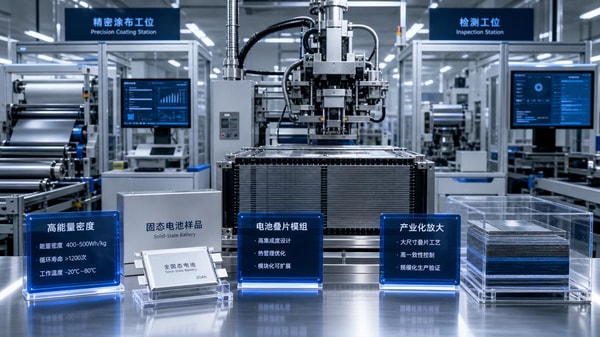
 Solid-state battery breakthroughs look promising, but scale is harderSolid-state battery breakthroughs promise safer, higher-density energy storage, but scaling remains the real challenge. Explore what this means for supply chains, investment, and market advantage.
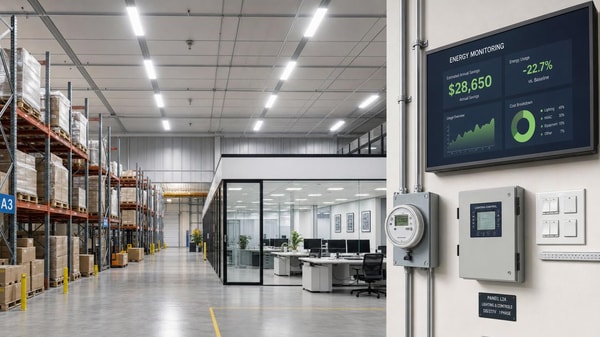
 Commercial LED lighting upgrades often save less than expectedCommercial LED lighting upgrades can underdeliver when baseline data, controls, and installation costs are misjudged. Learn how to assess real savings, reduce ROI risk, and make smarter investment decisions.
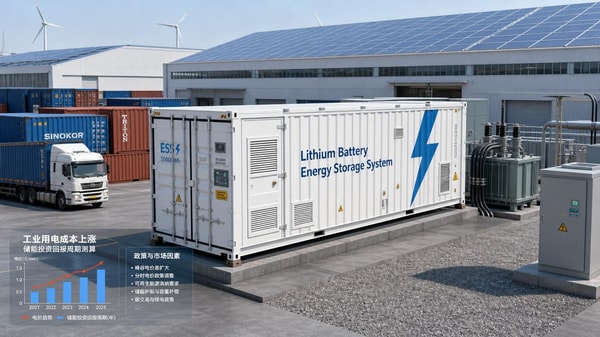
 Lithium battery storage payback can change with one policy updateLithium battery storage payback can shift fast after one policy update. See how tariffs, tax credits, grid pricing, and incentives change ROI—and how finance teams can approve smarter.
 Photovoltaic solar panels now compete on output in low lightPhotovoltaic solar panels now compete on low-light output. Discover how buyers can compare yield, risk, and supplier value to source smarter and boost project returns.
 Plant-based protein processing changes texture more than many expectPlant-based protein processing reshapes texture, stability, and safety more than expected. Explore key risks, QC checkpoints, and smarter sourcing insights for consistent results.
 Foldable screen technology is improving, but crease concerns remainFoldable screen technology is evolving fast with slimmer designs and stronger hinges, but crease concerns still shape buying decisions. Explore where it matters most.
 Next-gen wireless charging still faces a heat management problemNext-gen wireless charging promises faster, more flexible power delivery, but heat remains the key barrier. Discover how thermal limits impact safety, efficiency, and market readiness.
 Wearable technology adoption drops when comfort gets overlookedWearable technology adoption falls fast when comfort is ignored. Discover how fit, materials, weight, and battery life shape long-term use and smarter buying decisions.
 Smart home devices wholesale is no longer just about low pricingSmart home devices wholesale now goes beyond low pricing. Discover how reliability, compatibility, and supply chain confidence help distributors choose profitable, trusted partners.
 Agri-PV systems make sense only when land use is planned wellAgri-PV systems deliver real value only when land use is planned well. Discover how smart site, crop, grid, and compliance decisions turn dual-use solar into a bankable, sustainable project.
 Organic fertilizers may improve soil slower, but results last longerOrganic fertilizers improve soil slowly but deliver longer-lasting results. Learn how they boost soil health, support safer growing, and help you choose the right option for sustainable planting success.
 Smart classroom solutions fail when teachers need too many appsSmart classroom solutions fail when teachers juggle too many apps. Discover why integrated, easy-to-use platforms drive adoption, ROI, and scalable learning success.







Popular Tags
Global Trade Insights & Industry
Our mission is to empower global exporters and importers with data-driven insights that foster strategic growth.
Search News
Popular Tags
Industry Overview
The global commercial kitchen equipment market is projected to reach $112 billion by 2027. Driven by urbanization, the rise of e-commerce food delivery, and strict hygiene regulations.