

Biodegradable plastics can underperform in real storage conditions
Biodegradable plastics are often promoted as a safer, more sustainable alternative, yet their performance can decline under real storage conditions such as heat, humidity, and extended shelf time. For quality control and safety managers, understanding these hidden risks is essential to preventing packaging failure, product contamination, and compliance issues across the supply chain.
Why storage performance has become a bigger industry signal
A clear shift is happening across packaging, logistics, and product safety management: the discussion around Biodegradable plastics is moving beyond sustainability claims and into real-world durability. This change matters because more companies now use bio-based or compostable packaging for export goods, food contact materials, e-commerce shipping, and consumer products that may sit in warehouses longer than expected. In practice, the material is no longer judged only by how it degrades after disposal, but by how reliably it performs before use.
For quality control teams, this is a significant change in evaluation criteria. Previously, many procurement decisions focused on environmental positioning, certification labels, and cost alignment. Now, safety managers and packaging auditors are asking a different set of questions: Can Biodegradable plastics resist seasonal humidity? Do seals remain intact during cross-border transit? Will tensile strength decline during long storage cycles? These are not academic concerns. They directly affect complaint rates, product recalls, shelf-life consistency, and regulatory exposure.
This trend is especially visible in global supply chains where storage conditions are variable rather than controlled. Materials may move from hot ports to humid warehouses and then into retail distribution centers. Under these conditions, the gap between laboratory claims and field performance becomes more visible, and that gap is now influencing purchasing standards, supplier qualification, and risk review procedures.
The market is shifting from end-of-life claims to in-use reliability
One of the strongest signals in the current market is that buyers are no longer satisfied with a simple biodegradable label. They want evidence that Biodegradable plastics can survive the entire storage and handling cycle without compromising product integrity. This is particularly important in applications where packaging acts as a barrier against moisture, oxygen, grease, dust, or microbial exposure.
The shift is being driven by several business realities. First, inventory cycles have become less predictable. Delayed shipping, changing demand patterns, and regional stock transfers mean packaging often remains in storage longer than originally planned. Second, brand owners face more scrutiny on both sustainability and safety, so a material that is environmentally attractive but operationally unstable creates a reputational contradiction. Third, quality incidents linked to packaging are now easier to trace through digital audit systems, making underperformance harder to ignore.
As a result, Biodegradable plastics are increasingly being assessed through a broader lens: not only compostability or environmental impact, but also shelf stability, seal retention, dimensional consistency, odor migration risk, brittleness, and compatibility with filling lines or storage systems. That is a major direction change for the market.
What is driving this change in expectations
The rising concern around storage performance is not caused by a single failure point. It comes from the interaction of material science, logistics complexity, compliance pressure, and commercial expectations. Some biodegradable polymers are sensitive to temperature fluctuations or moisture uptake. In a controlled test environment, performance may appear acceptable, but in mixed storage conditions the degradation pathway can begin earlier than anticipated or mechanical properties can weaken before the product reaches the end user.
Another factor is that many supply chains are using Biodegradable plastics in applications originally designed for conventional polymers. That substitution can work, but not always on a one-to-one basis. Barrier requirements, stacking pressure, sealing temperatures, and transport vibration can expose weaknesses if the material has not been validated under realistic storage profiles. For safety managers, this means the old approval logic may be insufficient.
There is also a documentation issue. Technical data sheets often describe ideal conditions, while warehouse reality includes poor ventilation, seasonal heat peaks, container condensation, and inconsistent stock rotation. The more global the distribution footprint, the more important these practical variables become. This is why the conversation around Biodegradable plastics is becoming more operational and less purely promotional.
Where underperformance shows up first in real storage conditions
For many organizations, the first warning signs do not appear in the lab. They appear in warehouse inspections, inbound quality checks, or customer complaints. Biodegradable plastics can underperform in several ways depending on formulation and application. Common symptoms include cracking, loss of flexibility, seal leakage, warping, tackiness, reduced load-bearing strength, or changes in transparency and odor. In sensitive sectors, even minor packaging instability can trigger broader product safety concerns.
Humidity is often a key trigger. Some materials absorb moisture or react to prolonged damp exposure, which can accelerate property changes. Heat can intensify these effects, especially in stacked pallets or enclosed storage spaces. Time itself is another variable. Even without obvious external abuse, extended shelf time can reduce performance margins, meaning packaging that passed initial release may fail later in the distribution chain.
This is why quality control teams should avoid relying only on short-term acceptance tests. The practical question is not simply whether Biodegradable plastics meet specification at delivery, but whether they still meet specification after realistic aging under the actual storage profile of the business.
Which business functions are most affected
The impact of weaker storage performance is not limited to packaging engineers. It spreads across multiple functions. Quality control managers face rising inspection complexity because they must verify not just incoming conformity but stability over time. Safety managers are exposed when packaging deterioration increases contamination risk, especially for food, personal care, medical-adjacent, or chemical products. Procurement teams may see higher supplier switching costs if a biodegradable solution needs reformulation or tighter transport controls.
Warehouse and logistics teams are also directly affected. Storage zoning, pallet configuration, ventilation, and stock rotation practices suddenly become part of packaging risk management. Sales and compliance teams feel the downstream impact when customers question product integrity or when documentation does not match real-condition outcomes. In short, Biodegradable plastics are no longer just a sustainability procurement topic; they are an enterprise risk topic.
Policy, customer, and audit pressure are reshaping material decisions
Another important trend is that material choice is becoming more evidence-based. Environmental expectations remain strong, but buyers increasingly understand that sustainability cannot come at the expense of safety or functional reliability. This creates a more demanding review environment for Biodegradable plastics. Certifications still matter, but they are no longer enough on their own. Customers want to know how the material behaves in actual logistics scenarios, not just under standard disposal definitions.
In many sectors, audit language is becoming more practical. Instead of asking only whether a packaging material is biodegradable, stakeholders now ask under what storage conditions it was tested, what shelf-life assumptions were used, and what controls are needed to maintain performance. That shift is healthy for the market because it reduces the risk of overclaiming and encourages better alignment between material design and application reality.
For exporters and importers, this means supplier communication must become more precise. A broad sustainability promise does not protect against claims caused by split pouches, weakened films, or barrier loss after prolonged storage. Businesses that can document realistic performance are more likely to maintain trust and avoid costly disputes.
What quality and safety managers should monitor now
The most useful response is not to reject Biodegradable plastics outright, but to evaluate them through a more disciplined risk framework. First, map actual storage conditions rather than assumed ones. Temperature peaks, humidity swings, storage duration, and transport interruptions should all be included in the review. Second, identify the failure mode that matters most for the product: seal loss, puncture, odor transfer, mechanical weakness, or barrier decline. Third, validate the material against that failure mode over time, not only at the point of receipt.
It is also wise to separate marketing terminology from technical suitability. Not all Biodegradable plastics behave the same way, and performance can vary significantly by resin blend, additive package, thickness, and converting process. Quality teams should therefore ask suppliers for application-specific data, storage recommendations, and retention of mechanical or barrier properties across the expected lifecycle.
In addition, cross-functional review is becoming more important. QC, safety, procurement, packaging development, and logistics should assess the material together. This reduces the risk that one department approves a sustainable option that another department later struggles to manage operationally.
Practical judgment signals for the next stage
Looking ahead, several signals will help companies judge whether their use of Biodegradable plastics is moving in the right direction. One signal is whether suppliers can provide performance data under heat-and-humidity stress that resembles actual shipping lanes. Another is whether internal complaint patterns cluster around specific seasons, warehouses, or product categories. A third is whether packaging specifications include realistic storage limits and handling instructions rather than generic language.
A mature approach also includes scenario planning. If stock remains in storage 30% longer than forecast, does the packaging still protect the product? If a container experiences condensation, will the material remain fit for use? If climate controls fail temporarily, what is the tolerance window? These are the types of forward-looking judgments that separate a branding exercise from a resilient packaging strategy.
A balanced direction for companies using Biodegradable plastics
The key industry lesson is balance. Biodegradable plastics remain strategically important as companies respond to sustainability goals and changing customer expectations. However, the next phase of adoption will reward realism over slogans. Materials that perform well only in ideal conditions will face growing resistance from quality-driven buyers. Materials that can demonstrate both environmental value and reliable storage behavior will gain stronger long-term acceptance.
For quality control personnel and safety managers, the priority is clear: shift evaluation from simple label acceptance to lifecycle performance judgment. Review where the biggest environmental stresses occur, define product-specific risk thresholds, and require evidence aligned with actual operations. That approach does not slow innovation; it makes innovation usable.
If a business wants to understand how this trend may affect its own supply chain, the most important questions are practical ones: Under what storage conditions are our products actually held? Which packaging failure mode would create the highest safety or compliance risk? What proof do our suppliers provide for performance over time? And where are we still relying on assumptions instead of real-condition data? Answering those questions will give companies a stronger basis for deciding where Biodegradable plastics fit safely and competitively in the next stage of global trade.
Recommended News
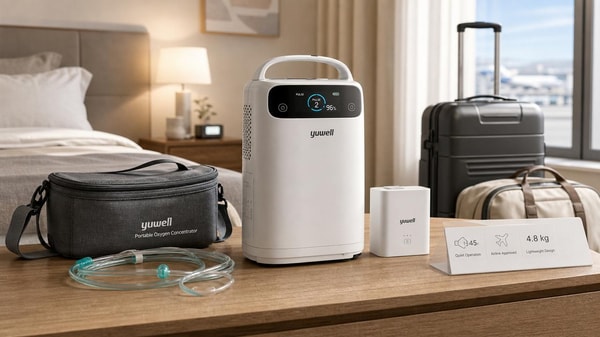
 Portable oxygen concentrators are quieter now, but not always lighterPortable oxygen concentrators are getting quieter, but not always lighter. Explore the trade-offs in weight, battery life, comfort, and daily usability before you compare today’s top options.
 Interactive whiteboards are improving, but software still decides valueInteractive whiteboards deliver real value when software matches the scenario. Explore how usability, integration, security, and updates shape smarter buying decisions.
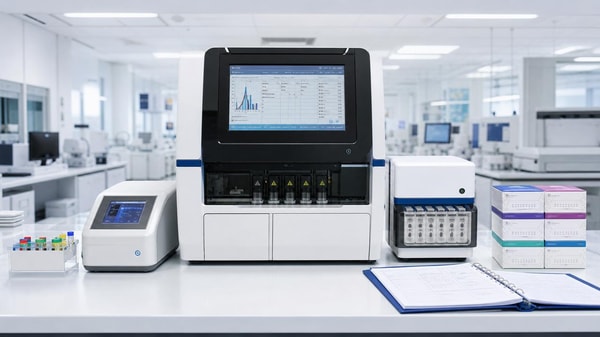
 Medical diagnostic equipment downtime often starts with calibration neglectMedical diagnostic equipment downtime often starts with missed calibration. Learn the warning signs, checklist priorities, and practical steps to prevent failures and keep healthcare operations reliable.
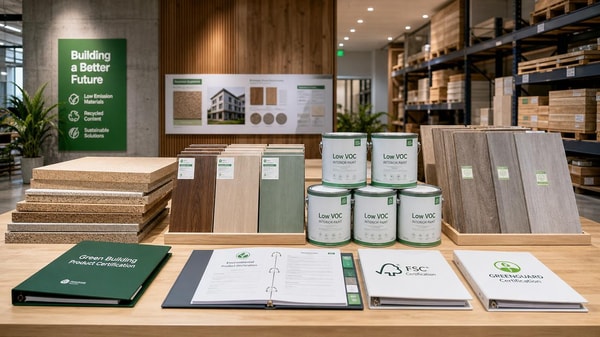
 Eco-friendly building materials are easier to specify than to sourceEco-friendly building materials are easier to specify than source. Learn how procurement teams can verify claims, reduce risk, and find reliable suppliers faster.
 Ergonomic workspace design can fail if chair fit comes lastErgonomic workspace design starts with chair fit. Learn how the right seat improves posture, comfort, and focus—and why fixing it first can transform your workspace.
 Outdoor garden supplies demand shifts faster than many expectOutdoor garden supplies demand is shifting faster than expected. Discover key B2B trends, smarter sourcing insights, and practical strategies to stay competitive and capture growth.
 Sustainable home decor sells better when materials are clearly disclosedSustainable home decor sells better when brands clearly disclose materials, finishes, and sourcing. Discover why transparency builds trust, justifies price, and drives more confident buying.
 Modern office furniture trends now favor modular over fixed layoutsModern office furniture is shifting to modular layouts for flexibility, lower lifecycle costs, and better hybrid work performance. See why enterprises are moving away from fixed office design.
 Smart street lighting projects stall when controls are overcomplicatedSmart street lighting projects often stall when controls become too complex. Learn how to simplify deployment, reduce risk, and scale citywide with practical, maintainable systems.
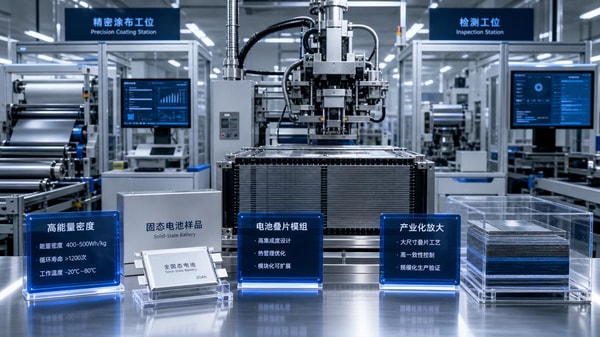
 Solid-state battery breakthroughs look promising, but scale is harderSolid-state battery breakthroughs promise safer, higher-density energy storage, but scaling remains the real challenge. Explore what this means for supply chains, investment, and market advantage.
 Commercial LED lighting upgrades often save less than expectedCommercial LED lighting upgrades can underdeliver when baseline data, controls, and installation costs are misjudged. Learn how to assess real savings, reduce ROI risk, and make smarter investment decisions.
 Lithium battery storage payback can change with one policy updateLithium battery storage payback can shift fast after one policy update. See how tariffs, tax credits, grid pricing, and incentives change ROI—and how finance teams can approve smarter.
 Photovoltaic solar panels now compete on output in low lightPhotovoltaic solar panels now compete on low-light output. Discover how buyers can compare yield, risk, and supplier value to source smarter and boost project returns.
 Plant-based protein processing changes texture more than many expectPlant-based protein processing reshapes texture, stability, and safety more than expected. Explore key risks, QC checkpoints, and smarter sourcing insights for consistent results.
 Foldable screen technology is improving, but crease concerns remainFoldable screen technology is evolving fast with slimmer designs and stronger hinges, but crease concerns still shape buying decisions. Explore where it matters most.
 Next-gen wireless charging still faces a heat management problemNext-gen wireless charging promises faster, more flexible power delivery, but heat remains the key barrier. Discover how thermal limits impact safety, efficiency, and market readiness.
 Wearable technology adoption drops when comfort gets overlookedWearable technology adoption falls fast when comfort is ignored. Discover how fit, materials, weight, and battery life shape long-term use and smarter buying decisions.
 Smart home devices wholesale is no longer just about low pricingSmart home devices wholesale now goes beyond low pricing. Discover how reliability, compatibility, and supply chain confidence help distributors choose profitable, trusted partners.
 Agri-PV systems make sense only when land use is planned wellAgri-PV systems deliver real value only when land use is planned well. Discover how smart site, crop, grid, and compliance decisions turn dual-use solar into a bankable, sustainable project.
 Organic fertilizers may improve soil slower, but results last longerOrganic fertilizers improve soil slowly but deliver longer-lasting results. Learn how they boost soil health, support safer growing, and help you choose the right option for sustainable planting success.
 Smart classroom solutions fail when teachers need too many appsSmart classroom solutions fail when teachers juggle too many apps. Discover why integrated, easy-to-use platforms drive adoption, ROI, and scalable learning success.












Popular Tags
Global Trade Insights & Industry
Our mission is to empower global exporters and importers with data-driven insights that foster strategic growth.
Search News
Popular Tags
Industry Overview
The global commercial kitchen equipment market is projected to reach $112 billion by 2027. Driven by urbanization, the rise of e-commerce food delivery, and strict hygiene regulations.