

Wearable technology adoption slows when comfort lags behind features
Wearable technology promises smarter health tracking, seamless connectivity, and personalized convenience, but adoption slows when comfort fails to match innovation. For everyday consumers, bulky designs, skin irritation, and poor fit can outweigh even the most advanced features. As brands race to add more functions, the real competitive edge may lie in creating devices people actually want to wear all day.
Why comfort matters differently across everyday wearable technology scenarios
For consumers, wearable technology is not judged in a lab. It is judged on the wrist during sleep, in the ear during commutes, on the finger during exercise, and against the skin through heat, sweat, and motion. That is why adoption patterns vary so much by scenario. A feature that sounds compelling in marketing copy can quickly lose value if the device pinches, overheats, causes irritation, or needs constant adjustment.
This gap between innovation and wearability explains why some devices become habits while others end up in drawers. In one scenario, such as fitness tracking, users may accept a slightly tighter fit for motion accuracy. In another, such as overnight sleep monitoring, even minor discomfort becomes a deal breaker. The same product category can succeed or fail depending on how well it matches the actual context of use.
Understanding these differences helps consumers make better buying decisions. It also reveals a broader truth about wearable technology: growth depends less on adding one more sensor and more on reducing friction in daily life. When comfort aligns with routine, people keep wearing the device long enough for its features to matter.
A scenario-based view of where wearable technology succeeds or struggles
Not all wearable technology is used in the same way. Some devices support short, active sessions. Others are expected to remain on the body for ten to twenty-four hours. Some need strong contact with the skin, while others must stay almost unnoticeable. The table below highlights how comfort requirements shift by consumer scenario.
Scenario 1: Fitness users want performance data, but only if the device stays out of the way
In workout settings, wearable technology must survive motion, sweat, and repetition. Runners and gym users usually care about pace, calorie burn, heart rate zones, and workout summaries. Yet they are often the first to abandon a product that shifts during movement, traps moisture, or feels too heavy during long sessions.
This is a classic case where feature lists can mislead buyers. Advanced GPS, blood oxygen estimates, and training recommendations may sound valuable, but if the strap rubs during a five-kilometer run, the user experience collapses. Fitness-focused consumers should prioritize material breathability, adjustable fit, water resistance, and stable sensor contact over less-used premium functions.
Wearable technology designed for exercise works best when it becomes almost invisible in use. Products that minimize bounce, dry quickly, and remain accurate under movement are more likely to build long-term loyalty than those that simply offer more metrics.
Scenario 2: Sleep tracking is a high-value use case with a very low discomfort threshold
Sleep monitoring is one of the most promising segments in wearable technology because it connects to stress, recovery, and overall health. However, it also exposes comfort weaknesses faster than almost any other scenario. A device worn to bed must be light, smooth, and easy to forget. Even a slightly rigid edge or warm contact surface can disrupt sleep enough to defeat the purpose.
Consumers considering wearables for sleep should ask practical questions: Can I wear this on my preferred sleeping side? Will the band tighten overnight? Does the battery last through the night without needing a pre-bed charge? How does the material feel after hours of skin contact?
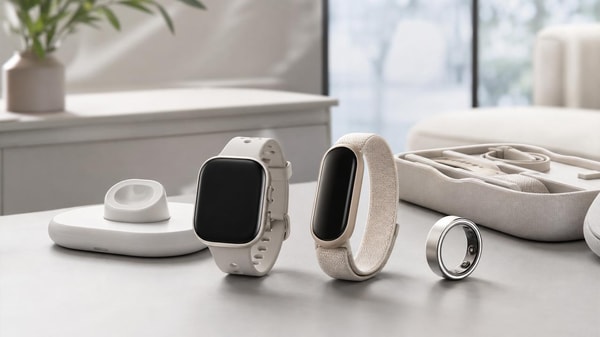
In this scenario, smaller form factors often outperform feature-heavy smartwatches. Rings, slim bands, and soft-surface devices may generate better long-term engagement because they reduce interruption. For sleep-focused users, wearable technology succeeds when comfort supports consistency, not when the screen looks impressive before bedtime.
Scenario 3: Office workers and commuters need convenience without sensory overload
Another major scenario is daily connectivity. Here, wearable technology is expected to deliver message previews, call alerts, calendar reminders, contactless payments, and quick interactions throughout the day. The problem is that convenience can easily turn into distraction. A device that buzzes too often, feels bulky under a sleeve, or needs frequent charging can create more friction than value.
For these users, comfort includes mental comfort as well as physical comfort. Lightweight design matters, but so do screen readability, intuitive controls, and notification management. Consumers who mainly want daily convenience should not automatically buy the most advanced device. They should look for wearables that simplify routines, integrate cleanly with their phone ecosystem, and avoid constant attention demands.
This scenario shows why adoption slows when feature growth outpaces usability. If wearable technology adds complexity to commuting, meetings, or errands, users begin to question whether the device deserves space in their day.
Scenario 4: Health-conscious consumers need reliable long-wear comfort more than novelty
A growing share of wearable technology buyers are motivated by health awareness rather than tech enthusiasm. They want to monitor resting heart rate, activity trends, stress indicators, and general wellness patterns. In this scenario, adoption depends on trust. Consumers must trust both the readings and their ability to keep the device on consistently.
That means skin sensitivity becomes a serious purchase factor. Some users react to certain metals, plastics, or tight straps, especially in warm climates or during extended wear. Others may have swelling changes throughout the day that make rigid sizing uncomfortable. Products with skin-friendly materials, flexible adjustment, and less heat buildup are more suitable for this group.
For health-focused consumers, wearable technology should feel dependable rather than experimental. A simpler device that delivers stable daily use can be more valuable than a premium model that offers extra analytics but causes irritation or charging fatigue.
How to compare wearable technology by scenario instead of by marketing claims
Consumers often compare wearables by screen size, sensor count, app ecosystem, and launch-year features. Those factors matter, but they do not answer the more important question: will this device fit your actual routine? A better evaluation method is scenario-first decision making.
This approach helps buyers avoid overpaying for capabilities they may rarely use. It also reduces the chance of early abandonment, which remains one of the biggest barriers to wider wearable technology adoption.
Common mistakes consumers make when choosing wearable technology
One common mistake is assuming that more features automatically mean better value. In reality, feature overload can make a device heavier, more power-hungry, and less comfortable. Another mistake is testing comfort only for a few minutes in a store or after unboxing. Many issues appear only after sweating, sleeping, typing, or wearing the product for several hours.
Consumers also underestimate the importance of climate and lifestyle. A wearable that feels fine in cool weather may become irritating in humidity. A device that works during a short walk may feel cumbersome during childcare, commuting, or desk work. Even charging habits matter. If a wearable needs frequent charging at inconvenient times, usage consistency drops and the value of tracking declines.
The final mistake is ignoring return policies and user reviews that specifically mention long-term comfort. Reviews focused only on setup, display, or packaging do not reveal whether wearable technology remains pleasant after weeks of use.
What consumers should prioritize before making a purchase
Before buying wearable technology, consumers should define their main use case in one sentence. For example: “I want accurate workout tracking,” “I want better sleep insights,” or “I want quick notifications without checking my phone.” That single priority can guide almost every other decision.
Next, evaluate five essentials: wear duration, skin sensitivity, charging tolerance, movement level, and preferred form factor. A person who wants twenty-four-hour health monitoring needs different design trade-offs than someone who only wears a device during runs. A ring, band, clip, or watch may all qualify as wearable technology, but they do not deliver the same comfort profile in every routine.
Finally, consider whether the device encourages consistent use. The best wearable is rarely the one with the longest specification sheet. It is the one that fits naturally into your day, feels acceptable across hours of real-life wear, and provides insights you will actually revisit.
The next phase of wearable technology will be won through better fit, lighter design, and smarter restraint
As the market matures, wearable technology will likely become less about visible novelty and more about seamless integration. Consumers are signaling that they do not just want smarter devices; they want more humane devices. Better materials, gentler form factors, longer battery life, and more selective alerts may do more to expand adoption than another round of headline features.
For shoppers, the practical lesson is clear: match the product to the scenario. If your main use case is exercise, buy for secure comfort under motion. If your goal is sleep, choose minimal nighttime disruption. If you want all-day convenience, prioritize simplicity and battery life. If health tracking is the priority, favor skin comfort and long-term consistency.
Wearable technology still has strong consumer potential, but adoption will continue to slow whenever comfort lags behind features. The smartest purchase decision is not asking which device does the most. It is asking which one you will genuinely want to wear tomorrow, next week, and months from now.
Recommended News
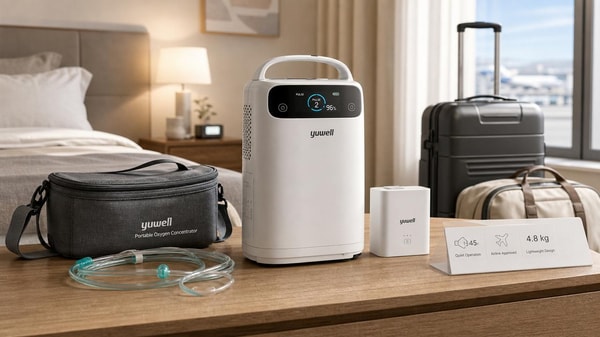
 Portable oxygen concentrators are quieter now, but not always lighterPortable oxygen concentrators are getting quieter, but not always lighter. Explore the trade-offs in weight, battery life, comfort, and daily usability before you compare today’s top options.
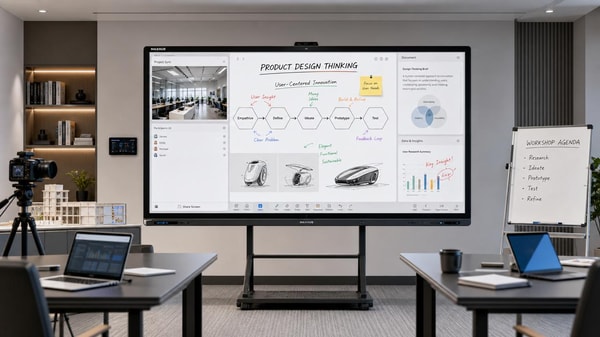
 Interactive whiteboards are improving, but software still decides valueInteractive whiteboards deliver real value when software matches the scenario. Explore how usability, integration, security, and updates shape smarter buying decisions.
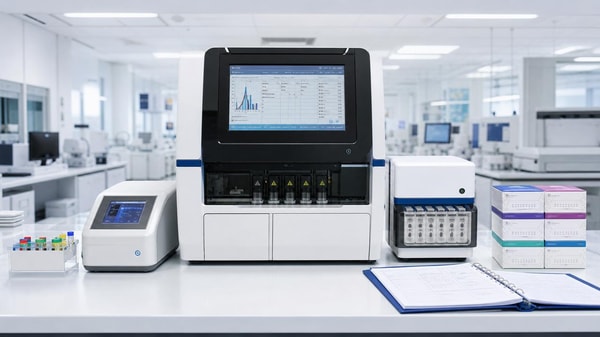
 Medical diagnostic equipment downtime often starts with calibration neglectMedical diagnostic equipment downtime often starts with missed calibration. Learn the warning signs, checklist priorities, and practical steps to prevent failures and keep healthcare operations reliable.
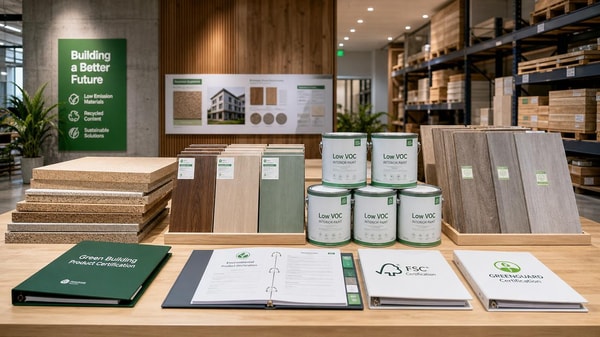
 Eco-friendly building materials are easier to specify than to sourceEco-friendly building materials are easier to specify than source. Learn how procurement teams can verify claims, reduce risk, and find reliable suppliers faster.
 Ergonomic workspace design can fail if chair fit comes lastErgonomic workspace design starts with chair fit. Learn how the right seat improves posture, comfort, and focus—and why fixing it first can transform your workspace.
 Outdoor garden supplies demand shifts faster than many expectOutdoor garden supplies demand is shifting faster than expected. Discover key B2B trends, smarter sourcing insights, and practical strategies to stay competitive and capture growth.
 Sustainable home decor sells better when materials are clearly disclosedSustainable home decor sells better when brands clearly disclose materials, finishes, and sourcing. Discover why transparency builds trust, justifies price, and drives more confident buying.
 Modern office furniture trends now favor modular over fixed layoutsModern office furniture is shifting to modular layouts for flexibility, lower lifecycle costs, and better hybrid work performance. See why enterprises are moving away from fixed office design.
 Smart street lighting projects stall when controls are overcomplicatedSmart street lighting projects often stall when controls become too complex. Learn how to simplify deployment, reduce risk, and scale citywide with practical, maintainable systems.
 Solid-state battery breakthroughs look promising, but scale is harderSolid-state battery breakthroughs promise safer, higher-density energy storage, but scaling remains the real challenge. Explore what this means for supply chains, investment, and market advantage.
 Commercial LED lighting upgrades often save less than expectedCommercial LED lighting upgrades can underdeliver when baseline data, controls, and installation costs are misjudged. Learn how to assess real savings, reduce ROI risk, and make smarter investment decisions.
 Lithium battery storage payback can change with one policy updateLithium battery storage payback can shift fast after one policy update. See how tariffs, tax credits, grid pricing, and incentives change ROI—and how finance teams can approve smarter.
 Photovoltaic solar panels now compete on output in low lightPhotovoltaic solar panels now compete on low-light output. Discover how buyers can compare yield, risk, and supplier value to source smarter and boost project returns.
 Plant-based protein processing changes texture more than many expectPlant-based protein processing reshapes texture, stability, and safety more than expected. Explore key risks, QC checkpoints, and smarter sourcing insights for consistent results.
 Foldable screen technology is improving, but crease concerns remainFoldable screen technology is evolving fast with slimmer designs and stronger hinges, but crease concerns still shape buying decisions. Explore where it matters most.
 Next-gen wireless charging still faces a heat management problemNext-gen wireless charging promises faster, more flexible power delivery, but heat remains the key barrier. Discover how thermal limits impact safety, efficiency, and market readiness.
 Wearable technology adoption drops when comfort gets overlookedWearable technology adoption falls fast when comfort is ignored. Discover how fit, materials, weight, and battery life shape long-term use and smarter buying decisions.
 Smart home devices wholesale is no longer just about low pricingSmart home devices wholesale now goes beyond low pricing. Discover how reliability, compatibility, and supply chain confidence help distributors choose profitable, trusted partners.
 Agri-PV systems make sense only when land use is planned wellAgri-PV systems deliver real value only when land use is planned well. Discover how smart site, crop, grid, and compliance decisions turn dual-use solar into a bankable, sustainable project.
 Organic fertilizers may improve soil slower, but results last longerOrganic fertilizers improve soil slowly but deliver longer-lasting results. Learn how they boost soil health, support safer growing, and help you choose the right option for sustainable planting success.
 Smart classroom solutions fail when teachers need too many appsSmart classroom solutions fail when teachers juggle too many apps. Discover why integrated, easy-to-use platforms drive adoption, ROI, and scalable learning success.









Popular Tags
Global Trade Insights & Industry
Our mission is to empower global exporters and importers with data-driven insights that foster strategic growth.
Search News
Popular Tags
Industry Overview
The global commercial kitchen equipment market is projected to reach $112 billion by 2027. Driven by urbanization, the rise of e-commerce food delivery, and strict hygiene regulations.