

3D fashion design is changing how samples get approved
3D fashion design is transforming the way samples move from concept to approval, helping teams visualize fit, materials, and details before physical production begins. For operators and daily users, this shift means faster feedback, fewer revisions, and smoother collaboration across the supply chain. As digital tools become more practical and accessible, understanding how 3D fashion design improves approval workflows is becoming essential for staying efficient and competitive.
Why scenario differences matter in sample approval
Not every approval process fails for the same reason. In one company, delays come from repeated fit changes. In another, the bottleneck is communication between design, merchandising, and overseas factories. In fast-moving categories, the real issue may be speed to market, while in premium categories it may be accurate material presentation. That is why 3D fashion design should not be evaluated as a generic innovation. It should be judged by scenario, workflow pressure, user role, and the type of product being approved.
For operators and practical users, this is especially important. A digital tool may look impressive in a demo, but the real value appears only when it solves daily approval problems: too many sample rounds, unclear comments, repeated measurement misunderstandings, or expensive courier cycles. In these cases, 3D fashion design becomes more than a visualization tool. It becomes an operational layer that helps teams reduce waste, improve accuracy, and keep decisions moving.
Across the broader trade and supply chain environment, businesses also need stronger digital trust signals. Buyers want confidence before committing to production, suppliers want fewer approval disputes, and sourcing teams want traceable decisions. In that context, 3D fashion design supports not only product development but also the data-driven, visibility-focused approach that modern B2B ecosystems increasingly demand.
Where 3D fashion design creates the most value
The strongest use cases for 3D fashion design usually appear in workflows where sample approval is frequent, cross-border, time-sensitive, or highly iterative. Below is a practical comparison of common business scenarios and what users should focus on in each one.
Typical application scenarios operators encounter
1. Fast fashion teams that need approvals in days, not weeks
In fast fashion, the approval goal is rarely perfection on the first pass. The goal is to make reliable decisions quickly enough to protect launch timing. Here, 3D fashion design is valuable because it reduces dependence on early physical samples for every concept. Designers can present shape, colorways, graphics placement, and initial fit direction digitally, while technical teams can flag construction issues before a sample is cut.
For operators, success in this scenario depends on standardization. If every style uses different naming rules, comment methods, or measurement logic, digital speed disappears. Teams should define review checkpoints, such as concept approval, fit intent approval, and pre-sample technical sign-off. In fast fashion, 3D fashion design works best when it supports a repeatable process rather than a one-off creative exercise.
2. Supplier-buyer collaboration across countries and time zones
Global sourcing teams often lose time because feedback arrives in fragments. A buyer says the sleeve looks too full, a factory asks which point of measure changed, and a merchandiser forwards screenshots without context. In this scenario, 3D fashion design helps by creating a shared visual language. Instead of debating general impressions, teams can review a single digital model, annotate exact areas, and compare versions with less ambiguity.
This scenario is highly relevant to international trade platforms and supply chain intelligence environments, where visibility and alignment are strategic assets. If a supplier can communicate design intent clearly and quickly, it improves responsiveness and trust. For daily users, the key question is not whether the tool looks advanced, but whether it reduces rework between the brand office, the agent, and the factory sample room.
3. Customized, small-batch, or private-label programs
When orders involve custom trims, logo placement, color combinations, or buyer-specific details, physical sampling can become expensive very quickly. 3D fashion design offers a practical filter. It lets teams validate what is being requested before producing a special sample that may need immediate changes. This is useful for both exporters serving multiple overseas clients and importers managing several product variants at once.
Operators in this environment should pay close attention to input accuracy. A digital approval is only as useful as the data behind it. If the trim library is incomplete or the pattern parameters are entered incorrectly, the visual can create false confidence. In custom programs, 3D fashion design should be tied to strong version control and explicit approval records.
4. Premium collections where visual quality matters more than sheer speed
Higher-end categories often involve fewer styles, more detail, and stricter brand expectations. In these cases, 3D fashion design supports early alignment on shape, drape direction, balance, and feature placement. It may not fully replace physical touch and luxury fabric review, but it can reduce the number of unnecessary prototype rounds before a refined sample is made.
For operators, this is a scenario where realism matters. Teams should test how well the software represents texture, weight behavior, layering, and finishing details. If the goal is premium approval, the digital asset must communicate quality, not just geometry. That means stronger material libraries, disciplined rendering standards, and clear limits on what can and cannot be approved digitally.
Different users focus on different approval outcomes
Even within the same company, 3D fashion design serves different needs. A designer may care about silhouette and concept expression. A technical designer may focus on fit balance and measurement logic. A sourcing user may care more about reducing sample cost and compressing timelines. This is why adoption often fails when companies buy around features instead of user workflows.
How to judge whether your scenario is a good fit
A company does not need to be large or fully digital to benefit from 3D fashion design. But it does need the right operational conditions. The strongest candidates usually face one or more of these pressures: high sample volume, global supplier coordination, frequent revisions, rising development costs, or demand for faster launches. If those pressures are absent, the business case may be weaker in the short term.
Operators can use a simple scenario-based test. First, ask whether early visual decisions are currently causing delays. Second, identify whether approval comments are often misunderstood. Third, check if sample shipping, remake costs, or fit review cycles are increasing. If the answer is yes to several of these, 3D fashion design is likely worth piloting in a defined workflow rather than across the whole organization at once.
A smart starting point is one category, one supplier group, or one collection segment. This creates measurable results and gives users time to adapt. It also prevents a common mistake: treating digital adoption as a software rollout instead of a process redesign.
Common misjudgments and overlooked issues
One frequent misjudgment is assuming that 3D fashion design will eliminate all physical samples immediately. In reality, most companies use it first to reduce sample rounds, improve communication, and approve more confidently before final prototypes. Another mistake is focusing only on rendering quality. A beautiful image does not guarantee useful approval if fit settings, grading logic, or material behavior are wrong.
Another overlooked issue is user readiness. Operators need practical workflows, not just access to the platform. If comments are still sent through disconnected email chains, or if factories receive incomplete digital assets, the approval process remains fragmented. 3D fashion design creates value when the process around it is disciplined: version naming, comment ownership, milestone reviews, and clear approval criteria.
Companies should also be careful not to apply the same expectations to every product type. A simple knit top and a complex outerwear style do not demand the same level of digital accuracy. Scenario-based adoption is more realistic and more cost-effective than trying to force one method across every line at once.
Practical adoption advice for daily users
If you are a user or operator involved in approvals, the best way to approach 3D fashion design is to map it to real tasks. Identify where your current process loses time, where misunderstandings happen, and which approvals could move forward digitally. Then define what “good” looks like for your team: fewer remake requests, shorter review cycles, faster supplier feedback, or more accurate internal sign-off.
Next, build a small but consistent operating method. Standardize file names, decide who owns comments, set deadlines for each review stage, and document which elements can be approved digitally versus physically. This makes 3D fashion design operational rather than experimental. It also gives management a clearer picture of return on effort, which is essential in today’s data-focused trade environment.
For businesses active in global B2B markets, strong digital approval capability can also support broader competitiveness. Faster response, clearer collaboration, and better presentation of product intent all contribute to credibility. In a landscape where visibility, trust, and operational intelligence matter, these process improvements are not isolated technical gains. They are part of a stronger market position.
Final takeaway: match 3D fashion design to the right scenario
The real question is not whether 3D fashion design is changing sample approval. It clearly is. The more useful question is where it changes approval in a way that fits your workflow, users, and product category. Fast fashion teams may use it for speed. Global sourcing teams may use it for alignment. Custom programs may use it for pre-validation. Premium categories may use it for refined early review.
If you want better results, evaluate your actual scenario first. Look at approval delays, revision patterns, supplier communication quality, and sample cost pressure. From there, pilot 3D fashion design where it can solve a real operational problem. That approach is more practical, more scalable, and far more likely to deliver measurable approval gains across the supply chain.
Recommended News
 Portable oxygen concentrators are quieter now, but not always lighterPortable oxygen concentrators are getting quieter, but not always lighter. Explore the trade-offs in weight, battery life, comfort, and daily usability before you compare today’s top options.
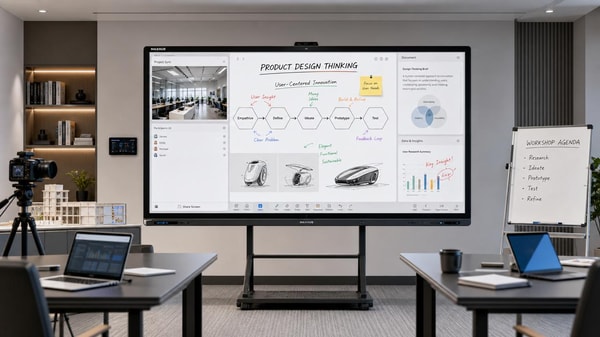
 Interactive whiteboards are improving, but software still decides valueInteractive whiteboards deliver real value when software matches the scenario. Explore how usability, integration, security, and updates shape smarter buying decisions.
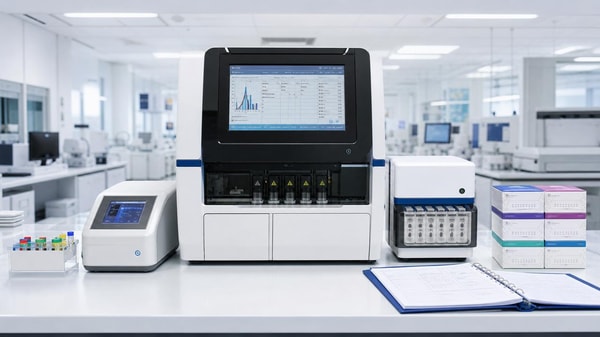
 Medical diagnostic equipment downtime often starts with calibration neglectMedical diagnostic equipment downtime often starts with missed calibration. Learn the warning signs, checklist priorities, and practical steps to prevent failures and keep healthcare operations reliable.
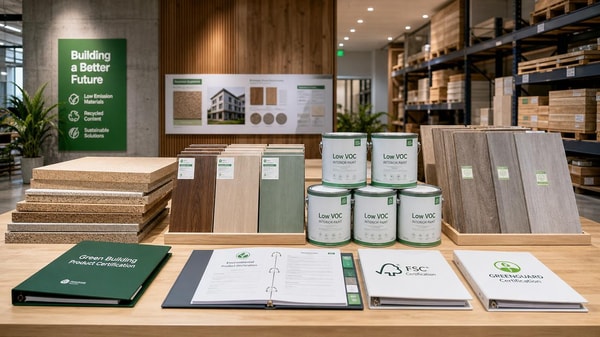
 Eco-friendly building materials are easier to specify than to sourceEco-friendly building materials are easier to specify than source. Learn how procurement teams can verify claims, reduce risk, and find reliable suppliers faster.
 Ergonomic workspace design can fail if chair fit comes lastErgonomic workspace design starts with chair fit. Learn how the right seat improves posture, comfort, and focus—and why fixing it first can transform your workspace.
 Outdoor garden supplies demand shifts faster than many expectOutdoor garden supplies demand is shifting faster than expected. Discover key B2B trends, smarter sourcing insights, and practical strategies to stay competitive and capture growth.
 Sustainable home decor sells better when materials are clearly disclosedSustainable home decor sells better when brands clearly disclose materials, finishes, and sourcing. Discover why transparency builds trust, justifies price, and drives more confident buying.
 Modern office furniture trends now favor modular over fixed layoutsModern office furniture is shifting to modular layouts for flexibility, lower lifecycle costs, and better hybrid work performance. See why enterprises are moving away from fixed office design.
 Smart street lighting projects stall when controls are overcomplicatedSmart street lighting projects often stall when controls become too complex. Learn how to simplify deployment, reduce risk, and scale citywide with practical, maintainable systems.
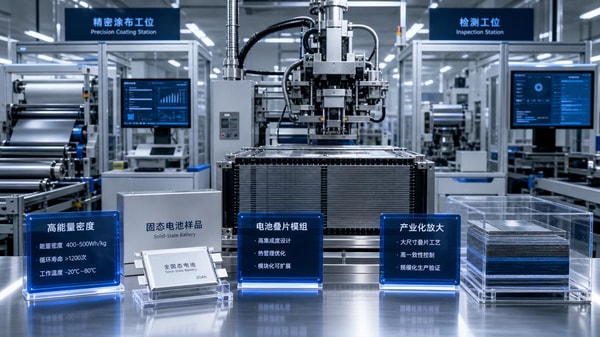
 Solid-state battery breakthroughs look promising, but scale is harderSolid-state battery breakthroughs promise safer, higher-density energy storage, but scaling remains the real challenge. Explore what this means for supply chains, investment, and market advantage.
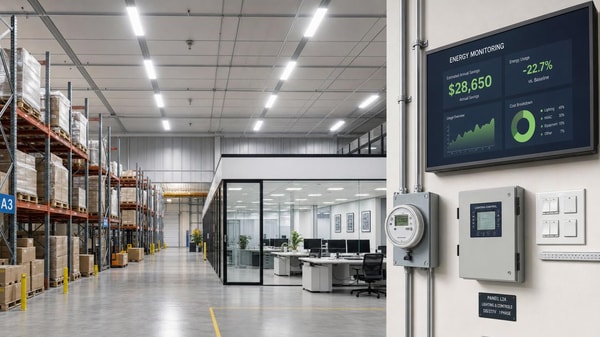
 Commercial LED lighting upgrades often save less than expectedCommercial LED lighting upgrades can underdeliver when baseline data, controls, and installation costs are misjudged. Learn how to assess real savings, reduce ROI risk, and make smarter investment decisions.
 Lithium battery storage payback can change with one policy updateLithium battery storage payback can shift fast after one policy update. See how tariffs, tax credits, grid pricing, and incentives change ROI—and how finance teams can approve smarter.
 Photovoltaic solar panels now compete on output in low lightPhotovoltaic solar panels now compete on low-light output. Discover how buyers can compare yield, risk, and supplier value to source smarter and boost project returns.
 Plant-based protein processing changes texture more than many expectPlant-based protein processing reshapes texture, stability, and safety more than expected. Explore key risks, QC checkpoints, and smarter sourcing insights for consistent results.
 Foldable screen technology is improving, but crease concerns remainFoldable screen technology is evolving fast with slimmer designs and stronger hinges, but crease concerns still shape buying decisions. Explore where it matters most.
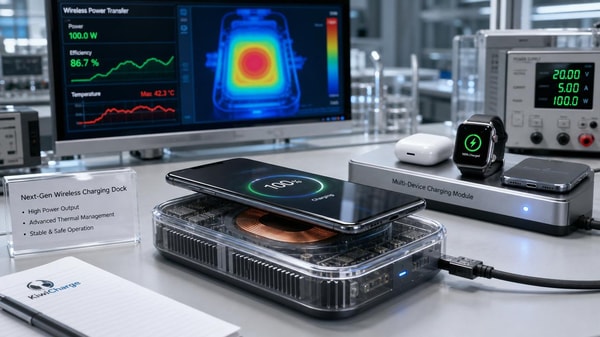
 Next-gen wireless charging still faces a heat management problemNext-gen wireless charging promises faster, more flexible power delivery, but heat remains the key barrier. Discover how thermal limits impact safety, efficiency, and market readiness.
 Wearable technology adoption drops when comfort gets overlookedWearable technology adoption falls fast when comfort is ignored. Discover how fit, materials, weight, and battery life shape long-term use and smarter buying decisions.
 Smart home devices wholesale is no longer just about low pricingSmart home devices wholesale now goes beyond low pricing. Discover how reliability, compatibility, and supply chain confidence help distributors choose profitable, trusted partners.
 Agri-PV systems make sense only when land use is planned wellAgri-PV systems deliver real value only when land use is planned well. Discover how smart site, crop, grid, and compliance decisions turn dual-use solar into a bankable, sustainable project.
 Organic fertilizers may improve soil slower, but results last longerOrganic fertilizers improve soil slowly but deliver longer-lasting results. Learn how they boost soil health, support safer growing, and help you choose the right option for sustainable planting success.
 Smart classroom solutions fail when teachers need too many appsSmart classroom solutions fail when teachers juggle too many apps. Discover why integrated, easy-to-use platforms drive adoption, ROI, and scalable learning success.















Popular Tags
Global Trade Insights & Industry
Our mission is to empower global exporters and importers with data-driven insights that foster strategic growth.
Search News
Popular Tags
Industry Overview
The global commercial kitchen equipment market is projected to reach $112 billion by 2027. Driven by urbanization, the rise of e-commerce food delivery, and strict hygiene regulations.