

Recycled Polyester Fabrics: What Changes After Repeated Washing?
Recycled polyester fabrics are praised for sustainability and everyday durability, but how do they really perform after repeated washing? For consumers choosing eco-friendly clothing, bedding, or home textiles, understanding how texture, shape retention, color, and comfort may change over time is essential. This article explores what repeated laundering can reveal about quality, care, and long-term value.
A checklist approach is the fastest way to judge recycled polyester fabrics because wash performance is rarely defined by one feature alone. A fabric may keep its color but lose softness, or resist shrinkage while developing static and pilling. For end consumers, the smartest decision is not simply asking whether recycled polyester is “good” or “bad,” but learning which indicators show lasting value after 10, 20, or even 50 wash cycles. The points below help you evaluate quality before buying, monitor changes after washing, and choose products that truly balance sustainability, comfort, and durability.
Start Here: The First Things to Check Before You Judge Wash Performance
Before focusing on repeated washing, prioritize the factors that have the biggest influence on how recycled polyester fabrics age in real life. Fiber source, yarn structure, fabric density, finishing treatments, and blend composition all affect what happens in the laundry. In other words, two products made from recycled polyester can behave very differently over time.
- Check whether the item is 100% recycled polyester or a blend. Cotton-polyester blends may feel softer at first, while elastane blends may stretch more but can lose recovery faster.
- Look at the intended use. Activewear, outerwear lining, bedding, and upholstery fabrics face different wash stress levels.
- Read the care label carefully. A product that requires cold washing, low spin, or no fabric softener may be more sensitive than it appears.
- Inspect surface texture before first wash. A very brushed or loosely knitted surface may be more prone to pilling.
- Notice claims such as moisture wicking, anti-odor, wrinkle resistance, or quick dry. These finishes may weaken over repeated laundering.
This first screening matters because many complaints about recycled polyester fabrics are actually linked to fabric construction or finishing quality, not the recycled content itself.
Core Checklist: What Usually Changes After Repeated Washing?
When you want to evaluate recycled polyester fabrics objectively, use a practical checklist instead of relying on first impressions. The most common changes appear in five areas: hand feel, shape retention, appearance, performance, and maintenance behavior.
1. Texture and Hand Feel
Repeated washing can make some recycled polyester fabrics feel either softer or rougher depending on the fiber processing and fabric finish. Softening is common when surface coatings gradually wash away. Roughness may appear if the yarn ends rise to the surface or if the fabric develops micro-pilling. For clothing, this is especially noticeable around the collar, cuffs, and underarm area. For bedding, it often becomes clear after several full-machine wash cycles.
2. Shape Retention and Stretch Recovery
One of the strengths of polyester, including recycled polyester fabrics, is generally good dimensional stability. Most quality items do not shrink dramatically like some natural fibers. However, shape retention can still decline if the knit is loose, if heat exposure is too high, or if the item includes elastane. Consumers should watch for twisted side seams, stretched knees, loose necklines, or warped hems. These are stronger indicators of long-term quality than simple shrinkage alone.
3. Color Retention and Visual Freshness
Many recycled polyester fabrics hold color well because polyester fibers can be dyed effectively. Even so, repeated washing may dull brightness, especially in dark shades and printed designs. Poor detergent choice, hard water, over-drying, and excessive washing temperature can accelerate fading. If you buy bright sportswear, printed home textiles, or dark fashion basics, visual aging may become more important than structural aging.
4. Pilling, Snagging, and Surface Wear
This is one of the most overlooked issues. Recycled polyester fabrics can be durable in terms of strength, yet still look older sooner if the surface pills. Pilling often results from friction during wear and washing, not just weak material. Low-cost fleece, brushed knits, and softer casual fabrics are especially vulnerable. Snagging is another concern in lightweight woven garments and household textiles exposed to zippers, hooks, or rough wash loads.
5. Comfort, Breathability, and Static
Some consumers notice that recycled polyester fabrics become less comfortable after many washes, while others find no major change. The difference often comes from finish loss. Moisture-management treatments, anti-static coatings, or soft-touch finishes may gradually reduce in effectiveness. This can leave the fabric feeling clingier, less breathable, or more likely to build static in dry weather.
Quick Judgment Table: What to Watch and What It Usually Means
Use the table below as a fast reference when comparing recycled polyester fabrics or reviewing products you already own.
Different Use Cases Require Different Priorities
Not all recycled polyester fabrics should be judged by the same standards. Consumers often make better decisions when they match the checklist to the product category rather than applying one general rule.
For Clothing
Focus on pilling resistance, odor retention, static, and shape stability. Shirts, leggings, jackets, and casual wear are exposed to body oils, frequent motion, and repeated laundering. If the item is for everyday use, durability of comfort matters just as much as durability of structure.
For Activewear
Prioritize moisture management, stretch recovery, and odor behavior. Active recycled polyester fabrics may still look intact after many washes, but if they stop wicking sweat efficiently, the real performance value has dropped. Pay special attention to care instructions, because heat can shorten the life of elastic and technical finishes.
For Bedding and Home Textiles
Watch softness, noise level, wrinkle behavior, and long-term surface smoothness. Sheets, pillow covers, and duvet fabrics are judged closely by touch. Recycled polyester fabrics in home use should remain comfortable after frequent washing, not just maintain color or survive machine cycles.
For Outerwear and Utility Textiles
Water resistance, wind resistance, coating durability, and seam integrity are the main concerns. In these products, repeated washing may reduce technical function before consumers notice obvious visual damage.
Commonly Missed Risk Signals Consumers Should Not Ignore
- A fabric feels excellent in the store but changes quickly after three to five washes. This often points to a temporary finishing effect rather than naturally stable quality.
- The item looks fine, but comfort declines. Recycled polyester fabrics may maintain shape while losing breathability, softness, or anti-static performance.
- Dryer use is treated as harmless. In reality, high heat can speed up surface wear, affect fit, and reduce finish life.
- Consumers assume all recycled polyester performs the same. Quality depends heavily on manufacturing standards, yarn engineering, and finishing controls.
- Environmental value is judged only by recycled content. Long service life is also part of sustainability. A product that wears out early may not deliver the best overall value.
Practical Washing Tips to Help Recycled Polyester Fabrics Last Longer
If your goal is to preserve recycled polyester fabrics, care habits matter almost as much as product quality. Repeated washing reveals weaknesses, but poor laundry practices can create or exaggerate those weaknesses.
- Wash in cold or cool water unless the care label clearly recommends otherwise.
- Use a gentle cycle for lightweight garments, brushed fabrics, and activewear.
- Turn garments inside out to reduce friction, pilling, and print damage.
- Avoid overloading the machine, which increases abrasion and twisting.
- Use mild detergent and avoid excessive softener, especially on moisture-wicking products.
- Air dry when possible, or use low heat to reduce finish breakdown and shape distortion.
- Separate rough items such as denim, towels, or zippered clothing from more delicate recycled polyester fabrics.
How to Decide Whether a Product Still Offers Good Long-Term Value
For consumers, the best judgment standard is not perfection after washing, but balanced performance. A worthwhile product made from recycled polyester fabrics should still feel acceptable, fit properly, and look presentable after regular use. Minor softness shifts or slight color mellowing are normal. Serious pilling, warped shape, persistent static, and fast comfort loss are stronger warning signs.
When comparing products, ask simple value questions: Does this fabric still do its job after frequent laundering? Does it still feel comfortable against the skin? Does it keep a clean appearance with normal care? Does the sustainability claim align with actual service life? These questions help separate marketing language from practical quality.
FAQ: Fast Answers About Recycled Polyester Fabrics and Washing
Do recycled polyester fabrics shrink after washing?
Usually less than many natural fibers, but heat and poor construction can still affect fit and shape.
Why do some recycled polyester fabrics pill quickly?
Pilling is often caused by friction, yarn structure, and surface finish, not simply because the polyester is recycled.
Can repeated washing reduce performance features?
Yes. Moisture-wicking, anti-static, soft-touch, and water-repellent finishes may decline over time.
Are recycled polyester fabrics worth buying for daily use?
Yes, if you choose well-made products, match the fabric to the use case, and follow proper care instructions.
Final Buying and Evaluation Checklist
Before purchasing or replacing items made from recycled polyester fabrics, prioritize this final checklist: confirm the product category, review the care label, inspect surface texture, compare expected wash frequency, and evaluate whether comfort features are essential for your lifestyle. If you are buying from a brand, it is also smart to look for clear information on fabric composition, finish type, recommended care, and expected use conditions.
For buyers, retailers, or sourcing teams who need deeper product confirmation, the next step is to ask for key details first: fiber blend ratio, wash test results, pilling performance, colorfastness data, drying recommendations, and intended end-use suitability. Clear communication around these points helps ensure that recycled polyester fabrics deliver not only environmental appeal, but also dependable long-term performance and consumer trust.
Recommended News
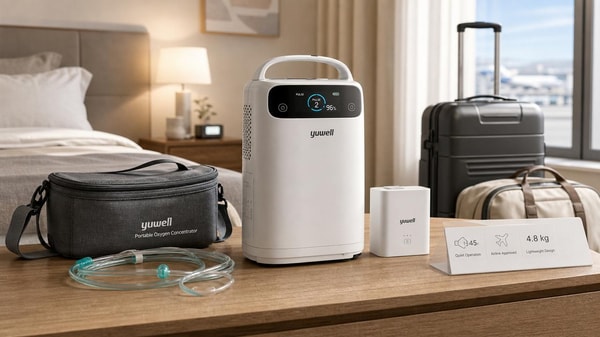
 Portable oxygen concentrators are quieter now, but not always lighterPortable oxygen concentrators are getting quieter, but not always lighter. Explore the trade-offs in weight, battery life, comfort, and daily usability before you compare today’s top options.
 Interactive whiteboards are improving, but software still decides valueInteractive whiteboards deliver real value when software matches the scenario. Explore how usability, integration, security, and updates shape smarter buying decisions.
 Medical diagnostic equipment downtime often starts with calibration neglectMedical diagnostic equipment downtime often starts with missed calibration. Learn the warning signs, checklist priorities, and practical steps to prevent failures and keep healthcare operations reliable.
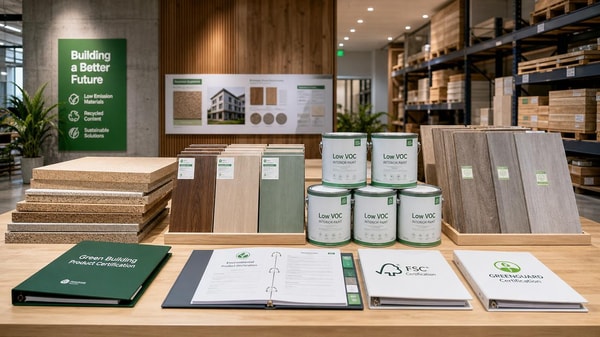
 Eco-friendly building materials are easier to specify than to sourceEco-friendly building materials are easier to specify than source. Learn how procurement teams can verify claims, reduce risk, and find reliable suppliers faster.
 Ergonomic workspace design can fail if chair fit comes lastErgonomic workspace design starts with chair fit. Learn how the right seat improves posture, comfort, and focus—and why fixing it first can transform your workspace.
 Outdoor garden supplies demand shifts faster than many expectOutdoor garden supplies demand is shifting faster than expected. Discover key B2B trends, smarter sourcing insights, and practical strategies to stay competitive and capture growth.
 Sustainable home decor sells better when materials are clearly disclosedSustainable home decor sells better when brands clearly disclose materials, finishes, and sourcing. Discover why transparency builds trust, justifies price, and drives more confident buying.
 Modern office furniture trends now favor modular over fixed layoutsModern office furniture is shifting to modular layouts for flexibility, lower lifecycle costs, and better hybrid work performance. See why enterprises are moving away from fixed office design.
 Smart street lighting projects stall when controls are overcomplicatedSmart street lighting projects often stall when controls become too complex. Learn how to simplify deployment, reduce risk, and scale citywide with practical, maintainable systems.
 Solid-state battery breakthroughs look promising, but scale is harderSolid-state battery breakthroughs promise safer, higher-density energy storage, but scaling remains the real challenge. Explore what this means for supply chains, investment, and market advantage.
 Commercial LED lighting upgrades often save less than expectedCommercial LED lighting upgrades can underdeliver when baseline data, controls, and installation costs are misjudged. Learn how to assess real savings, reduce ROI risk, and make smarter investment decisions.
 Lithium battery storage payback can change with one policy updateLithium battery storage payback can shift fast after one policy update. See how tariffs, tax credits, grid pricing, and incentives change ROI—and how finance teams can approve smarter.
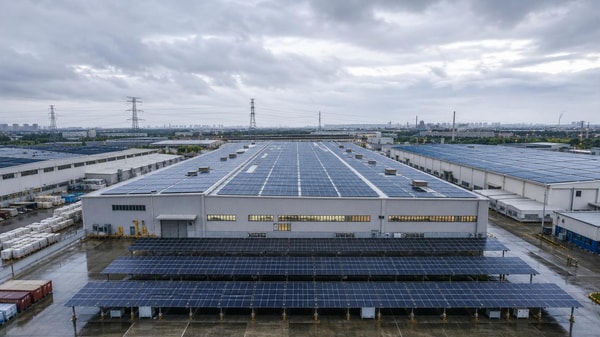
 Photovoltaic solar panels now compete on output in low lightPhotovoltaic solar panels now compete on low-light output. Discover how buyers can compare yield, risk, and supplier value to source smarter and boost project returns.
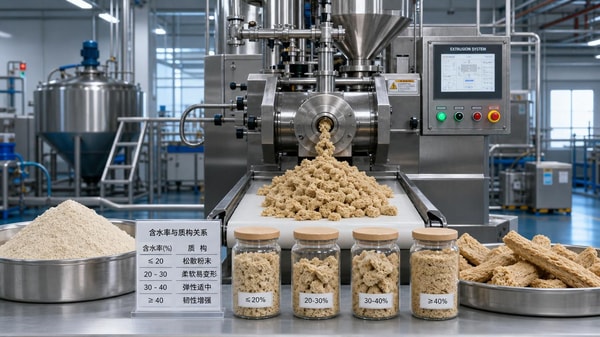
 Plant-based protein processing changes texture more than many expectPlant-based protein processing reshapes texture, stability, and safety more than expected. Explore key risks, QC checkpoints, and smarter sourcing insights for consistent results.
 Foldable screen technology is improving, but crease concerns remainFoldable screen technology is evolving fast with slimmer designs and stronger hinges, but crease concerns still shape buying decisions. Explore where it matters most.
 Next-gen wireless charging still faces a heat management problemNext-gen wireless charging promises faster, more flexible power delivery, but heat remains the key barrier. Discover how thermal limits impact safety, efficiency, and market readiness.
 Wearable technology adoption drops when comfort gets overlookedWearable technology adoption falls fast when comfort is ignored. Discover how fit, materials, weight, and battery life shape long-term use and smarter buying decisions.
 Smart home devices wholesale is no longer just about low pricingSmart home devices wholesale now goes beyond low pricing. Discover how reliability, compatibility, and supply chain confidence help distributors choose profitable, trusted partners.
 Agri-PV systems make sense only when land use is planned wellAgri-PV systems deliver real value only when land use is planned well. Discover how smart site, crop, grid, and compliance decisions turn dual-use solar into a bankable, sustainable project.
 Organic fertilizers may improve soil slower, but results last longerOrganic fertilizers improve soil slowly but deliver longer-lasting results. Learn how they boost soil health, support safer growing, and help you choose the right option for sustainable planting success.
 Smart classroom solutions fail when teachers need too many appsSmart classroom solutions fail when teachers juggle too many apps. Discover why integrated, easy-to-use platforms drive adoption, ROI, and scalable learning success.
















Popular Tags
Global Trade Insights & Industry
Our mission is to empower global exporters and importers with data-driven insights that foster strategic growth.
Search News
Popular Tags
Industry Overview
The global commercial kitchen equipment market is projected to reach $112 billion by 2027. Driven by urbanization, the rise of e-commerce food delivery, and strict hygiene regulations.