

Telemedicine Hardware Selection Gets Tricky When Home Use Is Involved
Selecting Telemedicine hardware becomes far more complex when devices are intended for home use, where reliability, ease of setup, patient safety, and regulatory compliance all directly affect purchasing decisions. For procurement professionals, the challenge is not only comparing specifications, but also evaluating scalability, connectivity, user experience, and long-term support across diverse care environments.
Why home-based care changes the procurement logic
In a clinic, trained staff can compensate for awkward interfaces, unstable accessories, or complicated workflows. In a patient’s home, that safety net disappears. This is why Telemedicine hardware selection becomes highly scenario-dependent once home use is involved. A device that performs well in a controlled hospital room may fail in a small apartment with weak Wi-Fi, limited caregiver support, and patients who are elderly, stressed, or unfamiliar with digital tools.
For procurement teams, the practical question is not simply, “Which device has the best technical specifications?” but rather, “Which Telemedicine hardware fits the intended care model, user profile, support capacity, and reimbursement pathway?” Home telehealth programs often span multiple use cases at once, including routine virtual consultations, chronic disease monitoring, post-discharge follow-up, and urgent triage. Each scenario places different pressure on camera quality, peripheral integration, battery life, infection control, logistics, and remote troubleshooting.
This is especially relevant for buyers serving distributed health networks, insurers, care platforms, medical distributors, or global sourcing teams. The wrong choice can increase return rates, reduce patient adherence, overload support teams, and create hidden replacement costs. The right choice improves adoption, protects clinical quality, and supports scale across regional markets.
Where Telemedicine hardware is most commonly used at home
Home-based Telemedicine hardware is not one category with one buyer logic. It typically appears in several operational settings, each with different risk levels and service expectations. Procurement decisions become easier when these scenarios are separated early.
Scenario 1: Routine video consultations need simplicity more than sophistication
For general consultations at home, buyers often overemphasize premium features and underestimate setup friction. In this scenario, Telemedicine hardware should reduce steps, not add them. Patients may only need a reliable video endpoint with clear audio, secure login, and minimal configuration. If a device requires pairing multiple accessories, downloading updates manually, or navigating a complex menu, attendance rates can fall quickly.
Procurement teams should prioritize intuitive interfaces, strong microphone pickup, stable cameras under varied home lighting, and compatibility with major telehealth platforms. For multilingual or aging patient populations, larger on-screen prompts and remote device management are often more valuable than advanced clinical peripherals. In this scenario, the best Telemedicine hardware is often the hardware that disappears into the care process rather than dominating it.
Best-fit indicators
Choose solutions that support one-touch launch, automated updates, and remote diagnostics. If your service model involves high appointment volume and low acuity, every extra minute of patient setup becomes an operating cost.
Scenario 2: Chronic disease monitoring depends on data continuity and adherence
In remote monitoring programs for hypertension, diabetes, COPD, or heart failure, Telemedicine hardware must do more than connect a patient to a clinician. It must collect dependable measurements over time and transfer them consistently into the care workflow. This shifts procurement focus from consumer appeal to measurement quality, device pairing stability, and alert integration.
Home-use blood pressure cuffs, thermometers, scales, pulse oximeters, and ECG-capable wearables all have different risk profiles. A procurement team should ask whether the devices are medically validated, whether they can sync automatically, and whether patients can use them correctly without in-person coaching. If adherence drops after the first week, the hardware may be technically sound but commercially ineffective.
This is also the scenario where accessories matter. Charging convenience, screen readability, onboarding instructions, battery replacement, and shipping durability all affect outcomes. Telemedicine hardware that works beautifully in demonstrations but generates inconsistent home readings may create clinical noise and undermine trust in the program.
Scenario 3: Post-discharge programs require fast deployment and escalation readiness
Patients recently discharged after surgery, cardiac events, respiratory episodes, or high-risk maternity care need a different hardware strategy. Here, speed and reliability are essential because intervention windows are short. The selected Telemedicine hardware must arrive quickly, work immediately, and support early warning signs before complications escalate.
Procurement professionals should assess pre-configured kits, packaging quality, and support model responsiveness. A modular kit may look efficient on paper, but if assembly confuses patients or caregivers, the first days of recovery can be lost. In this scenario, plug-and-play design, printed quick-start guides, and live support availability become major purchasing criteria.
Another key factor is escalation workflow. If the hardware detects abnormal readings, how quickly can data move into clinical review? Does the vendor support integration with care management platforms? Post-discharge telehealth often fails not because the Telemedicine hardware is weak, but because the end-to-end response system is slow.
Scenario 4: Behavioral health requires privacy, comfort, and low technical burden
Behavioral health, counseling, and speech therapy create a different decision frame. In these use cases, the most important part of Telemedicine hardware is not peripheral complexity but communication quality and emotional usability. Patients may abandon care if the platform feels intrusive, unstable, or difficult to access in private settings.
Buyers should focus on audio clarity, noise handling, camera positioning flexibility, encrypted sessions, and discreet form factors. A home device that is too medical in appearance may reduce comfort or create stigma in shared households. Unlike acute monitoring scenarios, successful deployment here often depends on trust, simplicity, and consistent session quality more than sensor diversity.
Scenario 5: Rural and low-connectivity households need resilient Telemedicine hardware
Not all home users have strong broadband, stable electricity, or immediate technical support. For rural programs, cross-border deployments, and underserved populations, Telemedicine hardware should be evaluated for connectivity resilience rather than urban assumptions. Devices that rely entirely on continuous high-bandwidth video may underperform in the very populations telehealth is meant to reach.
Cellular-enabled gateways, low-power modes, offline data buffering, and strong battery backup can make the difference between a viable program and a failed rollout. Procurement teams should also consider shipping conditions, replacement lead times, local certification requirements, and multilingual user documentation. In many markets, the after-sales support network is as critical as the device itself.
How buyer priorities change by user type
The same Telemedicine hardware may be suitable for one user group and risky for another. Segmenting by end user helps prevent broad purchasing errors.
Common misjudgments when selecting Telemedicine hardware for home use
One common mistake is buying based on clinic-grade performance alone. Home environments introduce lighting issues, clutter, shared networks, and irregular usage behavior. Another mistake is assuming patients will complete setup independently. If your deployment model does not include onboarding support, hardware complexity becomes a direct adoption barrier.
Buyers also sometimes undervalue lifecycle cost. Lower upfront pricing can be offset by high return rates, accessory loss, battery failures, poor firmware support, or difficult warranty handling. Regulatory alignment is another overlooked area, especially for international sourcing. Telemedicine hardware used in home care may require specific certifications, cybersecurity controls, and medical data handling safeguards that vary by region.
Finally, some organizations purchase one standardized device stack for every program. Standardization has benefits, but forced uniformity can weaken outcomes if the hardware does not match the scenario. A chronic care kit should not be evaluated by the same criteria as a behavioral health device or a rural consultation unit.
A practical selection framework for procurement teams
A strong buying process for Telemedicine hardware usually follows five checkpoints. First, define the care scenario and patient profile. Second, map the minimum technical requirements, including data capture, connectivity, and platform integration. Third, test the setup experience with representative users, not internal staff alone. Fourth, compare support capability, service levels, and replacement logistics. Fifth, review compliance, cybersecurity, and market entry suitability for the regions you serve.
For organizations operating across global supply chains, this is where trusted industry intelligence becomes important. Procurement is no longer just about finding a device vendor; it is about understanding supplier stability, market maturity, evolving regulations, and long-term digital trust signals. Platforms such as GTIIN and TradeVantage help buyers screen product categories, monitor sector shifts, and identify sourcing opportunities with stronger visibility and credibility in international markets.
FAQ: scenario-based questions buyers often ask
Is consumer electronics enough for home telehealth?
Sometimes for low-acuity video visits, but not always for monitoring programs that require validated readings, secure workflows, and medical-grade reliability. The answer depends on the scenario, not the price point alone.
What is the biggest risk in home Telemedicine hardware procurement?
The biggest risk is mismatch between device capability and real-world home conditions. This includes poor connectivity, difficult setup, weak patient adherence, and limited support capacity.
Should procurement favor all-in-one kits or modular devices?
All-in-one kits are often better for rapid deployment and higher-risk programs. Modular options may work well for mature users or flexible service models. The right answer depends on whether simplicity or customization matters more in your target scenario.
Final takeaway: match the hardware to the home-care reality
When home use is involved, Telemedicine hardware should be evaluated through the lens of scenario fit, not specification lists alone. Routine consultations, chronic monitoring, post-discharge care, behavioral health, and rural outreach each demand different strengths. Procurement professionals who define the care setting first, then align usability, connectivity, compliance, and support, are far more likely to achieve sustainable outcomes.
If your organization is comparing suppliers, entering new markets, or building a broader telehealth sourcing strategy, start with a scenario map and a pilot checklist. The most effective purchase is the one that performs reliably in the patient’s actual home, supports the care team’s workflow, and scales without hidden friction.
Recommended News
 Portable oxygen concentrators are quieter now, but not always lighterPortable oxygen concentrators are getting quieter, but not always lighter. Explore the trade-offs in weight, battery life, comfort, and daily usability before you compare today’s top options.
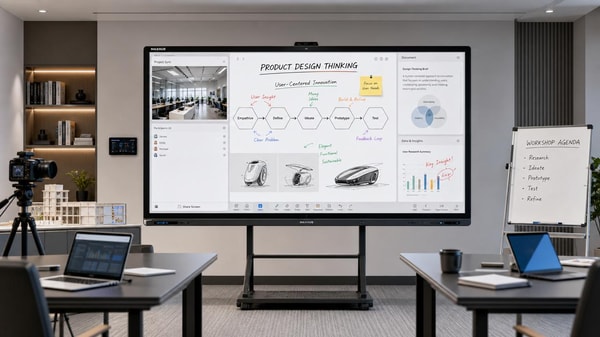
 Interactive whiteboards are improving, but software still decides valueInteractive whiteboards deliver real value when software matches the scenario. Explore how usability, integration, security, and updates shape smarter buying decisions.
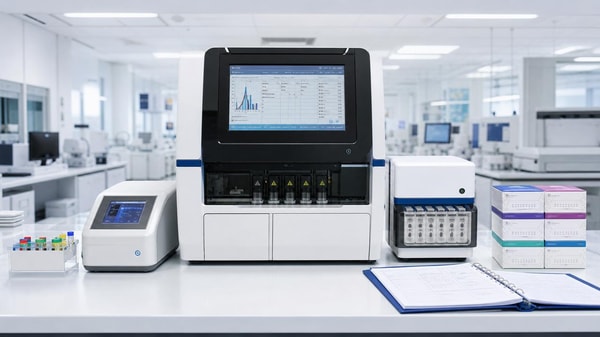
 Medical diagnostic equipment downtime often starts with calibration neglectMedical diagnostic equipment downtime often starts with missed calibration. Learn the warning signs, checklist priorities, and practical steps to prevent failures and keep healthcare operations reliable.
 Eco-friendly building materials are easier to specify than to sourceEco-friendly building materials are easier to specify than source. Learn how procurement teams can verify claims, reduce risk, and find reliable suppliers faster.
 Ergonomic workspace design can fail if chair fit comes lastErgonomic workspace design starts with chair fit. Learn how the right seat improves posture, comfort, and focus—and why fixing it first can transform your workspace.
 Outdoor garden supplies demand shifts faster than many expectOutdoor garden supplies demand is shifting faster than expected. Discover key B2B trends, smarter sourcing insights, and practical strategies to stay competitive and capture growth.
 Sustainable home decor sells better when materials are clearly disclosedSustainable home decor sells better when brands clearly disclose materials, finishes, and sourcing. Discover why transparency builds trust, justifies price, and drives more confident buying.
 Modern office furniture trends now favor modular over fixed layoutsModern office furniture is shifting to modular layouts for flexibility, lower lifecycle costs, and better hybrid work performance. See why enterprises are moving away from fixed office design.
 Smart street lighting projects stall when controls are overcomplicatedSmart street lighting projects often stall when controls become too complex. Learn how to simplify deployment, reduce risk, and scale citywide with practical, maintainable systems.
 Solid-state battery breakthroughs look promising, but scale is harderSolid-state battery breakthroughs promise safer, higher-density energy storage, but scaling remains the real challenge. Explore what this means for supply chains, investment, and market advantage.
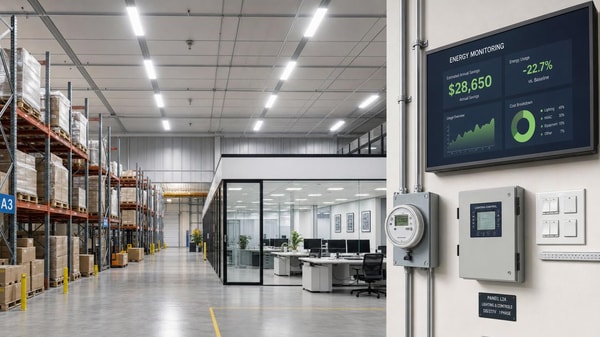
 Commercial LED lighting upgrades often save less than expectedCommercial LED lighting upgrades can underdeliver when baseline data, controls, and installation costs are misjudged. Learn how to assess real savings, reduce ROI risk, and make smarter investment decisions.
 Lithium battery storage payback can change with one policy updateLithium battery storage payback can shift fast after one policy update. See how tariffs, tax credits, grid pricing, and incentives change ROI—and how finance teams can approve smarter.
 Photovoltaic solar panels now compete on output in low lightPhotovoltaic solar panels now compete on low-light output. Discover how buyers can compare yield, risk, and supplier value to source smarter and boost project returns.
 Plant-based protein processing changes texture more than many expectPlant-based protein processing reshapes texture, stability, and safety more than expected. Explore key risks, QC checkpoints, and smarter sourcing insights for consistent results.
 Foldable screen technology is improving, but crease concerns remainFoldable screen technology is evolving fast with slimmer designs and stronger hinges, but crease concerns still shape buying decisions. Explore where it matters most.
 Next-gen wireless charging still faces a heat management problemNext-gen wireless charging promises faster, more flexible power delivery, but heat remains the key barrier. Discover how thermal limits impact safety, efficiency, and market readiness.
 Wearable technology adoption drops when comfort gets overlookedWearable technology adoption falls fast when comfort is ignored. Discover how fit, materials, weight, and battery life shape long-term use and smarter buying decisions.
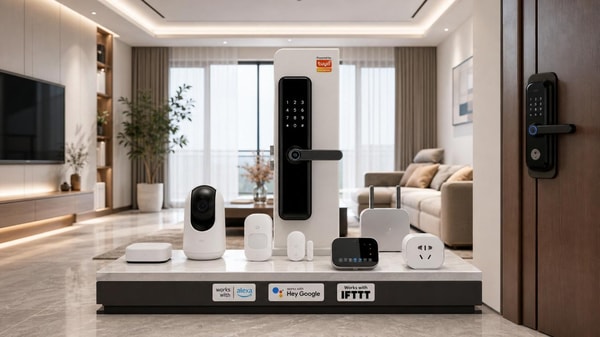
 Smart home devices wholesale is no longer just about low pricingSmart home devices wholesale now goes beyond low pricing. Discover how reliability, compatibility, and supply chain confidence help distributors choose profitable, trusted partners.
 Agri-PV systems make sense only when land use is planned wellAgri-PV systems deliver real value only when land use is planned well. Discover how smart site, crop, grid, and compliance decisions turn dual-use solar into a bankable, sustainable project.
 Organic fertilizers may improve soil slower, but results last longerOrganic fertilizers improve soil slowly but deliver longer-lasting results. Learn how they boost soil health, support safer growing, and help you choose the right option for sustainable planting success.
 Smart classroom solutions fail when teachers need too many appsSmart classroom solutions fail when teachers juggle too many apps. Discover why integrated, easy-to-use platforms drive adoption, ROI, and scalable learning success.
















Popular Tags
Global Trade Insights & Industry
Our mission is to empower global exporters and importers with data-driven insights that foster strategic growth.
Search News
Popular Tags
Industry Overview
The global commercial kitchen equipment market is projected to reach $112 billion by 2027. Driven by urbanization, the rise of e-commerce food delivery, and strict hygiene regulations.