

Telemedicine hardware works best when setup is almost invisible
Telemedicine hardware delivers the best results when clinicians and operators barely notice it. From camera placement to audio clarity and device integration, an almost invisible setup reduces friction, supports faster workflows, and improves patient interactions. For users and frontline operators, understanding how telemedicine hardware blends into daily practice is key to achieving reliable, efficient, and scalable virtual care.
Why the market is shifting toward “invisible” telemedicine hardware
A clear change is taking place across virtual care environments: users no longer judge telemedicine hardware only by technical specifications. They increasingly judge it by how little effort it demands during real work. In hospitals, outpatient clinics, urgent care sites, long-term care settings, and home-based support programs, the strongest signal is not simply more video capability. It is the demand for setups that disappear into routine operations.
This shift matters because telemedicine has moved beyond emergency adoption. In earlier phases, many organizations accepted visible cables, awkward carts, inconsistent microphones, and disconnected peripherals because remote care itself was the priority. Now the expectation is different. Operators want telemedicine hardware that starts quickly, stays stable, integrates with clinical platforms, and does not force them to become audiovisual troubleshooters.
For users on the frontline, this change affects daily performance. A camera that requires constant adjustment, a speaker that creates echo, or a device login process that interrupts patient flow does more than create irritation. It can slow triage, reduce consultation quality, increase fatigue, and weaken trust in digital care. As a result, the industry direction is moving from feature-heavy systems to workflow-sensitive telemedicine hardware.
The strongest trend signals operators are seeing on the ground
Several practical signals show why “almost invisible” telemedicine hardware is becoming the preferred direction. First, care teams are under pressure to do more with limited staff time. Second, patients expect virtual interactions to feel as natural as in-person communication. Third, IT and operations teams are being asked to support more devices across more locations without increasing support complexity at the same rate.
These signals are changing what buyers and operators value. Resolution still matters, but predictable startup behavior may matter more. Portability still matters, but easy cleaning and cable management can have greater operational impact. Advanced functionality is useful, but if it creates training burdens or more downtime, users often perceive it as a step backward rather than an upgrade.
What is driving this change in telemedicine hardware demand
The shift toward near-invisible telemedicine hardware is not based on aesthetics alone. It is the result of several converging pressures. One major driver is clinical workflow design. Remote care tools now sit inside ordinary care delivery rather than outside it. That means every extra click, every device reconnection, and every unclear audio setting directly affects throughput and attention.
Another driver is interoperability. Many organizations use scheduling platforms, electronic health record systems, digital documentation tools, peripheral diagnostic devices, and room-based communications tools. Telemedicine hardware now succeeds when it works smoothly within that ecosystem. If operators need workarounds for camera input, battery management, or peripheral pairing, the technology becomes too visible and therefore too disruptive.
A third driver is the maturing purchasing mindset. Decision-makers increasingly understand that the total value of telemedicine hardware is not just in the purchase price. It is in uptime, training effort, replacement cycle, sanitation compatibility, remote support capability, and how consistently different users can operate it under pressure. This broader view is pushing the market toward hardware that quietly supports care instead of demanding attention.
Key demand drivers behind the invisible setup trend
- Faster room readiness and shorter startup time
- Cleaner integration with carts, wall systems, and mobile stations
- Improved audio pickup in noisy or shared care spaces
- More intuitive peripheral connections for exams and monitoring
- Lower dependence on IT intervention during routine use
- Better consistency across multiple locations and operator groups
How the change affects users, operators, and care environments differently
The impact of telemedicine hardware design is not the same for every stakeholder. Frontline operators usually feel the first effects because they are the ones who position devices, connect calls, verify audio, and manage room flow. Clinicians feel the second-order effects in consultation quality and cognitive load. Patients feel the final effect through confidence, comfort, and the sense that care is organized.
For operators, invisible setup means fewer interruptions and fewer recovery steps when something goes wrong. For clinicians, it means being able to focus on interaction, assessment, and documentation rather than technology mechanics. For patients, it creates a smoother encounter in which the hardware supports communication without becoming the center of attention.
The next phase is not more hardware, but better orchestration
A useful market judgment is that future progress in telemedicine hardware will come less from adding visible components and more from orchestrating them better. In practice, that means fewer exposed accessories, better built-in audio performance, more thoughtful mounting options, simpler power management, and stronger compatibility with exam peripherals. It also means software-aware hardware that behaves consistently from room to room.
This is especially important as organizations scale virtual care. A single pilot room can tolerate inconsistency. A multi-site deployment cannot. Once telemedicine hardware expands across departments or regions, every awkward element multiplies: battery confusion, cable wear, misaligned cameras, docking failures, and unclear user prompts. That is why invisible setup is becoming a scaling strategy rather than a convenience feature.
From a broader industry perspective, this is also consistent with digital transformation trends across sectors. The most successful technologies are often those that integrate deeply while demanding less visible effort. In telemedicine, the same rule applies. The hardware that works best is often the hardware that users barely have to think about.
What users and operators should evaluate before calling a setup “efficient”
Efficiency in telemedicine hardware should be judged by real-world conditions, not by a demo environment. Users and operators should look at the full interaction cycle: room entry, device wake-up, patient positioning, clinician visibility, microphone pickup, peripheral switching, sanitation steps, and handoff to the next user. If any part of that cycle requires extra explanation, the setup may still be too visible.
It is also important to evaluate the environment itself. Lighting changes, background noise, room size, furniture placement, and network handoff all influence whether telemedicine hardware feels natural or disruptive. A system that performs well in one specialty room may underperform in a busy ward or a shared consultation area. Operators therefore need scenario-based evaluation, not only checklist-based approval.
Practical evaluation points
- Can a new operator start a session confidently with minimal instruction?
- Does the camera naturally support eye contact and clinical framing?
- Is audio clear without repeated volume or mute adjustments?
- Do connected devices remain stable during movement or room turnover?
- Can cleaning and charging happen without creating downtime?
- Is support needed only for exceptions, not for routine sessions?
Signals worth monitoring as telemedicine hardware continues to evolve
Looking ahead, several signals will help users and operators judge where telemedicine hardware is heading. One is the level of standardization across care sites. Another is how often hardware decisions are being made jointly by clinical, operational, and IT teams rather than in isolation. A third is whether vendors are focusing more on workflow fit, manageability, and serviceability instead of only promoting technical upgrades.
Users should also watch how procurement criteria change. If evaluation teams begin prioritizing setup consistency, downtime prevention, infection-control compatibility, and user adoption metrics, that is a strong sign the market is maturing. In that environment, telemedicine hardware that feels almost invisible will likely outperform more complicated alternatives over the long term.
Action guidance for organizations and frontline teams
The most useful response is not to chase every new telemedicine hardware feature. It is to identify where visibility creates friction. Organizations should map the moments when users stop focusing on care and start focusing on equipment. Those moments reveal the real barriers to adoption and scale.
For operators, the priority is feedback discipline. Document recurring setup delays, audio failures, charging problems, accessory confusion, and room-specific workarounds. For managers, the priority is pattern recognition across teams and locations. For procurement and technology leaders, the priority is selecting telemedicine hardware that reduces variation and supports reliable workflows over time.
If an organization wants to judge how these trends affect its own operations, it should focus on a few core questions: Where does the setup still demand too much attention? Which tasks require operator memory instead of intuitive design? Which environments expose the most weaknesses? And which improvements would make telemedicine hardware feel less like a system to manage and more like a natural part of care delivery? The answers to those questions will provide the clearest path toward efficient, scalable, and trusted virtual care.
Recommended News
 Portable oxygen concentrators are quieter now, but not always lighterPortable oxygen concentrators are getting quieter, but not always lighter. Explore the trade-offs in weight, battery life, comfort, and daily usability before you compare today’s top options.
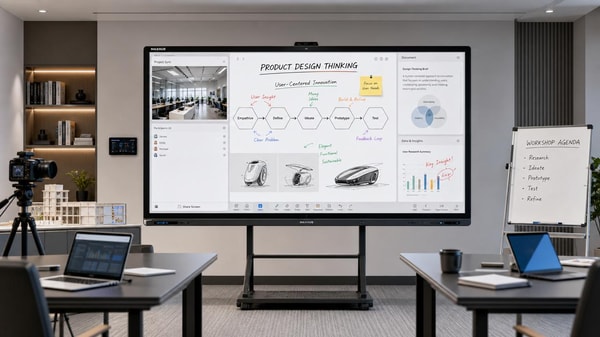
 Interactive whiteboards are improving, but software still decides valueInteractive whiteboards deliver real value when software matches the scenario. Explore how usability, integration, security, and updates shape smarter buying decisions.
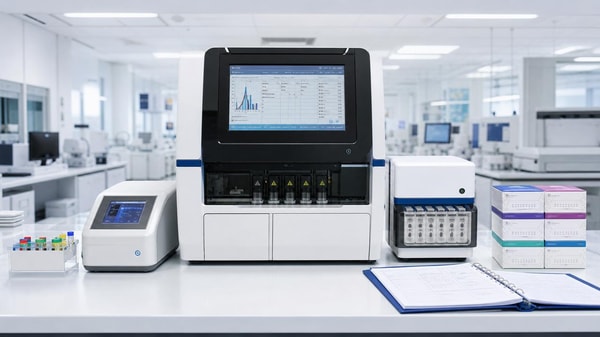
 Medical diagnostic equipment downtime often starts with calibration neglectMedical diagnostic equipment downtime often starts with missed calibration. Learn the warning signs, checklist priorities, and practical steps to prevent failures and keep healthcare operations reliable.
 Eco-friendly building materials are easier to specify than to sourceEco-friendly building materials are easier to specify than source. Learn how procurement teams can verify claims, reduce risk, and find reliable suppliers faster.
 Ergonomic workspace design can fail if chair fit comes lastErgonomic workspace design starts with chair fit. Learn how the right seat improves posture, comfort, and focus—and why fixing it first can transform your workspace.
 Outdoor garden supplies demand shifts faster than many expectOutdoor garden supplies demand is shifting faster than expected. Discover key B2B trends, smarter sourcing insights, and practical strategies to stay competitive and capture growth.
 Sustainable home decor sells better when materials are clearly disclosedSustainable home decor sells better when brands clearly disclose materials, finishes, and sourcing. Discover why transparency builds trust, justifies price, and drives more confident buying.
 Modern office furniture trends now favor modular over fixed layoutsModern office furniture is shifting to modular layouts for flexibility, lower lifecycle costs, and better hybrid work performance. See why enterprises are moving away from fixed office design.
 Smart street lighting projects stall when controls are overcomplicatedSmart street lighting projects often stall when controls become too complex. Learn how to simplify deployment, reduce risk, and scale citywide with practical, maintainable systems.
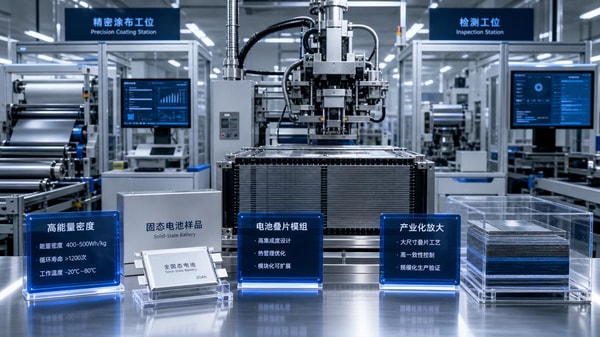
 Solid-state battery breakthroughs look promising, but scale is harderSolid-state battery breakthroughs promise safer, higher-density energy storage, but scaling remains the real challenge. Explore what this means for supply chains, investment, and market advantage.
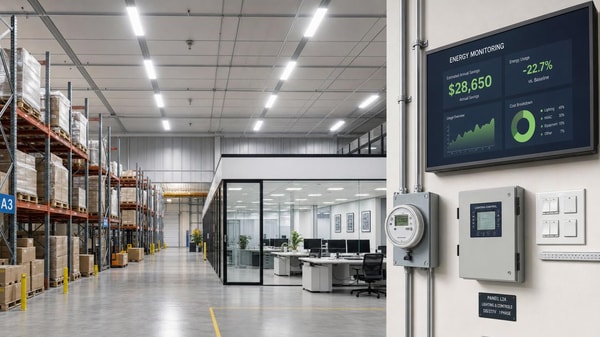
 Commercial LED lighting upgrades often save less than expectedCommercial LED lighting upgrades can underdeliver when baseline data, controls, and installation costs are misjudged. Learn how to assess real savings, reduce ROI risk, and make smarter investment decisions.
 Lithium battery storage payback can change with one policy updateLithium battery storage payback can shift fast after one policy update. See how tariffs, tax credits, grid pricing, and incentives change ROI—and how finance teams can approve smarter.
 Photovoltaic solar panels now compete on output in low lightPhotovoltaic solar panels now compete on low-light output. Discover how buyers can compare yield, risk, and supplier value to source smarter and boost project returns.
 Plant-based protein processing changes texture more than many expectPlant-based protein processing reshapes texture, stability, and safety more than expected. Explore key risks, QC checkpoints, and smarter sourcing insights for consistent results.
 Foldable screen technology is improving, but crease concerns remainFoldable screen technology is evolving fast with slimmer designs and stronger hinges, but crease concerns still shape buying decisions. Explore where it matters most.
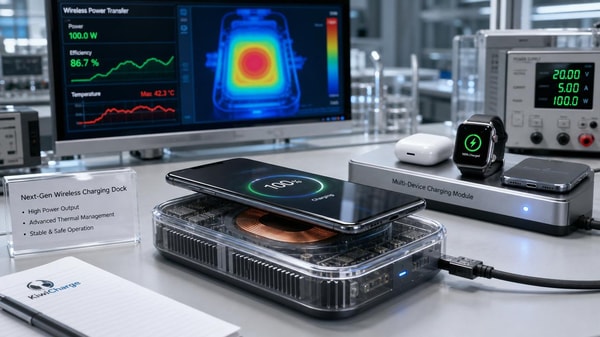
 Next-gen wireless charging still faces a heat management problemNext-gen wireless charging promises faster, more flexible power delivery, but heat remains the key barrier. Discover how thermal limits impact safety, efficiency, and market readiness.
 Wearable technology adoption drops when comfort gets overlookedWearable technology adoption falls fast when comfort is ignored. Discover how fit, materials, weight, and battery life shape long-term use and smarter buying decisions.
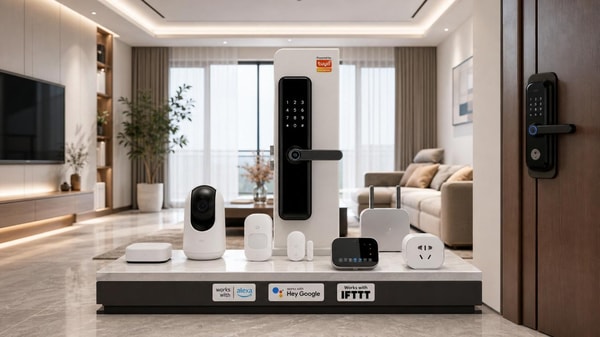
 Smart home devices wholesale is no longer just about low pricingSmart home devices wholesale now goes beyond low pricing. Discover how reliability, compatibility, and supply chain confidence help distributors choose profitable, trusted partners.
 Agri-PV systems make sense only when land use is planned wellAgri-PV systems deliver real value only when land use is planned well. Discover how smart site, crop, grid, and compliance decisions turn dual-use solar into a bankable, sustainable project.
 Organic fertilizers may improve soil slower, but results last longerOrganic fertilizers improve soil slowly but deliver longer-lasting results. Learn how they boost soil health, support safer growing, and help you choose the right option for sustainable planting success.
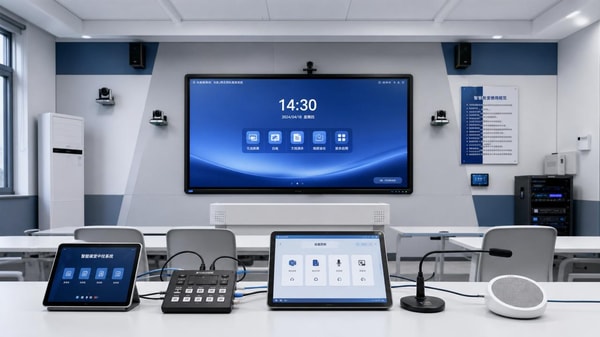
 Smart classroom solutions fail when teachers need too many appsSmart classroom solutions fail when teachers juggle too many apps. Discover why integrated, easy-to-use platforms drive adoption, ROI, and scalable learning success.














Popular Tags
Global Trade Insights & Industry
Our mission is to empower global exporters and importers with data-driven insights that foster strategic growth.
Search News
Popular Tags
Industry Overview
The global commercial kitchen equipment market is projected to reach $112 billion by 2027. Driven by urbanization, the rise of e-commerce food delivery, and strict hygiene regulations.