

What Affects Cement Price Most in 2026?
In 2026, cement price trends will be shaped by far more than raw materials alone. From energy costs and carbon rules to logistics, construction demand, and global trade shifts, buyers need sharper insights to plan ahead. As a leading business intelligence platform and online trade platform, GTIIN helps procurement teams, project leaders, and decision-makers track the key forces driving cement markets with confidence.
For most buyers, the short answer is this: energy and carbon-related costs are likely to affect cement price most in 2026, but they will not act alone. Freight volatility, regional construction demand, plant utilization, government policy, and supply chain disruptions can quickly change local pricing. For procurement leaders and project teams, the real challenge is not identifying one factor in isolation, but understanding which factor matters most in a specific market, contract period, and delivery route.
If you are sourcing for infrastructure, construction materials distribution, industrial use, or project delivery, the most practical approach is to monitor cement prices through a multi-factor lens. That means looking at fuel, electricity, emissions compliance, transport, demand cycles, and producer capacity together rather than relying only on clinker or raw material trends.
What will affect cement price most in 2026?
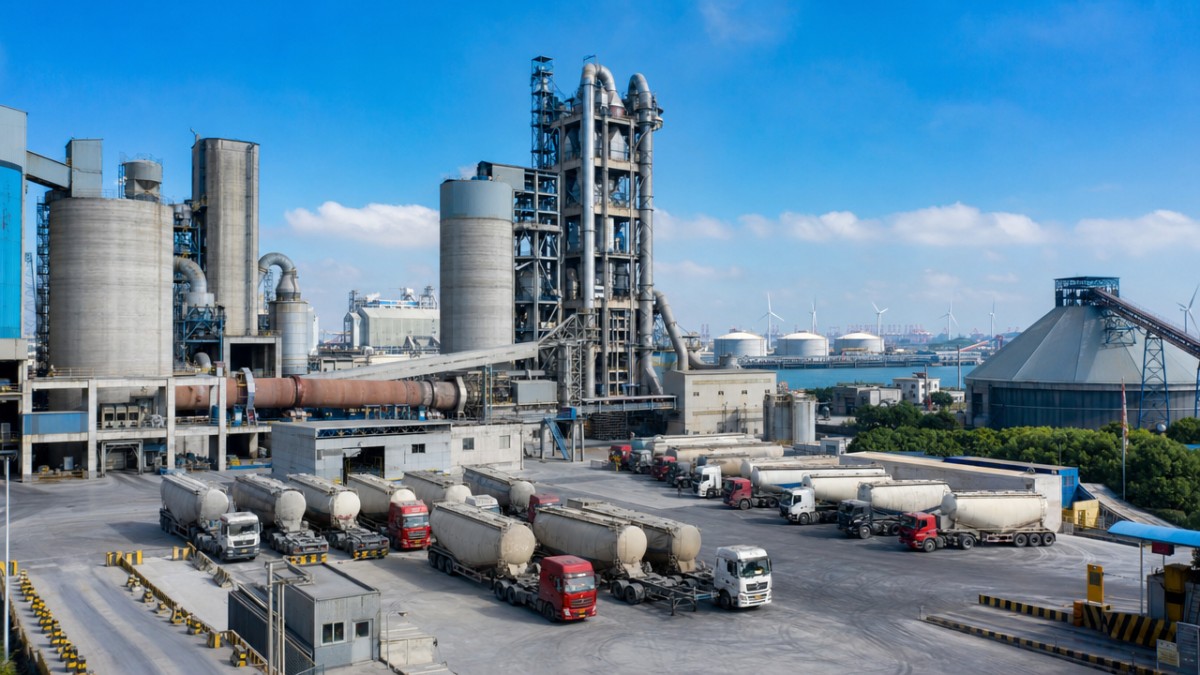
The biggest influence on cement price in 2026 is expected to be the combined pressure of energy costs and carbon regulation. Cement production is highly energy-intensive, especially during clinker manufacturing. When coal, petcoke, natural gas, or electricity prices rise, production costs move quickly. In markets with stricter emissions rules, carbon costs can add another layer of pressure that directly changes ex-works pricing.
However, this is not a one-size-fits-all answer. In some regions, transportation may have a bigger immediate impact than kiln fuel. In others, weak construction demand may suppress pricing even if costs are rising. That is why buyers should think in terms of primary drivers and local amplifiers:
- Primary drivers: energy, carbon costs, and cement demand
- Local amplifiers: freight, import dependence, policy shifts, plant outages, and seasonal construction cycles
For decision-makers, the practical takeaway is clear: the strongest pricing force in 2026 will come from production economics, but final landed cost will still depend heavily on where and how the cement is sourced.
Why energy costs matter more than many buyers expect
Among all cost components, energy often has the fastest and broadest effect on cement pricing. Cement manufacturers depend on steady thermal energy for clinker production and significant electricity for grinding, handling, and packaging. Even modest energy inflation can materially change operating margins.
Buyers should pay close attention to:
- Coal and petcoke prices: Still major fuel inputs in many cement-producing countries
- Natural gas prices: Particularly important in gas-based production markets
- Power tariffs: Higher industrial electricity prices directly affect grinding and plant operations
- Grid reliability: Unstable supply can force plants to use more expensive backup generation
This matters because producers rarely absorb these cost increases for long. If demand is stable or improving, they usually pass them on. Procurement teams that monitor fuel and power trends can often anticipate cement price changes earlier than competitors who only follow supplier quotations.
How carbon policies and sustainability rules can raise cement prices
Carbon regulation is becoming a more serious price driver in 2026, especially in regions pursuing industrial decarbonization. Cement is one of the most emissions-intensive building materials, so compliance costs are rising through carbon taxes, emissions trading systems, reporting requirements, and pressure to invest in lower-carbon technologies.
These pressures can affect price in several ways:
- Higher direct compliance costs for producers
- Capital expenditure on cleaner equipment and process upgrades
- Growing use of alternative fuels and supplementary materials, which may reduce or increase costs depending on availability
- Changing competitiveness between domestic and imported cement
For technical evaluators and quality or safety managers, sustainability-related substitution also deserves attention. A producer may adjust blend ratios or use supplementary cementitious materials to manage emissions and costs. That can be positive, but buyers should verify specification compliance, consistency, and suitability for the project application.
Can logistics and freight outweigh factory cost changes?
Yes, especially for buyers who depend on cross-border sourcing or long inland delivery routes. Cement is a relatively low-value, high-volume commodity, so transport can account for a significant share of final cost. In some cases, freight swings can have more impact on delivered price than changes inside the plant.
The main logistics variables include:
- Diesel and bunker fuel prices
- Port congestion and vessel availability
- Container and bulk freight conditions
- Truck shortages or rail bottlenecks
- Cross-border customs delays and trade restrictions
For distributors, contractors, and procurement managers, this means supplier comparison should not stop at ex-factory price. A lower quoted cement price may become less competitive once freight, lead time risk, and unloading constraints are included. In 2026, landed cost analysis will remain more useful than nominal unit price comparison.
How much does construction demand influence cement price?
Demand remains a core market force. When infrastructure spending, housing activity, industrial development, and public works projects accelerate, cement producers gain more pricing power. When construction slows, producers may compete harder on price, even under cost pressure.
The most relevant demand signals include:
- Government infrastructure budgets
- Real estate and housing starts
- Commercial construction recovery or slowdown
- Large energy, transport, and industrial projects
- Seasonal weather patterns affecting construction activity
Project managers and business evaluators should watch whether demand is broad-based or concentrated in a few sectors. A region with weak residential demand but strong infrastructure spending may still support firm cement pricing. Conversely, oversupply in a slowing market can create discounts, shorter-term promotions, or more flexible contract terms.
What role do supply capacity and plant utilization play?
Cement pricing is heavily influenced by how tight or loose supply is in a given region. If plants are running near full utilization, any disruption can tighten supply and increase prices. If excess capacity exists, competition can cap price increases even when costs are rising.
Supply-side issues to monitor include:
- Planned maintenance shutdowns
- Unexpected kiln outages
- Environmental compliance stoppages
- New plant additions or line expansions
- Clinker shortages affecting downstream grinding operations
For buyers, this is where market intelligence becomes highly actionable. A market with stable demand but repeated plant disruptions can become more expensive than a market with higher baseline energy costs but abundant spare capacity.
Do raw materials still matter in 2026?
Yes, but usually less than many non-specialist buyers assume. Limestone is often locally available and not always the most volatile cost item. The bigger issue is not basic raw material presence alone, but the broader production mix and the availability of inputs such as gypsum, clinker, and supplementary cementitious materials.
Raw material factors become more important when:
- A producer depends on imported clinker or gypsum
- Alternative materials become scarce
- Mining regulation affects extraction cost
- Quality variation increases processing complexity
For technical and quality-focused readers, consistency matters as much as price. A cheaper cement source may not create overall savings if it introduces variability, rework risk, or performance concerns in the field.
How should buyers assess cement price risk in 2026?
The most effective buyers will move beyond simple spot-price tracking and build a risk-based sourcing view. That means asking not just “What is the cement price today?” but “Which factor is most likely to move this price over the next quarter or project phase?”
A practical framework includes:
- Separate ex-works cost from delivered cost to identify where margin or volatility is concentrated
- Track energy and emissions signals in the supplier’s production region
- Review supply reliability, including utilization, maintenance risk, and shipping exposure
- Map demand-side pressure from construction, infrastructure, and public investment
- Validate specification and quality consistency before switching sources for price reasons alone
- Compare contract timing options, including spot, indexed, and term agreements
This approach is especially useful for enterprise decision-makers balancing cost, continuity, compliance, and project deadlines.
What should procurement and project teams do next?
In 2026, the best purchasing decisions will come from combining market monitoring with operational reality. If your projects are schedule-sensitive, supply reliability may matter more than securing the lowest initial price. If your market is carbon-regulated, compliance costs and product mix changes may deserve closer review. If you import cement or clinker, freight and trade policy may be your key watchpoints.
Practical actions include:
- Shortlist suppliers by both cost and delivery resilience
- Build regional price benchmarks rather than relying on a single quote
- Monitor fuel, electricity, and carbon policy updates monthly
- Use landed-cost models for budgeting and tender preparation
- Coordinate procurement, technical, and project teams before changing suppliers
For companies operating internationally, access to timely industry intelligence can significantly improve sourcing timing, negotiation strength, and risk control.
Conclusion
So, what affects cement price most in 2026? The strongest overall force is likely to be energy and carbon-related production cost, but actual cement prices will still be shaped by local demand, logistics, capacity utilization, and policy conditions. For buyers, the key is not chasing a single universal answer. It is understanding which driver matters most in your sourcing market and contract window.
That is where structured market intelligence becomes valuable. By tracking cost drivers, supply shifts, and trade developments across regions, GTIIN helps procurement teams, project leaders, distributors, and business decision-makers make more confident, data-backed cement buying decisions in a volatile market.
Recommended News
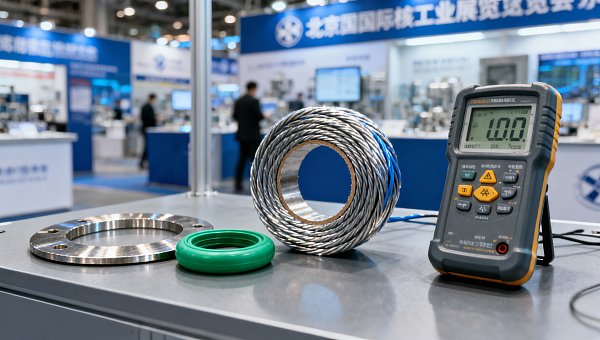
 China-France Nuclear Cooperation Advances at Beijing ExpoChina-France nuclear cooperation advances: mutual recognition for nuclear-grade seals, cables & radiation monitors boosts export readiness for suppliers targeting EU and BRI projects.
 Vietnam’s 4 Provinces Seek AI Tourism Tech in NanningAI tourism tech in demand: Vietnam’s 4 provinces seek AI-guided terminals, multilingual interpretation, AI-CCTV & smart ticketing in Nanning—key opportunity for B2G exporters.
 Q1 2026 China Power Market Trading Up 25.6%: Smart Meters, Storage Export Demand RisesSmart meters, energy storage exports surge as China’s Q1 2026 power market trading jumps 25.6% — key signal for global manufacturers & channel partners.
 China First Country with 5M+ Active Invention PatentsChina first country with 5M+ active invention patents—key for buyers in AI, solar, lithium battery & energy storage. Discover IP implications for sourcing, compliance & supplier vetting.
![]() RCEP Green Packaging Mutual Recognition: China Food Packaging Exempt from Testing in AU/NZ/JP/KRRCEP Green Packaging Mutual Recognition now exempts China's food packaging from retesting in AU/NZ/JP/KR — faster clearance, 30% cost savings, and streamlined exports for brands & manufacturers.
RCEP Green Packaging Mutual Recognition: China Food Packaging Exempt from Testing in AU/NZ/JP/KRRCEP Green Packaging Mutual Recognition now exempts China's food packaging from retesting in AU/NZ/JP/KR — faster clearance, 30% cost savings, and streamlined exports for brands & manufacturers. Shenneng Etorkeqi Green Ammonia Project: Deionized Water Station OperationalShenneng Etorkeqi Green Ammonia Project’s deionized water station is now operational—ISO 8502-3 compliant, fully integrated, and a key milestone for global green hydrogen developers and exporters.
 China Launches 'Model-Data Resonance' Initiative for AI+Manufacturing InteroperabilityModel-Data Resonance initiative boosts AI+manufacturing interoperability—learn how GB/T XXXX–2026 aligns with VDI 2182 & ISA-95 for smoother global factory deployments.
 China’s First Embodied AI Robot Insurance Launched in GuangxiChina’s first embodied AI robot insurance launched in Guangxi—key for robotics exporters, AI hardware makers & global compliance teams. CE-recognized, EU/UK/AU-ready.
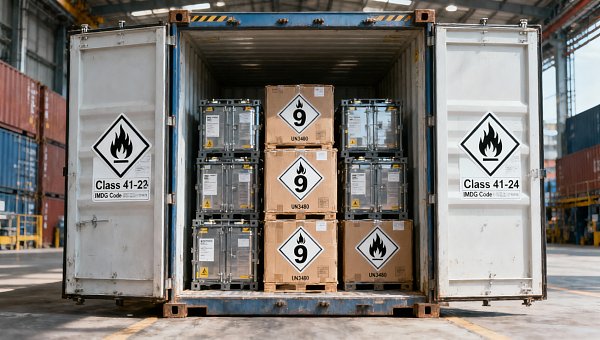
 IMDG Code 41-24 Enforced: UN3480 Lithium Battery Labeling Now MandatoryIMDG Code 41-24 is now mandatory: UN3480 lithium battery labeling, documentation & packaging rules are enforced globally as of 28 April 2026 — avoid port rejections!
 State Grid’s $680M Embodied AI Procurement Signals Export OpportunityEmbodied AI, IEC 61850 & IEC 62443: State Grid’s $680M procurement unlocks export opportunities for compliant industrial robots and smart vision systems in emerging markets.
 IMDG Code 41-24 Enforces UN3480 Class 9 Labeling for Lithium Battery Sea FreightIMDG Code 41-24 mandates UN3480 lithium battery sea freight to display durable Class 9 labels from April 27, 2026—avoid delays & port rejections.
 ESS Key Component Prices Drop ~80%: Quality & Compliance RiseESS key component prices dropped ~80%—but quality & compliance demands surged. Discover how UL 9540A, AS/NZS 5139, and certified BMS/inverters now define market access.
 Mexico NOM-019-SCFI-2026 Effective July 2026: EMC Certification Mandatory for Auto ElectronicsMexico NOM-019-SCFI-2026 mandates EMC certification for auto electronics from July 2026 — ensure compliance now to avoid supply chain disruption & customs delays.
 Red Sea Rerouting Normalized, ECA Surcharge Hits $1,850/TEURed Sea rerouting normalized: ECA surcharge hits $1,850/TEU — 47% of total freight cost. Impacting hand tools, building materials & furniture exporters to Europe. Act now.
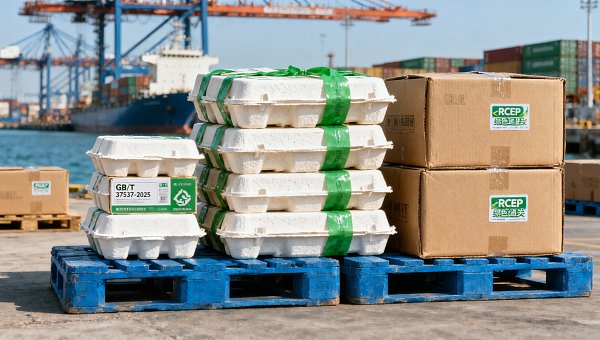
 RCEP Green Packaging Mutual Recognition Takes EffectRCEP Green Packaging Mutual Recognition is live—GB/T 37537-2025–certified packaging now enjoys fast-track clearance in Australia, NZ, Japan & Korea. Save time, cut costs, and boost export efficiency.
 Vietnam Suspends SASO Mutual Recognition for Chinese Irrigation EquipmentVietnam suspends SASO mutual recognition for Chinese irrigation equipment—drip tapes, PE fittings, auto valves now require VINAQ-IR certification. Act now to avoid delays & customs hold.
 Key Energy Storage Equipment Prices Drop ~80% in ChinaKey energy storage equipment prices in China dropped ~80% — PCS, BMS & liquid cooling units. Discover implications for compliance, margins & standards enforcement.
") China Releases Green Design Guidelines for Industrial Products (2026)China's 2026 Green Design Guidelines for industrial products—covering PV modules, lithium batteries & smart appliances—link eco-design to green factory certification and export tax rebates starting 2027.
China Releases Green Design Guidelines for Industrial Products (2026)China's 2026 Green Design Guidelines for industrial products—covering PV modules, lithium batteries & smart appliances—link eco-design to green factory certification and export tax rebates starting 2027. Mexico NOM-019-SCFI-2026 Effective: Automotive Electronics Require New EMC CertificationMexico NOM-019-SCFI-2026 is live: Automotive electronics (infotainment, ADAS, domain controllers) now require mandatory EMC certification by July 31, 2026 — act now to avoid customs delays.
 Red Sea Detour Premium Rises to $1,850/TEU Amid Port Congestion ReliefRed Sea Detour Premium hits $1,850/TEU — now 43% of FE–NE freight rates. Discover why this structural surcharge demands urgent supply chain action.
 TÜV Rheinland Updates PLd Certification: EMC Immunity Now Mandatory for Servo DrivesTÜV Rheinland now mandates EN IEC 61000-6-2:2024 EMC immunity testing for PLd certification of servo drives—act before May 26, 2026 to avoid EU market delays.
















Popular Tags
Global Trade Insights & Industry
Our mission is to empower global exporters and importers with data-driven insights that foster strategic growth.
Search News
Popular Tags
Industry Overview
The global commercial kitchen equipment market is projected to reach $112 billion by 2027. Driven by urbanization, the rise of e-commerce food delivery, and strict hygiene regulations.