

What Makes Swimwear Fabric Go Sheer After Repeated Use?
After repeated use, swimwear fabric often goes sheer because the material is no longer recovering the way it should. In most cases, this is not caused by one single issue but by a combination of fiber fatigue, chlorine exposure, UV degradation, heat, body oils, sunscreen residue, and weak fabric construction. For sourcing teams, distributors, and market analysts, the key takeaway is simple: sheerness is usually a visible symptom of deeper durability problems. It can indicate poor elastane retention, low fabric density, weak dyeing and finishing quality, or an unsuitable fabric blend for the intended market.
For commercial buyers and product evaluators, understanding why swimwear becomes transparent after wear is important for more than just consumer satisfaction. It affects return rates, brand reputation, seasonal reorder confidence, and supplier selection. In competitive apparel and swimwear markets, fabric performance over time is a practical purchasing criterion, not just a technical detail.
Why does swimwear fabric become sheer after repeated use?
Swimwear becomes sheer after repeated use when the fabric structure loses its ability to stay compact under tension. Most swimwear relies on a close-knit construction combined with elastic fibers, typically elastane or spandex, to maintain stretch and coverage. As these fibers weaken, the fabric opens up when worn, especially in high-stress areas such as the seat, hips, bust, and front lining zones. Once the yarn spacing increases, more light passes through the material, making it appear thin or transparent.
This process usually happens faster when the garment is exposed to:
- Frequent chlorine or saltwater contact
- Extended UV exposure
- Hot water washing or machine drying
- Rough surfaces and repeated friction
- Low-quality elastane blends
- Insufficient fabric weight or poor knitting density
From a trade and sourcing perspective, repeated sheerness complaints often signal a mismatch between product positioning and material specification. A low-cost swimsuit may initially look acceptable on display, but if it fails after limited wear, the downstream cost for retailers and distributors can be far higher than the savings at purchase.
Which material failures usually cause the problem?
For buyers and product reviewers, the most useful way to assess swimwear sheerness is to look at the underlying material failure points. These typically fall into four categories.
1. Elastane fatigue
Elastane gives swimwear its stretch and recovery. Over time, repeated extension and relaxation break down the elastic component. Once recovery weakens, the fabric stays stretched longer during wear, making the knit structure more open and visibly sheer. This is one of the most common reasons swimwear loses opacity.
2. Fiber degradation from chlorine and chemicals
Pool chemicals are especially aggressive toward certain synthetic blends. Chlorine can gradually damage elastic fibers, reduce strength, and alter the hand feel of the fabric. Lotions, sunscreens, and body oils can also affect finishes and contribute to long-term deterioration. If the fabric is not designed for regular pool use, transparency can develop quickly.
3. UV damage and heat exposure
Sunlight breaks down polymers over time. Swimwear repeatedly exposed to strong UV and heat can lose both color depth and structural integrity. Buyers serving resort, beachwear, or high-sun markets should pay close attention to UV resistance because visual failure often appears first as fading and then as thinning or sheerness.
4. Low fabric density or weak construction
Even before wear begins, some swimwear is at risk because the fabric was too light, too loosely knitted, or inadequately lined for the application. When stretched on the body, such materials naturally reveal more than intended. Repeated use only accelerates a weakness that was present from the start.
What should buyers and sourcing teams check before selecting a supplier?
For procurement professionals, the best response is not simply asking whether a fabric is “durable.” It is building a more specific evaluation framework. Suppliers may market swimwear fabric as premium or high-stretch, but the commercial decision should rest on measurable performance indicators.
Key points to evaluate include:
Fabric composition
Common blends include nylon-spandex and polyester-spandex. Nylon-based swimwear often offers a smooth hand feel and strong fit, while polyester blends may deliver better chlorine resistance depending on construction and finishing. Neither is automatically superior in all cases. The right choice depends on intended use, market segment, and expected wear frequency.
Fabric weight and opacity under stretch
Fabric should be tested not just in a flat state but under realistic extension. A material that looks opaque on the inspection table may become transparent when stretched to body-fit conditions. This is especially relevant for women’s swimwear, fitted fashion swimwear, and high-elasticity designs.
Recovery performance
Good swimwear fabric should return to shape after repeated extension. Poor recovery is an early warning sign of future sheerness. Buyers should request test data or conduct repeated stretch-and-recovery assessments during sample review.
Lining strategy
Proper lining can significantly reduce transparency risk, especially in light colors or high-stress areas. However, lining does not compensate for fundamentally weak outer fabric. Buyers should treat lining as reinforcement, not as a substitute for sound fabric quality.
Resistance testing
Ask suppliers about chlorine resistance, UV resistance, pilling, colorfastness, and wash durability. In B2B swimwear sourcing, product failure rarely comes from one variable alone. It usually results from several moderate weaknesses that become visible after repeated use.
How can distributors and brand evaluators identify higher-risk swimwear products?
Not every product with an attractive price point creates long-term value. For distributors, wholesalers, and private-label buyers, certain warning signs often indicate elevated sheerness risk.
- Very low GSM or unusually thin hand feel for body-hugging swimwear
- Insufficient or inconsistent lining across styles
- High stretch with little rebound during fit checks
- Overemphasis on appearance with minimal technical specification
- Missing data on chlorine, UV, or tensile performance
- Supplier reluctance to provide test reports or production consistency details
Another useful commercial indicator is complaint pattern analysis. If retailers or importers repeatedly report transparency issues after several weeks of consumer use, the problem may not be isolated. It may reflect a systemic issue in raw material grade, knitting consistency, finishing, or quality control.
For market researchers, these signals also reveal broader product positioning trends. In lower-cost fast-fashion swimwear, visual appeal often outranks lifecycle performance. In contrast, premium or performance-oriented brands increasingly market chlorine resistance, shape retention, and coverage stability as decision-driving attributes.
How does repeated sheerness affect business performance in the swimwear supply chain?
From a business standpoint, sheer swimwear is not just a fabric issue. It is a product credibility issue. Once consumers perceive a swimsuit as unreliable, the impact can spread beyond a single SKU.
Commercial consequences may include:
- Higher return and refund rates
- Negative reviews and reduced conversion
- Distributor hesitation on repeat orders
- More quality disputes between buyers and suppliers
- Damage to private-label trust and retailer reputation
For importers and sourcing managers, the cost of underperforming swimwear often appears later in the sales cycle, after the goods have already moved through logistics and retail channels. That makes preventive material assessment far more valuable than post-sale damage control.
This is especially important in global trade environments where supplier comparison is often based on price, lead time, and minimum order quantity. Those factors matter, but if fabric durability is overlooked, the total landed value of the order may be weaker than expected.
What specifications matter most when comparing swimwear fabric for long-term performance?
If the goal is to reduce transparency risk after repeated wear, buyers should focus on practical performance specifications rather than generic quality claims. The most decision-relevant criteria typically include:
- Fiber blend and elastane percentage
- Fabric weight and knit density
- Stretch recovery after repeated cycles
- Wet and dry opacity performance
- Chlorine resistance for pool-use products
- UV stability for beach and resort markets
- Lining coverage by style and color category
- Consistency across production batches
For better sourcing outcomes, teams should assess these factors alongside the intended sales channel. A fashion-driven seasonal item may tolerate a different durability profile than a swim school, athletic, or resort-focused product. The right benchmark depends on use case, price tier, and brand promise.
Conclusion
Swimwear fabric goes sheer after repeated use because its structure gradually fails to maintain coverage under stress. In most cases, the root causes include elastane breakdown, chlorine and UV exposure, low fabric density, and inadequate recovery performance. For buyers, distributors, and commercial evaluators, sheerness should be treated as a visible indicator of broader material durability risk.
The most effective way to prevent this issue is to evaluate swimwear fabric under realistic wear conditions, not just by initial appearance or cost. Suppliers should be assessed on composition, stretch recovery, opacity under extension, resistance performance, and production consistency. In today’s competitive apparel trade environment, understanding these details helps procurement teams reduce returns, improve product confidence, and make smarter sourcing decisions.
Recommended News
 China’s 10-Dept AI Export Ethics Review Rule Takes EffectChina’s new 10-dept AI export ethics rule mandates algorithmic bias review for AI hardware bound for the EU, US, Canada, Japan & SK—key for smart cameras, voice assistants & industrial vision exporters.
 Red Sea Detour Now Standard: $1,850 TEU Premium on Asia-Europe RoutesRed Sea detour premium now standard: $1,850/TEU surcharge embedded in Asia-Europe freight rates — vital intel for exporters, importers & logistics teams.
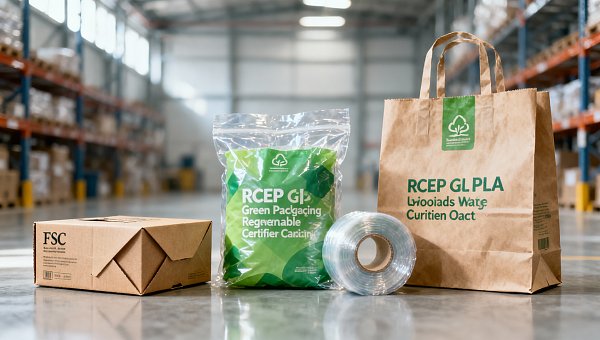
 RCEP Green Packaging Mutual Recognition Takes EffectRCEP Green Packaging Mutual Recognition takes effect Apr 22, 2026—streamline exports to AU, NZ, JP, KR with GB/T 37629–2019 certified molded fiber & PLA packaging.
 Mexico NOM-019-SCFI-2026 Effective: EMC Certification Required for Auto Electronics ExportsEMC certification is now mandatory for auto electronics exports to Mexico under NOM-019-SCFI-2026. Ensure compliance for rearview mirrors, radar sensors & T-Box units—avoid shipment delays and order cancellations.
") TÜV Rheinland Updates CE Requirements for Servo Drives (PLd + EMC Joint Validation)TÜV Rheinland now mandates joint PLd + EMC validation for servo drives under CE marking—learn how this impacts certification timelines, lab selection, and EU market access.
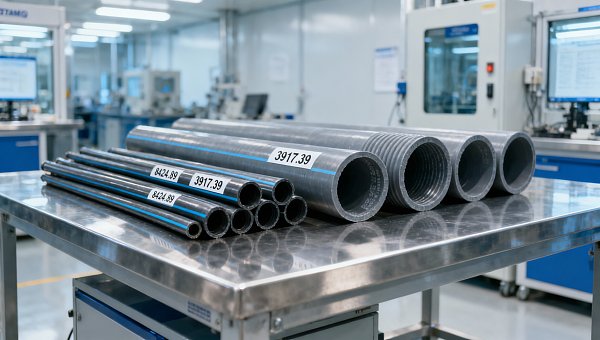
TÜV Rheinland Updates CE Requirements for Servo Drives (PLd + EMC Joint Validation)TÜV Rheinland now mandates joint PLd + EMC validation for servo drives under CE marking—learn how this impacts certification timelines, lab selection, and EU market access. Vietnam Suspends SASO Mutual Recognition for Chinese Irrigation EquipmentVietnam suspends SASO mutual recognition for Chinese irrigation equipment—urgent compliance updates for drip tapes & PE pipes (HS 8424.89/3917.39). Act now to avoid delays.
 FDA Finalizes AI Diagnostic Device Rules for ImportersFDA finalizes AI diagnostic device rules for importers: New bias assessment mandate impacts ultrasound, glucose analyzers & dermatoscopes. Act now to ensure U.S. market access.
 SABER Phase II Live: Saudi Building Hardware Requires Digital Type Test Reports & PIDSABER Phase II is live: Building hardware exports to Saudi Arabia now require digital type test reports & a mandatory, immutable Product ID (PID). Act now to avoid customs delays!
 IMDG Code 41-24 Enforced: UN3480 Lithium Battery Labeling Mandatory from Apr 2026IMDG Code 41-24 enforcement starts Apr 2026: UN3480 lithium battery labeling & ISO 17363 docs are now mandatory—avoid port rejections!
 CBAM Carbon Tax Launch: Low CBAM Reporting Rate Among Chinese ExportersCBAM Carbon Tax is live—only 36.8% of Chinese exporters reported. Discover why, which industries are at risk, and how to secure EU market access now.
 China’s 10 Agencies Issue AI Export Ethics Review RulesChina’s 10 agencies launch AI export ethics rules—mandating bias reviews for visual inspection, warehouse AI & defect detection systems. Stay compliant & competitive.
 RCEP Green Packaging Mutual Recognition Takes EffectRCEP Green Packaging Mutual Recognition is now in effect—unlock faster customs clearance in Australia, NZ, Japan & Korea for GB/T 37659–2019-certified eco-packaging.
 Mexico NOM-019-SCFI-2026 Effective Apr 10, 2026: EMC Certification Required for Automotive ElectronicsNOM-019-SCFI-2026 EMC certification is now mandatory for automotive electronics entering Mexico — act before the July 1, 2026 customs ban.
 Red Sea Rerouting Normalized, EBA at $1,850/TEURed Sea rerouting normalized with EBA fixed at $1,850/TEU—learn how this structural shift impacts Asia-Europe freight costs, lead times & supply chain strategy.
 FDA AI Diagnostic Device Draft Rules: Bias Assessment for ImportsFDA AI diagnostic device draft rules require bias assessment for imports—learn how portable ultrasound, glucose, and dermatoscopic AI devices are affected & what to do next.
") TÜV Rheinland Updates CE Requirements for Servo Drives (PLd + EMC)TÜV Rheinland updates CE requirements for servo drives: PLd (ISO 13849-1) + EMC immunity (IEC 61000-6-2 Ed.4) now mandatory together — act now to avoid EU market delays!
TÜV Rheinland Updates CE Requirements for Servo Drives (PLd + EMC)TÜV Rheinland updates CE requirements for servo drives: PLd (ISO 13849-1) + EMC immunity (IEC 61000-6-2 Ed.4) now mandatory together — act now to avoid EU market delays! SABER Phase II Launch: Building Hardware Must Submit Digital Type Test Reports & Unique Product IDSABER Phase II now mandates digital type test reports & unique product IDs for building hardware—fasteners, scaffolding, door/window components. Ensure compliance to avoid customs rejection & SCOC delays.
 Vietnam Suspends SASO Mutual Recognition for Chinese Irrigation EquipmentVietnam suspends SASO mutual recognition for Chinese irrigation equipment—TCVN testing now mandatory. Act now to avoid 8–12 week delays and customs holdups.
 IMDG Code 41-24 Enforced: UN3480 Lithium Battery Labeling UpdateIMDG Code 41-24 enforcement starts April 2026: UN3480 lithium battery labeling updates are mandatory for global maritime shipments — avoid port delays, detention & penalties.
 EU CBAM Enters Full Enforcement on Jan 1, 2026EU CBAM full enforcement starts Jan 1, 2026 — mandatory quarterly reporting & certificate purchases for batteries, steel, cement, aluminum, fertilizers & chemicals. Act now to ensure EU market access.
 EU CBAM Carbon Tariff Starts Oct 2026 for Chinese Battery, Cement, Chemical ExportsEU CBAM carbon tariff hits Chinese battery, cement & chemical exports from Oct 2026 — mandatory emissions reporting starts now. Avoid €98/t default fees.



















Popular Tags
Global Trade Insights & Industry
Our mission is to empower global exporters and importers with data-driven insights that foster strategic growth.
Search News
Popular Tags
Industry Overview
The global commercial kitchen equipment market is projected to reach $112 billion by 2027. Driven by urbanization, the rise of e-commerce food delivery, and strict hygiene regulations.