

Car Seat Covers That Last Longer in Hot and Humid Climates
In hot and humid climates, choosing durable car seat covers is not just about comfort—it is a smart sourcing decision. For buyers, distributors, and market researchers tracking products from swimwear and garden tools to carbon fiber and graphene, understanding material performance, moisture resistance, and long-term value can reduce risk and improve product selection in competitive global markets.
For most buyers searching for car seat covers that last longer in hot and humid climates, the real question is simple: which materials and product designs can resist sweat, mold, UV exposure, stickiness, odor buildup, and rapid wear without driving up replacement costs? The short answer is that not all seat covers perform equally in tropical or coastal markets. Breathable synthetic blends, high-quality neoprene alternatives, treated polyester fabrics, and well-constructed mesh or spacer fabrics often outperform cheap PVC-heavy or low-grade faux leather options when long-term durability matters. For procurement teams and distributors, the key is not just surface appearance, but how the product handles heat retention, moisture evacuation, seam stress, and cleaning cycles over time.
This matters because end users in hot and humid regions tend to judge seat covers quickly. If a cover becomes sticky, traps heat, fades fast, develops mildew, or cracks after a few months, the product loses repeat-order potential. For commercial buyers, that means warranty claims, lower customer satisfaction, and weaker margins. The best sourcing decisions come from understanding performance under real climate stress rather than relying on generic catalog descriptions.
What buyers really need to evaluate before choosing car seat covers for hot and humid climates
The core search intent behind this topic is practical evaluation. Buyers, sourcing managers, and distributors are not looking for decorative advice alone. They want to know which car seat covers last longer in hot and humid climates, why some fail faster than others, and how to identify products with better resale and long-term usage value.
In these climates, the biggest product risks are usually:
- Heat buildup that makes the seat uncomfortable
- Moisture retention from sweat, rain exposure, or damp air
- Mold, mildew, and odor formation
- UV fading and surface cracking
- Delamination, peeling, and seam failure
- Frequent cleaning damage in commercial or family-use settings
That means the best-performing car seat covers are usually those that balance four factors well: breathability, moisture resistance, surface durability, and maintenance simplicity. A product may look premium online, but if it cannot release heat or dries too slowly, it will underperform in tropical markets.
Which materials usually last longer in hot and humid conditions
Material selection is the single most important factor in seat cover lifespan. Buyers should compare products based on actual climate performance instead of appearance alone.
1. Polyester and treated synthetic fabric blends
High-quality polyester blends are often among the most practical choices for humid environments. They usually resist moisture better than absorbent natural fabrics, dry relatively fast, and hold color well when UV treatment is applied. For distributors, this category can offer a strong balance between cost, durability, and broad-market appeal.
What to check:
- Fabric density and abrasion resistance
- Anti-mildew or antimicrobial treatment
- Colorfastness under sun exposure
- Foam backing quality and bonding stability
2. Mesh and spacer fabrics
Breathable mesh-style seat covers are often well suited to hot and humid climates because airflow is critical. These products can reduce heat retention and improve user comfort, especially in markets where vehicles are parked outdoors for long periods. For practical use, layered spacer fabrics often outperform thin decorative mesh because they maintain shape better and resist flattening over time.
They are especially useful when buyers prioritize:
- Daily commuting comfort
- Lower sweat accumulation
- Faster drying after cleaning
- Ventilation in compact vehicles or fleets
3. Neoprene and neoprene-style alternatives
Neoprene is often promoted as water-resistant and durable, and in some applications it performs well. However, in very hot climates, product quality variation matters. Premium neoprene can provide protection against moisture and spills, but lower-grade versions may trap heat or feel heavy. Buyers should assess whether the product is designed for comfort in tropical use rather than only for rugged branding.
It is best suited for:
- Mixed-use vehicles exposed to moisture
- Consumers who prioritize protection over a luxury feel
- Markets where easy cleaning is a strong selling point
4. Faux leather and PU materials
Faux leather can be commercially attractive because it looks premium and is easy to wipe clean. But in hot and humid climates, quality differences become obvious fast. Low-grade PU can peel, harden, crack, or become sticky under constant heat and humidity. If a buyer chooses this category, it is important to source higher-specification material with better coating stability, UV resistance, and backing adhesion.
In general, faux leather is better for buyers targeting style-conscious markets where vehicle interiors are maintained carefully and not exposed to prolonged extreme heat every day.
5. Cotton-rich fabrics
Cotton may feel comfortable initially, but it is usually less ideal for sustained humid conditions unless blended and treated properly. It tends to absorb moisture, dry more slowly, and may hold odor more easily than technical synthetics. For tropical sourcing, pure or high-cotton compositions often create more maintenance issues over time.
Why some car seat covers fail quickly in tropical and coastal markets
Many products fail not because the concept is wrong, but because the construction is too weak for climate stress. Procurement teams should look beyond the headline material and evaluate the full build.
Common failure points include:
- Poor seam construction: humidity, repeated movement, and heat can weaken stitching if thread quality is low.
- Weak elastic straps or hooks: fastening systems often degrade faster than the visible seat cover surface.
- Inferior foam backing: low-grade foam can crumble, flatten, or retain odor.
- Low UV resistance: direct sunlight accelerates fading and surface brittleness.
- Cheap coatings: top layers may peel when exposed to sweat, body oils, and high cabin temperatures.
This is why product testing and sample evaluation matter. A seat cover that appears durable in warehouse conditions may perform poorly after three months in Southeast Asia, the Gulf region, West Africa, southern US markets, or coastal Latin America.
How to assess long-term value instead of just unit price
For sourcing professionals, durability should be measured against replacement frequency, customer complaints, and resale reputation. A cheaper seat cover may not be cheaper if it fails early and leads to returns or weak reorder rates.
To assess long-term value, buyers should ask:
- How many cleaning cycles can the material handle without deformation?
- How does it perform after repeated UV exposure?
- Does the fabric trap heat or allow airflow?
- How resistant is it to mold and odor under humid storage or daily use?
- Are there certifications or test reports for abrasion, colorfastness, and chemical safety?
- Is the product suitable for retail consumers, fleet operators, or aftermarket installers?
For distributors and agents, a strong product is one that reduces post-sale friction. The more climate-appropriate the seat cover, the higher the chance of stable reviews, repeat business, and lower service burden.
What features signal a better product for importers and distributors
When comparing supplier offers, some product features consistently indicate higher suitability for hot and humid climates.
- Breathable surface structure: helps reduce heat discomfort and sweat retention
- Antimicrobial or anti-mildew treatment: useful in damp regions and long-use environments
- UV-stable dyes and coatings: supports appearance retention
- Fast-drying construction: especially important for frequent cleaning or wet-weather use
- Reinforced stitching and edge finishing: improves lifespan under constant use
- Non-slip but non-degrading backing: prevents movement without breaking down early
- Ventilated or ergonomic design: adds comfort value that consumers notice immediately
These details matter because buyers in high-temperature regions often compare products based on lived comfort and maintenance burden, not just style. A cover that stays cooler and cleaner can outperform a more visually premium option.
Practical sourcing questions to ask suppliers before placing larger orders
If the goal is to source car seat covers that last longer in hot and humid climates, supplier discussions should go beyond MOQ and color options. Buyers should ask technical questions that reveal whether the product is truly market-ready.
- What is the exact material composition of the face fabric, backing, and filling?
- Has the product been tested for UV resistance, abrasion, and humidity exposure?
- What anti-mold or anti-odor treatments are used, if any?
- How does the material perform after repeated wiping or washing?
- What is the expected lifespan under tropical daily-use conditions?
- Can the supplier provide references for exports to humid or high-temperature markets?
- Is packaging moisture-protective for sea freight and long storage?
These questions help buyers distinguish between marketing language and reliable product engineering. They also reduce sourcing risk when entering new regional markets.
Best fit by buyer scenario: retail, fleet, aftermarket, and distribution
Different buyer groups may need different seat cover types even within the same climate category.
Retail-focused distributors
Should prioritize comfort, appearance retention, and easy cleaning. Breathable polyester blends and well-made mesh covers often work well for broad consumer segments.
Fleet and commercial vehicle buyers
Should prioritize durability, easy maintenance, and low replacement frequency. Heavier-duty synthetic fabrics with reinforced seams are often the best fit.
Aftermarket installers
Need products that fit well, look professional, and maintain structure over time. Poor fit leads to friction, movement, and faster wear, especially in humid use conditions.
Importers entering tropical markets
Should start with small-batch testing across a few material categories, then scale based on user feedback, complaint rate, and climate-specific sales performance.
Final takeaway: what lasts longer and what makes the smartest sourcing choice
In hot and humid climates, the best car seat covers are usually not the cheapest and not always the most luxurious-looking. The products that tend to last longer are those made with breathable, moisture-resistant, UV-stable materials and supported by strong stitching, stable backing, and easy-clean construction. For many buyers, treated polyester blends, quality mesh or spacer fabrics, and selected high-grade synthetic materials offer the best combination of durability, comfort, and commercial reliability.
The smartest sourcing decision is to evaluate seat covers based on real climate performance: heat, humidity, sweat, cleaning frequency, and long-term user satisfaction. When buyers focus on those factors, they can reduce return risk, improve product-market fit, and build stronger value in competitive automotive accessory channels.
Recommended News
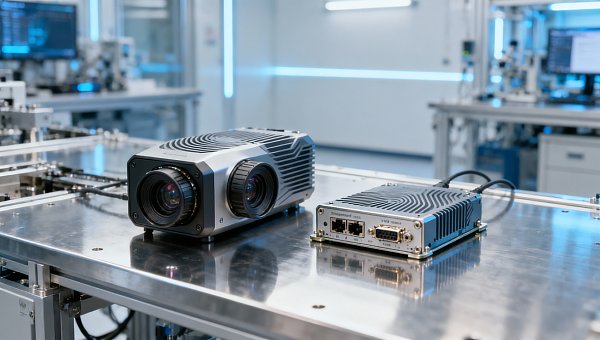
 China’s 10-Dept AI Export Ethics Review Rule Takes EffectChina’s new 10-dept AI export ethics rule mandates algorithmic bias review for AI hardware bound for the EU, US, Canada, Japan & SK—key for smart cameras, voice assistants & industrial vision exporters.
 Red Sea Detour Now Standard: $1,850 TEU Premium on Asia-Europe RoutesRed Sea detour premium now standard: $1,850/TEU surcharge embedded in Asia-Europe freight rates — vital intel for exporters, importers & logistics teams.
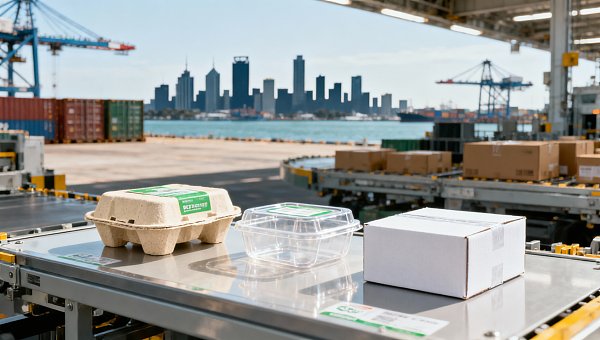
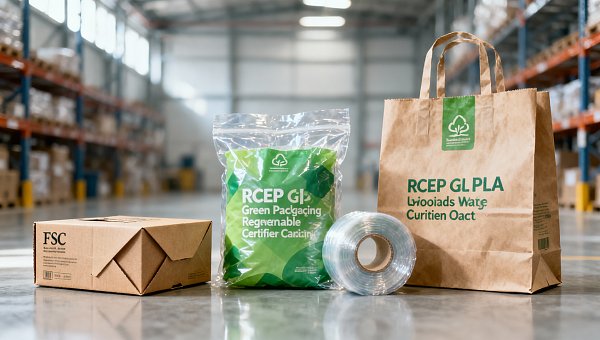
 RCEP Green Packaging Mutual Recognition Takes EffectRCEP Green Packaging Mutual Recognition takes effect Apr 22, 2026—streamline exports to AU, NZ, JP, KR with GB/T 37629–2019 certified molded fiber & PLA packaging.
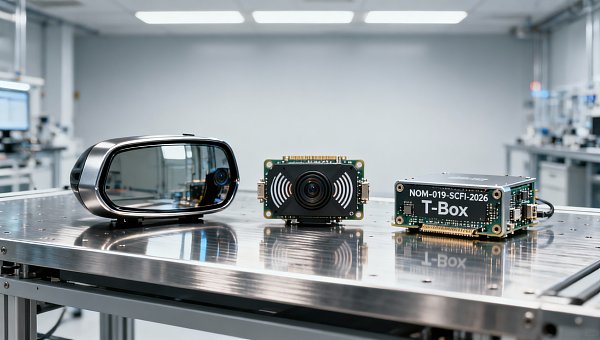
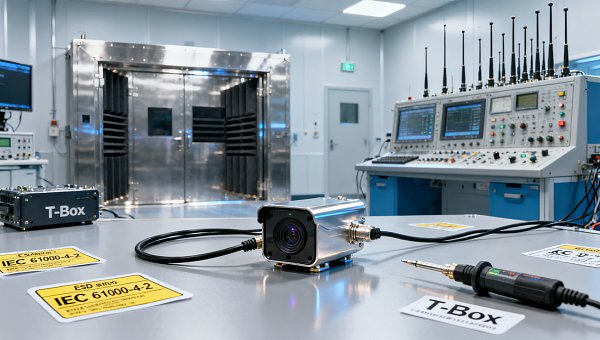
 Mexico NOM-019-SCFI-2026 Effective: EMC Certification Required for Auto Electronics ExportsEMC certification is now mandatory for auto electronics exports to Mexico under NOM-019-SCFI-2026. Ensure compliance for rearview mirrors, radar sensors & T-Box units—avoid shipment delays and order cancellations.
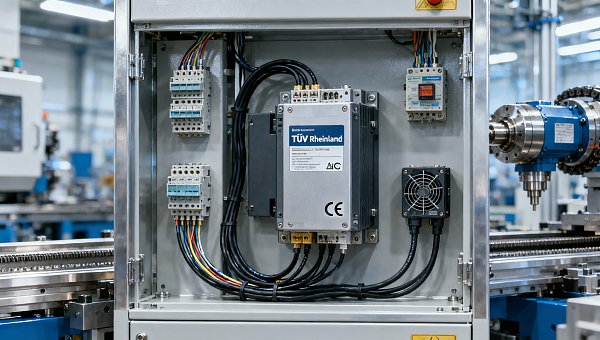
") TÜV Rheinland Updates CE Requirements for Servo Drives (PLd + EMC Joint Validation)TÜV Rheinland now mandates joint PLd + EMC validation for servo drives under CE marking—learn how this impacts certification timelines, lab selection, and EU market access.
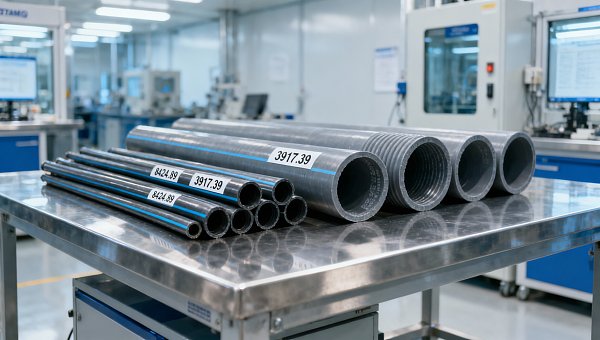
TÜV Rheinland Updates CE Requirements for Servo Drives (PLd + EMC Joint Validation)TÜV Rheinland now mandates joint PLd + EMC validation for servo drives under CE marking—learn how this impacts certification timelines, lab selection, and EU market access. Vietnam Suspends SASO Mutual Recognition for Chinese Irrigation EquipmentVietnam suspends SASO mutual recognition for Chinese irrigation equipment—urgent compliance updates for drip tapes & PE pipes (HS 8424.89/3917.39). Act now to avoid delays.
 FDA Finalizes AI Diagnostic Device Rules for ImportersFDA finalizes AI diagnostic device rules for importers: New bias assessment mandate impacts ultrasound, glucose analyzers & dermatoscopes. Act now to ensure U.S. market access.
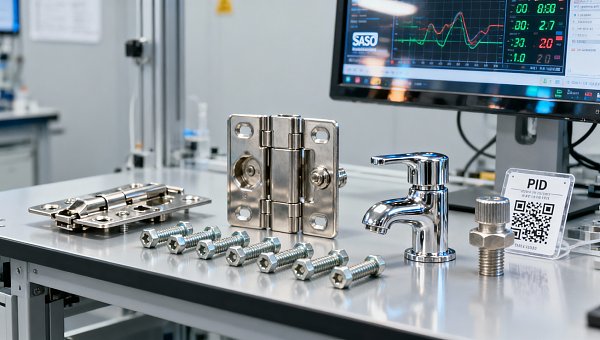
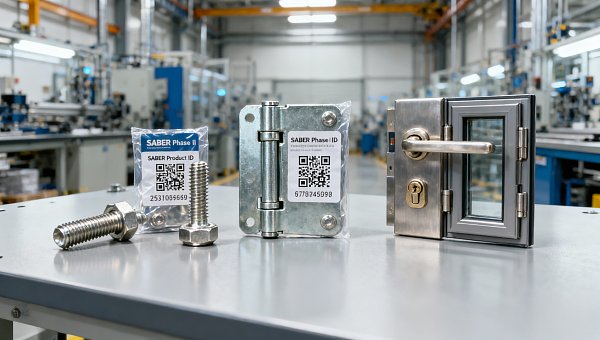
 SABER Phase II Live: Saudi Building Hardware Requires Digital Type Test Reports & PIDSABER Phase II is live: Building hardware exports to Saudi Arabia now require digital type test reports & a mandatory, immutable Product ID (PID). Act now to avoid customs delays!
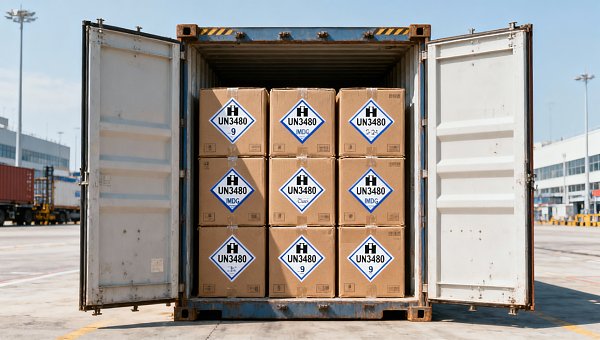
 IMDG Code 41-24 Enforced: UN3480 Lithium Battery Labeling Mandatory from Apr 2026IMDG Code 41-24 enforcement starts Apr 2026: UN3480 lithium battery labeling & ISO 17363 docs are now mandatory—avoid port rejections!
 CBAM Carbon Tax Launch: Low CBAM Reporting Rate Among Chinese ExportersCBAM Carbon Tax is live—only 36.8% of Chinese exporters reported. Discover why, which industries are at risk, and how to secure EU market access now.
 China’s 10 Agencies Issue AI Export Ethics Review RulesChina’s 10 agencies launch AI export ethics rules—mandating bias reviews for visual inspection, warehouse AI & defect detection systems. Stay compliant & competitive.
 RCEP Green Packaging Mutual Recognition Takes EffectRCEP Green Packaging Mutual Recognition is now in effect—unlock faster customs clearance in Australia, NZ, Japan & Korea for GB/T 37659–2019-certified eco-packaging.
 Mexico NOM-019-SCFI-2026 Effective Apr 10, 2026: EMC Certification Required for Automotive ElectronicsNOM-019-SCFI-2026 EMC certification is now mandatory for automotive electronics entering Mexico — act before the July 1, 2026 customs ban.
 Red Sea Rerouting Normalized, EBA at $1,850/TEURed Sea rerouting normalized with EBA fixed at $1,850/TEU—learn how this structural shift impacts Asia-Europe freight costs, lead times & supply chain strategy.
 FDA AI Diagnostic Device Draft Rules: Bias Assessment for ImportsFDA AI diagnostic device draft rules require bias assessment for imports—learn how portable ultrasound, glucose, and dermatoscopic AI devices are affected & what to do next.
") TÜV Rheinland Updates CE Requirements for Servo Drives (PLd + EMC)TÜV Rheinland updates CE requirements for servo drives: PLd (ISO 13849-1) + EMC immunity (IEC 61000-6-2 Ed.4) now mandatory together — act now to avoid EU market delays!
TÜV Rheinland Updates CE Requirements for Servo Drives (PLd + EMC)TÜV Rheinland updates CE requirements for servo drives: PLd (ISO 13849-1) + EMC immunity (IEC 61000-6-2 Ed.4) now mandatory together — act now to avoid EU market delays! SABER Phase II Launch: Building Hardware Must Submit Digital Type Test Reports & Unique Product IDSABER Phase II now mandates digital type test reports & unique product IDs for building hardware—fasteners, scaffolding, door/window components. Ensure compliance to avoid customs rejection & SCOC delays.
 Vietnam Suspends SASO Mutual Recognition for Chinese Irrigation EquipmentVietnam suspends SASO mutual recognition for Chinese irrigation equipment—TCVN testing now mandatory. Act now to avoid 8–12 week delays and customs holdups.
 IMDG Code 41-24 Enforced: UN3480 Lithium Battery Labeling UpdateIMDG Code 41-24 enforcement starts April 2026: UN3480 lithium battery labeling updates are mandatory for global maritime shipments — avoid port delays, detention & penalties.
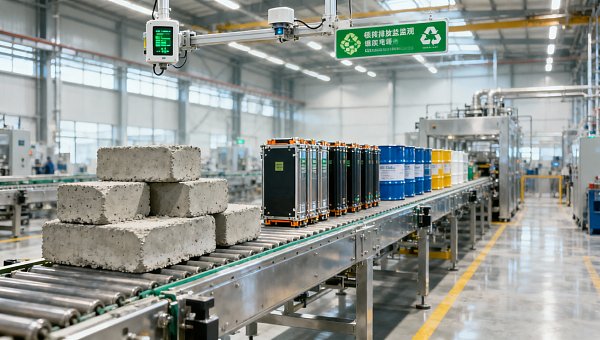
 EU CBAM Enters Full Enforcement on Jan 1, 2026EU CBAM full enforcement starts Jan 1, 2026 — mandatory quarterly reporting & certificate purchases for batteries, steel, cement, aluminum, fertilizers & chemicals. Act now to ensure EU market access.
 EU CBAM Carbon Tariff Starts Oct 2026 for Chinese Battery, Cement, Chemical ExportsEU CBAM carbon tariff hits Chinese battery, cement & chemical exports from Oct 2026 — mandatory emissions reporting starts now. Avoid €98/t default fees.







Popular Tags
Global Trade Insights & Industry
Our mission is to empower global exporters and importers with data-driven insights that foster strategic growth.
Search News
Popular Tags
Industry Overview
The global commercial kitchen equipment market is projected to reach $112 billion by 2027. Driven by urbanization, the rise of e-commerce food delivery, and strict hygiene regulations.