

Why Carbon Fiber Parts Fail at Bonded Joints More Often
Carbon fiber components promise lightweight performance, yet bonded joints remain a common point of failure across demanding applications. For buyers, distributors, and market analysts tracking carbon fiber, power tools, garden tools, swimwear, car seat covers, organic chemicals, solvents, graphene, fast fashion, and bedroom sets, understanding why adhesion breaks down is critical to evaluating product reliability, supplier capability, and long-term commercial risk.
In B2B procurement, a bonded joint is rarely just a technical detail. It can affect warranty exposure, return rates, field safety, assembly throughput, and even the credibility of a supplier’s manufacturing controls. For composite parts used in automotive trim, sporting goods, tool housings, industrial panels, and hybrid multi-material assemblies, joint failure often appears long before the carbon fiber laminate itself reaches its mechanical limit.
That gap matters to importers and sourcing teams. A carbon fiber part may pass a visual inspection, show acceptable stiffness, and still fail at the adhesive interface after 3 months, 300 thermal cycles, or repeated vibration loads. The issue is not that carbon fiber is weak. The issue is that bonded joint performance depends on surface chemistry, geometry, process control, environmental exposure, and realistic validation protocols.
For distributors, agents, and commercial evaluators, the practical question is simple: why do bonded joints fail more often than expected, and how can supplier risk be screened before orders scale from prototypes to container-level shipments? The answer lies in a combination of material science and procurement discipline.
Why Bonded Joints Become the Weak Link in Carbon Fiber Assemblies
Carbon fiber composites are anisotropic materials. Their strength is excellent along fiber-dominated directions, but bonded joints rely primarily on what happens at the surface and in the resin-rich interlayer. In many assemblies, the adhesive must transfer load across 2 different substrates, tolerate peel and shear stress, and survive temperature swings from -20°C to 80°C or even higher in under-hood or outdoor use.
This is where a common misconception appears. Buyers often focus on tensile strength of the laminate, such as 500 MPa or above for certain structures, while joint durability may be governed by lap shear values, surface energy, adhesive cure window, and bondline thickness in the 0.1-0.3 mm range. The bulk material can remain intact while the interface debonds under cyclic stress.
Another reason for frequent failure is load complexity. Real-world joints rarely see pure static loading. Instead, they experience mixed-mode stress: shear, peel, impact, vibration, and fatigue. A bonded bracket in a power tool or garden tool housing may survive a single pull test but fail after 50,000 to 200,000 vibration events. This mismatch between lab simplicity and field reality drives many commercial disputes.
Joint design also matters. Adhesives work best in shear and less well in peel. If the part geometry creates sharp edges, eccentric loading, or abrupt stiffness transitions between carbon fiber and metal or plastic inserts, stress can localize at one corner. In practice, a well-designed joint may last 3 to 5 times longer than a poorly designed one using the same adhesive system.
Typical failure modes seen in carbon fiber bonded assemblies
- Adhesive failure: separation at the interface because surface preparation was weak or contaminated.
- Cohesive failure: fracture within the adhesive itself, often linked to poor cure, wrong adhesive grade, or temperature mismatch.
- Interlaminar failure: the composite surface layer separates from the laminate due to weak resin-rich zones.
- Environmental degradation: moisture, solvents, UV exposure, or heat aging reduce bond durability over 6-24 months.
For sourcing teams, these categories are useful because they point to different root causes. A supplier that cannot distinguish adhesive failure from substrate failure usually does not yet have mature process diagnostics.
Root Causes: Surface Preparation, Cure Control, and Material Compatibility
The majority of bonded joint failures begin before the adhesive is even applied. Carbon fiber surfaces can retain mold release agents, dust, oils from handling, or a glossy resin layer with low surface energy. If the supplier skips abrasion, solvent wipe control, plasma treatment, or a defined primer step, the bond may look acceptable on day 1 and fail after humidity exposure or mechanical cycling.
Surface treatment consistency is especially important for export-oriented manufacturing. In high-volume plants, variation between shifts can be more damaging than the nominal process itself. If one operator sands for 20 seconds and another for 90 seconds, or if cleaning solvent evaporation time varies from 2 minutes to 15 minutes, bond performance becomes unstable. Procurement teams should ask for standard work instructions and traceable process records, not only final test reports.
Adhesive selection is another common weak point. One-part and two-part systems behave differently in open time, cure temperature, viscosity, and long-term environmental resistance. A fast-curing adhesive that supports a 5-minute takt time may not deliver the same fatigue life as a slower structural grade cured over 30-60 minutes. If the bonded assembly faces water, road salt, cleaning chemicals, or intermittent solvent contact, compatibility testing becomes essential.
Material pairing adds another layer of complexity. Carbon fiber joined to aluminum, stainless steel, thermoplastic, foam core, or coated textile-backed surfaces behaves differently because each substrate has different thermal expansion and surface chemistry. A mismatch in coefficient of thermal expansion can create residual stresses during cooling, especially after cure cycles above 80°C or 120°C.
Process variables buyers should verify
The table below summarizes practical process variables that often determine whether carbon fiber bonded joints remain stable through shipping, installation, and end use.
The key takeaway is that bonded joint reliability is not a single-material property. It is the result of 4 to 6 linked controls working together. A supplier that cannot demonstrate process discipline at each stage may still ship visually acceptable parts, but batch-to-batch consistency will remain uncertain.
What procurement teams should request during supplier qualification
- A documented bonding workflow covering cleaning, abrasion, adhesive mixing, application, fixturing, and cure.
- Shelf-life and storage controls for adhesives, including temperature logging where relevant.
- Sample destructive test data from at least 3 production batches, not only one prototype run.
- Environmental validation such as humidity exposure, thermal cycling, or salt fog where the application requires it.
Design and Loading Factors That Accelerate Joint Failure
Even when the adhesive chemistry is sound, poor joint design can undermine performance. Bonded joints fail more often when engineers try to replace a mechanical fastener with a simple glued overlap without redesigning the load path. Carbon fiber is stiff, but that stiffness can amplify local stress concentrations when joined to lower-modulus materials such as ABS, polypropylene, aluminum sheet, or foam-backed interior components.
Overlap length is one of the most practical design variables. Too short, and load transfer becomes concentrated near the edge. Too long, and the extra area may not contribute proportionally because stress still peaks at the ends. In commercial manufacturing, joint geometry often needs optimization through 2-3 prototype iterations rather than relying on nominal adhesive datasheets alone.
Part thickness transitions are another frequent issue. A 1.5 mm cosmetic carbon fiber shell bonded to a 4 mm metal bracket can produce edge peel if there is no taper, fillet, or compliant layer. In automotive and consumer durable goods, these failures often surface after road vibration, repetitive door closures, impact drops, or seasonal temperature changes rather than during incoming inspection.
Distributors should also note the role of assembly tolerances. A gap variation of even ±0.2 mm can alter bondline thickness enough to change cure behavior and stress distribution. Where bonded joints are part of a larger module, fixture quality and dimensional repeatability are as important as the adhesive brand itself.
Comparing design choices that influence bond durability
The following comparison helps commercial teams understand which design choices tend to improve or weaken long-term joint integrity.
This comparison shows why commercial due diligence should include design review questions. If a supplier says the adhesive is “very strong” but cannot explain load path, geometry, and tolerance control, the project still carries elevated failure risk.
Common design-stage mistakes in cross-industry applications
- Using cosmetic carbon fiber skins as if they were structural laminates without validating backing support.
- Bonding to painted, coated, or textile-backed surfaces without confirming surface compatibility.
- Ignoring outdoor exposure in products that face UV, rain, detergent, or 24-hour humidity cycles.
- Skipping fatigue testing because initial static strength exceeds target values.
How Buyers and Analysts Can Evaluate Supplier Capability Before Scaling Orders
For buyers, the most effective way to reduce bonded joint risk is to move from appearance-based sourcing to process-based qualification. Carbon fiber parts often look premium, which can mislead non-technical evaluators. However, a glossy weave finish does not reveal whether the supplier controls substrate preparation, adhesive storage, cure verification, or post-bond inspection.
A practical evaluation framework should cover at least 4 dimensions: material traceability, bonding process control, validation testing, and corrective action response. This approach is useful not only for carbon fiber suppliers but also for traders handling related industrial categories such as solvents, organic chemicals, graphene additives, textile composites, and coated consumer components that may affect downstream bonding behavior.
Sampling strategy also matters. Many sourcing errors occur because qualification is based on 5-10 prototype parts made under ideal engineering conditions, while production batches involve different labor, tooling wear, ambient conditions, and takt times. For medium-risk programs, buyers should request samples from at least 2 separate runs and verify whether test variation stays within a reasonable process window.
Commercial teams should align validation depth with product risk. A decorative panel for indoor furniture may not require the same testing as a vibration-loaded automotive insert or a power tool housing. The goal is not excessive cost, but fit-for-purpose evidence.
Supplier screening checklist for bonded carbon fiber parts
The matrix below can help importers, distributors, and sourcing managers compare suppliers using commercial and technical indicators that are practical in cross-border trade.
In many cases, the strongest commercial indicator is not the absolute test number but the supplier’s ability to explain variation, document process windows, and respond quickly to nonconformities. That capability reduces downstream cost for importers and channel partners.
A practical 5-step qualification path
- Review substrate combination, use environment, and expected service life.
- Confirm adhesive type, cure method, and process control documents.
- Request test samples from multiple production dates, not one pilot batch.
- Run application-specific validation, including at least one environmental stress sequence.
- Approve scale-up only after corrective action channels and quality contacts are defined.
Risk Reduction Strategies, Market Implications, and Frequently Asked Questions
Bonded joint failure in carbon fiber parts is not only an engineering concern. It influences supplier credibility, after-sales cost, insurance exposure, and distributor reputation. In global trade, even a 2% field failure rate can become expensive once freight, replacement handling, inspection labor, and customer confidence are considered. For this reason, procurement teams should treat joint reliability as a sourcing criterion from the first RFQ stage.
The market trend is moving toward tighter integration between material supply, adhesive chemistry, and process verification. Buyers increasingly prefer suppliers that can discuss resin systems, surface treatment, fixturing, and environmental validation in one technical-commercial conversation. This integrated capability is becoming more relevant across sectors where lightweight structures, hybrid materials, and cosmetic-performance combinations are expanding.
For B2B information users, the deeper lesson is that carbon fiber should not be assessed as a stand-alone premium material. It should be evaluated as part of a full assembly system. A strong supplier is one that understands how design, production rhythm, ambient conditions, and logistics handling can affect a bond from day 1 to end-of-life.
That systems perspective is especially useful for trade analysts and sourcing managers comparing suppliers across regions. It supports better forecasts on warranty risk, lifecycle cost, and market suitability when selecting export-ready partners.
FAQ: What buyers most often ask about bonded carbon fiber parts
How long should a qualified bonded joint last?
There is no universal number. Indoor decorative applications may require stable performance over 2-5 years, while structural or outdoor assemblies may need much longer service validation. A realistic answer depends on load type, humidity, thermal range, chemical exposure, and whether the joint sees static or cyclic stress.
Are mechanical fasteners safer than adhesives for carbon fiber?
Not always. Fasteners can introduce stress concentrations, drilling damage, galvanic corrosion issues with metals, and cosmetic defects. In many products, a hybrid approach works better: adhesive for distributed load transfer and limited mechanical retention for peel resistance or fail-safe backup.
What minimum validation should importers request?
At a minimum, request one structural test relevant to the application, one environmental exposure sequence, and evidence from more than one production lot. For medium-risk assemblies, thermal cycling, humidity aging, and a post-exposure strength check usually provide a better picture than a single room-temperature test.
What is the most common procurement mistake?
The most common mistake is approving a supplier based on part appearance and prototype performance without reviewing process repeatability. Bonded joints often fail because production conditions are not controlled as tightly as the pilot run.
Carbon fiber parts fail at bonded joints more often because interfaces are sensitive to design, preparation, cure control, environmental exposure, and production variation. For buyers, distributors, and market analysts, the commercial priority is to verify not only what the part is made of, but how the bond is created, tested, and monitored across batches.
Organizations that build sourcing decisions on process transparency and application-specific validation are better positioned to reduce warranty risk, improve product consistency, and select suppliers with scalable manufacturing discipline. To assess bonded composite opportunities more effectively, connect with TradeVantage for deeper market intelligence, supplier visibility, and tailored cross-industry sourcing insights. Contact us today to explore more solutions or request customized support for your next procurement review.
Recommended News
 China’s 10-Dept AI Export Ethics Review Rule Takes EffectChina’s new 10-dept AI export ethics rule mandates algorithmic bias review for AI hardware bound for the EU, US, Canada, Japan & SK—key for smart cameras, voice assistants & industrial vision exporters.
 Red Sea Detour Now Standard: $1,850 TEU Premium on Asia-Europe RoutesRed Sea detour premium now standard: $1,850/TEU surcharge embedded in Asia-Europe freight rates — vital intel for exporters, importers & logistics teams.
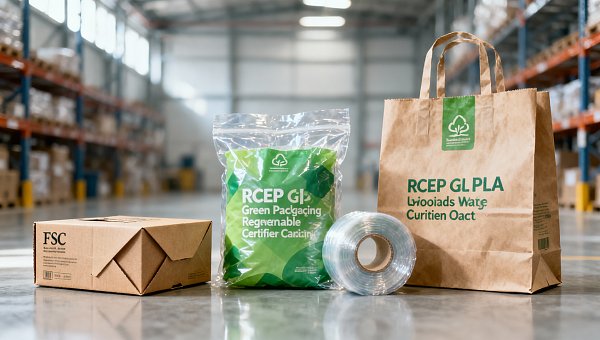
 RCEP Green Packaging Mutual Recognition Takes EffectRCEP Green Packaging Mutual Recognition takes effect Apr 22, 2026—streamline exports to AU, NZ, JP, KR with GB/T 37629–2019 certified molded fiber & PLA packaging.
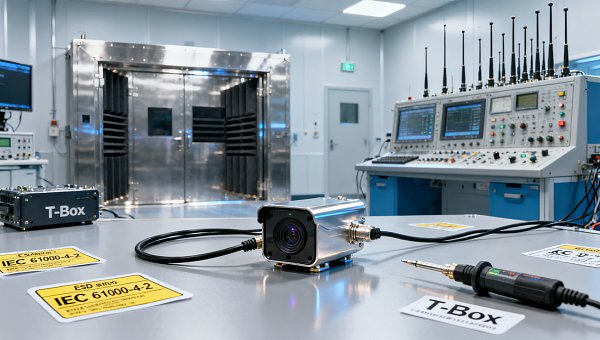
 Mexico NOM-019-SCFI-2026 Effective: EMC Certification Required for Auto Electronics ExportsEMC certification is now mandatory for auto electronics exports to Mexico under NOM-019-SCFI-2026. Ensure compliance for rearview mirrors, radar sensors & T-Box units—avoid shipment delays and order cancellations.
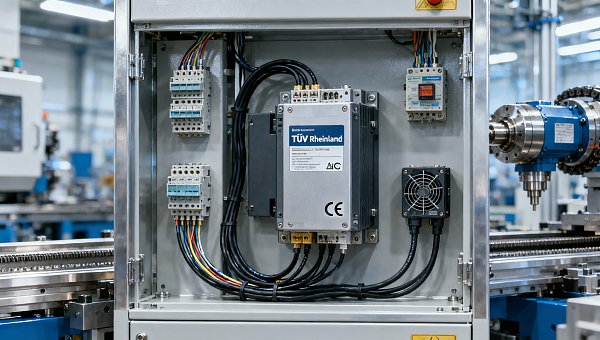
") TÜV Rheinland Updates CE Requirements for Servo Drives (PLd + EMC Joint Validation)TÜV Rheinland now mandates joint PLd + EMC validation for servo drives under CE marking—learn how this impacts certification timelines, lab selection, and EU market access.
TÜV Rheinland Updates CE Requirements for Servo Drives (PLd + EMC Joint Validation)TÜV Rheinland now mandates joint PLd + EMC validation for servo drives under CE marking—learn how this impacts certification timelines, lab selection, and EU market access. Vietnam Suspends SASO Mutual Recognition for Chinese Irrigation EquipmentVietnam suspends SASO mutual recognition for Chinese irrigation equipment—urgent compliance updates for drip tapes & PE pipes (HS 8424.89/3917.39). Act now to avoid delays.
 FDA Finalizes AI Diagnostic Device Rules for ImportersFDA finalizes AI diagnostic device rules for importers: New bias assessment mandate impacts ultrasound, glucose analyzers & dermatoscopes. Act now to ensure U.S. market access.
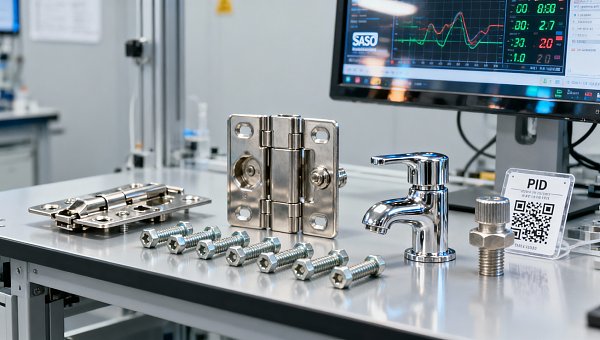
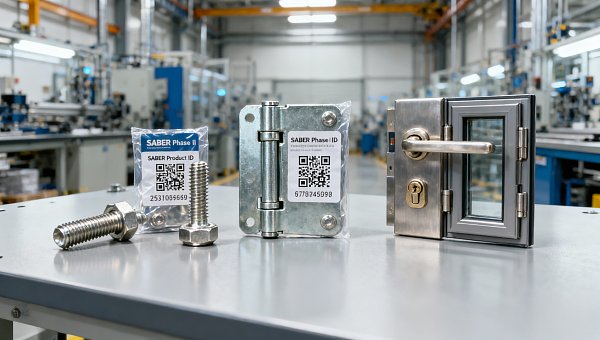
 SABER Phase II Live: Saudi Building Hardware Requires Digital Type Test Reports & PIDSABER Phase II is live: Building hardware exports to Saudi Arabia now require digital type test reports & a mandatory, immutable Product ID (PID). Act now to avoid customs delays!
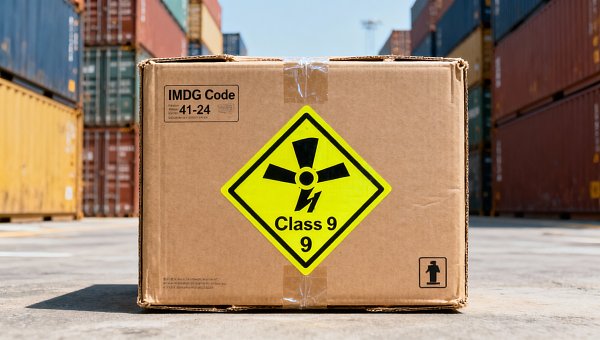
 IMDG Code 41-24 Enforced: UN3480 Lithium Battery Labeling Mandatory from Apr 2026IMDG Code 41-24 enforcement starts Apr 2026: UN3480 lithium battery labeling & ISO 17363 docs are now mandatory—avoid port rejections!
 CBAM Carbon Tax Launch: Low CBAM Reporting Rate Among Chinese ExportersCBAM Carbon Tax is live—only 36.8% of Chinese exporters reported. Discover why, which industries are at risk, and how to secure EU market access now.
 China’s 10 Agencies Issue AI Export Ethics Review RulesChina’s 10 agencies launch AI export ethics rules—mandating bias reviews for visual inspection, warehouse AI & defect detection systems. Stay compliant & competitive.
 RCEP Green Packaging Mutual Recognition Takes EffectRCEP Green Packaging Mutual Recognition is now in effect—unlock faster customs clearance in Australia, NZ, Japan & Korea for GB/T 37659–2019-certified eco-packaging.
 Mexico NOM-019-SCFI-2026 Effective Apr 10, 2026: EMC Certification Required for Automotive ElectronicsNOM-019-SCFI-2026 EMC certification is now mandatory for automotive electronics entering Mexico — act before the July 1, 2026 customs ban.
 Red Sea Rerouting Normalized, EBA at $1,850/TEURed Sea rerouting normalized with EBA fixed at $1,850/TEU—learn how this structural shift impacts Asia-Europe freight costs, lead times & supply chain strategy.
 FDA AI Diagnostic Device Draft Rules: Bias Assessment for ImportsFDA AI diagnostic device draft rules require bias assessment for imports—learn how portable ultrasound, glucose, and dermatoscopic AI devices are affected & what to do next.
") TÜV Rheinland Updates CE Requirements for Servo Drives (PLd + EMC)TÜV Rheinland updates CE requirements for servo drives: PLd (ISO 13849-1) + EMC immunity (IEC 61000-6-2 Ed.4) now mandatory together — act now to avoid EU market delays!
TÜV Rheinland Updates CE Requirements for Servo Drives (PLd + EMC)TÜV Rheinland updates CE requirements for servo drives: PLd (ISO 13849-1) + EMC immunity (IEC 61000-6-2 Ed.4) now mandatory together — act now to avoid EU market delays! SABER Phase II Launch: Building Hardware Must Submit Digital Type Test Reports & Unique Product IDSABER Phase II now mandates digital type test reports & unique product IDs for building hardware—fasteners, scaffolding, door/window components. Ensure compliance to avoid customs rejection & SCOC delays.
 Vietnam Suspends SASO Mutual Recognition for Chinese Irrigation EquipmentVietnam suspends SASO mutual recognition for Chinese irrigation equipment—TCVN testing now mandatory. Act now to avoid 8–12 week delays and customs holdups.
 IMDG Code 41-24 Enforced: UN3480 Lithium Battery Labeling UpdateIMDG Code 41-24 enforcement starts April 2026: UN3480 lithium battery labeling updates are mandatory for global maritime shipments — avoid port delays, detention & penalties.
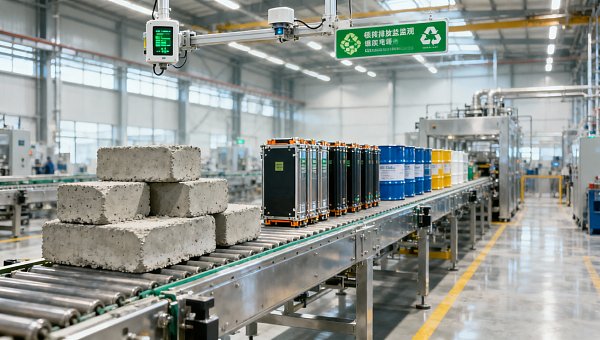
 EU CBAM Enters Full Enforcement on Jan 1, 2026EU CBAM full enforcement starts Jan 1, 2026 — mandatory quarterly reporting & certificate purchases for batteries, steel, cement, aluminum, fertilizers & chemicals. Act now to ensure EU market access.
 EU CBAM Carbon Tariff Starts Oct 2026 for Chinese Battery, Cement, Chemical ExportsEU CBAM carbon tariff hits Chinese battery, cement & chemical exports from Oct 2026 — mandatory emissions reporting starts now. Avoid €98/t default fees.








Popular Tags
Global Trade Insights & Industry
Our mission is to empower global exporters and importers with data-driven insights that foster strategic growth.
Search News
Popular Tags
Industry Overview
The global commercial kitchen equipment market is projected to reach $112 billion by 2027. Driven by urbanization, the rise of e-commerce food delivery, and strict hygiene regulations.