

Tangshan Beijiao Thermal Power Unit 1 A-Check Starts
On April 24, 2026, Tangshan Beijiao Thermal Power Co., Ltd. initiated the first A-level maintenance of its Unit 1 — a 6-year continuously operated unit — triggering concentrated procurement demand for domestically produced industrial valves, high-temperature/pressure sensors, and fire-resistant cables. This event signals tightening delivery windows for key国产 (domestically manufactured) MRO components, with implications for thermal power plant maintenance supply chains, domestic component exporters, and overseas power project support services.
Event Overview
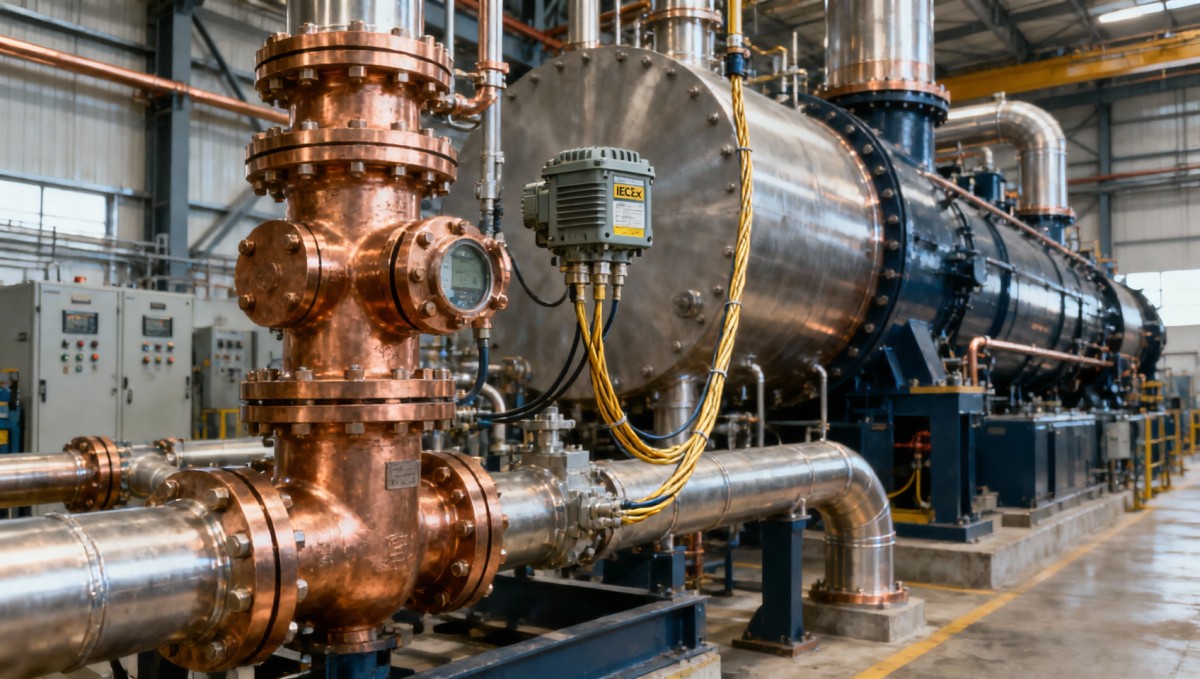
On April 24, 2026, Tangshan Beijiao Thermal Power Company commenced the A-level maintenance of its Unit 1, the unit’s first such overhaul since commissioning. The maintenance covers the boiler, steam turbine, DCS system, and the entire plant’s safety instrumentation loop. The scheduled duration is 85 days. During this period, demand has emerged for domestically supplied high-temperature/high-pressure valves, explosion-proof temperature and pressure sensors, and fire-resistant cables. Multiple domestic suppliers report delivery slots fully booked through Q3 2026, potentially affecting export fulfillment timelines for overseas power plant MRO projects.
Industries Affected
Direct Export Trading Enterprises
These firms supplying Chinese-made valves, sensors, or fire-rated cables to overseas thermal power projects may face delayed order fulfillment. Impact manifests as extended lead times for export shipments, increased coordination effort with foreign buyers, and potential contract renegotiation if Q3 2026 delivery commitments cannot be met.
Domestic Component Manufacturers (Valves & Sensors)
Manufacturers of industrial-grade valves and explosion-proof instrumentation are experiencing compressed production planning windows. Impact includes intensified capacity allocation pressure, reduced flexibility for non-priority orders, and heightened scrutiny on raw material sourcing timelines — especially for specialty alloys and certified sensor housings.
Power Plant Maintenance & EPC Contractors
Contractors supporting domestic or international thermal plants may encounter delays in securing critical spares for concurrent A-checks. Impact centers on schedule risk for maintenance windows, potential cost escalation from expedited logistics, and increased reliance on pre-positioned inventory or alternative qualified suppliers.
Supply Chain & Logistics Service Providers
Firms offering integrated procurement, customs clearance, or just-in-time warehousing for industrial MRO parts face rising complexity. Impact includes tighter coordination cycles with manufacturers, greater need for real-time delivery visibility, and higher demand for buffer stock management services — particularly for fire-rated cable and Class III instrumentation categories.
What Relevant Enterprises or Practitioners Should Focus On
Monitor official procurement announcements from State Grid-affiliated thermal plants
Follow tender releases and supplementary procurement notices from North China grid-connected thermal power plants over Q2–Q3 2026; these may indicate whether similar A-check cascades are planned, amplifying regional demand pressure beyond Tangshan.
Track delivery commitments for three priority categories
Specifically verify current quoted lead times — not just published catalog lead times — for (1) ASTM A182 F22 forged steel valves rated ≥10MPa/540°C, (2) IECEx-certified PT100 temperature sensors with SIL2 capability, and (3) mineral-insulated copper-clad (MICC) fire-resistant cables meeting GB/T 19666-2019. These represent the most constrained items cited in supplier feedback.
Assess inventory positioning ahead of Q3 2026
For enterprises maintaining MRO stock, evaluate current holdings against minimum safety stock levels for the above three categories. Where gaps exist, prioritize procurement before mid-July 2026 to avoid Q3 delivery bottlenecks.
Distinguish between policy intent and operational reality
While national energy policies emphasize domestic substitution in thermal power infrastructure, actual field deployment remains governed by certification validity, spare part traceability, and OEM approval status. Verify technical equivalency documentation — not just domestic origin — before committing to alternate suppliers.
Editorial Perspective / Industry Observation
Observably, this A-check initiation functions less as an isolated maintenance event and more as a near-term indicator of tightening capacity across critical domestic industrial automation and fluid control supply tiers. Analysis shows that the reported Q3 2026 delivery constraint reflects cumulative demand from multiple aging thermal units entering mid-life overhaul cycles — not just Tangshan Beijiao. From an industry perspective, it is better understood as an early signal of localized supply chain stress rather than a systemic shortage; however, its timing coincides with peak global MRO tender activity for coal-to-biomass retrofits and combined-cycle upgrades, raising cross-border scheduling sensitivity. Continued monitoring is warranted — particularly whether similar lead-time extensions appear in Q2 tender addenda from Shandong, Hebei, and Inner Mongolia thermal fleets.
Conclusion: This event underscores how routine thermal power maintenance cycles can expose latent capacity constraints in domestically sourced industrial components. It does not indicate broad-based scarcity, but rather highlights a time-bound inflection point where procurement timing, technical certification alignment, and regional manufacturing load converge. Current interpretation should focus on tactical supply assurance — not strategic substitution shifts.
Source: Public announcement by Tangshan Beijiao Thermal Power Co., Ltd. (April 24, 2026); supplier delivery confirmation statements (collected April 24–25, 2026). Note: Ongoing observation required for follow-up procurement notices from other North China thermal plants through June 2026.
Recommended News
 MIIT Launches Space-Based Computing & Power-Compute CoordinationMIIT launches space-based computing & power-compute coordination—boosting modular IDC exports, liquid-cooled servers, and solar-powered data centers for arid regions.
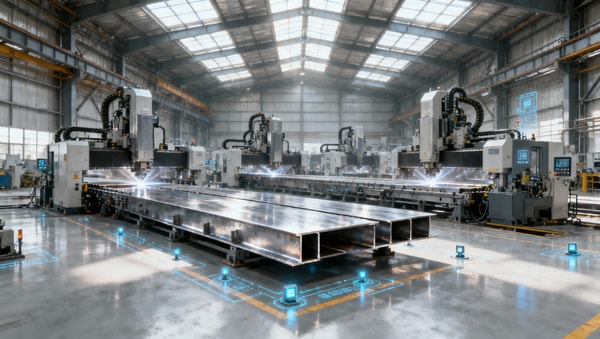
 Tangshan Iron Tower Smart Base Processes 600K Tons Steel AnnuallyTangshan Iron Tower Smart Base processes 600K tons steel annually—42× faster angle steel marking, API-enabled traceability for Belt and Road infrastructure projects.
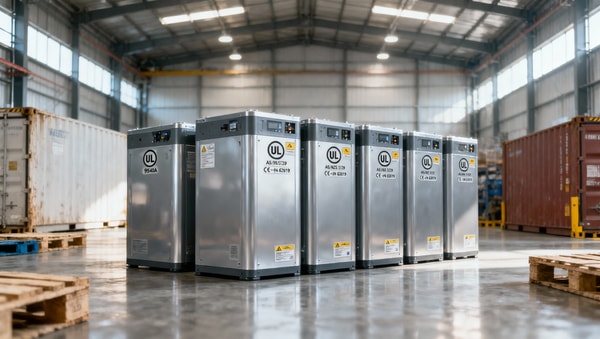
 Q1 2026 Lithium Battery Export Prices Rise 11.3% for ESSQ1 2026 Lithium Battery Export Prices Rise 11.3% for ESS — $128/kWh amid UL 9540A costs, freight normalization & surging demand in Vietnam, Germany, Australia.
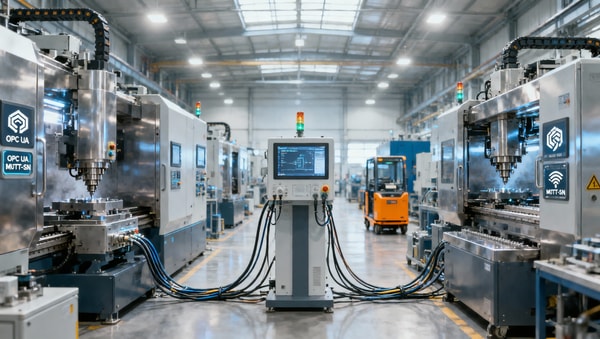
 China Launches 'Model-Data Resonance' Initiative for AI+Manufacturing InteroperabilityChina's 'Model-Data Resonance' initiative launches AI+Manufacturing interoperability standard—key for global buyers, OEMs & integrators seeking seamless smart factory integration.
 China's First Embodied AI Robot Export Liability Insurance Launched in GuangxiChina's first Embodied AI Robot Export Liability Insurance launched in Guangxi—covers AI decision errors, data breaches & third-party harm for robotics, medtech & security exporters.
 State Grid’s $680M Embodied AI Equipment Procurement LaunchesState Grid’s $680M embodied AI equipment procurement demands IEC 62443 & GB/T 38925 compliance—unlock global infrastructure bids now.
 RCEP Green Packaging Mutual Recognition Extended to AU, NZ, JP, KRRCEP green packaging mutual recognition now extends to AU, NZ, JP, KR — unlock faster customs clearance & 22% lower inspection costs for GB/T 38727-2020-compliant sustainable food packaging exports from China.
 Tangshan Beijiao Thermal Power Unit 1 A-Check StartsTangshan Beijiao Thermal Power Unit 1 A-Check starts Apr 2026 — urgent demand for domestic industrial valves, high-temp sensors & fire-resistant cables. Act now to secure Q3 2026 supply.
 WeChat Pay Integrates QR Codes from 5 Countries for Cross-Border B2B PaymentsWeChat Pay integrates QR codes from 5 countries for cross-border B2B payments—faster T+0 settlement, 35% lower fees, and seamless USD 50K transactions.
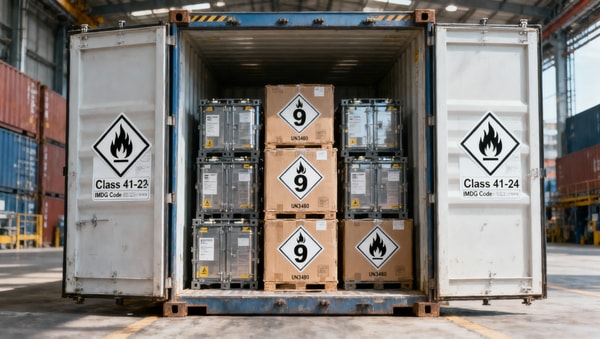
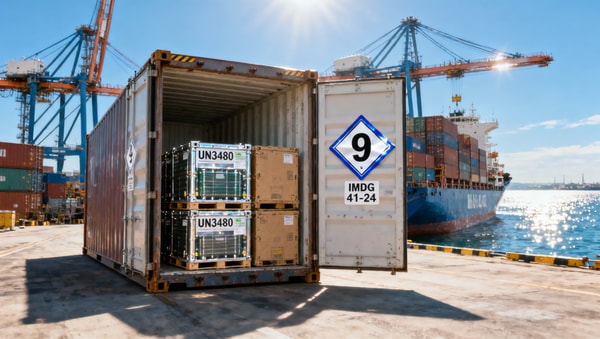
 IMDG Code 41-24 Enforces New UN3480 Labeling for Lithium BatteriesIMDG Code 41-24 mandates new UN3480 labeling for lithium batteries from 29 April 2026 — avoid shipment rejection. Act now to ensure compliance.
 China-France Nuclear Cooperation Advances at Beijing ExpoChina-France nuclear cooperation advances: mutual recognition for nuclear-grade seals, cables & radiation monitors boosts export readiness for suppliers targeting EU and BRI projects.
 Vietnam’s 4 Provinces Seek AI Tourism Tech in NanningAI tourism tech in demand: Vietnam’s 4 provinces seek AI-guided terminals, multilingual interpretation, AI-CCTV & smart ticketing in Nanning—key opportunity for B2G exporters.
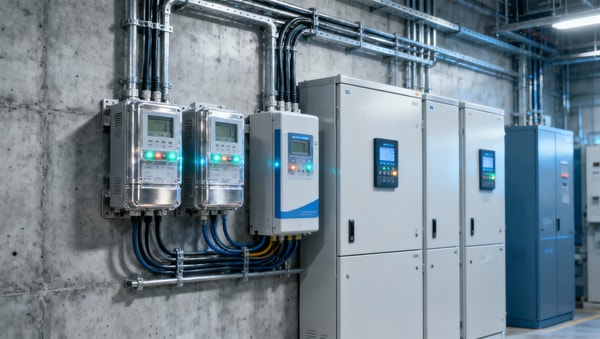
 Q1 2026 China Power Market Trading Up 25.6%: Smart Meters, Storage Export Demand RisesSmart meters, energy storage exports surge as China’s Q1 2026 power market trading jumps 25.6% — key signal for global manufacturers & channel partners.
 China First Country with 5M+ Active Invention PatentsChina first country with 5M+ active invention patents—key for buyers in AI, solar, lithium battery & energy storage. Discover IP implications for sourcing, compliance & supplier vetting.
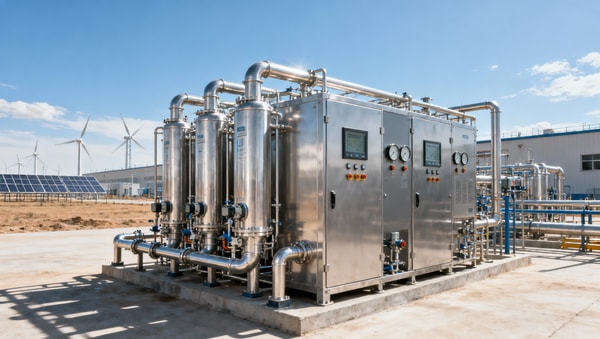
 Shenneng Etorkeqi Green Ammonia Project: Deionized Water Station OperationalShenneng Etorkeqi Green Ammonia Project’s deionized water station is now operational—ISO 8502-3 compliant, fully integrated, and a key milestone for global green hydrogen developers and exporters.
 China Launches 'Model-Data Resonance' Initiative for AI+Manufacturing InteroperabilityModel-Data Resonance initiative boosts AI+manufacturing interoperability—learn how GB/T XXXX–2026 aligns with VDI 2182 & ISA-95 for smoother global factory deployments.
 China’s First Embodied AI Robot Insurance Launched in GuangxiChina’s first embodied AI robot insurance launched in Guangxi—key for robotics exporters, AI hardware makers & global compliance teams. CE-recognized, EU/UK/AU-ready.
 IMDG Code 41-24 Enforced: UN3480 Lithium Battery Labeling Now MandatoryIMDG Code 41-24 is now mandatory: UN3480 lithium battery labeling, documentation & packaging rules are enforced globally as of 28 April 2026 — avoid port rejections!
 State Grid’s $680M Embodied AI Procurement Signals Export OpportunityEmbodied AI, IEC 61850 & IEC 62443: State Grid’s $680M procurement unlocks export opportunities for compliant industrial robots and smart vision systems in emerging markets.
 IMDG Code 41-24 Enforces UN3480 Class 9 Labeling for Lithium Battery Sea FreightIMDG Code 41-24 mandates UN3480 lithium battery sea freight to display durable Class 9 labels from April 27, 2026—avoid delays & port rejections.
 ESS Key Component Prices Drop ~80%: Quality & Compliance RiseESS key component prices dropped ~80%—but quality & compliance demands surged. Discover how UL 9540A, AS/NZS 5139, and certified BMS/inverters now define market access.









Popular Tags
Global Trade Insights & Industry
Our mission is to empower global exporters and importers with data-driven insights that foster strategic growth.
Search News
Popular Tags
Industry Overview
The global commercial kitchen equipment market is projected to reach $112 billion by 2027. Driven by urbanization, the rise of e-commerce food delivery, and strict hygiene regulations.