

Organic Chemicals Price Swings Often Start With Feedstock Changes
Organic chemicals prices often move long before finished markets react, and feedstock shifts are usually the first signal. For buyers and analysts tracking organic chemicals, solvents, carbon fiber, and graphene, understanding these upstream changes is essential for smarter sourcing and risk control. In a market also shaped by demand from sectors like fast fashion, swimwear, garden tools, power tools, bedroom sets, and even car seat covers, early price insight can create a real commercial advantage.
For procurement teams, distributors, and commercial evaluators, the challenge is rarely a single price jump. The real issue is timing: by the time downstream quotations change, margin pressure may already be locked in for 30, 60, or even 90 days. In global trade, where contracts, shipping schedules, and inventory cycles overlap, feedstock monitoring becomes a practical sourcing tool rather than a theoretical market exercise.
This matters across a broad industrial landscape. Organic chemicals and solvents sit upstream of coatings, adhesives, textiles, composites, home goods, automotive interiors, and industrial tooling. Carbon fiber and graphene may serve more specialized applications, but they are still tied to precursor costs, energy input, and supply chain availability. When feedstock changes begin, informed buyers can adjust order windows, negotiate index-linked terms, or diversify suppliers before pressure spreads.
Why Feedstock Changes Lead Organic Chemicals Price Swings
Most organic chemicals price movements start upstream because feedstocks define the initial cost floor. Inputs such as crude derivatives, naphtha, natural gas liquids, benzene, toluene, propylene, and methanol often account for 40% to 75% of production economics, depending on the product family. When one of these moves sharply within 1 to 3 weeks, the effect can pass through to solvents, intermediates, and specialty materials faster than many downstream buyers expect.
The pass-through is not always linear. A 5% rise in benzene does not mean every aromatic derivative will increase by exactly 5%. Capacity utilization, plant outages, utility costs, and regional logistics can amplify or soften the effect. Still, feedstock shifts remain the earliest visible signal because they influence producer sentiment, offer levels, and replacement cost calculations before invoices at the finished-goods level are revised.
For example, solvent producers buying upstream petrochemical inputs may react within a single monthly pricing cycle, while downstream users in furniture, apparel accessories, or automotive interiors may only feel the impact after 4 to 8 weeks. That lag creates a short decision window for buyers who monitor the right indicators.
Common upstream triggers to watch
In practice, several triggers repeatedly precede organic chemicals price swings. Buyers do not need a complex forecasting model to benefit from this information, but they do need a disciplined watchlist and a routine review cycle.
- Feedstock price jumps of 3% to 10% within 2 weeks, especially in benzene, propylene, methanol, or ethylene-linked chains.
- Planned or unplanned shutdowns at crackers, refineries, or derivative plants lasting 7 to 30 days.
- Energy cost increases, particularly when electricity or gas expenses materially affect carbon fiber or graphene processing.
- Freight disruptions that extend typical delivery lead times from 2 weeks to 5 weeks or more.
For sourcing teams, the value lies in combining these signals rather than reacting to one data point in isolation. When feedstock costs rise alongside tighter plant operating rates and longer shipping lead times, the probability of broader price firming increases significantly.
How fast pass-through usually happens
Commodity solvents often adjust the fastest, sometimes within 2 to 4 weeks. Intermediates used in coatings, resins, or textile treatments may move in 3 to 6 weeks. More specialized inputs, including some carbon fiber precursor chains or graphene-related materials, may have slower public price visibility but stronger swings once suppliers reset offers due to tighter availability or higher process costs.
How Upstream Chemicals Affect Downstream Buying Across Industries
Organic chemicals do not exist in isolation. A shift in solvent or intermediate pricing can ripple into consumer-facing and industrial sectors that appear unrelated at first glance. Fast fashion and swimwear depend on dyes, coatings, elastomer additives, packaging inks, and finishing agents. Garden tools and power tools rely on plastics, coatings, lubricants, adhesives, and molded components. Bedroom sets and car seat covers use foams, fabrics, laminates, coatings, and bonding systems that frequently trace back to upstream organic chemicals.
This interconnection explains why procurement teams in broader manufacturing categories should watch feedstocks even if they do not purchase raw chemicals directly. If a car seat cover producer uses synthetic backing materials and adhesive systems, a rise in aromatic solvents or polymer intermediates may reach trim component quotations within one or two purchasing cycles. The same pattern can affect furniture laminates or tool-handle coatings.
The table below outlines how upstream changes tend to flow through different sectors and where decision-makers should focus their attention first.
A key conclusion is that downstream industries rarely react at the same speed. Businesses with short seasonal windows, such as apparel and promotional product lines, often need faster purchasing decisions than sectors with longer planning horizons. That is why broad-market intelligence matters: it helps buyers align the timing of sourcing actions with the actual transmission speed of upstream cost changes.
Why this matters for distributors and agents
Distributors and commercial intermediaries face a dual risk. If they hold too much stock, they can be caught with expensive inventory during a correction. If they hold too little, they may be forced to replenish after a 6% to 12% supplier increase. Monitoring feedstock direction helps them manage both inventory turnover and customer quoting discipline.
For cross-border trade businesses, the risk grows when chemical input inflation overlaps with currency swings and freight volatility. A buyer may face only a 4% upstream feedstock increase, but the landed cost can rise 8% to 15% after transport, packaging, and financing are included. That is why price intelligence should be paired with full landed-cost analysis.
What Procurement Teams Should Monitor Before Prices Move
A useful monitoring system does not need to be expensive, but it must be consistent. Most procurement teams can build an effective early-warning process using a weekly review cycle, a monthly supplier check-in, and a simple scorecard covering feedstocks, supply availability, lead times, and downstream demand. The goal is not perfect prediction. The goal is to spot directional pressure early enough to protect margin and continuity.
For organic chemicals, solvents, carbon fiber, and graphene, the most practical indicators are price direction, operating rates, order backlog, and quote validity periods. When quote validity falls from 30 days to 7 days, that alone may indicate suppliers expect cost movement. When lead times expand from 14 days to 28 days, availability risk is often building before official price announcements become widespread.
The matrix below can help buyers prioritize which signals deserve immediate action and which only require observation.
A monitoring framework becomes far more effective when ownership is clear. Procurement can track commercial quotes, operations can review stock cover, and commercial teams can assess customer pass-through potential. When these functions update a shared dashboard every 7 days, reaction time improves materially.
A simple 4-step monitoring routine
- Track 5 to 8 key feedstocks tied to your material basket, not the whole market.
- Review supplier quote validity, lead times, and minimum order quantity changes every week.
- Score supply risk on a 1 to 5 scale using cost, availability, logistics, and substitute options.
- Trigger buying actions when at least 2 high-risk signals appear at the same time.
This approach is practical for SMEs as well as larger importers. It also supports better dialogue with suppliers because the buyer is responding to measurable signals rather than reacting emotionally to a headline or a single offer revision.
Sourcing Strategies for Solvents, Carbon Fiber, and Graphene Under Volatile Conditions
Different product groups require different buying strategies. Commodity solvents usually benefit from agile contracting, frequent market checks, and inventory discipline. Carbon fiber and graphene often require a more technical sourcing model because quality consistency, process fit, and supplier capability matter as much as price direction. A low quote is not useful if material variation disrupts production yield or customer specifications.
For solvents, buyers can often segment purchases into base-load volume and flexible top-up volume. For example, 60% to 70% of expected demand can be covered under monthly or quarterly arrangements, while the remaining 30% to 40% stays open for tactical buying when upstream feedstock signals improve. This creates flexibility without exposing the full demand plan to spot-market volatility.
For carbon fiber and graphene, the sourcing decision should include at least 4 dimensions: precursor sensitivity, energy intensity, technical specification stability, and regional supply concentration. Because these categories may have longer qualification cycles of 4 to 12 weeks, buyers need earlier market signals and stronger supplier communication than they do for common solvents.
Practical negotiation and contracting options
A well-designed contract can absorb part of the volatility. Instead of fixed assumptions for an entire quarter, many buyers use trigger-based reviews tied to feedstock ranges, lead-time changes, or predefined allocation events. This does not eliminate risk, but it makes cost changes easier to explain internally and commercially.
- Use index-aware review clauses for products with strong petrochemical linkage.
- Request quote validity of at least 14 days where market conditions allow.
- Build a 2-source structure for critical materials with lead times above 30 days.
- Separate technical approval from price negotiation for advanced materials like graphene.
Avoiding common sourcing mistakes
One common mistake is focusing only on unit price. In volatile organic chemicals markets, the better decision may be the supplier with slightly higher nominal pricing but more stable lead times, clearer replacement-cost logic, and stronger batch consistency. Another mistake is delaying orders after the first sign of a correction, only to discover that availability has tightened even though published benchmarks softened.
For distributors and agents, communication speed is a competitive advantage. When customers understand why upstream feedstock changes matter and how quickly they may affect quotations, the path to revised pricing becomes more credible and less disruptive.
Risk Control, Market Intelligence, and Better Commercial Decisions
In global B2B trade, good purchasing is not just about finding a supplier. It is about building a market view that connects feedstock movement, production economics, logistics, and downstream demand timing. That is why market intelligence platforms have become increasingly important for exporters, importers, distributors, and sourcing teams working across multiple industries.
For organizations serving 50+ sectors, the advantage of aggregated intelligence is visibility across seemingly separate demand pools. A buyer of solvents may benefit from knowing that apparel exports are recovering, that furniture inputs are seeing renewed replenishment, or that automotive interior orders are tightening lead times. These signals help explain whether a feedstock increase is likely to fade within 2 weeks or extend into a broader pricing cycle lasting 1 to 3 months.
Platforms such as GTIIN and TradeVantage create value by turning fragmented market inputs into decision-ready signals. Real-time updates, deep-dive analysis, and cross-sector coverage support faster commercial judgment for research teams, procurement staff, business evaluators, and channel partners. In practice, that means better timing for RFQs, stronger supplier conversations, and more credible customer pricing strategies.
FAQ for buyers and market researchers
How often should buyers review feedstock-linked markets?
For most organic chemicals and solvents, a weekly review is sufficient under normal conditions. During rapid volatility, such as a 5% to 8% feedstock move in less than 10 days, review frequency should increase to 2 or 3 times per week for critical categories.
Which materials are usually the most sensitive to upstream change?
Commodity solvents, aromatic derivatives, and polymer-linked intermediates often move first because of their strong feedstock linkage. Carbon fiber and graphene may be less transparent in published pricing, but they can still shift sharply when precursor or energy costs tighten.
What stock strategy works best during early price pressure?
A balanced approach usually works better than aggressive overbuying. Many firms target 2 to 6 weeks of additional coverage only for high-risk materials, while keeping standard stock for non-critical lines. The right level depends on cash flow, shelf life, forecast reliability, and replenishment lead time.
How can distributors explain price adjustments to customers?
The most effective method is to link the revision to specific upstream factors: feedstock movement, longer lead times, or restricted allocation. Customers respond better when the explanation includes timing, cost drivers, and a practical validity window rather than a generic statement about “market fluctuation.”
Organic chemicals price swings rarely begin at the end of the chain. They start with feedstocks, then move through processing costs, operating rates, logistics, and availability before reaching downstream sectors. Buyers who watch those upstream signals can respond earlier, source more intelligently, and reduce unnecessary margin loss.
For information researchers, procurement teams, business evaluators, and distributors, the commercial advantage comes from combining market monitoring with practical sourcing action. If you need deeper cross-sector insights, supplier-facing intelligence, or tailored market visibility across chemicals and related industries, contact us to get a customized solution, discuss product details, or explore more trade intelligence options through GTIIN and TradeVantage.
Recommended News
 China’s 10-Dept AI Export Ethics Review Rule Takes EffectChina’s new 10-dept AI export ethics rule mandates algorithmic bias review for AI hardware bound for the EU, US, Canada, Japan & SK—key for smart cameras, voice assistants & industrial vision exporters.
 Red Sea Detour Now Standard: $1,850 TEU Premium on Asia-Europe RoutesRed Sea detour premium now standard: $1,850/TEU surcharge embedded in Asia-Europe freight rates — vital intel for exporters, importers & logistics teams.
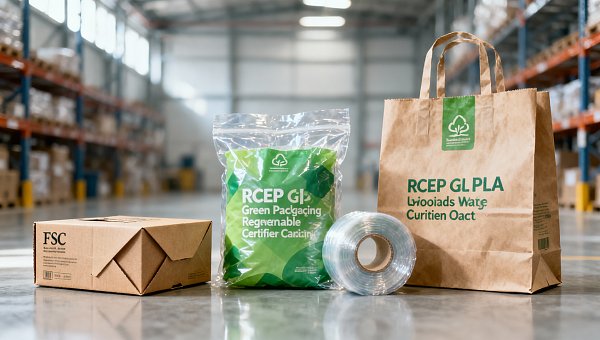
 RCEP Green Packaging Mutual Recognition Takes EffectRCEP Green Packaging Mutual Recognition takes effect Apr 22, 2026—streamline exports to AU, NZ, JP, KR with GB/T 37629–2019 certified molded fiber & PLA packaging.
 Mexico NOM-019-SCFI-2026 Effective: EMC Certification Required for Auto Electronics ExportsEMC certification is now mandatory for auto electronics exports to Mexico under NOM-019-SCFI-2026. Ensure compliance for rearview mirrors, radar sensors & T-Box units—avoid shipment delays and order cancellations.
") TÜV Rheinland Updates CE Requirements for Servo Drives (PLd + EMC Joint Validation)TÜV Rheinland now mandates joint PLd + EMC validation for servo drives under CE marking—learn how this impacts certification timelines, lab selection, and EU market access.
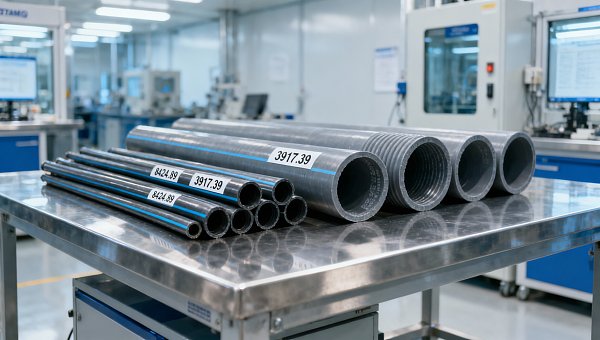
TÜV Rheinland Updates CE Requirements for Servo Drives (PLd + EMC Joint Validation)TÜV Rheinland now mandates joint PLd + EMC validation for servo drives under CE marking—learn how this impacts certification timelines, lab selection, and EU market access. Vietnam Suspends SASO Mutual Recognition for Chinese Irrigation EquipmentVietnam suspends SASO mutual recognition for Chinese irrigation equipment—urgent compliance updates for drip tapes & PE pipes (HS 8424.89/3917.39). Act now to avoid delays.
 FDA Finalizes AI Diagnostic Device Rules for ImportersFDA finalizes AI diagnostic device rules for importers: New bias assessment mandate impacts ultrasound, glucose analyzers & dermatoscopes. Act now to ensure U.S. market access.
 SABER Phase II Live: Saudi Building Hardware Requires Digital Type Test Reports & PIDSABER Phase II is live: Building hardware exports to Saudi Arabia now require digital type test reports & a mandatory, immutable Product ID (PID). Act now to avoid customs delays!
 IMDG Code 41-24 Enforced: UN3480 Lithium Battery Labeling Mandatory from Apr 2026IMDG Code 41-24 enforcement starts Apr 2026: UN3480 lithium battery labeling & ISO 17363 docs are now mandatory—avoid port rejections!
 CBAM Carbon Tax Launch: Low CBAM Reporting Rate Among Chinese ExportersCBAM Carbon Tax is live—only 36.8% of Chinese exporters reported. Discover why, which industries are at risk, and how to secure EU market access now.
 China’s 10 Agencies Issue AI Export Ethics Review RulesChina’s 10 agencies launch AI export ethics rules—mandating bias reviews for visual inspection, warehouse AI & defect detection systems. Stay compliant & competitive.
 RCEP Green Packaging Mutual Recognition Takes EffectRCEP Green Packaging Mutual Recognition is now in effect—unlock faster customs clearance in Australia, NZ, Japan & Korea for GB/T 37659–2019-certified eco-packaging.
 Mexico NOM-019-SCFI-2026 Effective Apr 10, 2026: EMC Certification Required for Automotive ElectronicsNOM-019-SCFI-2026 EMC certification is now mandatory for automotive electronics entering Mexico — act before the July 1, 2026 customs ban.
 Red Sea Rerouting Normalized, EBA at $1,850/TEURed Sea rerouting normalized with EBA fixed at $1,850/TEU—learn how this structural shift impacts Asia-Europe freight costs, lead times & supply chain strategy.
 FDA AI Diagnostic Device Draft Rules: Bias Assessment for ImportsFDA AI diagnostic device draft rules require bias assessment for imports—learn how portable ultrasound, glucose, and dermatoscopic AI devices are affected & what to do next.
") TÜV Rheinland Updates CE Requirements for Servo Drives (PLd + EMC)TÜV Rheinland updates CE requirements for servo drives: PLd (ISO 13849-1) + EMC immunity (IEC 61000-6-2 Ed.4) now mandatory together — act now to avoid EU market delays!
TÜV Rheinland Updates CE Requirements for Servo Drives (PLd + EMC)TÜV Rheinland updates CE requirements for servo drives: PLd (ISO 13849-1) + EMC immunity (IEC 61000-6-2 Ed.4) now mandatory together — act now to avoid EU market delays! SABER Phase II Launch: Building Hardware Must Submit Digital Type Test Reports & Unique Product IDSABER Phase II now mandates digital type test reports & unique product IDs for building hardware—fasteners, scaffolding, door/window components. Ensure compliance to avoid customs rejection & SCOC delays.
 Vietnam Suspends SASO Mutual Recognition for Chinese Irrigation EquipmentVietnam suspends SASO mutual recognition for Chinese irrigation equipment—TCVN testing now mandatory. Act now to avoid 8–12 week delays and customs holdups.
 IMDG Code 41-24 Enforced: UN3480 Lithium Battery Labeling UpdateIMDG Code 41-24 enforcement starts April 2026: UN3480 lithium battery labeling updates are mandatory for global maritime shipments — avoid port delays, detention & penalties.
 EU CBAM Enters Full Enforcement on Jan 1, 2026EU CBAM full enforcement starts Jan 1, 2026 — mandatory quarterly reporting & certificate purchases for batteries, steel, cement, aluminum, fertilizers & chemicals. Act now to ensure EU market access.
 EU CBAM Carbon Tariff Starts Oct 2026 for Chinese Battery, Cement, Chemical ExportsEU CBAM carbon tariff hits Chinese battery, cement & chemical exports from Oct 2026 — mandatory emissions reporting starts now. Avoid €98/t default fees.



















Popular Tags
Global Trade Insights & Industry
Our mission is to empower global exporters and importers with data-driven insights that foster strategic growth.
Search News
Popular Tags
Industry Overview
The global commercial kitchen equipment market is projected to reach $112 billion by 2027. Driven by urbanization, the rise of e-commerce food delivery, and strict hygiene regulations.