

Next-Gen Wireless Charging Still Faces One Annoying User Problem
Next-gen wireless charging promises a cleaner, cable-free future, but many consumers still run into one frustrating issue: precise device placement. Even with faster speeds and smarter designs, charging can stop or slow down if a phone is slightly misaligned. This lingering inconvenience shows that while the technology is advancing, user experience remains the real battleground for mass adoption.
Why does next-gen wireless charging still feel inconvenient in daily use?
For many buyers, the appeal of next-gen wireless charging is obvious. It reduces cable clutter, supports modern device ecosystems, and fits neatly into desks, cars, bedside tables, and public spaces. Yet the core complaint has not disappeared: users still need to place the phone in just the right spot, or charging becomes slow, unstable, or interrupted.
This is not a small usability issue. For end consumers, charging is not a showcase feature. It is a routine task expected to work instantly and predictably. If a charging pad requires repeated adjustment, visual alignment, or removal of thick cases and accessories, the gap between technical promise and lived experience becomes impossible to ignore.
From a broader industry perspective, this also matters because consumer frustration travels upstream. It shapes retail reviews, influences repeat purchases, and affects how brands source components, design accessories, and position new devices. Platforms such as GTIIN and TradeVantage track these shifts across global supply chains, helping businesses understand how a small user pain point can become a major market signal.
- Users expect drop-and-charge convenience, not trial-and-error positioning.
- Misalignment often causes heat, reduced efficiency, or charging pauses.
- Different phone sizes, camera bumps, and case thicknesses make one-pad-fits-all design difficult.
- Retail buyers increasingly compare real-world usability, not just advertised wattage.
What is really causing the placement problem?
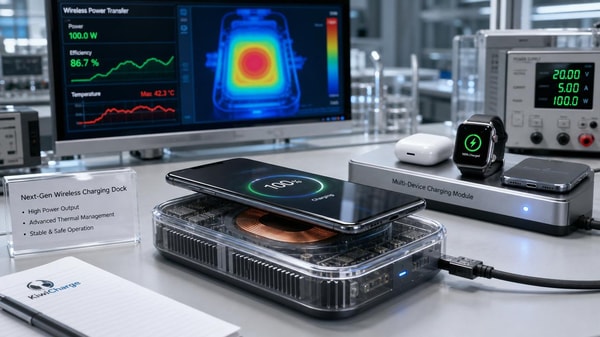
At the technical level, next-gen wireless charging depends on effective alignment between the transmitter coil in the charger and the receiver coil in the device. If the overlap is poor, energy transfer drops. The result may be slower charging, more wasted power, or a complete stop if the system decides the connection is too unstable.
The challenge is not only about power output
Marketing often highlights charging speed, but speed is only one variable. Consumers are more likely to notice whether charging starts immediately, whether it continues through the night, and whether the device gets unusually warm. A 15W or 20W claim looks strong on packaging, but if that speed is only possible under ideal alignment, the day-to-day value becomes less convincing.
Design trends have made alignment harder
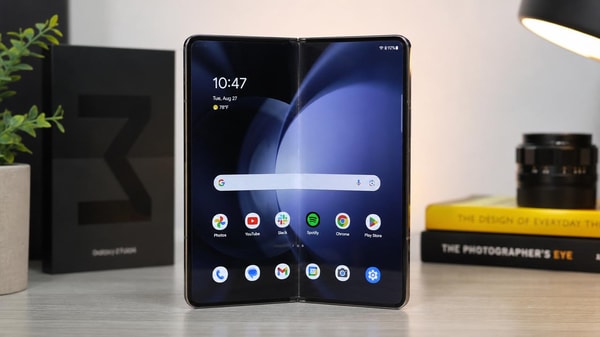
Modern phones are not simple flat rectangles. Camera modules protrude. Foldables introduce new geometry. Protective cases vary widely in thickness and material. Some users also attach magnetic wallets, kickstands, or rings. Each of these factors changes the distance or position between coils, making next-gen wireless charging more sensitive to real-life setup conditions.
Furniture and vehicle integration add more variables
Wireless charging is increasingly embedded into car consoles, café counters, hotel rooms, and office furniture. In these scenarios, users often cannot see the coil position clearly. Movement from driving, vibration from a train, or simply placing the phone down in a hurry can all increase the chance of poor alignment.
The table below shows how common user conditions affect next-gen wireless charging performance in practical terms rather than promotional language.
The key takeaway is simple: the annoying user problem is not a niche failure. It is built into the interaction between product design, accessories, placement habits, and charging architecture. That is why next-gen wireless charging still feels inconsistent for many consumers.
How do different wireless charging designs compare for real users?
Not all wireless charging formats handle alignment in the same way. Some prioritize flexibility, while others trade freedom for more reliable positioning. For consumers choosing between pads, stands, docks, or magnet-assisted solutions, design matters as much as technical specification.
This comparison table helps readers evaluate next-gen wireless charging options based on usage experience, not just advertised features.
For the average consumer, the most practical improvement often comes from guided placement rather than headline power output. A well-designed stand or magnet-assisted solution can feel much more advanced than a higher-watt pad with poor alignment tolerance.
Which buying factors matter most when choosing next-gen wireless charging?
Consumers often buy based on speed claims, but that is rarely enough. If you want next-gen wireless charging that performs well in daily life, focus on a short list of practical buying factors. These reduce disappointment and help separate attractive packaging from useful design.
1. Alignment assistance
Look for physical guides, magnetic positioning, raised edges, anti-slip surfaces, or stand-based form factors. These features reduce the chance of off-center placement, which remains the biggest source of user frustration.
2. Case compatibility
Many users do not remove phone cases before charging. Check whether the charger is intended to work through common case thicknesses and whether metal plates or attachments are likely to interfere.
3. Thermal management
Heat is not just a comfort issue. Poor heat control can reduce charging speed over time because devices often lower power to protect the battery. Ventilation, intelligent power adjustment, and stable contact all matter.
4. Certified compatibility and power input requirements
A charger may advertise high output but require a stronger adapter than the one included or available at home. Consumers should check supported standards, recommended input adapters, and whether peak power is limited to specific device models.
- Choose by charging behavior in your main environment: desk, bedside, kitchen, or car.
- If you use the phone while charging, a stand is often more practical than a flat pad.
- If your device ecosystem supports magnetic alignment, convenience may improve significantly.
- Do not assume the highest wattage rating gives the best real-world experience.
What hidden costs and alternatives should consumers consider?
Next-gen wireless charging is convenient, but convenience can come with trade-offs. Beyond the charger price itself, users may need a compatible power adapter, a new case, or a better mounting solution. In some situations, a premium wireless setup still charges more slowly than a basic wired alternative.
That does not mean wireless charging lacks value. It means buyers should be clear about what they are paying for. The strongest value proposition is usually comfort, reduced cable wear, cleaner spaces, and easier top-up charging throughout the day.
For consumers with tight budgets or heavy daily power needs, these alternatives may make more sense:
- A wired fast charger for primary charging, combined with a wireless pad for occasional desk use.
- A charging stand instead of a flat pad if alignment problems are common.
- A magnetic ecosystem only if your phone and accessories are already compatible.
- A multi-device dock if you charge a phone, earbuds, and smartwatch in one place every day.
This cost-aware mindset is exactly why cross-sector intelligence matters. GTIIN and TradeVantage monitor how product positioning, accessory trends, and consumer expectations evolve across global markets, helping brands and channel partners understand where premium features justify price and where they do not.
Are standards and compliance important for next-gen wireless charging?
Yes. For end consumers, standards and compliance are often invisible until something goes wrong. A charger that runs hot, performs inconsistently, or lacks clear compatibility information can create safety concerns and poor satisfaction. Common wireless charging standards and regional electrical compliance requirements help reduce these risks.
What to check before buying
- Whether the charger supports recognized wireless charging standards used by your device.
- Whether the power adapter meets local electrical requirements and recommended output levels.
- Whether the product clearly states compatibility limits for cases, accessories, and charging speeds.
- Whether thermal protection and foreign object detection are described in plain language.
For businesses following this market, standards also shape sourcing, export readiness, and after-sales expectations. TradeVantage’s global editorial monitoring is useful here because wireless charging products move through a complex chain of component suppliers, assemblers, certification processes, distributors, and retailers. Compliance clarity is not just a factory issue; it is a customer experience issue.
What are the most common misconceptions about next-gen wireless charging?
Many consumers assume the technology is already mature enough to work perfectly in every scenario. That expectation leads to unnecessary disappointment. The truth is that next-gen wireless charging has improved a lot, but it still depends heavily on setup quality, device compatibility, and usage habits.
Misconception 1: Higher wattage always means better charging
If alignment is weak or heat rises quickly, the charger may never sustain the advertised peak speed. Stable charging at a moderate rate can be more useful than unstable charging that looks better on a box.
Misconception 2: Any wireless charger works equally well with any phone
Physical shape, case thickness, coil position, and power negotiation all affect results. Two phones on the same pad can perform very differently.
Misconception 3: Wireless charging is always more convenient than wired charging
It is more convenient only when the placement process is effortless. If users must keep checking alignment, the convenience advantage drops quickly.
FAQ: what do consumers ask most about next-gen wireless charging?
How do I choose next-gen wireless charging for bedside use?
Prioritize stable positioning over maximum speed. A stand, a pad with anti-slip guidance, or a magnet-assisted design is usually better than a smooth flat surface. Bedside charging often happens in low light, so easy placement matters more than headline wattage.
Is next-gen wireless charging suitable for car use?
It can be, but only if the holder or tray controls movement well. In vehicles, vibration and heat are the two biggest obstacles. Look for a mount that secures the phone physically and keeps it aligned during turns and braking.
What should I check if charging keeps stopping?
First, reposition the phone carefully. Then check for thick cases, magnetic accessories, metal attachments, or an underpowered adapter. If the charger becomes hot, slower charging or interruptions may be part of its protection behavior.
Are magnetic chargers always the best option?
Not always. They are highly effective when device compatibility is clear, but they may be less flexible if you use multiple phone brands or older accessories. The best option depends on your ecosystem and daily charging habits.
Where is the market heading next?
The future of next-gen wireless charging is less about chasing ever-higher power numbers and more about reducing user friction. Better coil design, improved magnetic alignment, smarter thermal control, and stronger integration into furniture, vehicles, and public infrastructure will all matter. The winners will be the solutions that make charging feel invisible and dependable.
For brands, retailers, and sourcing teams, this creates a clear strategic question: which features actually solve the placement problem, and which only create marketing noise? That is where market intelligence becomes valuable. GTIIN and TradeVantage connect product trends, supply chain movement, and consumer behavior across more than 50 sectors, giving businesses a sharper view of what users really reward.
Why choose us for wireless charging market insight and sourcing decisions?
If you are evaluating next-gen wireless charging products, accessories, or market opportunities, GTIIN and TradeVantage can help you move beyond surface-level claims. We focus on actionable intelligence that supports better product selection, clearer positioning, and more informed global trade decisions.
- Request parameter comparison support to understand alignment design, input requirements, and compatibility limits.
- Discuss product selection guidance based on consumer use scenarios such as bedside charging, office charging, or in-car charging.
- Ask about delivery cycle considerations, sourcing regions, and supply chain signals that may affect availability or cost.
- Explore certification and compliance checkpoints relevant to your target export or import market.
- Consult on custom content exposure and backlink opportunities if your business wants stronger visibility in global trade search results.
For companies and decision-makers tracking next-gen wireless charging, the real edge comes from understanding both the technology and the user complaint that still holds it back. Contact TradeVantage to discuss parameter confirmation, product selection, certification requirements, market trend tracking, sample evaluation logic, or quotation-oriented sourcing research tailored to your target market.
Recommended News
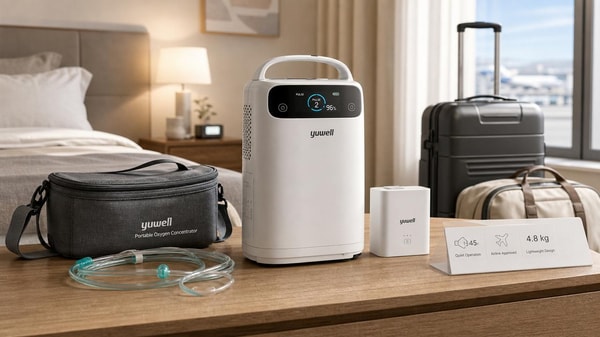
 Portable oxygen concentrators are quieter now, but not always lighterPortable oxygen concentrators are getting quieter, but not always lighter. Explore the trade-offs in weight, battery life, comfort, and daily usability before you compare today’s top options.
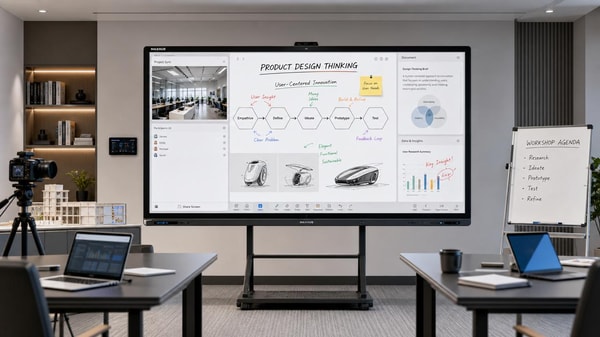
 Interactive whiteboards are improving, but software still decides valueInteractive whiteboards deliver real value when software matches the scenario. Explore how usability, integration, security, and updates shape smarter buying decisions.
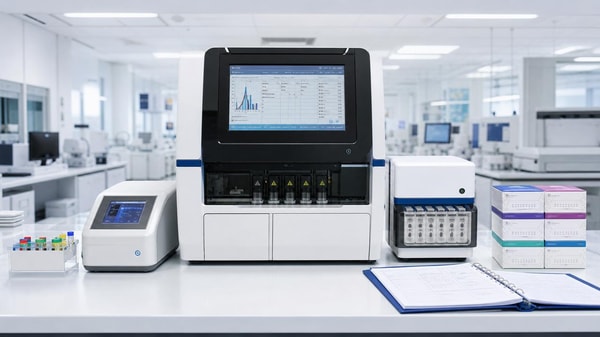
 Medical diagnostic equipment downtime often starts with calibration neglectMedical diagnostic equipment downtime often starts with missed calibration. Learn the warning signs, checklist priorities, and practical steps to prevent failures and keep healthcare operations reliable.
 Eco-friendly building materials are easier to specify than to sourceEco-friendly building materials are easier to specify than source. Learn how procurement teams can verify claims, reduce risk, and find reliable suppliers faster.
 Ergonomic workspace design can fail if chair fit comes lastErgonomic workspace design starts with chair fit. Learn how the right seat improves posture, comfort, and focus—and why fixing it first can transform your workspace.
 Outdoor garden supplies demand shifts faster than many expectOutdoor garden supplies demand is shifting faster than expected. Discover key B2B trends, smarter sourcing insights, and practical strategies to stay competitive and capture growth.
 Sustainable home decor sells better when materials are clearly disclosedSustainable home decor sells better when brands clearly disclose materials, finishes, and sourcing. Discover why transparency builds trust, justifies price, and drives more confident buying.
 Modern office furniture trends now favor modular over fixed layoutsModern office furniture is shifting to modular layouts for flexibility, lower lifecycle costs, and better hybrid work performance. See why enterprises are moving away from fixed office design.
 Smart street lighting projects stall when controls are overcomplicatedSmart street lighting projects often stall when controls become too complex. Learn how to simplify deployment, reduce risk, and scale citywide with practical, maintainable systems.
 Solid-state battery breakthroughs look promising, but scale is harderSolid-state battery breakthroughs promise safer, higher-density energy storage, but scaling remains the real challenge. Explore what this means for supply chains, investment, and market advantage.
 Commercial LED lighting upgrades often save less than expectedCommercial LED lighting upgrades can underdeliver when baseline data, controls, and installation costs are misjudged. Learn how to assess real savings, reduce ROI risk, and make smarter investment decisions.
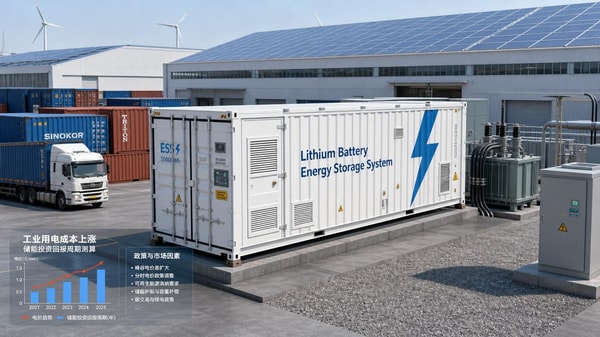
 Lithium battery storage payback can change with one policy updateLithium battery storage payback can shift fast after one policy update. See how tariffs, tax credits, grid pricing, and incentives change ROI—and how finance teams can approve smarter.
 Photovoltaic solar panels now compete on output in low lightPhotovoltaic solar panels now compete on low-light output. Discover how buyers can compare yield, risk, and supplier value to source smarter and boost project returns.
 Plant-based protein processing changes texture more than many expectPlant-based protein processing reshapes texture, stability, and safety more than expected. Explore key risks, QC checkpoints, and smarter sourcing insights for consistent results.
 Foldable screen technology is improving, but crease concerns remainFoldable screen technology is evolving fast with slimmer designs and stronger hinges, but crease concerns still shape buying decisions. Explore where it matters most.
 Next-gen wireless charging still faces a heat management problemNext-gen wireless charging promises faster, more flexible power delivery, but heat remains the key barrier. Discover how thermal limits impact safety, efficiency, and market readiness.
 Wearable technology adoption drops when comfort gets overlookedWearable technology adoption falls fast when comfort is ignored. Discover how fit, materials, weight, and battery life shape long-term use and smarter buying decisions.
 Smart home devices wholesale is no longer just about low pricingSmart home devices wholesale now goes beyond low pricing. Discover how reliability, compatibility, and supply chain confidence help distributors choose profitable, trusted partners.
 Agri-PV systems make sense only when land use is planned wellAgri-PV systems deliver real value only when land use is planned well. Discover how smart site, crop, grid, and compliance decisions turn dual-use solar into a bankable, sustainable project.
 Organic fertilizers may improve soil slower, but results last longerOrganic fertilizers improve soil slowly but deliver longer-lasting results. Learn how they boost soil health, support safer growing, and help you choose the right option for sustainable planting success.
 Smart classroom solutions fail when teachers need too many appsSmart classroom solutions fail when teachers juggle too many apps. Discover why integrated, easy-to-use platforms drive adoption, ROI, and scalable learning success.













Popular Tags
Global Trade Insights & Industry
Our mission is to empower global exporters and importers with data-driven insights that foster strategic growth.
Search News
Popular Tags
Industry Overview
The global commercial kitchen equipment market is projected to reach $112 billion by 2027. Driven by urbanization, the rise of e-commerce food delivery, and strict hygiene regulations.