

Smart Home Devices Wholesale: Which Products Actually Repeat Well?
In smart home devices wholesale, not every trending item becomes a reliable repeat seller. For distributors, agents, and wholesalers, the real opportunity lies in products with stable demand, low return rates, and strong upgrade cycles. This article explores which smart home categories actually repeat well and how trade buyers can identify profitable SKUs before the market shifts.
Why repeat potential matters more than short-term hype
For trade buyers, repeat performance is the difference between a one-off shipment and a sustainable product line. In smart home devices wholesale, a product may look promising because it is new, visually appealing, or heavily promoted online. Yet if the item has weak real-world use cases, difficult installation, unstable app performance, or poor compatibility, it may generate initial orders but fail to reorder well.
Different business scenarios create very different reorder patterns. A distributor serving e-commerce sellers often needs compact, easy-to-demo devices with low support burden. A regional agent supplying installers may prefer products tied to projects, retrofitting, or bundled system sales. A wholesaler targeting chain retailers usually needs simple packaging, strong sell-through, and low return rates. That is why the same product can perform well in one channel and stall in another.
The strongest categories in smart home devices wholesale usually share four traits: clear everyday value, fast onboarding, broad compatibility, and natural replacement or expansion demand. Buyers who evaluate products through actual usage scenarios are more likely to build a stable portfolio instead of chasing every new launch.
Which smart home categories usually repeat well
Across global trade channels, several categories repeatedly show stronger reorder behavior than novelty gadgets. These products are not always the most exciting, but they align well with practical user habits and channel economics.
1. Smart security devices
Security remains one of the most dependable application scenarios in smart home devices wholesale. Wi-Fi cameras, video doorbells, smart sensors, and alarm kits tend to repeat well because they solve a direct problem: visibility and protection. The value proposition is easy to communicate, and the category benefits from upselling. A buyer may start with one camera, then add more cameras, motion sensors, sirens, or storage accessories.
2. Smart lighting products
Smart bulbs, light strips, switches, and scene controllers often perform strongly because they are relatively easy to use and fit both entry-level and upgrade customers. Lighting also adapts well to multiple channels: online retail, home improvement stores, and installer-driven sales. Repeat orders are common when end users expand room by room instead of renovating everything at once.
3. Smart plugs and power management devices
Smart plugs are one of the simplest on-ramps to the smart home. They are affordable, easy to explain, and flexible across many appliances. In smart home devices wholesale, they often repeat well because they work as both trial products and add-on purchases. Power strips with app control, energy monitoring plugs, and timer-enabled outlets also appeal to cost-conscious buyers who want convenience without major installation.
4. Smart locks and access control
This category can repeat very well in the right business scenario, especially in apartment projects, rental housing, small hospitality, and premium residential channels. Demand is driven by access convenience, remote management, and security upgrades. However, reorder quality depends heavily on certification, mechanical reliability, after-sales support, and local installation fit.
5. Smart thermostats and environmental controls
Products linked to energy efficiency often have long-term value, especially in regions with high utility costs. Thermostats, radiator valves, air quality monitors, and smart temperature controllers tend to repeat best where climate control is part of daily life and utility-saving messaging is easy to quantify.
Scenario-based comparison: which products fit which channel best
The best-performing SKUs in smart home devices wholesale depend on where and how they are sold. The table below helps trade buyers compare common scenarios.
How demand changes by application scenario
One reason buyers misjudge smart home devices wholesale is that they treat all smart home demand as one market. In reality, usage context shapes both reorder speed and product mix.
Starter-home and first-time smart users
This group responds best to low-cost, low-friction products. Smart plugs, bulbs, indoor cameras, and basic door sensors work because they require minimal installation and deliver visible value on day one. In this scenario, repeat demand often comes from expansion: one room becomes two, then several.
Family safety and child or elder care
Here, security cameras, video doorbells, smoke detectors, leak sensors, and emergency alerts tend to repeat better than decorative automation products. Buyers in this segment care less about novelty and more about trust, uptime, alerts, and support. For agents and distributors, this means the strongest SKUs are often those with clear reliability records rather than flashy specs.
Rental units and short-stay properties
In managed property scenarios, products repeat when they reduce labor and improve control. Smart locks, gateway-connected sensors, and occupancy-related automation fit this need. The buyer is not just purchasing a device; they are purchasing fewer site visits, faster turnover, and tighter access management. This makes repeat purchases more predictable when products integrate well into property workflows.
Home energy optimization
Where electricity or heating costs are high, environmental control devices have stronger reorder potential. In this scenario, buyers need products that can be sold with measurable outcomes. Energy monitoring plugs, thermostats, radiator valves, and climate sensors do better when supported by simple savings messaging and clear app data.
What distributors should evaluate before selecting repeat-sale SKUs
A product category may be popular, but SKU-level selection determines whether smart home devices wholesale becomes profitable. Before committing, trade buyers should check these factors in relation to their own selling scenario.
Compatibility and ecosystem fit
Products that support common platforms and voice assistants usually have better long-term sales potential. If a device only works within a narrow or unstable ecosystem, repeat business may suffer. Compatibility also affects bundle opportunities, especially for lighting, sensors, and control hubs.
Installation difficulty
The easier the installation, the broader the channel suitability. Plug-and-play products generally scale better in retail and e-commerce. Hardwired devices may still perform very well, but often require stronger installer networks or clearer local support.
Return and failure risk
A low-priced product can still be a poor wholesale choice if setup confusion creates returns. Devices with weak wireless stability, battery inconsistency, or unreliable apps often look attractive on paper but underperform in reorder terms. Repeat categories are built on user satisfaction, not just shipment volume.
Accessory and expansion potential
The most attractive products in smart home devices wholesale often create a path to follow-up sales. Cameras lead to storage cards and more units. Lighting leads to strips, switches, and scene control. Security kits lead to extra sensors. Expansion pathways are a powerful indicator of repeat strength.
Common scenario mistakes that reduce reorder rates
Many trade buyers lose momentum not because the market is weak, but because they mismatch products with the wrong sales context.
- Treating viral gadgets as stable product lines without checking real retention.
- Selling complex smart locks or switches into channels with limited installation support.
- Ignoring local compliance, plug types, wireless protocols, or voltage standards.
- Choosing devices with weak app localization or poor onboarding for non-technical users.
- Stocking too many isolated SKUs instead of building a connected product family.
These mistakes matter because repeat demand in smart home devices wholesale is rarely created by features alone. It comes from friction-free use, channel fit, and the buyer’s ability to expand the account over time.
A practical product mix strategy for agents and wholesalers
A balanced portfolio usually outperforms a single-category bet. For many distributors, a sensible structure includes three layers. First, entry products such as smart plugs and bulbs create volume and lower the barrier to purchase. Second, repeat anchors such as cameras, sensors, and lighting kits support expansion. Third, higher-value products such as locks or environmental controls improve margin in more specialized channels.
This layered approach works because it matches different application scenarios without overexposing the business to one demand pattern. It also gives sales teams a clearer upsell path. In broader B2B trade environments, decision-makers increasingly favor product lines that can be explained quickly, localized efficiently, and supported with reliable documentation. That is especially important on high-visibility information platforms such as GTIIN and TradeVantage, where buyers compare not only product features but also trust signals, market relevance, and supplier credibility.
FAQ for trade buyers evaluating repeat categories
Are smart cameras still one of the best choices in smart home devices wholesale?
Yes, in most markets they remain one of the strongest repeat categories because the use case is clear and expansion purchases are common. However, buyers should verify privacy positioning, app performance, and storage options.
Which products are safest for first-time distributors?
Smart plugs, basic lighting products, and indoor cameras are usually safer entry points. They are easier to explain, easier to ship, and often generate less technical support than advanced installation products.
Do premium products always repeat better?
Not always. Premium items can produce strong margins, but repeat performance depends on whether the target channel can support installation, service, and consumer education. Simpler products often repeat faster even at lower price points.
Final decision guide: match the product to the scenario
The best opportunities in smart home devices wholesale do not come from chasing every trend. They come from matching product categories to the right business scenario and choosing SKUs that deliver practical daily value. For e-commerce channels, simple setup products often repeat best. For project and installer channels, reliability and integration matter more. For managed properties, control and labor savings drive reorder behavior.
If you want stronger long-term results, evaluate each category through a scenario lens: who uses it, how often value is felt, what support it requires, and whether it naturally leads to expansion orders. That approach gives distributors, agents, and wholesalers a more dependable path to product selection, market timing, and sustainable repeat sales.
Recommended News
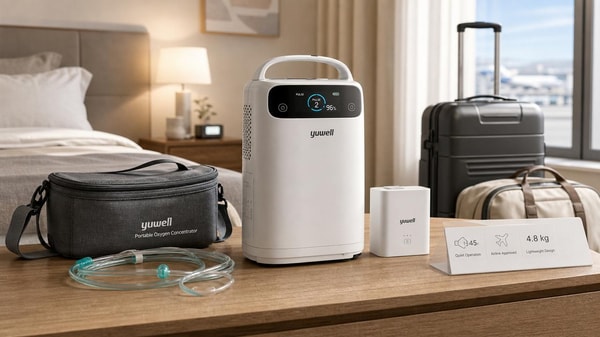
 Portable oxygen concentrators are quieter now, but not always lighterPortable oxygen concentrators are getting quieter, but not always lighter. Explore the trade-offs in weight, battery life, comfort, and daily usability before you compare today’s top options.
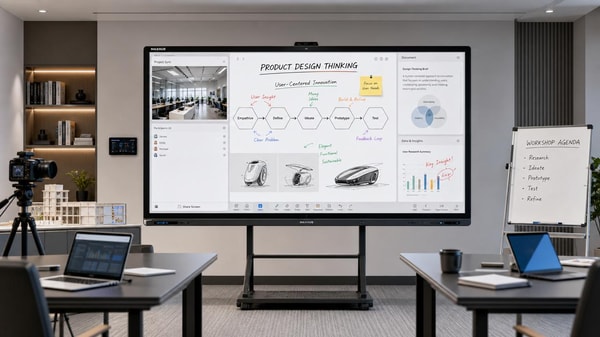
 Interactive whiteboards are improving, but software still decides valueInteractive whiteboards deliver real value when software matches the scenario. Explore how usability, integration, security, and updates shape smarter buying decisions.
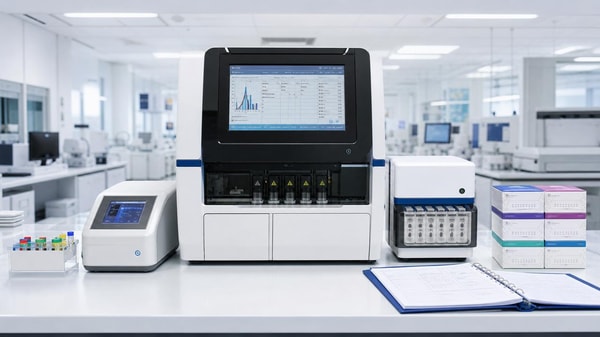
 Medical diagnostic equipment downtime often starts with calibration neglectMedical diagnostic equipment downtime often starts with missed calibration. Learn the warning signs, checklist priorities, and practical steps to prevent failures and keep healthcare operations reliable.
 Eco-friendly building materials are easier to specify than to sourceEco-friendly building materials are easier to specify than source. Learn how procurement teams can verify claims, reduce risk, and find reliable suppliers faster.
 Ergonomic workspace design can fail if chair fit comes lastErgonomic workspace design starts with chair fit. Learn how the right seat improves posture, comfort, and focus—and why fixing it first can transform your workspace.
 Outdoor garden supplies demand shifts faster than many expectOutdoor garden supplies demand is shifting faster than expected. Discover key B2B trends, smarter sourcing insights, and practical strategies to stay competitive and capture growth.
 Sustainable home decor sells better when materials are clearly disclosedSustainable home decor sells better when brands clearly disclose materials, finishes, and sourcing. Discover why transparency builds trust, justifies price, and drives more confident buying.
 Modern office furniture trends now favor modular over fixed layoutsModern office furniture is shifting to modular layouts for flexibility, lower lifecycle costs, and better hybrid work performance. See why enterprises are moving away from fixed office design.
 Smart street lighting projects stall when controls are overcomplicatedSmart street lighting projects often stall when controls become too complex. Learn how to simplify deployment, reduce risk, and scale citywide with practical, maintainable systems.
 Solid-state battery breakthroughs look promising, but scale is harderSolid-state battery breakthroughs promise safer, higher-density energy storage, but scaling remains the real challenge. Explore what this means for supply chains, investment, and market advantage.
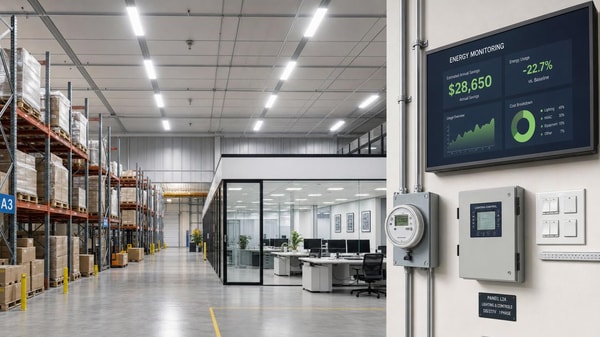
 Commercial LED lighting upgrades often save less than expectedCommercial LED lighting upgrades can underdeliver when baseline data, controls, and installation costs are misjudged. Learn how to assess real savings, reduce ROI risk, and make smarter investment decisions.
 Lithium battery storage payback can change with one policy updateLithium battery storage payback can shift fast after one policy update. See how tariffs, tax credits, grid pricing, and incentives change ROI—and how finance teams can approve smarter.
 Photovoltaic solar panels now compete on output in low lightPhotovoltaic solar panels now compete on low-light output. Discover how buyers can compare yield, risk, and supplier value to source smarter and boost project returns.
 Plant-based protein processing changes texture more than many expectPlant-based protein processing reshapes texture, stability, and safety more than expected. Explore key risks, QC checkpoints, and smarter sourcing insights for consistent results.
 Foldable screen technology is improving, but crease concerns remainFoldable screen technology is evolving fast with slimmer designs and stronger hinges, but crease concerns still shape buying decisions. Explore where it matters most.
 Next-gen wireless charging still faces a heat management problemNext-gen wireless charging promises faster, more flexible power delivery, but heat remains the key barrier. Discover how thermal limits impact safety, efficiency, and market readiness.
 Wearable technology adoption drops when comfort gets overlookedWearable technology adoption falls fast when comfort is ignored. Discover how fit, materials, weight, and battery life shape long-term use and smarter buying decisions.
 Smart home devices wholesale is no longer just about low pricingSmart home devices wholesale now goes beyond low pricing. Discover how reliability, compatibility, and supply chain confidence help distributors choose profitable, trusted partners.
 Agri-PV systems make sense only when land use is planned wellAgri-PV systems deliver real value only when land use is planned well. Discover how smart site, crop, grid, and compliance decisions turn dual-use solar into a bankable, sustainable project.
 Organic fertilizers may improve soil slower, but results last longerOrganic fertilizers improve soil slowly but deliver longer-lasting results. Learn how they boost soil health, support safer growing, and help you choose the right option for sustainable planting success.
 Smart classroom solutions fail when teachers need too many appsSmart classroom solutions fail when teachers juggle too many apps. Discover why integrated, easy-to-use platforms drive adoption, ROI, and scalable learning success.














Popular Tags
Global Trade Insights & Industry
Our mission is to empower global exporters and importers with data-driven insights that foster strategic growth.
Search News
Popular Tags
Industry Overview
The global commercial kitchen equipment market is projected to reach $112 billion by 2027. Driven by urbanization, the rise of e-commerce food delivery, and strict hygiene regulations.