

Agri-PV systems raise a land-use question many projects overlook
As Agri-PV systems gain momentum worldwide, many project leaders are discovering a critical issue beyond energy yield: how land is truly allocated, measured, and valued. For project managers and engineering decision-makers, overlooking this question can trigger regulatory delays, stakeholder conflict, and weaker long-term returns. Understanding the land-use balance behind Agri-PV systems is now essential for building scalable, compliant, and commercially resilient projects.
Why land-use is becoming the defining issue in Agri-PV systems
The market conversation around Agri-PV systems used to focus mainly on power generation, module efficiency, and dual-use branding. That is changing quickly. As more projects move from pilot stage to commercial deployment, land-use scrutiny is becoming a deciding factor in approvals, financing, and long-term operational success. In many regions, authorities, local communities, and agricultural stakeholders are no longer satisfied with the simple claim that one site can produce both food and electricity. They want evidence of how much land remains agriculturally functional, who benefits from that use, and whether the agricultural component is meaningful rather than symbolic.
This shift matters because Agri-PV systems sit at the intersection of energy policy, food security, land regulation, rural economics, and environmental planning. A project that looks strong on paper may face resistance if land classification changes, grazing access is reduced, irrigation patterns are disrupted, or local farmers see little value in the arrangement. For project managers, the core issue is no longer just technical integration. It is the ability to demonstrate a credible land-use model that can survive review from multiple stakeholders over the project life cycle.
The strongest trend signal: regulators are asking tougher questions
One of the clearest changes in the market is the rising sophistication of regulatory review. In earlier phases of solar expansion, some developers treated agricultural compatibility as a secondary design feature. Today, permits increasingly depend on whether Agri-PV systems preserve genuine agricultural output, maintain soil quality, and avoid turning farmland into de facto energy-only land. Review bodies are paying more attention to panel spacing, crop suitability, equipment footprint, drainage impact, machinery access, and long-term land restoration obligations.
This creates a new decision environment. Engineering teams can no longer assume that adding elevated structures or planting low-maintenance vegetation automatically qualifies a site as agricultural dual use. The practical question is becoming: what proportion of land remains productive, manageable, and economically relevant for agriculture throughout construction and operation? That question affects site layout, civil works, maintenance routes, inverter placement, fencing design, and even the commercial model offered to local partners.
Why this trend is accelerating now
Several forces are driving this shift. First, land competition is intensifying. As renewable portfolios expand, premium sites near grid infrastructure, load centers, and accessible logistics corridors are becoming more contested. Agricultural land often appears attractive because it is large, open, and already economically active. That naturally raises tougher questions about trade-offs.
Second, the market is moving beyond demonstration projects. Early Agri-PV systems were often evaluated for innovation value. Commercial-scale portfolios are judged differently. Investors and public authorities want repeatable frameworks, not one-off exceptions. If land-use definitions remain unclear, scaling becomes difficult.
Third, food system resilience has become a more visible policy concern. Weather volatility, water pressure, and supply chain instability have pushed agricultural productivity higher on the public agenda. In that context, any project claiming agricultural compatibility faces closer examination. Fourth, technology itself is making dual-use arrangements more plausible, which increases expectations. Adjustable structures, smarter monitoring, and crop-specific design options mean stakeholders are less willing to accept poorly integrated layouts.
The overlooked land-use question is not acreage alone
Many project teams still frame land-use in simple percentage terms: how much land is covered, how much remains open, or how much can still be grazed. But in Agri-PV systems, effective land-use is multidimensional. A site may look agricultural on a map yet function poorly for real farming activity. Access lanes may fragment the field. Shadow patterns may suit one crop but undermine another. Pile placement may interfere with mechanized operations. O&M schedules may conflict with harvest timing. Water runoff may change usable field conditions even if total acreage appears unchanged.
For engineering leaders, this means land-use should be evaluated as operational usability, not just physical availability. The better question is whether the site can sustain agricultural routines with acceptable productivity, labor practicality, and economic logic. That is where many projects run into trouble: the agricultural component is technically possible but commercially weak, too fragmented, or too difficult to maintain at scale.
Who feels the impact most across the project chain
The land-use issue in Agri-PV systems affects more than developers. Its impact extends across procurement, design, legal review, financing, and operations. Project managers sit in the middle of this complexity because they must align technical decisions with stakeholder expectations and approval timelines.
What stronger projects are doing differently
The more resilient Agri-PV systems now entering the market tend to share several characteristics. They involve agricultural expertise earlier, often before final layout decisions are locked. They model land-use under actual operating conditions rather than relying on generic assumptions. They also define success through multiple outputs: energy generation, agricultural continuity, seasonal access, and local acceptance.
Another emerging best practice is to treat agricultural use as a managed workstream rather than a symbolic add-on. This means clear agreements on who will farm, what will be grown or grazed, how performance will be monitored, and how conflicts between power operations and farm operations will be resolved. Projects that fail to answer these questions often struggle after commissioning, when the initial dual-use narrative meets operational reality.
There is also a growing shift toward site-specific design logic. Not every parcel is suitable for the same Agri-PV systems model. Orchard integration, sheep grazing, pollinator habitat, row crops, and specialty agriculture each impose different spacing, clearance, and maintenance requirements. The trend is moving away from standardized claims and toward differentiated land-use strategies.
Key signals project leaders should monitor in the next phase
For project leaders, the next phase of market development will likely be shaped by a few high-value signals. The first is whether local approval frameworks begin defining minimum agricultural performance standards for Agri-PV systems. The second is whether lenders and insurers start asking for clearer evidence of land-use durability. The third is how procurement expectations evolve, especially where EPC scopes begin incorporating agricultural infrastructure, water management, or access provisions that were previously outside traditional solar design packages.
Another signal worth watching is data quality. As more projects operate over longer periods, the market will compare different land-use outcomes more critically. Sites that can document crop response, maintenance efficiency, and stakeholder acceptance will shape future benchmarks. In contrast, projects built on weak assumptions may face reputational consequences that affect pipeline growth.
A practical decision framework for evaluating land-use risk
Before advancing Agri-PV systems from concept to execution, project teams should test a site against practical land-use questions rather than generic sustainability messaging. The purpose is not to slow development, but to identify hidden friction before it turns into redesign, conflict, or underperformance.
What this means for strategy, procurement, and execution
The strategic implication is clear: Agri-PV systems should be evaluated as integrated land platforms, not just solar assets with agricultural branding. That changes how teams should plan procurement and execution. Early-stage due diligence needs stronger land-use mapping and agricultural consultation. Design reviews need to test field usability, not only energy output. Commercial models need clearer operating roles, especially where farmers, landowners, and asset operators have different incentives.
For project managers and engineering decision-makers, this also means cross-functional coordination becomes a competitive advantage. Teams that can translate land-use complexity into design choices, stakeholder narratives, and compliance documentation will move faster than teams relying on simplified assumptions. In a market where approval pathways are tightening, that capability may become a major differentiator.
Final judgment: the next winners will be those who prove land value, not just energy value
The direction of travel is increasingly visible. Agri-PV systems are still gaining attention as a promising answer to land competition, but the market is becoming more selective about what qualifies as credible dual use. The projects most likely to succeed will be those that show measurable land value alongside power performance. That means demonstrating agricultural continuity, operational practicality, stakeholder benefit, and regulatory fit from the earliest planning stage.
If enterprises want to judge how this trend affects their own pipeline, they should begin by confirming five points: whether their target sites can sustain real agricultural function, whether current layouts support that function without major compromise, whether local review standards are evolving, whether counterparties share the same land-use assumptions, and whether their Agri-PV systems strategy creates long-term commercial resilience rather than short-term approval language. Those questions are now central to better decisions, stronger project execution, and more defensible growth in the next wave of Agri-PV systems deployment.
Recommended News
 Portable oxygen concentrators are quieter now, but not always lighterPortable oxygen concentrators are getting quieter, but not always lighter. Explore the trade-offs in weight, battery life, comfort, and daily usability before you compare today’s top options.
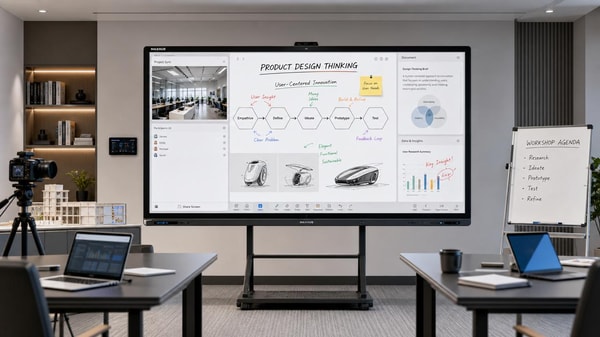
 Interactive whiteboards are improving, but software still decides valueInteractive whiteboards deliver real value when software matches the scenario. Explore how usability, integration, security, and updates shape smarter buying decisions.
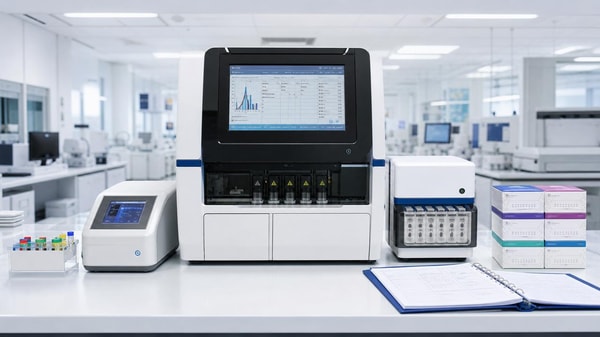
 Medical diagnostic equipment downtime often starts with calibration neglectMedical diagnostic equipment downtime often starts with missed calibration. Learn the warning signs, checklist priorities, and practical steps to prevent failures and keep healthcare operations reliable.
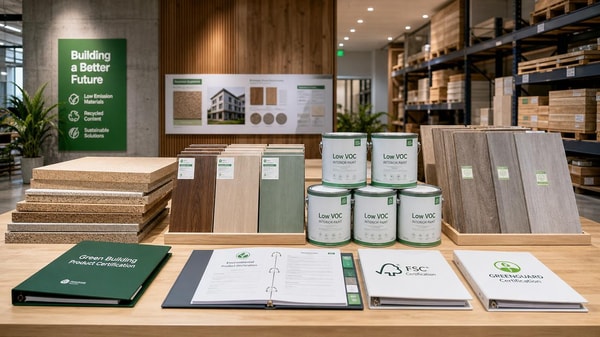
 Eco-friendly building materials are easier to specify than to sourceEco-friendly building materials are easier to specify than source. Learn how procurement teams can verify claims, reduce risk, and find reliable suppliers faster.
 Ergonomic workspace design can fail if chair fit comes lastErgonomic workspace design starts with chair fit. Learn how the right seat improves posture, comfort, and focus—and why fixing it first can transform your workspace.
 Outdoor garden supplies demand shifts faster than many expectOutdoor garden supplies demand is shifting faster than expected. Discover key B2B trends, smarter sourcing insights, and practical strategies to stay competitive and capture growth.
 Sustainable home decor sells better when materials are clearly disclosedSustainable home decor sells better when brands clearly disclose materials, finishes, and sourcing. Discover why transparency builds trust, justifies price, and drives more confident buying.
 Modern office furniture trends now favor modular over fixed layoutsModern office furniture is shifting to modular layouts for flexibility, lower lifecycle costs, and better hybrid work performance. See why enterprises are moving away from fixed office design.
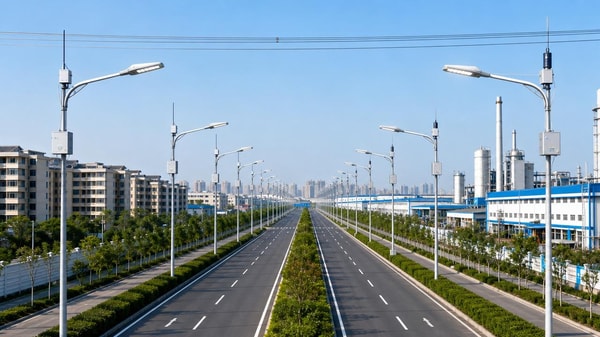
 Smart street lighting projects stall when controls are overcomplicatedSmart street lighting projects often stall when controls become too complex. Learn how to simplify deployment, reduce risk, and scale citywide with practical, maintainable systems.
 Solid-state battery breakthroughs look promising, but scale is harderSolid-state battery breakthroughs promise safer, higher-density energy storage, but scaling remains the real challenge. Explore what this means for supply chains, investment, and market advantage.
 Commercial LED lighting upgrades often save less than expectedCommercial LED lighting upgrades can underdeliver when baseline data, controls, and installation costs are misjudged. Learn how to assess real savings, reduce ROI risk, and make smarter investment decisions.
 Lithium battery storage payback can change with one policy updateLithium battery storage payback can shift fast after one policy update. See how tariffs, tax credits, grid pricing, and incentives change ROI—and how finance teams can approve smarter.
 Photovoltaic solar panels now compete on output in low lightPhotovoltaic solar panels now compete on low-light output. Discover how buyers can compare yield, risk, and supplier value to source smarter and boost project returns.
 Plant-based protein processing changes texture more than many expectPlant-based protein processing reshapes texture, stability, and safety more than expected. Explore key risks, QC checkpoints, and smarter sourcing insights for consistent results.
 Foldable screen technology is improving, but crease concerns remainFoldable screen technology is evolving fast with slimmer designs and stronger hinges, but crease concerns still shape buying decisions. Explore where it matters most.
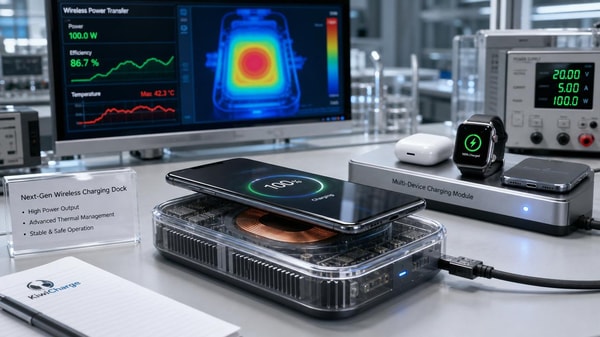
 Next-gen wireless charging still faces a heat management problemNext-gen wireless charging promises faster, more flexible power delivery, but heat remains the key barrier. Discover how thermal limits impact safety, efficiency, and market readiness.
 Wearable technology adoption drops when comfort gets overlookedWearable technology adoption falls fast when comfort is ignored. Discover how fit, materials, weight, and battery life shape long-term use and smarter buying decisions.
 Smart home devices wholesale is no longer just about low pricingSmart home devices wholesale now goes beyond low pricing. Discover how reliability, compatibility, and supply chain confidence help distributors choose profitable, trusted partners.
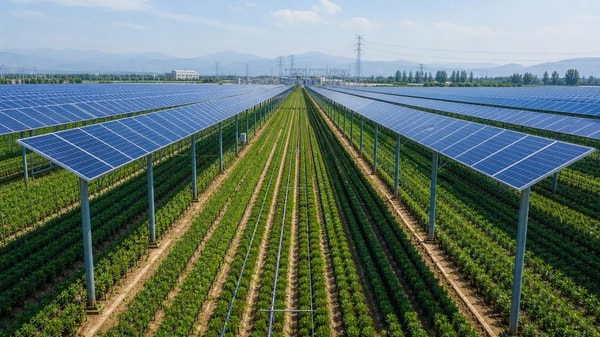
 Agri-PV systems make sense only when land use is planned wellAgri-PV systems deliver real value only when land use is planned well. Discover how smart site, crop, grid, and compliance decisions turn dual-use solar into a bankable, sustainable project.
 Organic fertilizers may improve soil slower, but results last longerOrganic fertilizers improve soil slowly but deliver longer-lasting results. Learn how they boost soil health, support safer growing, and help you choose the right option for sustainable planting success.
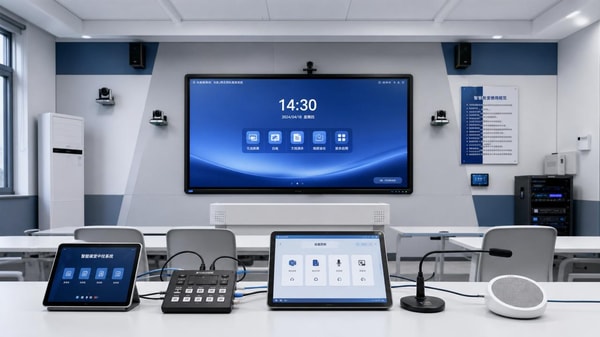
 Smart classroom solutions fail when teachers need too many appsSmart classroom solutions fail when teachers juggle too many apps. Discover why integrated, easy-to-use platforms drive adoption, ROI, and scalable learning success.










Popular Tags
Global Trade Insights & Industry
Our mission is to empower global exporters and importers with data-driven insights that foster strategic growth.
Search News
Popular Tags
Industry Overview
The global commercial kitchen equipment market is projected to reach $112 billion by 2027. Driven by urbanization, the rise of e-commerce food delivery, and strict hygiene regulations.