

Activewear OEM samples can look right and still miss the market
An Activewear OEM sample can appear flawless on the table yet fail where buyers and end users matter most: fit, price alignment, compliance, scalability, and trend relevance. For business evaluators, judging beyond surface quality is essential to avoid costly sourcing mistakes. This article explores why visually correct samples still miss market demand and how to assess OEM readiness with a sharper commercial lens.
Understanding what an Activewear OEM sample really proves
In global sourcing, a sample is often treated as a quick signal of factory capability. That assumption is only partly true. An Activewear OEM sample may confirm that a supplier can copy a tech pack, sew a clean seam, match a color card, or produce a polished presentation piece. However, it does not automatically prove that the supplier understands the target market, the intended user profile, or the commercial realities behind the product.
For business evaluation teams, this distinction matters. Activewear is not judged only by appearance. It lives at the intersection of movement, comfort, fabric performance, brand positioning, and fast-changing consumer expectations. A sample that looks excellent under showroom lighting may still fail once it is tested for stretch recovery, size consistency, moisture handling, labeling compliance, or margin structure.
That is why the most effective assessment of an Activewear OEM partner goes beyond visual approval. The sample should be viewed as an early data point in a broader sourcing decision, not as final evidence of market readiness. In practical terms, evaluators must ask not only “Does this sample look right?” but also “Can this product win in the channel, in the region, and at the required operating scale?”
Why the market pays close attention to sample-market mismatch
The activewear category has become highly competitive across retail, e-commerce, private label, and cross-border trade. Buyers are under pressure to deliver performance products with fashion relevance while protecting cost targets and regulatory compliance. In this setting, an Activewear OEM sample that is merely attractive is not enough. It must also reflect the realities of end-user demand.
Several structural forces explain this focus. First, consumer expectations are rising. Shoppers compare fabric hand feel, compression levels, squat-proof coverage, breathability, and inclusive sizing across brands. Second, brand cycles are faster. Social media, seasonal launches, and micro-trends create shorter windows for success. Third, quality failures travel quickly in the digital marketplace. Poor fit reviews, pilling complaints, or transparency under stretch can damage both sales and brand trust.
From an industry intelligence perspective, this is exactly where commercial evaluation gains importance. Platforms such as GTIIN and TradeVantage support foreign trade enterprises by translating product trends, manufacturing developments, and regional demand signals into practical decision support. For evaluators, the value lies in connecting what the sample shows with what the market is already rewarding or rejecting.
The hidden gaps between a good-looking sample and a sellable product
A visually correct sample can miss the market for several reasons, and most of them are commercial rather than aesthetic. The first gap is fit architecture. Activewear depends heavily on body mapping, support zones, rise height, seam placement, and recovery after repeated wear. A sample can look balanced on a mannequin but perform poorly across a real size range or regional body profile.
The second gap is fabric truth versus fabric impression. Surface softness or premium finish may create a positive first response, yet the real issue is how the material behaves after wash cycles, high-motion use, heat exposure, and repeated stretch. If the supplier uses a small-lot fabric for sampling but plans a different mill source for bulk, the sample may not represent final production reality.
The third gap is price-to-value alignment. An Activewear OEM sample can be beautifully made, but if its construction, trim package, or fabric composition cannot hit the target landed cost, it is commercially misaligned. Buyers do not purchase samples; they purchase repeatable margin opportunities. A factory that makes an ideal prototype but cannot maintain acceptable economics in bulk has not solved the real sourcing challenge.
The fourth gap is compliance readiness. Labels, fiber claims, chemical restrictions, testing standards, and destination-market regulations may be missing or only partially understood during the sample stage. This is particularly risky for brands selling across North America, Europe, and other markets where documentation and traceability are increasingly scrutinized.
The fifth gap is trend relevance. A sample may be technically sound yet still feel late to market. Color direction, silhouette, waistband styling, logo placement, and fabric finish can quickly become outdated. This is why commercial teams increasingly compare supplier samples with live market data rather than relying on internal opinions alone.
A practical industry overview for evaluating Activewear OEM readiness
For a structured review, evaluators should separate product-level excellence from business-level readiness. The table below provides a concise framework that can be used during supplier screening, sample review meetings, or pre-approval decisions.
Who gains the most from stronger Activewear OEM evaluation
Although sourcing teams are the obvious users of this framework, the value extends to several business roles. Commercial evaluators benefit because they must judge supplier risk before contracts, line launches, or market entry decisions. Product managers benefit because they need to know whether a supplier can support design intent without undermining performance. Quality and compliance teams benefit because early warnings reduce rework and post-order surprises.
Brand owners and private-label operators also gain from better sample interpretation. In activewear, product failure is expensive not only due to returns but also because customer complaints often center on intimate product experience: support, comfort, confidence, and movement. If those elements disappoint, the negative impact can extend beyond one SKU and weaken repeat purchase behavior.
For exporters and manufacturers, stronger evaluation standards can become a competitive advantage. A factory that explains fabric sourcing logic, fit grading strategy, compliance pathways, and bulk risk controls is far more credible than one that only presents a polished sample room. In today’s global trade environment, trust signals are built through transparency and operational evidence, not visual impression alone.
Common Activewear OEM scenarios where samples often mislead
Not every product type carries the same evaluation risk. Some activewear categories are especially vulnerable to sample-market mismatch because performance expectations are high and user tolerance is low. The following table highlights typical scenarios that deserve extra scrutiny.
What business evaluators should examine beyond the sample itself
A stronger Activewear OEM assessment combines physical review with market logic and supplier intelligence. Start with the target customer. What activity level, body shape range, climate condition, and price band is the product intended for? Without this context, even a technically decent sample may be judged against the wrong success criteria.
Next, test the supplier’s consistency story. Ask whether the same fabric mill, trim source, and production line assumptions will apply in bulk. Sampling shortcuts are common in the apparel industry, and not all of them are problematic, but they must be visible. If the factory cannot clearly explain where variation may occur, risk is likely underestimated.
Then review timing and scalability. A sample may be perfect for a launch quantity of a few hundred units yet unsuitable for repeat orders or seasonal replenishment. This is especially important for growing brands and marketplace sellers that depend on velocity. The right Activewear OEM partner is not only able to make the first order, but also able to support business momentum without severe quality drift.
Market relevance should also be evidence-based. Compare the sample against current category benchmarks, online review themes, return reasons, and regional trend signals. Trade intelligence platforms can help here by revealing demand shifts, fabric innovations, and competitive movements across sourcing regions. This turns subjective sample approval into a more strategic sourcing decision.
Practical guidance for building a sharper Activewear OEM review process
A disciplined process does not have to be complicated. First, create a review matrix that separates visual quality, technical performance, compliance, cost viability, and market fit. This prevents teams from over-scoring appearance while underweighting commercial risk. Second, require the supplier to state which elements are sample-specific and which are bulk-confirmed. Third, connect sample review to actual wear testing, not only static inspection.
Fourth, treat pricing discussions as part of product validation, not a later administrative task. If the target cost forces fabric downgrades or construction changes, the approved sample may become irrelevant. Fifth, review documentation early. An Activewear OEM partner that is strong in execution will usually be able to discuss testing plans, composition declarations, and destination-market labeling before order confirmation.
Finally, evaluate communication quality. In many sourcing relationships, weak communication is the hidden cause of sample-market mismatch. Factories that ask precise questions about use case, sales channel, fit intent, and brand positioning are often better positioned to deliver market-ready outcomes than factories that simply follow visible design cues.
Conclusion: from attractive sample to viable market offer
An attractive sample is a useful starting point, but it is not the same as a market-ready product. In the activewear business, visual accuracy must be matched by fit reliability, performance truth, compliance discipline, and scalable cost logic. For business evaluators, the real task is to determine whether an Activewear OEM supplier can convert design intent into repeatable commercial success.
The most resilient sourcing decisions come from combining sample review with industry intelligence, trend awareness, and operational verification. That approach reduces risk, improves supplier selection, and aligns product development with actual demand. For companies navigating global trade, this is where structured information becomes a practical advantage. By using deeper evaluation standards and trusted market insight, buyers can move beyond surface approval and choose Activewear OEM partners with stronger long-term market fit.
Recommended News
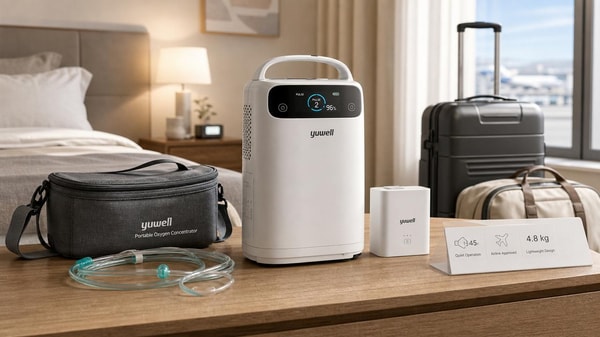
 Portable oxygen concentrators are quieter now, but not always lighterPortable oxygen concentrators are getting quieter, but not always lighter. Explore the trade-offs in weight, battery life, comfort, and daily usability before you compare today’s top options.
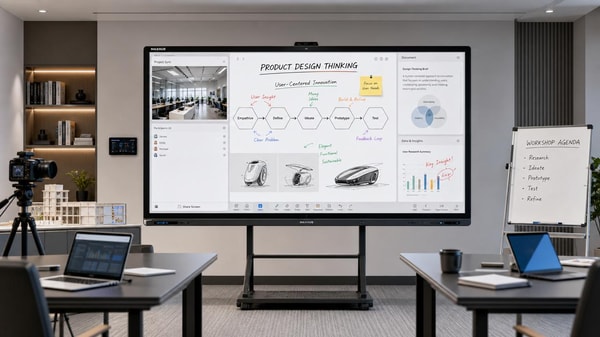
 Interactive whiteboards are improving, but software still decides valueInteractive whiteboards deliver real value when software matches the scenario. Explore how usability, integration, security, and updates shape smarter buying decisions.
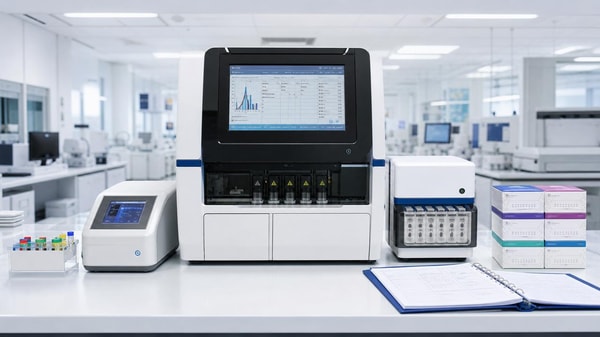
 Medical diagnostic equipment downtime often starts with calibration neglectMedical diagnostic equipment downtime often starts with missed calibration. Learn the warning signs, checklist priorities, and practical steps to prevent failures and keep healthcare operations reliable.
 Eco-friendly building materials are easier to specify than to sourceEco-friendly building materials are easier to specify than source. Learn how procurement teams can verify claims, reduce risk, and find reliable suppliers faster.
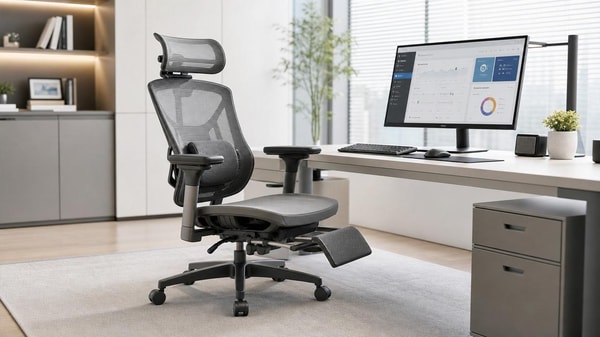
 Ergonomic workspace design can fail if chair fit comes lastErgonomic workspace design starts with chair fit. Learn how the right seat improves posture, comfort, and focus—and why fixing it first can transform your workspace.
 Outdoor garden supplies demand shifts faster than many expectOutdoor garden supplies demand is shifting faster than expected. Discover key B2B trends, smarter sourcing insights, and practical strategies to stay competitive and capture growth.
 Sustainable home decor sells better when materials are clearly disclosedSustainable home decor sells better when brands clearly disclose materials, finishes, and sourcing. Discover why transparency builds trust, justifies price, and drives more confident buying.
 Modern office furniture trends now favor modular over fixed layoutsModern office furniture is shifting to modular layouts for flexibility, lower lifecycle costs, and better hybrid work performance. See why enterprises are moving away from fixed office design.
 Smart street lighting projects stall when controls are overcomplicatedSmart street lighting projects often stall when controls become too complex. Learn how to simplify deployment, reduce risk, and scale citywide with practical, maintainable systems.
 Solid-state battery breakthroughs look promising, but scale is harderSolid-state battery breakthroughs promise safer, higher-density energy storage, but scaling remains the real challenge. Explore what this means for supply chains, investment, and market advantage.
 Commercial LED lighting upgrades often save less than expectedCommercial LED lighting upgrades can underdeliver when baseline data, controls, and installation costs are misjudged. Learn how to assess real savings, reduce ROI risk, and make smarter investment decisions.
 Lithium battery storage payback can change with one policy updateLithium battery storage payback can shift fast after one policy update. See how tariffs, tax credits, grid pricing, and incentives change ROI—and how finance teams can approve smarter.
 Photovoltaic solar panels now compete on output in low lightPhotovoltaic solar panels now compete on low-light output. Discover how buyers can compare yield, risk, and supplier value to source smarter and boost project returns.
 Plant-based protein processing changes texture more than many expectPlant-based protein processing reshapes texture, stability, and safety more than expected. Explore key risks, QC checkpoints, and smarter sourcing insights for consistent results.
 Foldable screen technology is improving, but crease concerns remainFoldable screen technology is evolving fast with slimmer designs and stronger hinges, but crease concerns still shape buying decisions. Explore where it matters most.
 Next-gen wireless charging still faces a heat management problemNext-gen wireless charging promises faster, more flexible power delivery, but heat remains the key barrier. Discover how thermal limits impact safety, efficiency, and market readiness.
 Wearable technology adoption drops when comfort gets overlookedWearable technology adoption falls fast when comfort is ignored. Discover how fit, materials, weight, and battery life shape long-term use and smarter buying decisions.
 Smart home devices wholesale is no longer just about low pricingSmart home devices wholesale now goes beyond low pricing. Discover how reliability, compatibility, and supply chain confidence help distributors choose profitable, trusted partners.
 Agri-PV systems make sense only when land use is planned wellAgri-PV systems deliver real value only when land use is planned well. Discover how smart site, crop, grid, and compliance decisions turn dual-use solar into a bankable, sustainable project.
 Organic fertilizers may improve soil slower, but results last longerOrganic fertilizers improve soil slowly but deliver longer-lasting results. Learn how they boost soil health, support safer growing, and help you choose the right option for sustainable planting success.
 Smart classroom solutions fail when teachers need too many appsSmart classroom solutions fail when teachers juggle too many apps. Discover why integrated, easy-to-use platforms drive adoption, ROI, and scalable learning success.
















Popular Tags
Global Trade Insights & Industry
Our mission is to empower global exporters and importers with data-driven insights that foster strategic growth.
Search News
Popular Tags
Industry Overview
The global commercial kitchen equipment market is projected to reach $112 billion by 2027. Driven by urbanization, the rise of e-commerce food delivery, and strict hygiene regulations.