

Anti-microbial vs. traditional medical scrubs: Which is more cost-effective for large hospital groups?
For large hospital groups, selecting the right medical scrubs is a critical decision that impacts both hygiene standards and long-term budget efficiency. While traditional garments offer a lower initial price point, the durability and infection-control benefits of anti-microbial alternatives are reshaping modern procurement strategies. As a leading B2B portal, GTIIN provides deep-dive market analysis to help procurement officers and business evaluators navigate these complex industrial trends. This article examines the cost-effectiveness of each option, considering factors from laundering costs to replacement cycles. Whether you are a distributor or a high-level purchaser, understanding these strategic insights is essential for optimizing healthcare operations and ensuring sustainable growth in a competitive global market.
The Evolution of Medical Textiles: Understanding the Shift to Anti-microbial Fabrics
The global healthcare sector is currently witnessing a significant shift in textile technology, moving away from basic cotton-poly blends toward high-performance anti-microbial fabrics. Historically, traditional scrubs were designed primarily for comfort and basic barrier protection. However, as hospital-acquired infections (HAIs) become a more pressing financial and clinical concern, the role of everyday workwear has come under intense scrutiny. Large hospital groups, managing thousands of employees, are now evaluating whether the fabric itself can serve as an active layer of defense against pathogens such as MRSA and VRE.
Anti-microbial scrubs utilize various advanced technologies, including silver ions, copper infusion, or silane quaternary ammonium compounds, which are integrated into the fibers during the manufacturing process. Unlike traditional fabrics that merely provide a surface for bacteria to reside, these treated textiles are designed to inhibit the growth of microorganisms by 99.9% within a short contact window. For procurement officers, this represents a transition from "passive protection" to "active intervention," which is a core component of modern integrated infection control programs.
From a technical standpoint, the durability of these treatments is a major factor in business evaluation. High-quality anti-microbial scrubs are often rated to maintain their efficacy for up to 75 industrial wash cycles, whereas traditional budget scrubs may begin to lose their structural integrity and color after just 30 to 40 washes. This difference in "wash-life" is a critical metric for distributors and agents who must advise hospital boards on the total cost of ownership. The ability of a garment to withstand high-temperature laundering while maintaining its protective properties is what separates premium industrial textiles from consumer-grade apparel.
Furthermore, the psychological impact on staff and patients cannot be ignored. In a post-pandemic landscape, healthcare professionals are more conscious of cross-contamination risks. Providing anti-microbial gear acts as a "Trust Signal" for both the workforce and the patient population. As GTIIN monitors global supply chain trends, we observe that major exporters in Asia are increasingly pivoting their production lines to meet the 15% annual growth in demand for these specialized medical textiles, reflecting a broader market move toward safety-centric procurement.
Core Differences in Material Composition and Performance
To understand the cost-effectiveness, one must first look at the raw material specifications. Traditional scrubs typically consist of a 65/35 polyester-cotton blend. While breathable, these fibers are porous and can trap organic matter, providing a breeding ground for bacteria if not laundered perfectly. In contrast, anti-microbial variants often incorporate moisture-wicking synthetic fibers that are treated with non-leaching agents. This means the anti-microbial agent stays within the fabric rather than washing out into the environment, ensuring consistent performance throughout the garment's lifecycle.
The performance gap becomes evident when analyzing the odor-resistance of the two options. In high-stress environments where staff work 12-hour shifts, traditional fabrics tend to retain perspiration odors due to bacterial breakdown. Anti-microbial fabrics prevent this breakdown, reducing the need for harsh chemical deodorizers during the laundering process. For a facility managing 5,000 sets of scrubs, the reduction in chemical dependency leads to significant secondary savings and a lower environmental footprint, aligning with global ESG (Environmental, Social, and Governance) standards.
Financial Analysis: Initial Capital Expenditure vs. Long-term Lifecycle Costs
When procurement managers look at a balance sheet, the initial price tag is often the most visible figure. Traditional scrubs are undeniably cheaper at the point of purchase, usually costing between $15 and $25 per set when ordered in bulk. Anti-microbial scrubs, due to the specialized manufacturing processes and chemical treatments involved, often command a premium, ranging from $35 to $55 per set. On the surface, a large hospital group might see a 100% price increase, which can be a significant hurdle for immediate budget approval.
However, a professional business evaluation must look beyond the initial CAPEX (Capital Expenditure). The true measure of cost-effectiveness is the "Cost per Wear" (CPW). Because anti-microbial scrubs are engineered for longevity, they often outlast traditional alternatives by a factor of two. If a traditional scrub set needs replacement every 6 months due to thinning fabric or persistent staining, and an anti-microbial set lasts 14 months, the annual cost of the "expensive" option actually becomes lower. This long-term perspective is essential for distributors trying to secure multi-year contracts with regional health systems.
The following table provides a structured comparison of the financial factors involved in a typical procurement cycle for a hospital group with 1,000 frontline clinical staff members, comparing the 24-month total expenditure for both fabric types.
As illustrated in the data above, the "premium" option actually yields a direct cost saving of over 15% across a two-year period when factoring in replacement cycles. This analysis does not even account for the indirect costs of procurement—such as shipping, warehousing, and the administrative labor required to process four orders instead of one or two. For high-level purchasers, the reduction in operational friction is a value-add that justifies the higher initial investment. GTIIN encourages business evaluators to apply these metrics to their local labor costs and supply chain variables to confirm the viability of the transition.
Another financial consideration is the impact on textile waste. Hospitals are under increasing pressure to reduce their landfill contributions. Traditional scrubs that degrade quickly contribute twice as much textile waste to the system. By opting for high-durability anti-microbial fabrics, a hospital group with 10,000 employees can divert approximately 5 to 8 tons of textile waste from landfills every three years. While this is a "soft" financial benefit, it is becoming a hard requirement in corporate sustainability reporting and can influence public funding and insurance premiums.
Operational Efficiency and Laundering Requirements for Large-Scale Facilities
In large hospital groups, the centralized laundry facility is one of the most energy-intensive departments. Traditional cotton-poly scrubs usually require "hot" washes at temperatures exceeding 60°C (140°F) to ensure adequate thermal disinfection. This high heat is necessary because the fabric itself does not possess any inherent ability to neutralize pathogens. The energy required to heat thousands of gallons of water daily represents a massive utility expense. Furthermore, high-heat drying and washing accelerate the breakdown of natural fibers, leading to the high replacement rates mentioned previously.
Anti-microbial scrubs change the laundering equation. Because the fabric provides a continuous chemical barrier against microbial growth, many manufacturers specify that these garments can be effectively cleaned at lower temperatures, often around 40°C (104°F). This 20-degree reduction in water temperature can lead to a 10% to 15% reduction in the laundry department's total energy consumption. For a facility processing 50,000 units per month, the cumulative energy savings are substantial and contribute directly to the facility's bottom line.
Moreover, the chemical load required for traditional scrubs is often higher. Strong bleaches and oxidative agents are used to ensure "visual and clinical" cleanliness. Over time, these chemicals damage the fabric and cause "pilling," which makes the scrubs uncomfortable for staff. Anti-microbial fabrics are often engineered with soil-release finishes that allow stains to be removed more easily without the need for aggressive bleaching agents. This preservation of fabric quality means the scrubs look newer for longer, which is a key factor in maintaining a professional brand image for the hospital group.
The operational efficiency also extends to the inventory management cycle. When scrubs last longer, the hospital needs to hold less "buffer stock" in the warehouse. For a large distributor, this means more predictable demand and fewer emergency rush orders. Managing a smaller, high-quality inventory is easier to track via RFID tags, which many anti-microbial scrub brands now incorporate as a standard feature. These tags allow the hospital to monitor the exact number of wash cycles each garment has undergone, ensuring that the anti-microbial efficacy is never compromised by using a garment past its rated lifespan.
Sustainable Laundering Practices and Resource Optimization
- Water Usage: Modern anti-microbial fabrics are often less absorbent of water, reducing the duration of the extraction and drying cycles by 5-10 minutes per load.
- Chemical Reduction: A typical 20% reduction in detergent and softener usage due to the soil-repelling properties of advanced medical textiles.
- Labor Savings: Fewer replacements mean less time spent by staff on sizing, tagging, and distributing new inventory to various departments.
- Equipment Longevity: Lower washing temperatures and shorter drying times reduce the wear and tear on industrial-grade washing machines and dryers.
Risk Management and the ROI of Infection Prevention
The most significant financial argument for anti-microbial scrubs lies in the realm of risk management and the mitigation of Hospital-Acquired Infections (HAIs). According to various healthcare industry reports, the average cost of treating a single HAI case can range from $10,000 to over $45,000, depending on the severity and the type of pathogen. These costs are often not reimbursable by insurance providers, meaning the hospital must absorb the full financial burden. For a large hospital group, even a 1% reduction in HAI rates can translate into millions of dollars in annual savings.
Traditional scrubs can act as a "fomite," an inanimate object that can carry and spread infection between rooms and departments. Studies have shown that pathogens can survive on standard polyester-cotton fabrics for several days. If a nurse moves from an isolation ward to a communal cafeteria, the traditional fabric serves as a transport mechanism. Anti-microbial fabrics significantly reduce this risk by continuously killing pathogens on contact. From a "Trust Signal" perspective, the implementation of such textiles is a proactive step that protects the hospital's reputation and reduces the risk of legal liability or regulatory fines.
Business evaluators must use a "Probabilistic ROI" model when assessing this. If investing an extra $25,000 in anti-microbial garments prevents just two major HAI cases per year, the investment has already paid for itself. This logic is increasingly being adopted by CFOs who view procurement not just as a purchasing function but as a risk-mitigation strategy. At GTIIN, we track how insurance companies in Europe and North America are beginning to offer lower premiums to facilities that adopt certified anti-microbial textile standards, recognizing the lower risk profile of these institutions.
Furthermore, staff safety is a paramount concern for distributors and HR departments. Healthcare worker absenteeism due to illness is a significant cost center, including the expense of hiring temporary or "agency" nurses. By providing a safer working environment through better apparel, hospital groups can improve staff retention and reduce sick leave. In a competitive labor market, the provision of high-end, protective gear is a tangible benefit that aids in the recruitment of top-tier medical talent, who are increasingly aware of the safety standards of their potential employers.
Strategic Procurement: Decision Matrix for Hospital Groups
Selecting the right vendor for medical scrubs requires a rigorous evaluation process that goes beyond price. Large hospital groups must look for "strategic partners" rather than just suppliers. This means verifying the certifications of the anti-microbial agents used, such as EPA registration in the US or BPR compliance in the EU. A distributor who can provide third-party lab results showing the efficacy of the fabric after 50+ industrial washes is far more valuable than one who only offers the lowest bid. This data-driven approach is what GTIIN advocates for across all 50+ sectors we cover.
The procurement cycle should involve a 3-step pilot program. First, a small-scale trial with a single department (e.g., ICU or Surgery) to test for staff comfort and fabric durability. Second, a financial audit comparing the laundering costs and replacement needs of the pilot group against a control group using traditional scrubs. Third, a full-scale rollout integrated with the hospital's infection control protocols. This phased approach minimizes the risk of a large-scale failure and allows for the adjustment of sizing and style preferences before a massive capital commitment is made.
The following checklist is designed to help procurement officers and distributors evaluate potential scrub solutions based on the long-term cost-effectiveness metrics discussed in this article.
By utilizing the data and strategic frameworks outlined above, hospital groups can make informed decisions that align with their clinical goals and financial constraints. The transition to anti-microbial scrubs is not merely a trend but a logical progression toward high-authority healthcare management. As the global supply chain stabilizes, the price gap between these two options is expected to narrow further, making the case for anti-microbial adoption even more compelling for forward-thinking procurement teams.
Frequently Asked Questions (FAQ)
Are anti-microbial scrubs safe for staff with sensitive skin?
Yes, modern anti-microbial treatments are designed to be "non-leaching," meaning the active agents are chemically bonded to the fibers and do not migrate onto the skin. Most high-end brands use dermatologically tested silver ion or copper technologies that are hypoallergenic. For large hospital groups, it is advisable to check for OEKO-TEX Standard 100 certification, which ensures the textile is free from harmful substances.
How do I verify the longevity of the anti-microbial treatment?
Procurement officers should request the AATCC 100 test results from the manufacturer. This standard measure evaluates the antibacterial finishes on textile materials. Look for reports that show the efficacy after "50 industrial laundry cycles" rather than just the initial performance. This data point is the most reliable indicator of whether the scrubs will maintain their value over a 12-to-18-month usage period.
Can traditional laundering services handle anti-microbial fabrics?
Most industrial laundries are well-equipped to handle these fabrics, but they may need to adjust their "wash formulas." Because these scrubs often require less heat and fewer chemicals, the laundry provider can optimize their process, which may lead to lower service costs for the hospital. It is essential to communicate the manufacturer's care instructions to the laundry facility to ensure the garments' lifespan is maximized.
What is the typical ROI period for switching to anti-microbial scrubs?
For a large facility, the ROI is usually achieved within 12 to 18 months. This timeline accounts for the higher initial purchase price being offset by a 50% reduction in replacement frequency and the associated energy savings in laundering. If the hospital tracks HAI rates, the ROI can be even faster, as preventing even a small number of infections provides an immediate and massive financial return.
Conclusion: Optimizing Healthcare Operations for the Future
In conclusion, while traditional scrubs may appear budget-friendly in the short term, the comprehensive data suggests that anti-microbial alternatives offer superior cost-effectiveness for large hospital groups. The combination of extended garment life, reduced laundering costs, and significant risk mitigation creates a compelling financial case for procurement transition. As the global medical textile market continues to evolve, staying ahead of these trends is vital for any organization looking to balance clinical excellence with fiscal responsibility. GTIIN remains committed to providing the industry intelligence required to bridge the gap between innovation and implementation in the global supply chain.
For procurement officers, business evaluators, and distributors, the path forward involves a shift toward value-based purchasing. By focusing on the total cost of ownership and the secondary benefits of infection control, hospital groups can build a more resilient and sustainable operational model. To explore more deep-dive market analysis or to connect with high-authority suppliers in the medical textile sector, we invite you to leverage the resources available on our platform.
Contact us today to receive a customized market intelligence report or to consult with our industrial analysts regarding your specific procurement needs. Let GTIIN help you navigate the complexities of the global B2B landscape and achieve your strategic growth objectives.
Recommended News
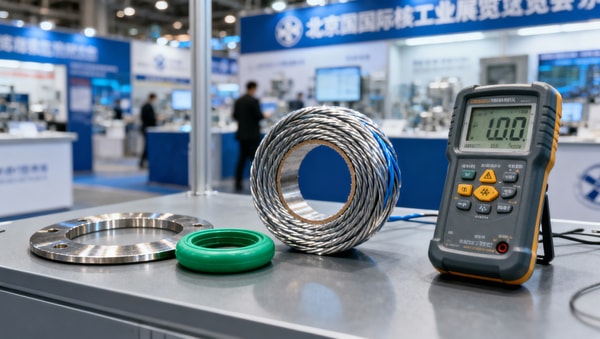
 China-France Nuclear Cooperation Advances at Beijing ExpoChina-France nuclear cooperation advances: mutual recognition for nuclear-grade seals, cables & radiation monitors boosts export readiness for suppliers targeting EU and BRI projects.
 Vietnam’s 4 Provinces Seek AI Tourism Tech in NanningAI tourism tech in demand: Vietnam’s 4 provinces seek AI-guided terminals, multilingual interpretation, AI-CCTV & smart ticketing in Nanning—key opportunity for B2G exporters.
 Q1 2026 China Power Market Trading Up 25.6%: Smart Meters, Storage Export Demand RisesSmart meters, energy storage exports surge as China’s Q1 2026 power market trading jumps 25.6% — key signal for global manufacturers & channel partners.
 China First Country with 5M+ Active Invention PatentsChina first country with 5M+ active invention patents—key for buyers in AI, solar, lithium battery & energy storage. Discover IP implications for sourcing, compliance & supplier vetting.
 Shenneng Etorkeqi Green Ammonia Project: Deionized Water Station OperationalShenneng Etorkeqi Green Ammonia Project’s deionized water station is now operational—ISO 8502-3 compliant, fully integrated, and a key milestone for global green hydrogen developers and exporters.
 China Launches 'Model-Data Resonance' Initiative for AI+Manufacturing InteroperabilityModel-Data Resonance initiative boosts AI+manufacturing interoperability—learn how GB/T XXXX–2026 aligns with VDI 2182 & ISA-95 for smoother global factory deployments.
 China’s First Embodied AI Robot Insurance Launched in GuangxiChina’s first embodied AI robot insurance launched in Guangxi—key for robotics exporters, AI hardware makers & global compliance teams. CE-recognized, EU/UK/AU-ready.
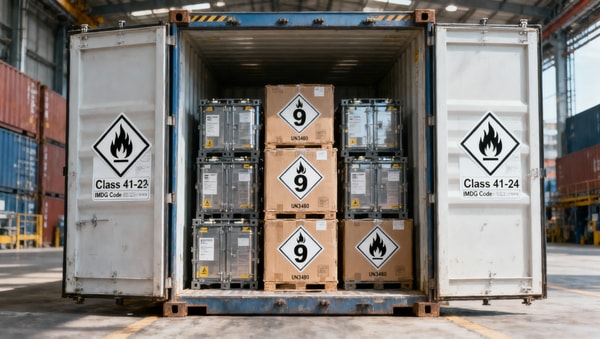
 IMDG Code 41-24 Enforced: UN3480 Lithium Battery Labeling Now MandatoryIMDG Code 41-24 is now mandatory: UN3480 lithium battery labeling, documentation & packaging rules are enforced globally as of 28 April 2026 — avoid port rejections!
 State Grid’s $680M Embodied AI Procurement Signals Export OpportunityEmbodied AI, IEC 61850 & IEC 62443: State Grid’s $680M procurement unlocks export opportunities for compliant industrial robots and smart vision systems in emerging markets.
 IMDG Code 41-24 Enforces UN3480 Class 9 Labeling for Lithium Battery Sea FreightIMDG Code 41-24 mandates UN3480 lithium battery sea freight to display durable Class 9 labels from April 27, 2026—avoid delays & port rejections.
 ESS Key Component Prices Drop ~80%: Quality & Compliance RiseESS key component prices dropped ~80%—but quality & compliance demands surged. Discover how UL 9540A, AS/NZS 5139, and certified BMS/inverters now define market access.
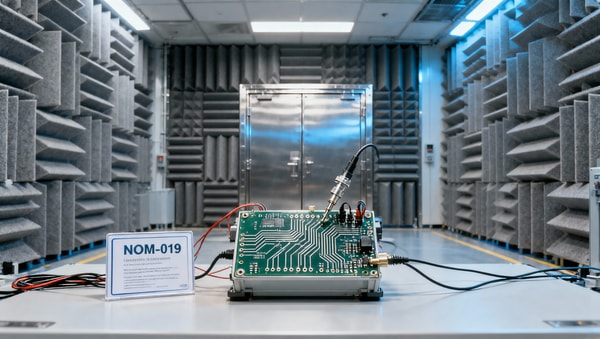
 Mexico NOM-019-SCFI-2026 Effective July 2026: EMC Certification Mandatory for Auto ElectronicsMexico NOM-019-SCFI-2026 mandates EMC certification for auto electronics from July 2026 — ensure compliance now to avoid supply chain disruption & customs delays.
 Red Sea Rerouting Normalized, ECA Surcharge Hits $1,850/TEURed Sea rerouting normalized: ECA surcharge hits $1,850/TEU — 47% of total freight cost. Impacting hand tools, building materials & furniture exporters to Europe. Act now.
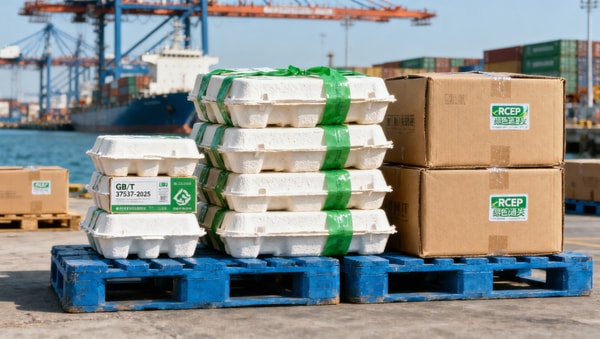
 RCEP Green Packaging Mutual Recognition Takes EffectRCEP Green Packaging Mutual Recognition is live—GB/T 37537-2025–certified packaging now enjoys fast-track clearance in Australia, NZ, Japan & Korea. Save time, cut costs, and boost export efficiency.
 Vietnam Suspends SASO Mutual Recognition for Chinese Irrigation EquipmentVietnam suspends SASO mutual recognition for Chinese irrigation equipment—drip tapes, PE fittings, auto valves now require VINAQ-IR certification. Act now to avoid delays & customs hold.
 Pool equipment maintenance warning signs before a breakdownPool equipment maintenance warning signs before a breakdown: spot early pump, filter, and control issues, improve pool equipment installation decisions, and reduce downtime with smarter sourcing insights.
 Patios and decks materials that age badly in humid climatesPatios and decks materials that age badly in humid climates: learn which patios and decks materials fail fast, how patios and decks construction choices affect durability, and how to source smarter.
 Textile home fabrics buyers now ask more about wash durabilityTextile home fabrics buyers now prioritize wash durability, consistency, and long-term value. Explore sourcing insights, production line optimization, and smarter textile home accessories decisions.
 What recurring waste says about production line efficiencyProduction line efficiency starts with recurring waste. Discover how production line optimization and production line automation reveal supplier risk, cut hidden costs, and improve sourcing decisions across textiles, jewelry, and agrochemicals.
 Agrochemicals export rules causing delays in new marketsAgrochemicals export delays explained with agrochemicals industry analysis and agrochemicals market trends—learn compliance risks, supplier selection tips, and smarter market entry strategies.
 Fashion tech applications brands are testing in physical storesFashion tech applications and fashion tech startups are transforming physical stores with smarter fitting, data-led production line optimization, and scalable retail innovation—explore key trends now.















Popular Tags
Global Trade Insights & Industry
Our mission is to empower global exporters and importers with data-driven insights that foster strategic growth.
Search News
Popular Tags
Industry Overview
The global commercial kitchen equipment market is projected to reach $112 billion by 2027. Driven by urbanization, the rise of e-commerce food delivery, and strict hygiene regulations.