

Lawn Mowers Cost Breakdown: What You Pay for Beyond the Engine
Understanding lawn mower pricing starts with one practical truth: the engine is only one part of the total cost. For procurement teams, distributors, and market researchers, the bigger price drivers often come from deck materials, drive systems, safety compliance, labor, shipping, dealer support, and warranty risk. In other words, two mowers with similar horsepower can carry very different landed costs and very different commercial value. This article breaks down what buyers are really paying for beyond the engine, and how to compare offers more accurately when sourcing across international supply chains.
The same logic applies in many industrial purchasing decisions. Whether comparing radiators price, sheet metal ductwork, or sheet metal bending services, the unit itself is only part of the equation. The real buying decision depends on manufacturing complexity, quality consistency, logistics, after-sales obligations, and expected lifecycle performance. Lawn mowers are no different.
What buyers are really paying for in a lawn mower
For most commercial buyers, the key question is not “How much does the engine cost?” but “What creates the final selling price, and which parts of that price actually protect my margin, customers, and service workload?”
A lawn mower’s cost structure usually includes:
- Cutting deck and chassis materials: steel thickness, aluminum, corrosion resistance, reinforcement design
- Transmission and drive system: push, self-propelled, hydrostatic, or zero-turn assemblies
- Blade system and cutting performance: blade quality, balancing, spindle design, discharge engineering
- Safety features and regulatory compliance: blade brake clutch, guards, operator presence controls, emissions compliance
- Wheels, bearings, handles, and ergonomics: comfort and durability affect warranty rates and user satisfaction
- Electrical and battery systems: especially relevant for cordless and ride-on electric models
- Assembly labor and factory quality control: tolerance management, pre-shipment testing, defect prevention
- Packaging and logistics: carton strength, pallet efficiency, shipping mode, damage rates
- After-sales service costs: spare parts availability, manuals, service network, claims support
- Brand and channel margin: marketing, dealer incentives, showroom support, financing terms
This is why an entry-level mower and a premium mower may look similar in product photos but differ substantially in total ownership cost. A lower purchase price can quickly lose appeal if the machine generates higher breakage, returns, spare-parts shortages, or weak user reviews.
Why the deck, frame, and metalwork matter more than many buyers expect
One of the most underestimated contributors to lawn mowers cost is the structural metalwork. The deck is not just a shell around the blade. It determines cutting stability, vibration behavior, corrosion resistance, and the machine’s usable life.
Key cost variables in deck and frame construction include:
- Material choice: stamped steel is common and cost-effective; fabricated steel is heavier-duty; aluminum resists rust but increases material cost
- Metal thickness: thicker gauges increase durability but raise raw material and shipping cost
- Forming and welding complexity: more reinforcement points and tighter tolerances require more labor and tooling
- Surface treatment: powder coating, anti-corrosion finishes, and pre-treatment processes add cost but reduce warranty risk
- Design efficiency: airflow engineering affects cut quality, bagging performance, and clog resistance
For B2B buyers, this category is especially relevant because it resembles cost evaluation in other fabricated industrial products. If you already compare sheet metal bending quality, weld consistency, and coating durability in other sourcing projects, you should apply the same discipline here. A cheaper deck often means thinner material, weaker coating, or less precise fabrication, all of which can affect long-term field performance.
How transmission, traction, and control systems change the price tier
Beyond the engine, the drive system is often one of the clearest markers of market positioning. A basic push mower is mechanically simple. A self-propelled mower adds transmission components, cables, and traction controls. A ride-on unit or zero-turn mower introduces a far more expensive system with pumps, motors, steering linkages, and stronger chassis support.
Common pricing impacts include:
- Push models: lowest mechanical complexity and lower assembly cost
- Self-propelled walk-behind units: moderate increase in parts count and service requirements
- Hydrostatic systems: smoother performance and premium user perception, but much higher component cost
- Zero-turn configurations: premium commercial category with more expensive control, frame, and wheel systems
For distributors and agents, this matters because transmission complexity influences not only ex-factory price but also parts stocking needs, technician skill requirements, and complaint rates. Products with advanced drive systems can produce better margins, but only if the service ecosystem can support them.
Safety compliance and certification are hidden but unavoidable cost drivers
Many buyers focus heavily on visible hardware and overlook compliance costs. But in international trade, compliance can materially affect the final sourcing decision.
Depending on destination market, lawn mower pricing may include costs related to:
- Operator presence systems
- Blade stopping mechanisms
- Protective shielding and debris management
- Noise and emissions requirements
- Battery transport and electrical safety rules for electric models
- Testing, documentation, and certification management
These are not optional in many markets. If a supplier quote looks unusually low, buyers should confirm whether compliance testing, labeling, and market-specific documentation are fully included. Otherwise, the apparent savings may simply reflect costs shifted downstream to the importer or distributor.
Why assembly quality and factory process control affect real procurement value
Two suppliers can use similar components and still produce very different market outcomes. The difference often comes from manufacturing discipline.
Assembly cost is not just labor hours. It also reflects:
- Incoming component inspection
- Torque control and fastening consistency
- Blade balancing checks
- Engine mounting precision
- Cable routing and handle alignment
- Leak testing or battery verification where applicable
- Final inspection and packaging control
From a commercial standpoint, better factory process control reduces returns, protects distributor reputation, and lowers post-sale service burden. This is particularly important for importers handling multiple SKUs across seasonal demand windows. Missing the selling season due to quality failures can cost more than any savings achieved on unit price.
Logistics, packaging, and landed cost often decide whether a quote is truly competitive
For cross-border buyers, landed cost is far more important than factory price alone. Lawn mowers are bulky, partly assembled goods with packaging and freight characteristics that can significantly alter total cost.
Important logistics variables include:
- Carton size and cube efficiency: poor packing design increases container cost per unit
- Knock-down versus fully assembled configuration: affects assembly labor, damage risk, and freight utilization
- Packaging strength: weak cartons lead to transit damage and retail rejects
- Spare parts packaging: essential for after-sales support and service continuity
- Seasonality: freight rates and lead times can fluctuate around peak gardening seasons
This is where experienced procurement teams often outperform less-prepared buyers. A mower with a slightly higher ex-works price may deliver better container loading, lower damage rates, and easier customs handling, resulting in a better total commercial outcome.
After-sales support, warranty exposure, and parts availability are part of the true price
For distributors, dealers, and commercial evaluators, after-sales support should never be treated as a secondary issue. It is part of the product cost structure, whether clearly itemized or not.
Questions buyers should ask include:
- Are spare blades, belts, wheels, cables, and filters easy to source?
- How quickly can the supplier provide replacement parts?
- Is there a parts manual and service documentation?
- What is the actual warranty claim process?
- Who bears the cost of failed components in export markets?
- Can the supplier support private-label after-sales needs?
A lower upfront quote from a supplier with poor parts support can create larger downstream costs in claims handling, customer dissatisfaction, and lost repeat orders. In many cases, what buyers pay for beyond the engine is really risk reduction.
How to compare lawn mower suppliers more accurately
If your role involves sourcing, evaluation, or distribution planning, the best approach is to compare suppliers using a structured cost-value framework rather than a simple unit-price ranking.
Use these criteria:
- Define the target market clearly: residential, prosumer, commercial landscaping, or institutional use
- Break out the bill of value: deck material, drive system, safety features, finishing quality, packaging, and support terms
- Assess landed cost: include freight, duties, assembly, compliance, and probable warranty expense
- Review production capability: quality systems, inspection process, capacity, and lead-time stability
- Test service readiness: parts supply, technical documents, response speed, and claim handling
- Estimate lifecycle economics: failure rates, replacement cycle, and customer satisfaction impact
This method is especially useful for readers who regularly compare industrial categories across different product families. Just as radiators price cannot be judged by metal cost alone, lawn mowers cost should not be judged by engine specification alone.
When a higher-priced mower is actually the better business decision
In practical purchasing terms, a higher-priced mower is often justified when it improves one or more of the following:
- Lower return rate
- Longer service life
- Better retailer or end-user satisfaction
- Reduced assembly or setup time
- Lower warranty claim frequency
- More reliable supply of consumables and spare parts
- Stronger positioning in a premium or professional segment
For dealers and distributors, this can translate into better margin protection and fewer operational headaches. For procurement teams, it means evaluating supplier offers through the lens of total business performance, not only purchase price.
Final takeaway
Lawn mowers cost more than the engine because the product’s real value is built across materials, fabrication, transmission systems, safety compliance, assembly quality, packaging, logistics, and after-sales support. For information researchers, buyers, business evaluators, and channel partners, the smartest comparison is not the cheapest quote but the clearest understanding of total cost and total risk.
If you want to make better sourcing decisions, look at the mower the way industrial buyers assess any serious manufactured product: examine the structure, process, compliance, service burden, and lifecycle return. That is where the true price is found—and where the best purchasing decisions are made.
Recommended News
 China’s 10-Dept AI Export Ethics Review Rule Takes EffectChina’s new 10-dept AI export ethics rule mandates algorithmic bias review for AI hardware bound for the EU, US, Canada, Japan & SK—key for smart cameras, voice assistants & industrial vision exporters.
 Red Sea Detour Now Standard: $1,850 TEU Premium on Asia-Europe RoutesRed Sea detour premium now standard: $1,850/TEU surcharge embedded in Asia-Europe freight rates — vital intel for exporters, importers & logistics teams.
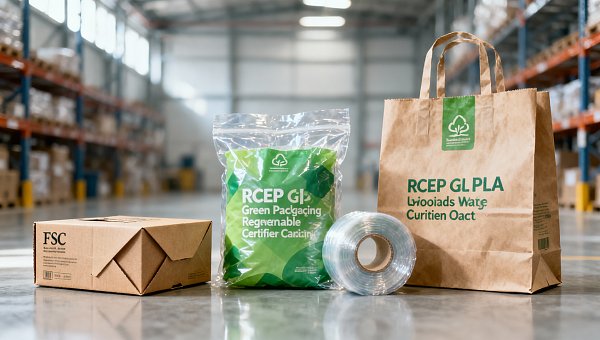
 RCEP Green Packaging Mutual Recognition Takes EffectRCEP Green Packaging Mutual Recognition takes effect Apr 22, 2026—streamline exports to AU, NZ, JP, KR with GB/T 37629–2019 certified molded fiber & PLA packaging.
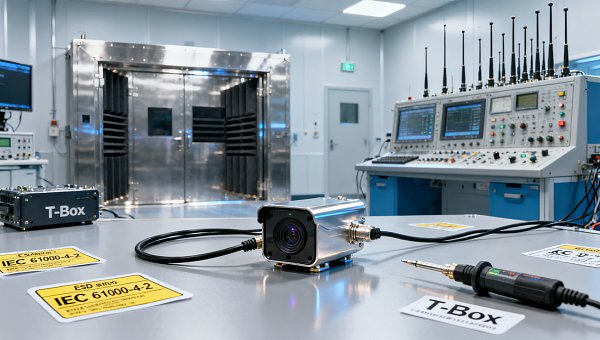
 Mexico NOM-019-SCFI-2026 Effective: EMC Certification Required for Auto Electronics ExportsEMC certification is now mandatory for auto electronics exports to Mexico under NOM-019-SCFI-2026. Ensure compliance for rearview mirrors, radar sensors & T-Box units—avoid shipment delays and order cancellations.
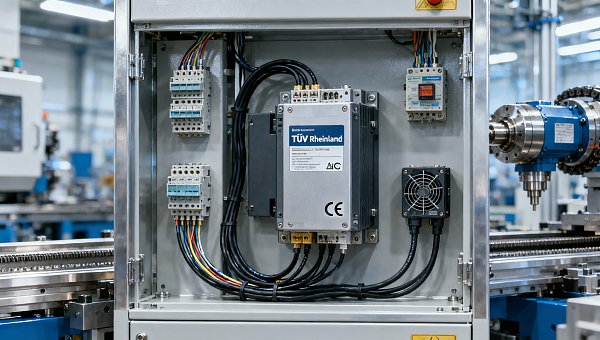
") TÜV Rheinland Updates CE Requirements for Servo Drives (PLd + EMC Joint Validation)TÜV Rheinland now mandates joint PLd + EMC validation for servo drives under CE marking—learn how this impacts certification timelines, lab selection, and EU market access.
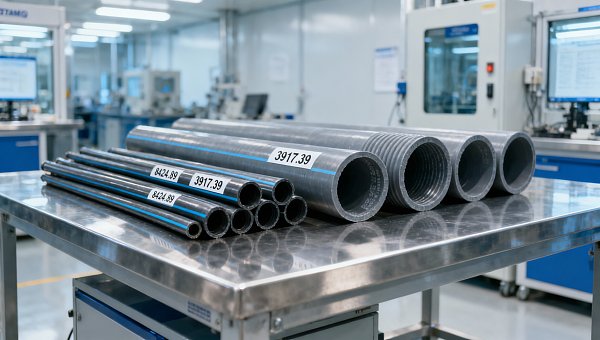
TÜV Rheinland Updates CE Requirements for Servo Drives (PLd + EMC Joint Validation)TÜV Rheinland now mandates joint PLd + EMC validation for servo drives under CE marking—learn how this impacts certification timelines, lab selection, and EU market access. Vietnam Suspends SASO Mutual Recognition for Chinese Irrigation EquipmentVietnam suspends SASO mutual recognition for Chinese irrigation equipment—urgent compliance updates for drip tapes & PE pipes (HS 8424.89/3917.39). Act now to avoid delays.
 FDA Finalizes AI Diagnostic Device Rules for ImportersFDA finalizes AI diagnostic device rules for importers: New bias assessment mandate impacts ultrasound, glucose analyzers & dermatoscopes. Act now to ensure U.S. market access.
 SABER Phase II Live: Saudi Building Hardware Requires Digital Type Test Reports & PIDSABER Phase II is live: Building hardware exports to Saudi Arabia now require digital type test reports & a mandatory, immutable Product ID (PID). Act now to avoid customs delays!
 IMDG Code 41-24 Enforced: UN3480 Lithium Battery Labeling Mandatory from Apr 2026IMDG Code 41-24 enforcement starts Apr 2026: UN3480 lithium battery labeling & ISO 17363 docs are now mandatory—avoid port rejections!
 CBAM Carbon Tax Launch: Low CBAM Reporting Rate Among Chinese ExportersCBAM Carbon Tax is live—only 36.8% of Chinese exporters reported. Discover why, which industries are at risk, and how to secure EU market access now.
 China’s 10 Agencies Issue AI Export Ethics Review RulesChina’s 10 agencies launch AI export ethics rules—mandating bias reviews for visual inspection, warehouse AI & defect detection systems. Stay compliant & competitive.
 RCEP Green Packaging Mutual Recognition Takes EffectRCEP Green Packaging Mutual Recognition is now in effect—unlock faster customs clearance in Australia, NZ, Japan & Korea for GB/T 37659–2019-certified eco-packaging.
 Mexico NOM-019-SCFI-2026 Effective Apr 10, 2026: EMC Certification Required for Automotive ElectronicsNOM-019-SCFI-2026 EMC certification is now mandatory for automotive electronics entering Mexico — act before the July 1, 2026 customs ban.
 Red Sea Rerouting Normalized, EBA at $1,850/TEURed Sea rerouting normalized with EBA fixed at $1,850/TEU—learn how this structural shift impacts Asia-Europe freight costs, lead times & supply chain strategy.
 FDA AI Diagnostic Device Draft Rules: Bias Assessment for ImportsFDA AI diagnostic device draft rules require bias assessment for imports—learn how portable ultrasound, glucose, and dermatoscopic AI devices are affected & what to do next.
") TÜV Rheinland Updates CE Requirements for Servo Drives (PLd + EMC)TÜV Rheinland updates CE requirements for servo drives: PLd (ISO 13849-1) + EMC immunity (IEC 61000-6-2 Ed.4) now mandatory together — act now to avoid EU market delays!
TÜV Rheinland Updates CE Requirements for Servo Drives (PLd + EMC)TÜV Rheinland updates CE requirements for servo drives: PLd (ISO 13849-1) + EMC immunity (IEC 61000-6-2 Ed.4) now mandatory together — act now to avoid EU market delays! SABER Phase II Launch: Building Hardware Must Submit Digital Type Test Reports & Unique Product IDSABER Phase II now mandates digital type test reports & unique product IDs for building hardware—fasteners, scaffolding, door/window components. Ensure compliance to avoid customs rejection & SCOC delays.
 Vietnam Suspends SASO Mutual Recognition for Chinese Irrigation EquipmentVietnam suspends SASO mutual recognition for Chinese irrigation equipment—TCVN testing now mandatory. Act now to avoid 8–12 week delays and customs holdups.
 IMDG Code 41-24 Enforced: UN3480 Lithium Battery Labeling UpdateIMDG Code 41-24 enforcement starts April 2026: UN3480 lithium battery labeling updates are mandatory for global maritime shipments — avoid port delays, detention & penalties.
 EU CBAM Enters Full Enforcement on Jan 1, 2026EU CBAM full enforcement starts Jan 1, 2026 — mandatory quarterly reporting & certificate purchases for batteries, steel, cement, aluminum, fertilizers & chemicals. Act now to ensure EU market access.
 EU CBAM Carbon Tariff Starts Oct 2026 for Chinese Battery, Cement, Chemical ExportsEU CBAM carbon tariff hits Chinese battery, cement & chemical exports from Oct 2026 — mandatory emissions reporting starts now. Avoid €98/t default fees.















Popular Tags
Global Trade Insights & Industry
Our mission is to empower global exporters and importers with data-driven insights that foster strategic growth.
Search News
Popular Tags
Industry Overview
The global commercial kitchen equipment market is projected to reach $112 billion by 2027. Driven by urbanization, the rise of e-commerce food delivery, and strict hygiene regulations.