

Outdoor Garden Supplies That End Up Unused After One Season
Many outdoor garden supplies look like smart seasonal purchases in spring, but a surprising number end up abandoned by late summer. The pattern is familiar: shoppers buy with optimism, then discover the item is too large, too fragile, too specific, or too time-consuming to use regularly. In most cases, the problem is not gardening itself. It is a mismatch between the product, the space, and the owner’s real habits.
If you want a simple answer, here it is: the outdoor garden supplies most likely to go unused after one season are highly specialized tools, oversized decorative containers, low-quality furniture accessories, trendy but impractical lighting, complicated irrigation kits, and novelty items bought more for appearance than function. The best way to avoid waste is to buy for routine use, climate fit, storage realities, and maintenance tolerance rather than aspiration alone.
For everyday consumers, that matters for more than budget. Unused products create clutter, add cleanup work, and often make outdoor areas feel less relaxing. A better garden setup is usually not the one with the most items. It is the one built around what you will actually water, clean, store, and enjoy.
Why so many outdoor garden supplies are used once and forgotten
Most seasonal buying mistakes begin with a good intention. People imagine outdoor dinners, lush container gardens, mood lighting, fresh herbs, and easy entertaining. Retail displays and online photos reinforce that vision. But real life introduces weather, time limits, uneven sunlight, pests, storage shortages, and changing priorities.
That is why useful-looking products often fail in practice. An item may be attractive, but if it requires weekly upkeep, careful installation, or more space than expected, it starts to feel like a burden. Consumers do not always need fewer products. They need products that fit their actual routine.
Another reason these purchases go unused is that many buyers underestimate the difference between one-time enthusiasm and repeat behavior. If a product only makes sense in ideal conditions, it probably will not become part of daily or weekly life. Good outdoor buying decisions depend less on inspiration and more on realistic use patterns.
Which outdoor garden supplies most often end up unused after one season
Not every underused item is a bad product. Sometimes it simply serves a narrow purpose that does not match the average household. Still, some categories repeatedly disappoint because they look more practical than they really are.
Oversized planters and decorative containers
Large planters are popular because they create instant visual impact. But they are also heavy, expensive to fill, and difficult to move once planted. If drainage is poor or the plant selection is wrong, they quickly become messy and underwhelming. Many homeowners buy more large containers than they can reasonably maintain.
These planters also create long-term commitment. Soil replacement, seasonal replanting, watering, and winter protection all add work. If you do not already enjoy container gardening, oversized pots can become static decorations rather than living features.
Specialty gardening tools
Consumers often assume more tools will make gardening easier. In reality, most casual gardeners rely on a few basics: a hand trowel, pruners, gloves, a hose or watering can, and perhaps a rake. Niche tools for bulb planting, weed extraction, edging, or transplanting may work well once or twice, then sit untouched for the rest of the year.
Single-purpose tools are especially likely to be abandoned in small gardens or balconies where planting activity is limited. Unless you perform the same task often, the added convenience rarely justifies the storage space.
Complicated irrigation systems
Drip kits, timers, connectors, and modular watering setups sound efficient. But for many consumers, they become frustrating projects. Assembly is more complex than expected, leaks are common, pressure compatibility can be confusing, and seasonal adjustments take effort. If the system is not easy to monitor, people stop trusting it.
For a small patio garden, a basic hose with a quality nozzle may outperform a more elaborate setup simply because it gets used consistently. Convenience is only real when the user feels confident operating the system.
Solar lights with weak performance
Outdoor solar lighting is one of the most frequently regretted categories. Buyers love the idea of simple, wire-free ambiance. But low-cost lights often deliver inconsistent brightness, short run times, and rapid weather damage. After a few weeks, scattered dim lights can make a space look neglected rather than inviting.
Lighting products tend to disappoint when they are selected for quantity over quality. A few durable fixtures placed strategically are usually better than a dozen decorative stakes that fade, crack, or stop charging.
Fire pits and outdoor heaters for occasional use
These items photograph beautifully and support an appealing lifestyle image. Yet many households use them far less than expected. Smoke concerns, fuel storage, safety rules, neighborhood density, and weather shifts often limit spontaneous use. If setup and cleanup are inconvenient, the product becomes a “special occasion” item that rarely leaves storage.
For smaller homes, the issue is even sharper. Fire pits and patio heaters occupy valuable space all year, even when used only a few times each season. That is a poor tradeoff unless outdoor entertaining is already a regular habit.
Novelty décor and seasonal accessories
Garden statues, themed signs, decorative wind items, and trend-driven ornaments often generate quick emotional purchases. But novelty fades fast. Once the season passes, these pieces may feel visually noisy, hard to store, or out of sync with the rest of the outdoor area.
Décor works best when it supports an existing design direction. When bought impulsively, it often becomes clutter instead of character.
What consumers are really trying to avoid
When people search for guidance on unused outdoor garden supplies, they are usually not looking for a product list alone. They want to avoid wasting money on things that seem essential but add little value. They also want reassurance that a simpler setup is enough.
The biggest concerns usually fall into four categories: wasted spending, storage problems, maintenance burden, and disappointment between expectation and reality. Consumers want to know which products provide repeat value and which ones mostly serve a short-lived fantasy.
That means the most helpful advice is not “buy less” in a vague sense. It is a clearer way to judge whether a purchase will remain useful beyond the excitement of the first few weeks.
How to tell if an outdoor purchase will still be useful next season
A practical buying test can prevent most regrets. Before purchasing any outdoor garden supplies, ask: Will I use this weekly during the season? Can I maintain it without extra stress? Do I have a clear place to store it? Does it solve a recurring need rather than create a new project?
If the answer to two or more of those questions is no, the item is at high risk of becoming dead weight. This applies whether you are considering planters, lighting, tools, or furniture accessories.
Think in terms of routine, not ideal scenarios
Many bad purchases are based on imagined best-case use. A better standard is your normal week. If you are usually busy, buy supplies that work with low effort. If you travel often, choose drought-tolerant planting systems. If your climate is harsh, prioritize materials that handle exposure well.
Routine-based buying leads to more satisfaction because it reflects how people actually live, not how they wish they might live for a few weekends.
Check the maintenance chain
Some products seem easy until you account for everything around them. A large planter needs soil, drainage, feeding, and regular watering. A fire pit may require covers, fuel, tools, and ash management. A lighting setup may involve battery replacement, panel cleaning, and weather monitoring.
Every item carries a maintenance chain. The longer that chain, the greater the chance the product becomes neglected.
Consider off-season storage before buying
Storage is one of the most overlooked parts of outdoor shopping. Cushion boxes, foldable furniture, hose reels, stackable containers, and compact tools are more likely to stay useful because they fit back into the home easily. Bulky products with awkward shapes are often abandoned simply because storing them feels like a chore.
If you cannot picture where an item will go once the season changes, that is a warning sign.
Smarter alternatives to the most commonly wasted items
The goal is not to strip your outdoor area of personality. It is to choose supplies with higher repeat value. In many cases, a simpler substitute performs better over time.
Instead of oversized planters, start with medium containers
Medium-size pots are easier to move, easier to replant, and less expensive to fill. They also let you experiment with sunlight, layout, and plant combinations without overcommitting. If container gardening becomes a genuine habit, you can always scale up later.
Instead of specialty tools, build a reliable core kit
A strong core kit serves most needs: gloves, bypass pruners, a trowel, a sturdy watering solution, and one cleanup tool suited to your space. Better quality in a small toolkit is usually more useful than a larger collection of low-frequency gadgets.
Instead of complex irrigation, simplify watering
For many homes, a hose timer paired with one dependable watering line works better than a fully customized system. The point is not technical sophistication. The point is consistent plant care with minimal confusion.
Instead of cheap decorative lighting, invest in fewer durable pieces
Choose lighting for performance first. Weather resistance, battery quality, replaceable parts, and brightness consistency matter more than decorative variety. A few lights that still work next year are more valuable than many that fail by mid-season.
Instead of novelty décor, use functional design accents
Benches with storage, attractive watering cans, structured plant stands, and durable outdoor textiles contribute both appearance and utility. Functional accents age better than trend-driven ornaments and are less likely to be discarded after one year.
How to shop for outdoor garden supplies without falling for seasonal hype
Retail timing affects judgment. Early-season merchandising encourages urgency and possibility. That can be helpful if you know what you need, but it can also push consumers toward aspirational spending. To counter that, shop from a written plan rather than visual impulse.
Start by dividing your outdoor needs into three categories: essential function, comfort upgrade, and purely decorative extras. Buy in that order. Essentials include watering, seating you will actually use, plant containers that match your space, and storage. Comfort upgrades might include shade, lighting, or a dining surface. Decorative extras should come last.
It also helps to set a “repeat use threshold.” For example, do not buy an item unless you can name at least ten realistic uses during the season. That simple rule filters out many products that are emotionally appealing but practically weak.
Finally, read reviews with the right question in mind. Do not just ask whether buyers liked the product on arrival. Look for comments about durability, ease of cleaning, weather performance, and whether the item was still in use months later. Long-term usability is what separates smart purchases from clutter.
A better outdoor space is usually built with fewer, better choices
Consumers often assume a beautiful garden or patio requires a wide range of products. In reality, the most satisfying outdoor spaces usually rely on a limited number of well-chosen elements that are easy to maintain and pleasant to use. Consistency beats abundance.
If you are evaluating outdoor garden supplies this season, focus on items that support repeated behavior: watering plants you can realistically keep alive, sitting in spaces you truly use, and maintaining features that do not create unnecessary work. That mindset leads to better value and less regret.
The supplies most likely to go unused after one season are not always the most expensive ones. They are the ones disconnected from your daily habits. Buy for your real space, your real schedule, and your real tolerance for maintenance. That is the simplest way to create an outdoor area that still works for you next year.
Recommended News
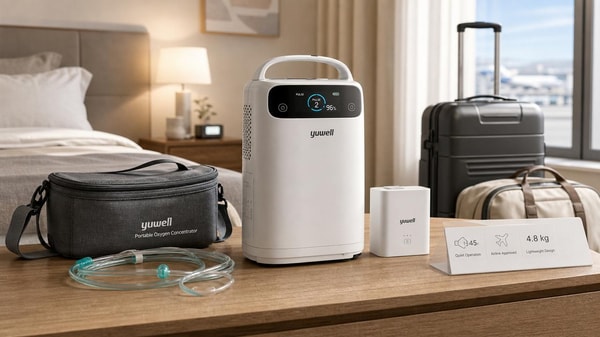
 Portable oxygen concentrators are quieter now, but not always lighterPortable oxygen concentrators are getting quieter, but not always lighter. Explore the trade-offs in weight, battery life, comfort, and daily usability before you compare today’s top options.
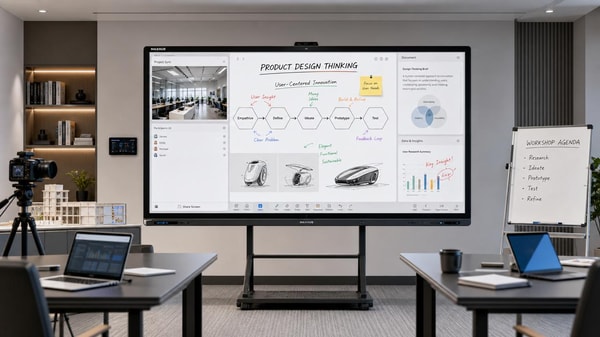
 Interactive whiteboards are improving, but software still decides valueInteractive whiteboards deliver real value when software matches the scenario. Explore how usability, integration, security, and updates shape smarter buying decisions.
 Medical diagnostic equipment downtime often starts with calibration neglectMedical diagnostic equipment downtime often starts with missed calibration. Learn the warning signs, checklist priorities, and practical steps to prevent failures and keep healthcare operations reliable.
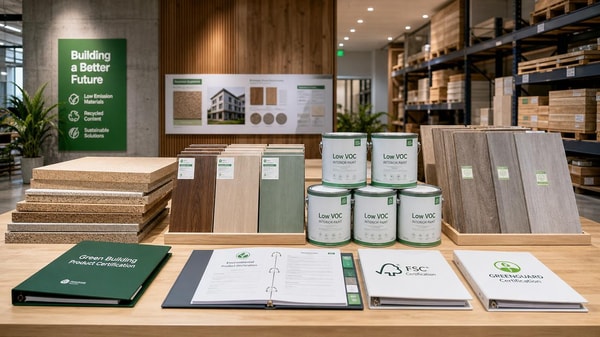
 Eco-friendly building materials are easier to specify than to sourceEco-friendly building materials are easier to specify than source. Learn how procurement teams can verify claims, reduce risk, and find reliable suppliers faster.
 Ergonomic workspace design can fail if chair fit comes lastErgonomic workspace design starts with chair fit. Learn how the right seat improves posture, comfort, and focus—and why fixing it first can transform your workspace.
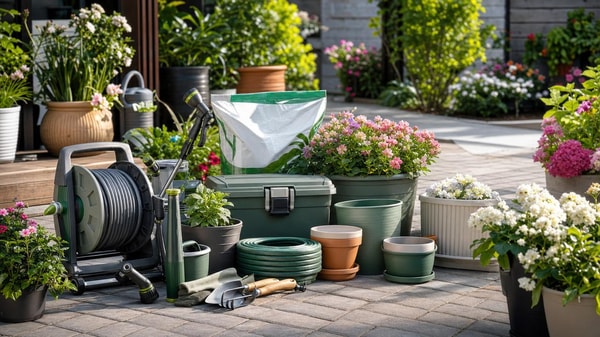
 Outdoor garden supplies demand shifts faster than many expectOutdoor garden supplies demand is shifting faster than expected. Discover key B2B trends, smarter sourcing insights, and practical strategies to stay competitive and capture growth.
 Sustainable home decor sells better when materials are clearly disclosedSustainable home decor sells better when brands clearly disclose materials, finishes, and sourcing. Discover why transparency builds trust, justifies price, and drives more confident buying.
 Modern office furniture trends now favor modular over fixed layoutsModern office furniture is shifting to modular layouts for flexibility, lower lifecycle costs, and better hybrid work performance. See why enterprises are moving away from fixed office design.
 Smart street lighting projects stall when controls are overcomplicatedSmart street lighting projects often stall when controls become too complex. Learn how to simplify deployment, reduce risk, and scale citywide with practical, maintainable systems.
 Solid-state battery breakthroughs look promising, but scale is harderSolid-state battery breakthroughs promise safer, higher-density energy storage, but scaling remains the real challenge. Explore what this means for supply chains, investment, and market advantage.
 Commercial LED lighting upgrades often save less than expectedCommercial LED lighting upgrades can underdeliver when baseline data, controls, and installation costs are misjudged. Learn how to assess real savings, reduce ROI risk, and make smarter investment decisions.
 Lithium battery storage payback can change with one policy updateLithium battery storage payback can shift fast after one policy update. See how tariffs, tax credits, grid pricing, and incentives change ROI—and how finance teams can approve smarter.
 Photovoltaic solar panels now compete on output in low lightPhotovoltaic solar panels now compete on low-light output. Discover how buyers can compare yield, risk, and supplier value to source smarter and boost project returns.
 Plant-based protein processing changes texture more than many expectPlant-based protein processing reshapes texture, stability, and safety more than expected. Explore key risks, QC checkpoints, and smarter sourcing insights for consistent results.
 Foldable screen technology is improving, but crease concerns remainFoldable screen technology is evolving fast with slimmer designs and stronger hinges, but crease concerns still shape buying decisions. Explore where it matters most.
 Next-gen wireless charging still faces a heat management problemNext-gen wireless charging promises faster, more flexible power delivery, but heat remains the key barrier. Discover how thermal limits impact safety, efficiency, and market readiness.
 Wearable technology adoption drops when comfort gets overlookedWearable technology adoption falls fast when comfort is ignored. Discover how fit, materials, weight, and battery life shape long-term use and smarter buying decisions.
 Smart home devices wholesale is no longer just about low pricingSmart home devices wholesale now goes beyond low pricing. Discover how reliability, compatibility, and supply chain confidence help distributors choose profitable, trusted partners.
 Agri-PV systems make sense only when land use is planned wellAgri-PV systems deliver real value only when land use is planned well. Discover how smart site, crop, grid, and compliance decisions turn dual-use solar into a bankable, sustainable project.
 Organic fertilizers may improve soil slower, but results last longerOrganic fertilizers improve soil slowly but deliver longer-lasting results. Learn how they boost soil health, support safer growing, and help you choose the right option for sustainable planting success.
 Smart classroom solutions fail when teachers need too many appsSmart classroom solutions fail when teachers juggle too many apps. Discover why integrated, easy-to-use platforms drive adoption, ROI, and scalable learning success.

















Popular Tags
Global Trade Insights & Industry
Our mission is to empower global exporters and importers with data-driven insights that foster strategic growth.
Search News
Popular Tags
Industry Overview
The global commercial kitchen equipment market is projected to reach $112 billion by 2027. Driven by urbanization, the rise of e-commerce food delivery, and strict hygiene regulations.