

Outdoor garden supplies sell better when storage is part of the plan
Outdoor garden supplies sell better when buyers can see the full value chain, and smart storage is a key part of that equation. For distributors, agents, and wholesalers, products that combine outdoor appeal with practical storage solutions meet rising demand for convenience, durability, and space efficiency. Understanding this trend helps trade professionals identify stronger product opportunities and build more competitive sourcing strategies.
Why the market signal around Outdoor garden supplies is changing
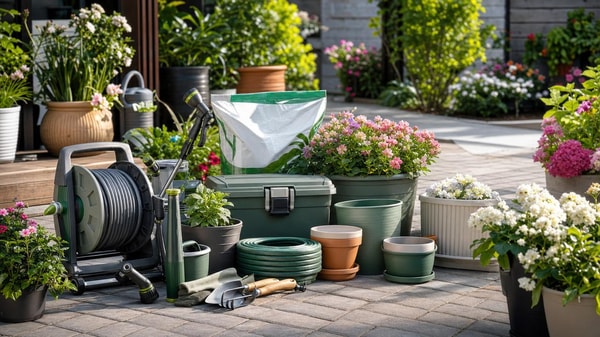
Across multiple consumer markets, Outdoor garden supplies are no longer judged only by appearance, seasonality, or entry-level price. Buyers are placing more value on usability after purchase, especially where homes, patios, balconies, and compact outdoor spaces need to stay organized. This is changing how retail channels evaluate assortments and how trade buyers compare suppliers. A planter bench, deck box, hose organizer, tool cabinet, or modular shed is now viewed not just as a garden product, but as part of a broader outdoor living solution.
For distributors and agents, this shift matters because it affects conversion, repeat demand, basket size, and product positioning. Outdoor garden supplies with integrated storage, stackability, weather protection, or multi-function utility often solve a visible consumer pain point. That makes them easier to market, easier for retailers to explain, and more resilient in a competitive catalog. In practical terms, the market is moving away from isolated products and toward coordinated outdoor categories that combine display appeal with storage logic.
This does not mean every product must become complex. It means the commercial value of Outdoor garden supplies increasingly depends on whether the product helps the end buyer save space, protect tools, reduce clutter, and maintain the outdoor area with less effort. Trade professionals who understand this are better positioned to identify durable demand rather than chasing only short-term seasonal spikes.
The strongest trend is the move from decorative purchase to functional outdoor systems
One of the clearest market changes is that Outdoor garden supplies are being evaluated as part of lifestyle systems. Consumers increasingly mix gardening, leisure, storage, pet space, and family use within the same outdoor footprint. As a result, products that once sold as standalone items now benefit from being grouped into practical outdoor organization themes.
This has several implications for channel buyers. First, storage is no longer a secondary feature hidden in the product description. It has become a headline selling point. Second, weather resistance, simple assembly, easy cleaning, and modular compatibility are moving higher in purchasing criteria. Third, retailers want Outdoor garden supplies that can be cross-merchandised with cushions, planters, watering tools, lighting, and seasonal accessories without creating inventory complexity.
What is driving demand for storage-led Outdoor garden supplies
Several forces are pushing this trend forward. The first is the widespread pressure on available living space. In urban and suburban markets alike, many households want outdoor functionality without dedicating large areas to separate furniture, tools, and storage units. Compact and integrated solutions answer that need directly.
The second driver is the continued rise of outdoor living as an everyday category rather than a purely seasonal one. Patios, terraces, gardens, and shared residential outdoor areas are increasingly treated as extensions of the home. This expands the role of Outdoor garden supplies from occasional-use items to products that need to stay presentable, organized, and convenient over longer periods.
A third driver is channel competition. E-commerce listings and store displays are crowded, so products need a clearer value story. “Storage included,” “space saving,” “weather-ready,” and “multi-purpose” are easy benefits to communicate. They help buyers compare products quickly and reduce the risk that Outdoor garden supplies become generic price-only items.
The fourth driver is operational. Retailers and importers prefer lines that can reduce assortment complexity while covering more use cases. A storage bench may compete more effectively than both a separate bench and a separate box. This matters for shelf planning, logistics efficiency, and promotional storytelling.
How the shift affects distributors, wholesalers, and agents differently
Although the overall trend is clear, its impact varies across business roles. Distributors are affected most by sell-through performance and product mix discipline. They need Outdoor garden supplies that can move across multiple retail formats, from home improvement and garden centers to general household and online marketplaces. Products with storage value can perform well because they fit several category narratives at once.
Wholesalers are influenced more directly by volume flexibility, carton efficiency, and repeatability. Flat-pack design, modular components, and protected finishes become more important because they reduce shipping inefficiency and damage exposure. In other words, the storage trend is not only about consumer preference; it also reshapes packaging and sourcing logic.
Agents and sourcing intermediaries face a different challenge: they must help buyers distinguish between surface-level product claims and real commercial readiness. Not every storage-focused item is built for channel success. Quality of hinges, material thickness, drainage design, ventilation, locking features, and assembly simplicity can all affect final satisfaction. Agents who can assess these details add strategic value beyond simple product matching.
Which product features now act as real buying signals
For Outdoor garden supplies, trade decision-makers should pay close attention to which product features are merely attractive and which are now becoming baseline expectations. The market is showing clear preference for materials that balance visual appeal with low maintenance. Resin, treated wood, powder-coated metal, and hybrid materials each carry different channel advantages, but all must support outdoor durability claims credibly.
Ease of assembly is another major signal. Storage-oriented Outdoor garden supplies often fail commercially when the setup process is frustrating or when instructions are unclear. The more a product depends on household use by non-professional buyers, the more assembly clarity influences reviews and return rates. This is especially important in e-commerce and cross-border sales where post-sale support may be limited.
Security and protection also matter more than before. In many markets, buyers are looking for dry storage, lid support, basic locking compatibility, ventilation, and resistance to fading or warping. These details can move a product from decorative impulse purchase into practical household investment. That distinction is valuable for distributors trying to protect margin.
Finally, visual integration is becoming a stronger buying signal. Outdoor garden supplies sell better when storage products match outdoor furniture styles, garden color palettes, and modern home exteriors. Buyers want utility, but they do not want utility that looks industrial or intrusive in a residential setting.
The sourcing conversation is moving beyond price alone
A notable change in this category is that sourcing teams are asking more layered questions. Instead of choosing Outdoor garden supplies by headline cost alone, they are weighing product lifespan, customer complaint risk, packaging efficiency, SKU overlap, and presentation value. This creates an opening for suppliers who can demonstrate consistency, packaging intelligence, and clearer documentation.
For B2B buyers, a lower unit cost can quickly lose appeal if the item damages easily, stores poorly in warehouses, or triggers assembly complaints. By contrast, well-designed storage-focused Outdoor garden supplies can justify stronger positioning because they lower hidden costs across the supply chain. This is particularly relevant for importers serving several regional accounts that need reliable repeat programs rather than one-off price wins.
The category is also becoming more sensitive to content readiness. Product pages, carton labels, use-case images, installation diagrams, and material claims now influence buyer confidence earlier in the process. Since TradeVantage and similar B2B information environments reward credible, search-friendly, high-authority content, suppliers that communicate the full use case of Outdoor garden supplies often gain more visibility and trust than suppliers that present only dimensions and prices.
How to judge whether the trend will strengthen in your target market
Not every region moves at the same pace, so distributors and agents should focus on practical market signals. Watch whether local retailers are expanding outdoor living categories beyond peak gardening months. Monitor whether product searches and buyer inquiries increasingly mention storage, organization, compact living, patio utility, or multi-use furniture. Review whether online listings with “deck box,” “storage bench,” “tool organizer,” or “weatherproof outdoor storage” are receiving stronger placement and review activity.
Also examine channel behavior. If retailers are reducing slow-moving decorative-only items and expanding practical Outdoor garden supplies, that is a clear indicator of structural change rather than temporary promotion. If buyers are asking more questions about assembly time, waterproofing, and packaging dimensions, they are signaling that the category is being evaluated through a total-value lens.
Practical checks for trade professionals
- Does the product solve a visible storage problem in small or medium outdoor spaces?
- Can the item be marketed in more than one retail category?
- Are packaging, assembly instructions, and material claims ready for cross-border distribution?
- Will the product still look attractive after normal outdoor exposure?
- Can the supplier support continuity if demand expands from seasonal orders to year-round replenishment?
What businesses should do now to stay ahead of the shift
The current direction suggests that Outdoor garden supplies with credible storage value will remain commercially relevant across multiple channels. Businesses should respond by tightening category selection rather than broadening it without strategy. Focus on products that combine outdoor aesthetics, easy maintenance, and practical storage outcomes. Build assortments around use scenarios such as patio organization, garden tool protection, balcony space saving, or family outdoor seating with hidden storage.
It is also wise to strengthen supplier evaluation standards. Ask for packaging tests, assembly samples, finish details, drainage solutions, and evidence of material durability. Review how the product will be described in search-driven channels, because discoverability increasingly shapes B2B and B2C performance alike. Outdoor garden supplies that are easy to explain, easy to ship, and easy to live with are the ones most likely to maintain momentum.
For companies seeking better brand exposure or higher-authority placement in global trade ecosystems, this trend creates a useful content opportunity as well. Instead of promoting products only by SKU, present them within the larger market shift toward organized outdoor living. That framing improves search relevance, supports trust signals, and helps buyers understand why a product line deserves attention now.
Final market judgment for Outdoor garden supplies
The important change is not simply that storage products are popular. It is that Outdoor garden supplies increasingly sell on their ability to connect style, utility, and space management in one offering. For distributors, wholesalers, and agents, that changes sourcing priorities, retail storytelling, and supplier selection. The category is becoming more value-layered and less dependent on decoration alone.
If your business wants to judge how this trend affects current strategy, confirm a few key questions: Are your target buyers asking for function-led outdoor products? Are your suppliers equipped to support durability and content transparency? Can your assortment show how Outdoor garden supplies fit into a broader outdoor organization story? The clearer your answers, the more effectively you can turn this market change into a practical growth direction.
Recommended News
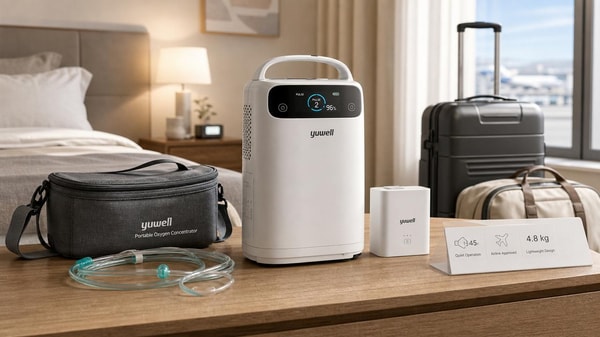
 Portable oxygen concentrators are quieter now, but not always lighterPortable oxygen concentrators are getting quieter, but not always lighter. Explore the trade-offs in weight, battery life, comfort, and daily usability before you compare today’s top options.
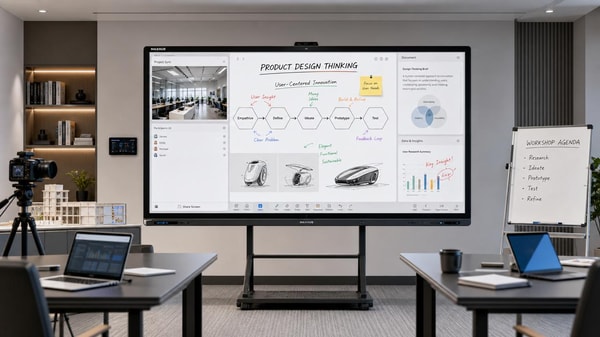
 Interactive whiteboards are improving, but software still decides valueInteractive whiteboards deliver real value when software matches the scenario. Explore how usability, integration, security, and updates shape smarter buying decisions.
 Medical diagnostic equipment downtime often starts with calibration neglectMedical diagnostic equipment downtime often starts with missed calibration. Learn the warning signs, checklist priorities, and practical steps to prevent failures and keep healthcare operations reliable.
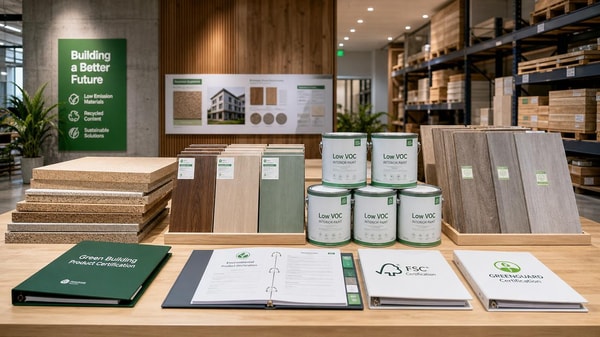
 Eco-friendly building materials are easier to specify than to sourceEco-friendly building materials are easier to specify than source. Learn how procurement teams can verify claims, reduce risk, and find reliable suppliers faster.
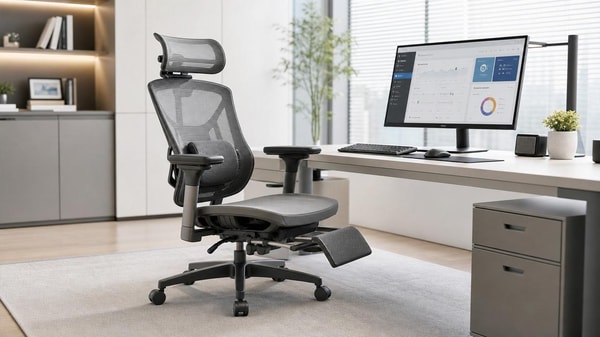
 Ergonomic workspace design can fail if chair fit comes lastErgonomic workspace design starts with chair fit. Learn how the right seat improves posture, comfort, and focus—and why fixing it first can transform your workspace.
 Outdoor garden supplies demand shifts faster than many expectOutdoor garden supplies demand is shifting faster than expected. Discover key B2B trends, smarter sourcing insights, and practical strategies to stay competitive and capture growth.
 Sustainable home decor sells better when materials are clearly disclosedSustainable home decor sells better when brands clearly disclose materials, finishes, and sourcing. Discover why transparency builds trust, justifies price, and drives more confident buying.
 Modern office furniture trends now favor modular over fixed layoutsModern office furniture is shifting to modular layouts for flexibility, lower lifecycle costs, and better hybrid work performance. See why enterprises are moving away from fixed office design.
 Smart street lighting projects stall when controls are overcomplicatedSmart street lighting projects often stall when controls become too complex. Learn how to simplify deployment, reduce risk, and scale citywide with practical, maintainable systems.
 Solid-state battery breakthroughs look promising, but scale is harderSolid-state battery breakthroughs promise safer, higher-density energy storage, but scaling remains the real challenge. Explore what this means for supply chains, investment, and market advantage.
 Commercial LED lighting upgrades often save less than expectedCommercial LED lighting upgrades can underdeliver when baseline data, controls, and installation costs are misjudged. Learn how to assess real savings, reduce ROI risk, and make smarter investment decisions.
 Lithium battery storage payback can change with one policy updateLithium battery storage payback can shift fast after one policy update. See how tariffs, tax credits, grid pricing, and incentives change ROI—and how finance teams can approve smarter.
 Photovoltaic solar panels now compete on output in low lightPhotovoltaic solar panels now compete on low-light output. Discover how buyers can compare yield, risk, and supplier value to source smarter and boost project returns.
 Plant-based protein processing changes texture more than many expectPlant-based protein processing reshapes texture, stability, and safety more than expected. Explore key risks, QC checkpoints, and smarter sourcing insights for consistent results.
 Foldable screen technology is improving, but crease concerns remainFoldable screen technology is evolving fast with slimmer designs and stronger hinges, but crease concerns still shape buying decisions. Explore where it matters most.
 Next-gen wireless charging still faces a heat management problemNext-gen wireless charging promises faster, more flexible power delivery, but heat remains the key barrier. Discover how thermal limits impact safety, efficiency, and market readiness.
 Wearable technology adoption drops when comfort gets overlookedWearable technology adoption falls fast when comfort is ignored. Discover how fit, materials, weight, and battery life shape long-term use and smarter buying decisions.
 Smart home devices wholesale is no longer just about low pricingSmart home devices wholesale now goes beyond low pricing. Discover how reliability, compatibility, and supply chain confidence help distributors choose profitable, trusted partners.
 Agri-PV systems make sense only when land use is planned wellAgri-PV systems deliver real value only when land use is planned well. Discover how smart site, crop, grid, and compliance decisions turn dual-use solar into a bankable, sustainable project.
 Organic fertilizers may improve soil slower, but results last longerOrganic fertilizers improve soil slowly but deliver longer-lasting results. Learn how they boost soil health, support safer growing, and help you choose the right option for sustainable planting success.
 Smart classroom solutions fail when teachers need too many appsSmart classroom solutions fail when teachers juggle too many apps. Discover why integrated, easy-to-use platforms drive adoption, ROI, and scalable learning success.














Popular Tags
Global Trade Insights & Industry
Our mission is to empower global exporters and importers with data-driven insights that foster strategic growth.
Search News
Popular Tags
Industry Overview
The global commercial kitchen equipment market is projected to reach $112 billion by 2027. Driven by urbanization, the rise of e-commerce food delivery, and strict hygiene regulations.