

How to Choose a Sheet Metal Fabrication Supplier
Choosing a sheet metal fabrication supplier is ultimately a risk-and-fit decision: the best supplier is not the one with the lowest quote, but the one that can consistently meet your specifications, quality expectations, lead-time targets, and total cost goals. For buyers using online trade platforms, the smartest approach is to evaluate suppliers through a practical framework that covers manufacturing capability, quality systems, engineering support, material expertise, communication reliability, and commercial transparency.
For procurement teams, distributors, sourcing researchers, and business evaluators, this matters because sheet metal fabrication affects far more than part pricing. A weak supplier can create hidden costs through scrap, rework, missed deadlines, design errors, inconsistent tolerances, and poor packaging. A strong supplier, by contrast, helps reduce supply risk, improve speed to market, and support scaling over time. This article explains how to assess sheet metal fabrication suppliers in a way that supports better sourcing decisions and stronger long-term supplier partnerships.
Start with the question that matters most: can this supplier reliably make your parts at the quality and volume you need?
Many buyers begin by comparing prices too early. In reality, supplier selection should start with production fit. A sheet metal fabrication supplier may look competitive online, but if they are not equipped for your material type, part geometry, tolerance level, finishing needs, or order volume, the low price will not hold up in production.
When reviewing a supplier, ask whether they can handle your specific requirements across the full fabrication process, including:
- Laser cutting, punching, bending, welding, stamping, and assembly
- Prototype runs, low-volume production, and mass production scalability
- Carbon steel, stainless steel, aluminum, galvanized sheet, and specialty materials
- Surface treatments such as powder coating, plating, anodizing, or polishing
- Tolerance control for structural, enclosure, industrial, or architectural applications
If your sourcing need includes sheet metal roofing components, cladding systems, or building-related fabrications, confirm that the supplier has direct experience with weather-resistant finishes, corrosion protection, structural consistency, and job-site dimensional reliability. Roofing and construction applications often have very different requirements from electronics housings or machinery brackets, so category-specific expertise matters.
A good supplier should be able to explain not only what machines they own, but what kinds of projects they routinely deliver successfully. That difference is important. Equipment lists alone do not prove execution capability.
Look beyond certifications and examine how the supplier controls quality in real production
Quality claims are common in supplier directories, but buyers should verify how quality is actually managed. A dependable sheet metal fabrication supplier should have clear inspection procedures, traceability systems, and corrective action processes, not just generic statements about “high quality.”
Key areas to evaluate include:
- Incoming material inspection and supplier traceability
- In-process inspection during cutting, bending, welding, and finishing
- Final dimensional checks and cosmetic inspection standards
- Calibration of measuring equipment
- Documentation for nonconformance handling and root-cause analysis
- Quality certifications such as ISO 9001 where relevant
Ask for sample inspection reports, PPAP-style documentation if applicable, first article inspection examples, or photos of quality checkpoints. These materials tell you far more than a certificate badge on a profile page.
For buyers in regulated or high-performance sectors, quality discussion should also include tolerance repeatability, weld consistency, coating adhesion, packaging protection, and shipping damage prevention. A supplier that produces acceptable parts in the factory but fails to protect them in export transit still creates commercial risk.
Evaluate engineering support, because manufacturability issues often drive hidden cost
One of the most overlooked factors in supplier selection is engineering communication. The best sheet metal fabrication suppliers do more than “build to print.” They help identify manufacturability risks before production starts.
This is especially valuable when buyers are sourcing from overseas suppliers or comparing multiple quotations through a B2B platform. Small design issues can significantly affect price, production speed, and scrap rate. Examples include overly tight tolerances, unnecessary bends, difficult weld locations, inefficient nesting, or finish requirements that increase handling complexity.
A capable supplier should be willing to review:
- 2D drawings and 3D files
- Bend radii and material behavior
- Tolerance feasibility
- Part consolidation opportunities
- Alternative materials or finishes
- Packaging and logistics requirements
This is also where broader cost awareness can help. Buyers sometimes compare fabrication methods without understanding relative economics. For example, knowledge of related cost references such as 3D printing price trends can be useful during early-stage sourcing or prototyping discussions. In some cases, additive manufacturing may support rapid validation, while sheet metal fabrication remains the better option for durability, repeatability, or production-scale cost efficiency. A supplier who can speak intelligently about process tradeoffs is often more valuable than one who simply submits a quote.
Assess delivery performance and supply chain reliability, not just quoted lead time
Lead time on paper is not the same as reliable delivery. Procurement teams should examine whether the supplier can consistently meet deadlines under real production conditions, especially when materials are volatile or capacity is tight.
Important questions include:
- What is the standard lead time for prototypes and repeat orders?
- How does the supplier manage urgent orders?
- Do they keep common materials in stock or source only after order confirmation?
- What are their subcontracting dependencies for finishing or special processes?
- How do they handle production bottlenecks and shipping delays?
If your business depends on seasonal demand, project milestones, or installation schedules, supplier delivery discipline becomes a strategic issue. For distributors and importers, one late shipment can disrupt multiple downstream commitments.
Ask for on-time delivery metrics if available. If not, review indirect indicators such as repeat customer references, export experience, packaging methods, and communication speed during the quotation stage. Suppliers that are slow, vague, or inconsistent before winning the order often become more difficult after payment is made.
Compare quotations by total cost, not unit price alone
A common sourcing mistake is selecting the lowest-priced sheet metal fabrication supplier without examining total landed cost and operational impact. A lower unit price can quickly become more expensive if the supplier has high defect rates, weak communication, incomplete finishing capability, or inefficient logistics support.
When comparing suppliers, evaluate total cost across these dimensions:
- Unit price and tooling charges
- Material grade and thickness accuracy
- Yield loss and scrap risk
- Secondary processing and finishing costs
- Packaging, palletization, and export readiness
- Freight coordination and damage risk
- Rework, replacement, and warranty exposure
- Internal management time required to control the supplier
If one supplier offers a slightly higher price but better drawing review, stronger quality control, more complete in-house processing, and lower rework risk, that supplier may deliver a much better total return.
For commercial evaluators, this is where supplier selection connects directly to margin protection. Cost should be viewed as a lifecycle issue, not a quotation line item.
Check industry experience and customer fit, because not every capable factory is right for every buyer
A supplier may be technically competent yet still be a poor fit for your business model. The best supplier relationship usually comes from alignment in order size, response style, documentation level, and market expectations.
For example:
- A factory focused on large industrial batches may not support fast-turn prototypes well.
- A supplier used to simple brackets may struggle with cosmetic enclosures.
- A company with domestic-market experience may be weak in export packaging and documentation.
- A manufacturer serving construction projects may be better suited for sheet metal roofing systems than precision cabinet parts.
Ask what industries they serve most often and request examples close to your application. Relevant experience can shorten development time and reduce avoidable errors. It also signals whether the supplier understands the standards your market expects.
Use a practical supplier vetting checklist before making a final decision
To move from initial screening to confident selection, buyers should use a structured checklist. This helps avoid decisions based only on polished profiles or aggressive sales communication.
A useful sheet metal fabrication supplier checklist should include:
- Capability fit: Can they make your parts with the required processes, materials, and finishes?
- Quality maturity: Do they have documented inspection and corrective action systems?
- Engineering support: Can they identify manufacturability and cost optimization opportunities?
- Delivery reliability: Do they show evidence of stable lead times and export readiness?
- Commercial transparency: Are quotations detailed, clear, and professionally structured?
- Communication: Are responses technically accurate, timely, and easy to follow?
- Application experience: Have they made similar products for similar markets?
- Scalability: Can they support growth if your order volume increases?
Where possible, validate this through a sample order, video audit, third-party inspection, or pilot run. For strategic programs, a trial order is often the best way to confirm whether a supplier performs as promised.
Final decision: choose the supplier that lowers risk while supporting long-term value
If you are deciding how to choose a sheet metal fabrication supplier, the clearest answer is this: prioritize reliable execution over headline price. The strongest supplier is one that matches your technical requirements, communicates well, controls quality consistently, and can support your delivery and growth goals without creating hidden cost.
For information researchers, procurement professionals, business evaluators, and distribution partners, the most valuable evaluation method is a balanced one. Review production capability, quality systems, industry fit, engineering responsiveness, and total cost together. If your applications include sheet metal roofing, structural parts, enclosures, or custom fabricated assemblies, confirm that the supplier has proven experience in that exact type of work.
In a competitive sourcing environment, good supplier selection is not just a purchasing task. It is a commercial advantage. A well-chosen sheet metal fabrication partner can improve supply continuity, reduce operating friction, and strengthen your position across the wider value chain.
Recommended News
 China’s 10-Dept AI Export Ethics Review Rule Takes EffectChina’s new 10-dept AI export ethics rule mandates algorithmic bias review for AI hardware bound for the EU, US, Canada, Japan & SK—key for smart cameras, voice assistants & industrial vision exporters.
 Red Sea Detour Now Standard: $1,850 TEU Premium on Asia-Europe RoutesRed Sea detour premium now standard: $1,850/TEU surcharge embedded in Asia-Europe freight rates — vital intel for exporters, importers & logistics teams.
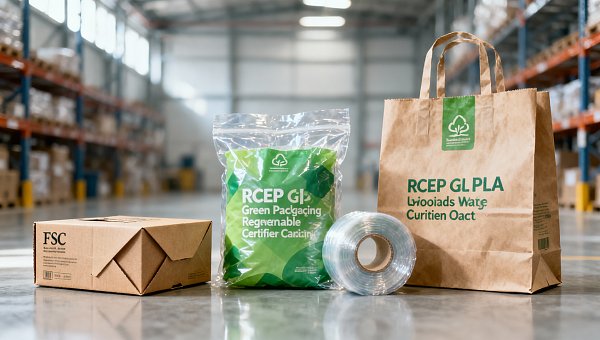
 RCEP Green Packaging Mutual Recognition Takes EffectRCEP Green Packaging Mutual Recognition takes effect Apr 22, 2026—streamline exports to AU, NZ, JP, KR with GB/T 37629–2019 certified molded fiber & PLA packaging.
 Mexico NOM-019-SCFI-2026 Effective: EMC Certification Required for Auto Electronics ExportsEMC certification is now mandatory for auto electronics exports to Mexico under NOM-019-SCFI-2026. Ensure compliance for rearview mirrors, radar sensors & T-Box units—avoid shipment delays and order cancellations.
") TÜV Rheinland Updates CE Requirements for Servo Drives (PLd + EMC Joint Validation)TÜV Rheinland now mandates joint PLd + EMC validation for servo drives under CE marking—learn how this impacts certification timelines, lab selection, and EU market access.
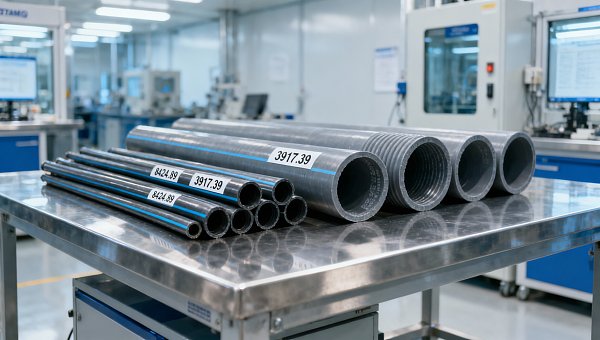
TÜV Rheinland Updates CE Requirements for Servo Drives (PLd + EMC Joint Validation)TÜV Rheinland now mandates joint PLd + EMC validation for servo drives under CE marking—learn how this impacts certification timelines, lab selection, and EU market access. Vietnam Suspends SASO Mutual Recognition for Chinese Irrigation EquipmentVietnam suspends SASO mutual recognition for Chinese irrigation equipment—urgent compliance updates for drip tapes & PE pipes (HS 8424.89/3917.39). Act now to avoid delays.
 FDA Finalizes AI Diagnostic Device Rules for ImportersFDA finalizes AI diagnostic device rules for importers: New bias assessment mandate impacts ultrasound, glucose analyzers & dermatoscopes. Act now to ensure U.S. market access.
 SABER Phase II Live: Saudi Building Hardware Requires Digital Type Test Reports & PIDSABER Phase II is live: Building hardware exports to Saudi Arabia now require digital type test reports & a mandatory, immutable Product ID (PID). Act now to avoid customs delays!
 IMDG Code 41-24 Enforced: UN3480 Lithium Battery Labeling Mandatory from Apr 2026IMDG Code 41-24 enforcement starts Apr 2026: UN3480 lithium battery labeling & ISO 17363 docs are now mandatory—avoid port rejections!
 CBAM Carbon Tax Launch: Low CBAM Reporting Rate Among Chinese ExportersCBAM Carbon Tax is live—only 36.8% of Chinese exporters reported. Discover why, which industries are at risk, and how to secure EU market access now.
 China’s 10 Agencies Issue AI Export Ethics Review RulesChina’s 10 agencies launch AI export ethics rules—mandating bias reviews for visual inspection, warehouse AI & defect detection systems. Stay compliant & competitive.
 RCEP Green Packaging Mutual Recognition Takes EffectRCEP Green Packaging Mutual Recognition is now in effect—unlock faster customs clearance in Australia, NZ, Japan & Korea for GB/T 37659–2019-certified eco-packaging.
 Mexico NOM-019-SCFI-2026 Effective Apr 10, 2026: EMC Certification Required for Automotive ElectronicsNOM-019-SCFI-2026 EMC certification is now mandatory for automotive electronics entering Mexico — act before the July 1, 2026 customs ban.
 Red Sea Rerouting Normalized, EBA at $1,850/TEURed Sea rerouting normalized with EBA fixed at $1,850/TEU—learn how this structural shift impacts Asia-Europe freight costs, lead times & supply chain strategy.
 FDA AI Diagnostic Device Draft Rules: Bias Assessment for ImportsFDA AI diagnostic device draft rules require bias assessment for imports—learn how portable ultrasound, glucose, and dermatoscopic AI devices are affected & what to do next.
") TÜV Rheinland Updates CE Requirements for Servo Drives (PLd + EMC)TÜV Rheinland updates CE requirements for servo drives: PLd (ISO 13849-1) + EMC immunity (IEC 61000-6-2 Ed.4) now mandatory together — act now to avoid EU market delays!
TÜV Rheinland Updates CE Requirements for Servo Drives (PLd + EMC)TÜV Rheinland updates CE requirements for servo drives: PLd (ISO 13849-1) + EMC immunity (IEC 61000-6-2 Ed.4) now mandatory together — act now to avoid EU market delays! SABER Phase II Launch: Building Hardware Must Submit Digital Type Test Reports & Unique Product IDSABER Phase II now mandates digital type test reports & unique product IDs for building hardware—fasteners, scaffolding, door/window components. Ensure compliance to avoid customs rejection & SCOC delays.
 Vietnam Suspends SASO Mutual Recognition for Chinese Irrigation EquipmentVietnam suspends SASO mutual recognition for Chinese irrigation equipment—TCVN testing now mandatory. Act now to avoid 8–12 week delays and customs holdups.
 IMDG Code 41-24 Enforced: UN3480 Lithium Battery Labeling UpdateIMDG Code 41-24 enforcement starts April 2026: UN3480 lithium battery labeling updates are mandatory for global maritime shipments — avoid port delays, detention & penalties.
 EU CBAM Enters Full Enforcement on Jan 1, 2026EU CBAM full enforcement starts Jan 1, 2026 — mandatory quarterly reporting & certificate purchases for batteries, steel, cement, aluminum, fertilizers & chemicals. Act now to ensure EU market access.
 EU CBAM Carbon Tariff Starts Oct 2026 for Chinese Battery, Cement, Chemical ExportsEU CBAM carbon tariff hits Chinese battery, cement & chemical exports from Oct 2026 — mandatory emissions reporting starts now. Avoid €98/t default fees.



















Popular Tags
Global Trade Insights & Industry
Our mission is to empower global exporters and importers with data-driven insights that foster strategic growth.
Search News
Popular Tags
Industry Overview
The global commercial kitchen equipment market is projected to reach $112 billion by 2027. Driven by urbanization, the rise of e-commerce food delivery, and strict hygiene regulations.