

Interactive Whiteboards Are Common Now, but Are They Used Well?
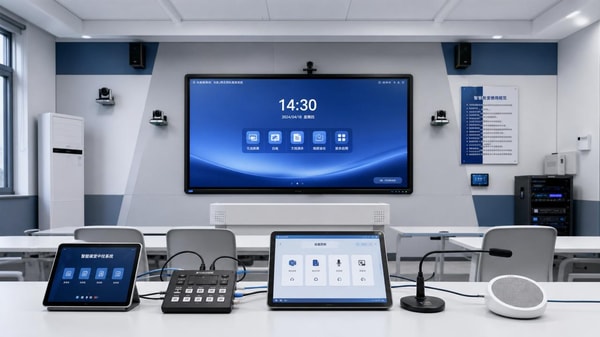
Interactive whiteboards are now standard in many classrooms, meeting rooms, and training spaces—but widespread adoption does not always mean effective use. For information researchers tracking digital collaboration and education technology, this topic reveals a larger question: are organizations unlocking the full value of these tools, or simply following the trend? Understanding how interactive whiteboards are actually used can uncover important insights into productivity, engagement, and return on investment.
Why are interactive whiteboards everywhere, yet often underused?
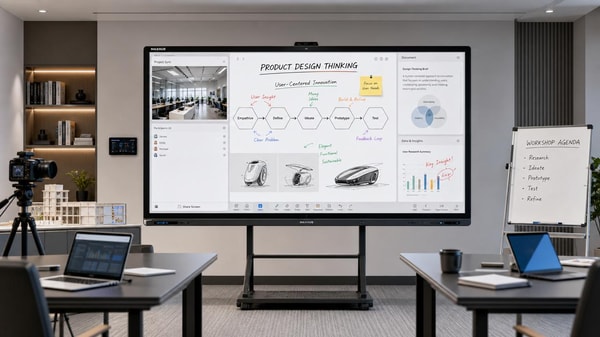
The spread of interactive whiteboards reflects a broader digitalization trend across education, corporate training, healthcare, public administration, and cross-border business communication. Buyers often adopt them because they promise collaboration, visual clarity, and hybrid participation. In practice, however, many organizations use them as upgraded projection screens rather than as interactive platforms.
For information researchers, this gap matters. It affects procurement outcomes, software ecosystem choices, user training needs, and long-term equipment replacement cycles. It also signals whether technology investments are driven by operational need, compliance pressure, or market imitation.
- In schools, the issue is often teacher adoption and content compatibility rather than hardware availability.
- In meeting environments, poor integration with conferencing tools reduces the value of interactive whiteboards.
- In training centers, weak onboarding means participants never use annotation, split-screen, or multi-user functions.
- In multinational operations, inconsistent standards across sites create fragmented user experiences and support burdens.
What this signals to market watchers
When adoption rises but utilization remains shallow, the market opportunity shifts from basic hardware sales to ecosystem services: deployment consulting, platform integration, training content, remote support, and refresh planning. For B2B intelligence users, that means the most relevant insight is not unit volume alone, but usage maturity across sectors and regions.
Where do interactive whiteboards deliver real value?
Interactive whiteboards perform best when users need shared visual work, live annotation, content capture, and remote participation. Their value increases when they replace disconnected tools such as projectors, paper boards, document cameras, and separate video-conference screens.
The table below helps information researchers compare how interactive whiteboards are used across common environments and what success depends on in each case.
The pattern is clear: interactive whiteboards create value when tied to a workflow, not when purchased as symbolic proof of modernization. A school needs lesson-ready content. A boardroom needs collaboration software compatibility. A training venue needs facilitation methods that invite touch interaction rather than passive viewing.
What effective use usually looks like
- Participants annotate documents in real time and save outcomes directly to cloud storage or internal systems.
- Remote attendees see the same board activity without needing a secondary camera setup.
- Users switch smoothly between whiteboarding, browser content, video, and file sharing.
- Organizations define ownership for updates, cleaning, support, and user guidance.
What separates smart deployment from poor procurement?
Many buying teams focus heavily on panel size and price. Those are visible metrics, but they rarely determine whether interactive whiteboards succeed after installation. Researchers evaluating procurement quality should examine a wider set of decision factors, especially in multi-site or internationally sourced projects.
The following selection table highlights practical procurement criteria that often influence total usability more than headline specifications.
This framework is especially useful for cross-border sourcing and comparative supplier research. A cheaper board may look attractive on paper, yet create hidden costs through compatibility issues, training gaps, or limited service infrastructure. Interactive whiteboards should be assessed as part of an operating environment, not as isolated hardware.
A practical procurement checklist
- Map the main user group: teachers, trainers, executives, technical staff, or mixed teams.
- Define the primary use case: presentation, collaboration, instruction, planning, or hybrid conferencing.
- Audit existing software tools before shortlisting interactive whiteboards.
- Request demonstration workflows, not only specification sheets.
- Verify installation, warranty handling, and replacement arrangements for every target market.
Are interactive whiteboards worth the cost compared with alternatives?
For many organizations, the question is not whether interactive whiteboards are useful, but whether they outperform lower-cost combinations such as projectors plus laptops, standard flat panels plus collaboration apps, or portable digital boards. The answer depends on room frequency, collaboration intensity, and user discipline.
The table below compares common solution paths that buyers and analysts often review during budget planning.
Interactive whiteboards usually justify their cost in spaces with repeated collaborative use, high participant turnover, or hybrid communication requirements. They are harder to justify when the room is used mainly for one-way presentations or when users already collaborate effectively through software-first workflows.
Hidden cost factors researchers should track
- Installation complexity, including wall reinforcement, power access, and cabling changes.
- Licensing for whiteboarding, device casting, or enterprise management features.
- Training time for staff who are unfamiliar with interactive teaching or meeting methods.
- Refresh cycles driven by software support and platform compatibility, not only screen durability.
What common mistakes reduce ROI from interactive whiteboards?
Mistake 1: Measuring adoption by installation count
A room inventory report can look impressive while actual use remains minimal. Better indicators include weekly active sessions, annotation frequency, remote collaboration use, and file-sharing integration. For researchers, this is a reminder that shipment or installation data alone rarely reflects technology maturity.
Mistake 2: Ignoring the software layer
Interactive whiteboards are often judged by screen size and brightness, but the software layer defines daily value. If the interface is clumsy or key applications fail to integrate, users quickly return to laptops and external displays. A capable panel with weak workflow design becomes an expensive monitor.
Mistake 3: Treating all scenarios as identical
An education setting prioritizes handwriting, lesson flow, and classroom visibility. A boardroom may prioritize camera integration, wireless casting, and secure sign-in. A training lab may need durable touch performance for repeated use. One-size-fits-all procurement often produces uneven satisfaction across departments.
Mistake 4: Underestimating governance
Without clear rules for updates, content deletion, user access, and maintenance, interactive whiteboards can become security and support burdens. This matters especially in multinational organizations where procurement, IT, and local operations are managed by different teams.
How should information researchers evaluate the market more effectively?
A strong market view combines device intelligence with usage context. GTIIN and TradeVantage are positioned for this kind of analysis because supply chains, buyer behavior, product visibility, and regional demand patterns are interconnected. In interactive whiteboards, the relevant question is not only what is being sold, but where it is being used well, what ecosystems support it, and which sectors are shifting from pilot adoption to repeat procurement.
For exporters, distributors, and brand teams, this insight supports market entry and positioning. For importers and procurement researchers, it improves supplier screening and category planning. For industry observers, it helps identify where collaboration technology is driven by authentic operational need rather than short-lived purchasing trends.
Useful research angles
- Track regional demand by sector, such as education tenders, enterprise retrofits, or training center expansion.
- Compare supplier visibility, product positioning, and content quality across export markets.
- Monitor whether growth is led by hardware features, bundled software, or channel partnerships.
- Assess how interactive whiteboards fit into wider digital transformation, hybrid work, and smart classroom programs.
FAQ: what do buyers and researchers ask most about interactive whiteboards?
How do I know if interactive whiteboards are being used well?
Look beyond installation. Check whether users rely on touch writing, save collaborative outputs, connect remote participants, and use the board as a shared work surface rather than a passive display. If most meetings or lessons still run from a laptop without board interaction, usage depth is low.
Which sectors gain the most from interactive whiteboards?
Education, corporate collaboration, professional training, healthcare communication, and public-sector planning often benefit the most. The common feature is repeated group interaction around visual material. Sectors with mostly one-way presentations may find lower-cost display solutions sufficient.
What matters more: hardware specs or software ecosystem?
Both matter, but software ecosystem usually decides long-term adoption. Strong touch performance is important, yet poor compatibility with conferencing tools, document platforms, or user accounts will limit daily use. Researchers should evaluate the full workflow, not isolated specifications.
What procurement risk is most often missed?
After-sales and lifecycle support are often underestimated. In distributed organizations, replacement policy, firmware management, spare parts availability, and support response time can have more operational impact than a modest difference in purchase price.
Why choose us for market insight and sourcing intelligence?
If you are researching interactive whiteboards for sourcing, market mapping, supplier visibility, or category planning, GTIIN and TradeVantage provide more than surface-level product information. Our platform connects industrial trend tracking, real-time trade intelligence, and sector-specific content across more than 50 industries, helping information researchers understand both demand signals and supplier positioning.
We support practical decision-making around product selection, market comparison, and digital exposure. That includes identifying relevant supplier segments, comparing application scenarios, reviewing procurement criteria, and understanding how product content influences international discoverability and trust signals in global trade environments.
- Ask us about parameter confirmation for different use environments and buyer profiles.
- Request support with supplier screening, product selection logic, and solution comparison.
- Discuss delivery cycle expectations, cross-border sourcing considerations, and regional market signals.
- Consult on content positioning, brand exposure, and high-value industry visibility for foreign trade enterprises.
For organizations deciding whether interactive whiteboards are truly worth the investment, better information is the first advantage. Contact us to explore supplier research, scenario-based selection, market demand analysis, certification-related considerations, and quotation communication pathways tailored to your target market.
Recommended News
 Portable oxygen concentrators are quieter now, but not always lighterPortable oxygen concentrators are getting quieter, but not always lighter. Explore the trade-offs in weight, battery life, comfort, and daily usability before you compare today’s top options.
 Interactive whiteboards are improving, but software still decides valueInteractive whiteboards deliver real value when software matches the scenario. Explore how usability, integration, security, and updates shape smarter buying decisions.
 Medical diagnostic equipment downtime often starts with calibration neglectMedical diagnostic equipment downtime often starts with missed calibration. Learn the warning signs, checklist priorities, and practical steps to prevent failures and keep healthcare operations reliable.
 Eco-friendly building materials are easier to specify than to sourceEco-friendly building materials are easier to specify than source. Learn how procurement teams can verify claims, reduce risk, and find reliable suppliers faster.
 Ergonomic workspace design can fail if chair fit comes lastErgonomic workspace design starts with chair fit. Learn how the right seat improves posture, comfort, and focus—and why fixing it first can transform your workspace.
 Outdoor garden supplies demand shifts faster than many expectOutdoor garden supplies demand is shifting faster than expected. Discover key B2B trends, smarter sourcing insights, and practical strategies to stay competitive and capture growth.
 Sustainable home decor sells better when materials are clearly disclosedSustainable home decor sells better when brands clearly disclose materials, finishes, and sourcing. Discover why transparency builds trust, justifies price, and drives more confident buying.
 Modern office furniture trends now favor modular over fixed layoutsModern office furniture is shifting to modular layouts for flexibility, lower lifecycle costs, and better hybrid work performance. See why enterprises are moving away from fixed office design.
 Smart street lighting projects stall when controls are overcomplicatedSmart street lighting projects often stall when controls become too complex. Learn how to simplify deployment, reduce risk, and scale citywide with practical, maintainable systems.
 Solid-state battery breakthroughs look promising, but scale is harderSolid-state battery breakthroughs promise safer, higher-density energy storage, but scaling remains the real challenge. Explore what this means for supply chains, investment, and market advantage.
 Commercial LED lighting upgrades often save less than expectedCommercial LED lighting upgrades can underdeliver when baseline data, controls, and installation costs are misjudged. Learn how to assess real savings, reduce ROI risk, and make smarter investment decisions.
 Lithium battery storage payback can change with one policy updateLithium battery storage payback can shift fast after one policy update. See how tariffs, tax credits, grid pricing, and incentives change ROI—and how finance teams can approve smarter.
 Photovoltaic solar panels now compete on output in low lightPhotovoltaic solar panels now compete on low-light output. Discover how buyers can compare yield, risk, and supplier value to source smarter and boost project returns.
 Plant-based protein processing changes texture more than many expectPlant-based protein processing reshapes texture, stability, and safety more than expected. Explore key risks, QC checkpoints, and smarter sourcing insights for consistent results.
 Foldable screen technology is improving, but crease concerns remainFoldable screen technology is evolving fast with slimmer designs and stronger hinges, but crease concerns still shape buying decisions. Explore where it matters most.
 Next-gen wireless charging still faces a heat management problemNext-gen wireless charging promises faster, more flexible power delivery, but heat remains the key barrier. Discover how thermal limits impact safety, efficiency, and market readiness.
 Wearable technology adoption drops when comfort gets overlookedWearable technology adoption falls fast when comfort is ignored. Discover how fit, materials, weight, and battery life shape long-term use and smarter buying decisions.
 Smart home devices wholesale is no longer just about low pricingSmart home devices wholesale now goes beyond low pricing. Discover how reliability, compatibility, and supply chain confidence help distributors choose profitable, trusted partners.
 Agri-PV systems make sense only when land use is planned wellAgri-PV systems deliver real value only when land use is planned well. Discover how smart site, crop, grid, and compliance decisions turn dual-use solar into a bankable, sustainable project.
 Organic fertilizers may improve soil slower, but results last longerOrganic fertilizers improve soil slowly but deliver longer-lasting results. Learn how they boost soil health, support safer growing, and help you choose the right option for sustainable planting success.
 Smart classroom solutions fail when teachers need too many appsSmart classroom solutions fail when teachers juggle too many apps. Discover why integrated, easy-to-use platforms drive adoption, ROI, and scalable learning success.
















Popular Tags
Global Trade Insights & Industry
Our mission is to empower global exporters and importers with data-driven insights that foster strategic growth.
Search News
Popular Tags
Industry Overview
The global commercial kitchen equipment market is projected to reach $112 billion by 2027. Driven by urbanization, the rise of e-commerce food delivery, and strict hygiene regulations.