

Are breathable car seat covers worth it in hot climates?
In hot climates, breathable car seat covers can improve comfort, reduce heat buildup, and protect vehicle interiors, but are they truly worth the investment? For buyers, distributors, and market researchers, this question also connects to broader purchasing decisions involving procurement cost, car maintenance tools, and even related automotive products like dash cams with night vision. This article explores performance, value, and sourcing considerations to help you make a smarter, data-driven choice.
What makes breathable car seat covers relevant in hot-climate automotive markets?
Breathable car seat covers are designed to reduce trapped heat and moisture between the driver or passenger and the original seat surface. In regions where cabin temperatures rise quickly after 20–40 minutes of sun exposure, this feature becomes more than a comfort upgrade. It affects user satisfaction, vehicle interior preservation, and product return rates, all of which matter to procurement teams and channel partners.
For information researchers and commercial evaluators, the answer is usually conditional rather than absolute. Breathable car seat covers are worth it when the target market experiences long hot seasons, frequent commuting, ride-hailing usage, or fleet operation. They are less compelling when the buyer focuses only on appearance, drives short distances, or already owns ventilated factory seats.
From a B2B perspective, this category sits at the intersection of accessory demand, seasonal purchasing cycles, and aftermarket differentiation. In many sourcing programs, seat covers are evaluated together with steering wheel covers, sunshades, floor mats, and dashboard electronics. That makes breathable car seat covers a useful gateway product for distributors building a wider automotive accessory portfolio.
Trade-focused platforms such as GTIIN and TradeVantage add value here by helping buyers compare product positioning across multiple supplier regions, monitor trend shifts, and assess how comfort-oriented accessories perform in broader export and import channels. For decision-makers, good product choice is not only about material feel. It also depends on consistency, specification clarity, packaging suitability, and market-fit messaging.
Why demand grows in high-temperature regions
In hot climates, standard leather or synthetic upholstery can feel uncomfortable within minutes. Breathable car seat covers create a ventilation layer that may help reduce direct contact with overheated seat surfaces. While performance varies by fabric density and construction, the practical goal is consistent: lower heat perception during the first 5–15 minutes of driving and improve comfort during longer trips.
- Daily commuters often prioritize temperature relief during morning and afternoon traffic peaks.
- Taxi, rideshare, and fleet operators look for easier cleaning and lower seat wear over 6–12 months of frequent use.
- Distributors seek products with broad fitment and low complaint rates across compact cars, SUVs, and light commercial vehicles.
- Importers evaluate packaging volume, seasonal demand windows, and reorder frequency before committing to larger batches.
This demand logic explains why breathable seat covers remain relevant even when they are not a premium technology item. They solve a visible, easy-to-understand problem and can be sold through online channels, retail outlets, workshops, and dealership accessory programs.
How do breathable car seat covers compare with common alternatives?
Buyers rarely assess breathable car seat covers in isolation. They compare them with standard polyester covers, full synthetic leather covers, bamboo bead mats, cooling cushions, or OEM ventilated seating. The right benchmark depends on budget, installation speed, and end-user expectation. For channel partners, comparison clarity reduces mismatched positioning and improves conversion quality.
The table below highlights the most common options seen in hot-climate automotive accessory sourcing. It focuses on practical B2B evaluation factors rather than promotional claims. This is especially useful when a distributor needs to decide between entry-level volume products and mid-range comfort-focused SKUs.
For many importers, breathable car seat covers occupy the strongest middle ground. They offer enough comfort improvement to support retail storytelling, but they avoid the higher technical risk of powered cooling accessories. In practical terms, that can mean fewer after-sales issues and easier inventory management over a seasonal sales cycle of 3–6 months.
When alternatives may be better
If the target market values luxury appearance more than thermal comfort, synthetic leather may still perform better commercially. If the sales strategy centers on low-ticket promotional bundles, standard polyester can fit the plan. If the vehicle base is premium and already includes ventilation systems, an add-on seat cover may interfere with intended seat functions and should be reviewed carefully before purchase.
This is why distributors should define the primary sales message before ordering. Is the product meant to solve heat discomfort, protect original upholstery, support a visual upgrade, or enable bundle selling with other accessories? The answer affects material selection, pricing, and packaging design.
Which technical features actually matter when selecting breathable car seat covers?
Many buyers ask whether breathable car seat covers work because of the label alone. In reality, performance depends on structure. Open-weave mesh, 3D spacer fabric, perforated composite textiles, and moisture-dispersing layers all behave differently. A buyer who only checks color and universal fit may miss the factors that drive comfort, durability, and customer feedback.
For procurement teams, at least 5 evaluation points deserve close review: fabric breathability, backing material, edge stitching, anti-slip design, and fitment compatibility. In hot climates, a poorly ventilated backing can cancel out the benefit of a breathable top layer. Likewise, rough stitching or weak elastic straps often lead to early wear, especially in vehicles used daily.
The next table provides a practical screening framework for importers, buyers, and distributors comparing multiple suppliers. It does not assume one universal specification. Instead, it highlights the technical details that most directly affect product acceptance in the market.
A careful technical review also improves communication with downstream buyers. When product pages and catalog sheets explain mesh type, fitment range, and installation method in clear language, channel partners can reduce return risk. This matters especially in cross-border trade, where a single unclear specification can delay reorders by 2–4 weeks.
Checklist for first-round supplier screening
Key questions to ask
- Does the breathable seat cover use a genuine airflow-oriented structure or only a textured surface that looks breathable?
- Can the supplier provide installation photos, packaging specifications, and vehicle compatibility notes for at least 3 major seat types?
- Is there a clear distinction between front-seat-only sets and full 5-seat configurations?
- What is the usual sample lead time and bulk production cycle, such as 7–10 days for sampling and 20–35 days for production?
- How are color consistency, stitching defects, and accessory count checked before shipment?
These questions may seem basic, but they often determine whether breathable car seat covers become a repeat-order item or a one-season experiment. Good sourcing discipline protects both gross margin and market reputation.
Are breathable car seat covers worth the cost for buyers, fleets, and distributors?
Cost-effectiveness depends on the buying model. A retail consumer may judge value by daily comfort and interior protection. A distributor looks at landed cost, defect risk, and resale margin. A fleet operator weighs replacement frequency, cleaning efficiency, and driver acceptance. The same product can look expensive in a low-end channel and efficient in a mid-market or commercial-use program.
In many hot-climate markets, breathable car seat covers justify their price when they reduce common pain points within the first 1–3 months of use. These pain points include sticky seating surfaces, accelerated upholstery wear, and customer dissatisfaction during summer or year-round high temperatures. The value increases when the seat cover also supports easy cleaning and acceptable visual appeal.
For B2B buyers, unit cost should be reviewed together with four commercial variables: packaging efficiency, order quantity flexibility, complaint rate potential, and cross-sell opportunity. A slightly higher-cost breathable model may still outperform a cheaper alternative if it supports bundle sales with sunshades, floor mats, organizers, or dash cams with night vision in the same catalog cycle.
Cost and decision matrix
The table below is useful for procurement planning because it frames value beyond unit price. It helps commercial teams decide whether breathable car seat covers fit a short-term seasonal push, a year-round comfort category, or a fleet maintenance program.
In short, breathable car seat covers are often worth it when procurement teams evaluate total commercial usability rather than only invoice value. They are especially attractive in markets where thermal comfort is easy to communicate and easy for end users to feel. That combination usually supports stronger repeat sales than purely decorative accessories.
Common buying mistakes that reduce value
- Selecting covers based only on photos without checking fabric construction or backside design.
- Ignoring vehicle fitment categories and mixing products for sedans, SUVs, and vans without clear labeling.
- Using heat-relief messaging that sounds like active cooling, which may trigger avoidable complaints.
- Skipping sample tests during the hottest season or failing to collect user feedback after 2–3 weeks of real driving.
Avoiding these mistakes can materially improve sell-through quality and reduce return handling costs, especially in import-driven markets with long replenishment cycles.
What should procurement teams check before placing an order?
A disciplined procurement process matters because breathable car seat covers are simple products on the surface but sensitive to execution details. The buyer must confirm material quality, compatibility, packaging, labeling, and shipment timing before committing. This is particularly important when orders are tied to seasonal campaigns, retail promotions, or distributor launches in hot-weather regions.
For most B2B transactions, a 4-step process is practical: define market fit, test samples, verify order terms, and prepare selling assets. Each step reduces a different risk. Market-fit review prevents wrong product positioning. Sample testing reveals construction issues. Order-term review avoids fulfillment surprises. Selling assets help downstream channels explain the product correctly.
Procurement teams should also consider basic compliance and safety communication. If the seat cover interacts with side airbags, seat buckles, or child-seat anchor access, the application scope must be transparent. Even when no special certification is claimed, clear documentation is still a commercial advantage and helps reduce ambiguity in export markets.
A practical B2B buying checklist
- Confirm the target use case: personal vehicles, retail aftermarket, taxi fleets, rental fleets, or dealership accessory bundles.
- Request at least 2–3 sample variants if the supplier offers different mesh densities or seat configurations.
- Check sample fit on representative seat types and verify access to seat controls, buckles, and headrests.
- Review packaging dimensions and carton count to estimate container efficiency and warehouse handling.
- Clarify sample time, production lead time, and reorder cycle, such as 7–10 days for samples and 20–35 days for bulk production.
- Prepare product copy that accurately states comfort, airflow, and interior protection benefits without exaggeration.
How market intelligence improves sourcing quality
This is where GTIIN and TradeVantage become commercially useful. Procurement is not only about locating a product. It is about understanding category movement across regions, identifying rising accessory combinations, and comparing market narratives that influence buyer response. A breathable car seat cover may sell better when positioned with summer vehicle care, interior protection, or comfort-plus-safety bundles.
Because TradeVantage tracks industrial trends across 50+ sectors and supports visibility for global trade participants, buyers and distributors can use the platform to connect product sourcing with broader market timing. That includes identifying when automotive accessories gain traction, which supplier regions are active, and how to build stronger brand trust through better information quality and digital exposure.
For business evaluators, this reduces blind spots. Instead of choosing suppliers only from short-term quotations, they can align procurement with demand signals, content positioning, and partner credibility. In cross-border trade, that information advantage often matters as much as product cost.
FAQ: common questions buyers ask before choosing breathable car seat covers
Do breathable car seat covers really keep seats cool?
They usually do not cool the seat in the same way as an active ventilation system. What they can do is reduce direct heat contact, improve airflow between the body and the seat surface, and help moisture dissipate more quickly. In practical driving conditions, that often means a more tolerable seating experience during the first 10–30 minutes after entering a hot car.
Which climates or users benefit the most?
They are most valuable in tropical, subtropical, desert, and long-summer regions where vehicles are parked outdoors or used intensively. Daily commuters, taxi fleets, ride-hailing operators, and families with frequent short stops often benefit more than occasional drivers. For distributors, these are the segments most likely to recognize the value quickly and reorder seasonally.
What is the biggest sourcing risk?
The biggest risk is mismatch between product promise and actual construction. Some covers are labeled breathable but use dense layers that limit airflow. Others fit poorly and shift during use. That is why sample verification, installation testing, and accurate product documentation are more important than a low offer price alone.
How long is the usual procurement cycle?
A typical cycle may include 7–10 days for sampling, 20–35 days for production, and additional shipping time depending on the trade route. Buyers planning seasonal promotions should work backward from the sales window and allow time for packaging confirmation, product photography, and channel onboarding.
Are breathable car seat covers suitable for bundle sales?
Yes, they often pair well with sunshades, floor mats, steering wheel covers, organizers, and selected electronics such as dash cams with night vision. Bundling can improve average order value, but the bundle should follow a clear scenario, such as summer comfort, daily commuting, or fleet upkeep, rather than mixing unrelated accessories without a use-case story.
Why work with us when evaluating products, suppliers, and market opportunities?
For buyers deciding whether breathable car seat covers are worth it, the product question is only one part of the decision. The larger challenge is identifying credible supply options, understanding category demand, and positioning the item in a way that supports sales and long-term brand trust. GTIIN and TradeVantage are built for exactly that kind of decision support.
Our strength lies in combining real-time B2B information aggregation with industry intelligence across more than 50 sectors. That means importers, distributors, and business evaluators can move beyond isolated supplier quotes and assess products within a broader trade context. For automotive accessories, this helps you connect sourcing choices with market timing, demand narratives, and channel visibility.
If you are comparing breathable car seat covers for hot climates, we can help you review product positioning, supplier communication quality, expected lead-time ranges, and adjacent category opportunities. We can also support decisions on catalog content, market-facing messaging, and backlink-oriented brand exposure for exporters that want stronger digital trust signals in international markets.
Contact us for practical next-step support
- Confirm which breathable car seat cover specifications best match your target climate, vehicle mix, and customer segment.
- Compare sourcing options by fitment type, material structure, packaging setup, and expected procurement cycle.
- Discuss sample planning, seasonal launch timing, and product bundle strategy with related automotive accessories.
- Review how your product pages, trade content, and brand exposure can be aligned for stronger global visibility and trust.
If you need support with parameter confirmation, product selection, delivery timing, sample coordination, certification-related communication, or quotation discussions, our team can help you turn market information into a more confident sourcing decision.
Recommended News
 China’s 10-Dept AI Export Ethics Review Rule Takes EffectChina’s new 10-dept AI export ethics rule mandates algorithmic bias review for AI hardware bound for the EU, US, Canada, Japan & SK—key for smart cameras, voice assistants & industrial vision exporters.
 Red Sea Detour Now Standard: $1,850 TEU Premium on Asia-Europe RoutesRed Sea detour premium now standard: $1,850/TEU surcharge embedded in Asia-Europe freight rates — vital intel for exporters, importers & logistics teams.
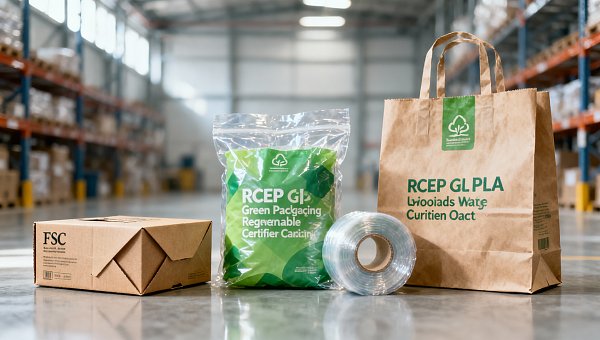
 RCEP Green Packaging Mutual Recognition Takes EffectRCEP Green Packaging Mutual Recognition takes effect Apr 22, 2026—streamline exports to AU, NZ, JP, KR with GB/T 37629–2019 certified molded fiber & PLA packaging.
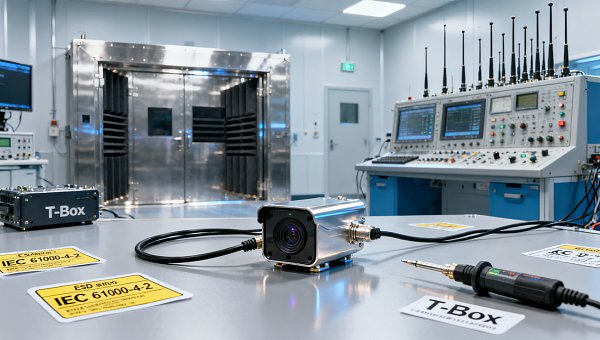
 Mexico NOM-019-SCFI-2026 Effective: EMC Certification Required for Auto Electronics ExportsEMC certification is now mandatory for auto electronics exports to Mexico under NOM-019-SCFI-2026. Ensure compliance for rearview mirrors, radar sensors & T-Box units—avoid shipment delays and order cancellations.
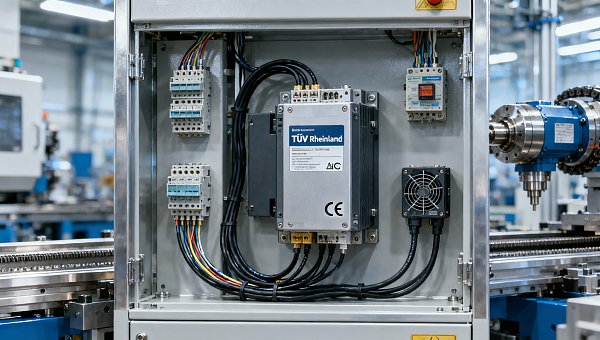
") TÜV Rheinland Updates CE Requirements for Servo Drives (PLd + EMC Joint Validation)TÜV Rheinland now mandates joint PLd + EMC validation for servo drives under CE marking—learn how this impacts certification timelines, lab selection, and EU market access.
TÜV Rheinland Updates CE Requirements for Servo Drives (PLd + EMC Joint Validation)TÜV Rheinland now mandates joint PLd + EMC validation for servo drives under CE marking—learn how this impacts certification timelines, lab selection, and EU market access. Vietnam Suspends SASO Mutual Recognition for Chinese Irrigation EquipmentVietnam suspends SASO mutual recognition for Chinese irrigation equipment—urgent compliance updates for drip tapes & PE pipes (HS 8424.89/3917.39). Act now to avoid delays.
 FDA Finalizes AI Diagnostic Device Rules for ImportersFDA finalizes AI diagnostic device rules for importers: New bias assessment mandate impacts ultrasound, glucose analyzers & dermatoscopes. Act now to ensure U.S. market access.
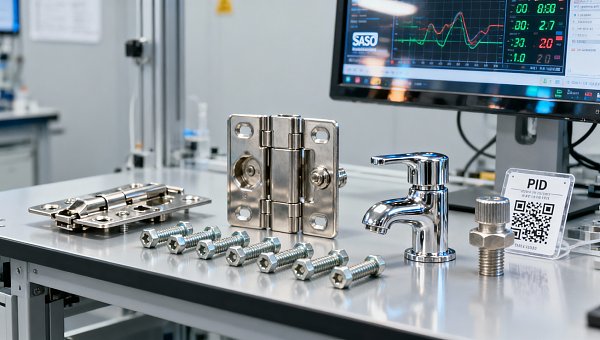
 SABER Phase II Live: Saudi Building Hardware Requires Digital Type Test Reports & PIDSABER Phase II is live: Building hardware exports to Saudi Arabia now require digital type test reports & a mandatory, immutable Product ID (PID). Act now to avoid customs delays!
 IMDG Code 41-24 Enforced: UN3480 Lithium Battery Labeling Mandatory from Apr 2026IMDG Code 41-24 enforcement starts Apr 2026: UN3480 lithium battery labeling & ISO 17363 docs are now mandatory—avoid port rejections!
 CBAM Carbon Tax Launch: Low CBAM Reporting Rate Among Chinese ExportersCBAM Carbon Tax is live—only 36.8% of Chinese exporters reported. Discover why, which industries are at risk, and how to secure EU market access now.
 China’s 10 Agencies Issue AI Export Ethics Review RulesChina’s 10 agencies launch AI export ethics rules—mandating bias reviews for visual inspection, warehouse AI & defect detection systems. Stay compliant & competitive.
 RCEP Green Packaging Mutual Recognition Takes EffectRCEP Green Packaging Mutual Recognition is now in effect—unlock faster customs clearance in Australia, NZ, Japan & Korea for GB/T 37659–2019-certified eco-packaging.
 Mexico NOM-019-SCFI-2026 Effective Apr 10, 2026: EMC Certification Required for Automotive ElectronicsNOM-019-SCFI-2026 EMC certification is now mandatory for automotive electronics entering Mexico — act before the July 1, 2026 customs ban.
 Red Sea Rerouting Normalized, EBA at $1,850/TEURed Sea rerouting normalized with EBA fixed at $1,850/TEU—learn how this structural shift impacts Asia-Europe freight costs, lead times & supply chain strategy.
 FDA AI Diagnostic Device Draft Rules: Bias Assessment for ImportsFDA AI diagnostic device draft rules require bias assessment for imports—learn how portable ultrasound, glucose, and dermatoscopic AI devices are affected & what to do next.
") TÜV Rheinland Updates CE Requirements for Servo Drives (PLd + EMC)TÜV Rheinland updates CE requirements for servo drives: PLd (ISO 13849-1) + EMC immunity (IEC 61000-6-2 Ed.4) now mandatory together — act now to avoid EU market delays!
TÜV Rheinland Updates CE Requirements for Servo Drives (PLd + EMC)TÜV Rheinland updates CE requirements for servo drives: PLd (ISO 13849-1) + EMC immunity (IEC 61000-6-2 Ed.4) now mandatory together — act now to avoid EU market delays! SABER Phase II Launch: Building Hardware Must Submit Digital Type Test Reports & Unique Product IDSABER Phase II now mandates digital type test reports & unique product IDs for building hardware—fasteners, scaffolding, door/window components. Ensure compliance to avoid customs rejection & SCOC delays.
 Vietnam Suspends SASO Mutual Recognition for Chinese Irrigation EquipmentVietnam suspends SASO mutual recognition for Chinese irrigation equipment—TCVN testing now mandatory. Act now to avoid 8–12 week delays and customs holdups.
 IMDG Code 41-24 Enforced: UN3480 Lithium Battery Labeling UpdateIMDG Code 41-24 enforcement starts April 2026: UN3480 lithium battery labeling updates are mandatory for global maritime shipments — avoid port delays, detention & penalties.
 EU CBAM Enters Full Enforcement on Jan 1, 2026EU CBAM full enforcement starts Jan 1, 2026 — mandatory quarterly reporting & certificate purchases for batteries, steel, cement, aluminum, fertilizers & chemicals. Act now to ensure EU market access.
 EU CBAM Carbon Tariff Starts Oct 2026 for Chinese Battery, Cement, Chemical ExportsEU CBAM carbon tariff hits Chinese battery, cement & chemical exports from Oct 2026 — mandatory emissions reporting starts now. Avoid €98/t default fees.












Popular Tags
Global Trade Insights & Industry
Our mission is to empower global exporters and importers with data-driven insights that foster strategic growth.
Search News
Popular Tags
Industry Overview
The global commercial kitchen equipment market is projected to reach $112 billion by 2027. Driven by urbanization, the rise of e-commerce food delivery, and strict hygiene regulations.