

Dash cams with night vision: what actually improves clarity?
When evaluating dash cams with night vision, the biggest mistake is to focus on the phrase “night vision” itself. In practice, image clarity at night is determined far more by sensor size and quality, lens aperture, HDR tuning, bitrate, and how the camera handles headlights, street lamps, reflections, and motion. For buyers, sourcing teams, distributors, and commercial evaluators, the most useful question is not whether a dash cam claims night vision, but which hardware and processing choices actually preserve readable detail in real traffic conditions.
For procurement and market research, the short answer is this: the clearest night footage usually comes from a balanced combination of a larger image sensor, a well-tuned lens with a wide aperture, strong dynamic range processing, stable exposure control, and realistic video compression. Infrared LEDs may help inside a cabin-facing camera, but for front-facing road recording they are often less important than marketing suggests. Understanding that distinction can prevent overpaying for features that sound impressive but do little to improve evidence quality on the road.
What is the real search intent behind “dash cams with night vision”?
Most readers searching this topic are not looking for a generic definition of night vision. They want to know what actually improves usable footage in darkness and low-light environments. Usable, in this context, means more than a bright-looking video. It means being able to identify license plates, lane positions, pedestrians, vehicle shapes, and events during night driving, parking incidents, or poor-weather conditions.
For business-oriented readers such as distributors, importers, fleet buyers, and product researchers, the intent goes a step further. They need a practical evaluation framework: which specifications matter, which ones are mostly promotional, and how to compare models before committing to purchase, resale, or private-label sourcing. In other words, they are trying to reduce sourcing risk and avoid selecting products that test well on paper but fail in real-world low-light conditions.
What buyers and evaluators care about most when comparing night vision dash cams
The main concern is clarity, but clarity is made up of several measurable outcomes. The first is low-light sensitivity: can the camera capture a useful image without excessive noise? The second is highlight control: can it manage glare from headlights and street lighting without washing out important details? The third is motion handling: can it preserve detail when vehicles are moving, especially at intersections or on highways? The fourth is consistency: does performance stay reliable across different urban, suburban, and poorly lit road conditions?
Commercial readers are also concerned about total value. A dash cam that advertises 4K night vision but delivers noisy, over-sharpened footage with unreadable plates may create warranty complaints, returns, and weak end-user trust. That matters to distributors and sourcing professionals because poor night performance affects customer satisfaction, after-sales burden, and product reputation in a competitive channel.
Sensor quality matters more than most “night vision” claims
If one factor deserves the most attention, it is the image sensor. A better sensor generally improves low-light performance by capturing more usable light and producing less digital noise. In simple terms, a weak sensor can make nighttime video look grainy, smeared, or artificially bright, while a stronger one can preserve contrast and detail more naturally.
Buyers should look beyond vague labels and request specific sensor information from suppliers whenever possible. In low-light recording, larger and better-designed sensors tend to outperform smaller, cheaper alternatives, even if both products use similar marketing language. This is especially important for B2B sourcing, where product sheets may emphasize resolution but provide limited information on actual sensor capability.
Resolution alone should not be treated as proof of better night clarity. A camera can record 1440p or 4K and still perform poorly in the dark if the sensor is weak or if the video is heavily compressed. For nighttime evidence capture, clean light intake and balanced image processing usually matter more than headline resolution numbers.
Why lens aperture and glass quality make a visible difference
The lens plays a direct role in how much light reaches the sensor. A wider aperture, often represented by a lower f-number, can help the camera collect more light in dark conditions. That can improve brightness and reduce the need for aggressive digital amplification, which often causes noise and detail loss.
However, aperture alone is not enough. Lens quality also affects sharpness, distortion, flare resistance, and edge detail. A product may advertise a bright lens, but if the glass quality is poor, the resulting footage may still look soft or struggle with oncoming headlights. For procurement teams, this means lens claims should be reviewed together with sample footage, not in isolation.
In practical sourcing terms, the best night-vision dash cams typically combine a capable sensor with a lens designed for low-light balance, rather than relying on a single impressive-sounding specification.
HDR and WDR: the features that often matter more than infrared
One of the biggest nighttime challenges is dynamic range. Roads at night contain both dark areas and intense light sources, such as headlights, brake lights, illuminated signs, and reflections on wet pavement. This is where HDR or WDR processing can make a meaningful difference.
Well-tuned HDR helps a dash cam balance bright and dark zones in the same scene. Instead of turning headlights into blown-out blobs and shadows into black patches, it can preserve more detail across the frame. For many front-facing road cameras, this contributes more to real night clarity than the term “infrared night vision.”
Infrared has value mainly in interior-facing cameras, such as ride-hailing, taxi, or security-focused cabin monitoring systems. In those use cases, IR LEDs can illuminate the inside of the vehicle without distracting visible light. But for capturing the road ahead through a windshield, infrared is often far less effective than strong sensor performance and dynamic range control. This is an important distinction for distributors and buyers building product lines for different commercial scenarios.
Why bitrate, compression, and frame handling affect nighttime evidence quality
Night footage is difficult to compress well because low-light scenes contain noise, motion, and frequent contrast changes. If the bitrate is too low, details can break apart into smearing or blockiness. This is one reason some dash cams look acceptable during the day but disappointing at night.
For procurement decisions, this means video quality should be judged by actual recorded output, not just by listed resolution. A 1080p or 1440p dash cam with a healthier bitrate and better compression tuning may preserve more useful nighttime detail than a nominally higher-resolution model with aggressive file compression.
Frame rate also influences results. Higher frame rates can help smooth motion, but if they force shorter exposure in dark conditions, the image may become dimmer or noisier. Good night performance depends on how the camera balances exposure time, frame rate, and noise reduction. This tuning is rarely visible in marketing material, which is why test footage is so important.
What real-world testing should include before sourcing or purchasing
For business evaluators, the most reliable way to compare dash cams with night vision is to use a simple but structured test method. Ask for raw or minimally edited night-driving footage recorded in multiple environments: urban roads with bright lights, suburban roads with mixed lighting, and dark roads with limited illumination. Also ask for clips in rain or on reflective surfaces if those scenarios matter to your market.
During testing, review whether license plates remain readable at moderate distance, whether headlights erase surrounding detail, whether faces or pedestrians remain visible near the roadside, and whether motion blur becomes severe when vehicles cross the frame. Pause-frame inspection is useful because many cameras look acceptable during playback but lose critical detail when a single moment needs to be examined.
It is also worth checking startup reliability, heat behavior, and consistency across repeated recordings. A camera that performs well for a short demo but inconsistently in daily operation creates downstream risk for fleets, retailers, and importers.
Common specification traps that can mislead buyers
One common trap is assuming “night vision” is a standardized performance category. It is not. Different brands use the term loosely, and two products with similar claims may deliver very different nighttime results.
Another trap is overvaluing resolution while undervaluing sensor quality, HDR tuning, and bitrate. A third is assuming infrared LEDs improve all kinds of night footage. In reality, they are usually more relevant for inside-the-vehicle recording than for road-facing clarity. A fourth trap is relying only on polished promotional clips, which may be selectively shot or heavily processed.
For B2B procurement, these traps have commercial consequences. They can lead to mismatched product positioning, increased return rates, and lower reseller confidence. A more disciplined evaluation process helps prevent buying products that win on keywords but lose in actual use.
How distributors, fleet buyers, and sourcing teams should make the final decision
The best decision usually comes from matching product design to the real use case. For consumer retail channels, a balanced model with strong HDR, dependable low-light clarity, and stable ease of use may outperform a spec-heavy model with inconsistent real-world results. For fleets, reliability, file integrity, and repeatable nighttime evidence capture often matter more than maximum resolution. For taxi, ride-share, or security applications, an interior IR camera may be essential in addition to a capable front camera.
From a sourcing perspective, it is wise to compare products across five practical dimensions: sensor and lens quality, HDR or WDR effectiveness, compression and bitrate quality, real road test performance, and after-sales risk. This approach creates a clearer link between technical specifications and business outcomes.
It also improves supplier conversations. Instead of asking only for price and resolution, buyers can ask for nighttime sample files, sensor identification, bitrate information, glare-handling examples, and use-case-specific footage. That leads to more informed procurement and stronger product-market fit.
Conclusion: what actually improves clarity at night?
What actually improves clarity in dash cams with night vision is not a single feature and not the label itself. The biggest gains usually come from a capable image sensor, a good low-light lens, effective HDR or WDR processing, sensible exposure tuning, and sufficient bitrate to preserve detail. For road-facing cameras, these factors are generally more important than infrared marketing claims.
For researchers, buyers, distributors, and commercial evaluators, the practical takeaway is clear: judge night vision dash cams by evidence quality, not by promotional wording. If a model can control glare, limit noise, preserve motion detail, and deliver readable footage across real nighttime conditions, it is far more valuable than one that simply looks impressive on a product page. That is the standard that should guide sourcing, procurement, and product selection decisions.
Recommended News
 China’s 10-Dept AI Export Ethics Review Rule Takes EffectChina’s new 10-dept AI export ethics rule mandates algorithmic bias review for AI hardware bound for the EU, US, Canada, Japan & SK—key for smart cameras, voice assistants & industrial vision exporters.
 Red Sea Detour Now Standard: $1,850 TEU Premium on Asia-Europe RoutesRed Sea detour premium now standard: $1,850/TEU surcharge embedded in Asia-Europe freight rates — vital intel for exporters, importers & logistics teams.
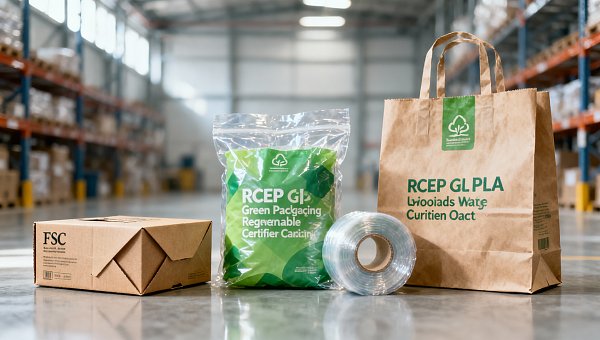
 RCEP Green Packaging Mutual Recognition Takes EffectRCEP Green Packaging Mutual Recognition takes effect Apr 22, 2026—streamline exports to AU, NZ, JP, KR with GB/T 37629–2019 certified molded fiber & PLA packaging.
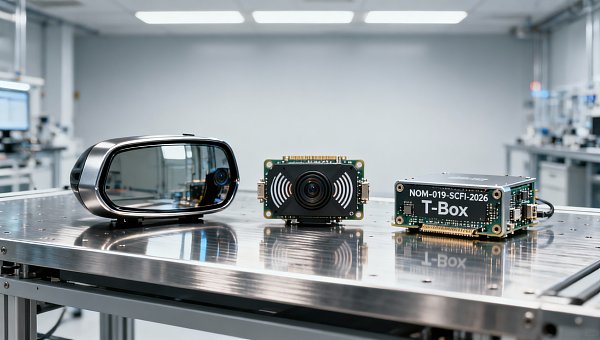
 Mexico NOM-019-SCFI-2026 Effective: EMC Certification Required for Auto Electronics ExportsEMC certification is now mandatory for auto electronics exports to Mexico under NOM-019-SCFI-2026. Ensure compliance for rearview mirrors, radar sensors & T-Box units—avoid shipment delays and order cancellations.
") TÜV Rheinland Updates CE Requirements for Servo Drives (PLd + EMC Joint Validation)TÜV Rheinland now mandates joint PLd + EMC validation for servo drives under CE marking—learn how this impacts certification timelines, lab selection, and EU market access.
TÜV Rheinland Updates CE Requirements for Servo Drives (PLd + EMC Joint Validation)TÜV Rheinland now mandates joint PLd + EMC validation for servo drives under CE marking—learn how this impacts certification timelines, lab selection, and EU market access. Vietnam Suspends SASO Mutual Recognition for Chinese Irrigation EquipmentVietnam suspends SASO mutual recognition for Chinese irrigation equipment—urgent compliance updates for drip tapes & PE pipes (HS 8424.89/3917.39). Act now to avoid delays.
 FDA Finalizes AI Diagnostic Device Rules for ImportersFDA finalizes AI diagnostic device rules for importers: New bias assessment mandate impacts ultrasound, glucose analyzers & dermatoscopes. Act now to ensure U.S. market access.
 SABER Phase II Live: Saudi Building Hardware Requires Digital Type Test Reports & PIDSABER Phase II is live: Building hardware exports to Saudi Arabia now require digital type test reports & a mandatory, immutable Product ID (PID). Act now to avoid customs delays!
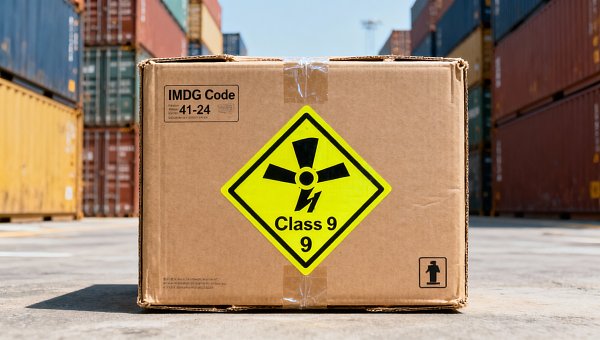
 IMDG Code 41-24 Enforced: UN3480 Lithium Battery Labeling Mandatory from Apr 2026IMDG Code 41-24 enforcement starts Apr 2026: UN3480 lithium battery labeling & ISO 17363 docs are now mandatory—avoid port rejections!
 CBAM Carbon Tax Launch: Low CBAM Reporting Rate Among Chinese ExportersCBAM Carbon Tax is live—only 36.8% of Chinese exporters reported. Discover why, which industries are at risk, and how to secure EU market access now.
 China’s 10 Agencies Issue AI Export Ethics Review RulesChina’s 10 agencies launch AI export ethics rules—mandating bias reviews for visual inspection, warehouse AI & defect detection systems. Stay compliant & competitive.
 RCEP Green Packaging Mutual Recognition Takes EffectRCEP Green Packaging Mutual Recognition is now in effect—unlock faster customs clearance in Australia, NZ, Japan & Korea for GB/T 37659–2019-certified eco-packaging.
 Mexico NOM-019-SCFI-2026 Effective Apr 10, 2026: EMC Certification Required for Automotive ElectronicsNOM-019-SCFI-2026 EMC certification is now mandatory for automotive electronics entering Mexico — act before the July 1, 2026 customs ban.
 Red Sea Rerouting Normalized, EBA at $1,850/TEURed Sea rerouting normalized with EBA fixed at $1,850/TEU—learn how this structural shift impacts Asia-Europe freight costs, lead times & supply chain strategy.
 FDA AI Diagnostic Device Draft Rules: Bias Assessment for ImportsFDA AI diagnostic device draft rules require bias assessment for imports—learn how portable ultrasound, glucose, and dermatoscopic AI devices are affected & what to do next.
") TÜV Rheinland Updates CE Requirements for Servo Drives (PLd + EMC)TÜV Rheinland updates CE requirements for servo drives: PLd (ISO 13849-1) + EMC immunity (IEC 61000-6-2 Ed.4) now mandatory together — act now to avoid EU market delays!
TÜV Rheinland Updates CE Requirements for Servo Drives (PLd + EMC)TÜV Rheinland updates CE requirements for servo drives: PLd (ISO 13849-1) + EMC immunity (IEC 61000-6-2 Ed.4) now mandatory together — act now to avoid EU market delays! SABER Phase II Launch: Building Hardware Must Submit Digital Type Test Reports & Unique Product IDSABER Phase II now mandates digital type test reports & unique product IDs for building hardware—fasteners, scaffolding, door/window components. Ensure compliance to avoid customs rejection & SCOC delays.
 Vietnam Suspends SASO Mutual Recognition for Chinese Irrigation EquipmentVietnam suspends SASO mutual recognition for Chinese irrigation equipment—TCVN testing now mandatory. Act now to avoid 8–12 week delays and customs holdups.
 IMDG Code 41-24 Enforced: UN3480 Lithium Battery Labeling UpdateIMDG Code 41-24 enforcement starts April 2026: UN3480 lithium battery labeling updates are mandatory for global maritime shipments — avoid port delays, detention & penalties.
 EU CBAM Enters Full Enforcement on Jan 1, 2026EU CBAM full enforcement starts Jan 1, 2026 — mandatory quarterly reporting & certificate purchases for batteries, steel, cement, aluminum, fertilizers & chemicals. Act now to ensure EU market access.
 EU CBAM Carbon Tariff Starts Oct 2026 for Chinese Battery, Cement, Chemical ExportsEU CBAM carbon tariff hits Chinese battery, cement & chemical exports from Oct 2026 — mandatory emissions reporting starts now. Avoid €98/t default fees.















Popular Tags
Global Trade Insights & Industry
Our mission is to empower global exporters and importers with data-driven insights that foster strategic growth.
Search News
Popular Tags
Industry Overview
The global commercial kitchen equipment market is projected to reach $112 billion by 2027. Driven by urbanization, the rise of e-commerce food delivery, and strict hygiene regulations.